Latest News
Stay updated with the latest news and articles
Top Stories
Global Shock: Iran War Fuel Prices Spike 40% as Malawi Families Hit with Record Levy Crisis
**Global Shock: Iran War Fuel Prices Spike 40% as Malawi Families Hit with Record Levy Crisis** Households across the globe are buckling under soaring fuel and food costs triggered by the Iran conflict, while in Malawi, a growing expert demand to scrap government fuel levies exposes how war-driven price hikes are piling pressure onto already-strained economies. The International Monetary Fund warns that the war in Iran is driving up energy and food costs, increasing borrowing expenses, and slowing economic growth worldwide [136501]. Surveys show millions of families are already cutting spending, using savings, or taking on new debt to cope with rising prices [136501]. In Malawi, the situation has become critical. The Economics Association of Malawi (ECAMA) is calling for the government to immediately scrap non-essential levies on fuel [136509]. Association President Bertha Bangara warned that the current pricing structure is squeezing households and pushing the economy into deeper trouble, as fuel prices soar and shortages spread [136509]. ECAMA’s statement adds to growing public pressure for immediate relief [136509]. Meanwhile, Turkey’s official unemployment rate fell to 8.1% in March, but a broader measure of labor underutilization—called “idle labor”—jumped sharply to 31.5%, including people who have stopped looking for work or work fewer hours than they want [135830]. The data also reveals a deep gender gap: 66% of men were employed, while only 31.5% of women held jobs [135830]. Economists say the rising idle labor rate shows the official jobless figure does not fully capture the weakness in Turkey’s labor market [135830]. Experts warn that global dependence on a few countries for critical minerals like lithium and cobalt is creating dangerous economic vulnerabilities [135367]. Turkish Trade Minister Ömer Bolat stated that the rush to secure these resources, combined with rising protectionism, now threatens the stability of the world economy [135367]. Lithium and cobalt are essential for batteries in electric vehicles and renewable energy storage, but supply is concentrated in just a handful of nations [135367]. Without diversified sources and stronger international cooperation, the global shift to green energy and digital industries could slow down [135367]. The conflict has also boosted activity at Pakistan’s Gwadar Port as the Strait of Hormuz crisis deepens, but analysts warn this growth relies on regional instability rather than stable trade routes [135699]. In the United States, the war has mostly spared the economy so far. American stock markets remain stable, domestic energy production has softened oil price spikes, and consumer spending has not dropped sharply [134553]. However, experts say the situation remains fluid, and a longer conflict could eventually reach American shores [134553]. --- Iran War Prices Hit Your Wallet Malawi’s Economy in Crisis: Expert Demands Fuel Levy Cuts Turkey’s jobless rate falls to 8.1%, but “idle labor” jumps to 31.5% Global Economy at Risk: Lithium, Cobalt Dependency Creates ‘Critical’ Vulnerabilities Gwadar Port Booms as Strait of Hormuz Crisis Deepens Dow Jones Up? War in Iran, U.S. Economy Holds Steady
Nigeria and Turkey Go All In: $10 Billion Trade Blitz as Nations Ditch Old Superpowers
**Nigeria and Turkey Go All In: $10 Billion Trade Blitz as Nations Ditch Old Superpowers** Nigeria and Turkey have signed nine new agreements to supercharge trade, with officials now predicting that annual commerce between the two countries will top $10 billion – doubling the previous target. The deals, finalized during Turkish President Recep Tayyip Erdogan’s state visit to Abuja, mark a sweeping push by both nations to build independent supply chains and cut reliance on traditional Western and Chinese markets [62201][61140]. The Nigeria-Turkey Business Council projects Turkish goods have already saturated Nigerian daily life, with the council’s head claiming “there is no home in Nigeria that does not have a Turkish product” [62201]. New agreements cover energy, mining, and defense, and a Joint Economy and Trade Committee will now work to unlock broader investment [61140]. This scramble for new trade partners is not isolated. India and New Zealand signed a free-trade agreement after 15 years of stalled talks, driven by disruptions from the Strait of Hormuz closure and steep US tariffs that have rattled supply chains. The pact also helps New Zealand reduce its heavy dependence on China, its largest trading partner [135100]. Turkey is also opening a new overland route through Saudi Arabia, offering a critical bypass for global shipments threatened by instability around the Strait of Hormuz, through which one-fifth of the world’s oil passes. Trade Minister Omer Bolat confirmed transit visas are now being issued to move cargo overland across Saudi Arabia and out of Red Sea ports [122456]. Meanwhile, Egypt and Turkey have agreed to boost their current $9 billion in bilateral trade to $15 billion or more, signaling rapidly warming diplomatic and economic ties [67240]. On a parallel track, Kenya and Morocco signed 11 new agreements covering agriculture, health, and the “blue economy” – sustainable use of ocean resources – during King Mohammed VI’s visit to Nairobi. Officials say the pacts will unlock investment and boost intra-African trade [125813]. In the financial sector, the Islamic Corporation for the Insurance of Investment and Export Credit and the African Export-Import Bank signed a partnership to increase trade and investment between Arab and African nations, aiming to stimulate growth by facilitating cross-regional financial flows [7017]. The flurry of deals signals a coordinated shift: medium and smaller economies are building alternative trade networks at record pace, seeking security from an increasingly volatile global trade order dominated by the US and China. Turkish Goods in Every Home: Nigeria Aims for $10 Billion Trade Boom Nigeria and Turkey Target $5 Billion Trade Deal India and New Zealand Sign Trade Deal to Cut Reliance on China and US Turkey Opens New Trade Lifeline to Bypass Gulf Chokepoint Egypt and Türkiye Target $15 Billion Trade Surge Kenya and Morocco Sign 11 Deals to Boost Trade ICIEC and Afreximbank Partner to Boost Arab-African Trade


Southeast Asia’s Wet Season Kills Over 1,500, Millions Displaced
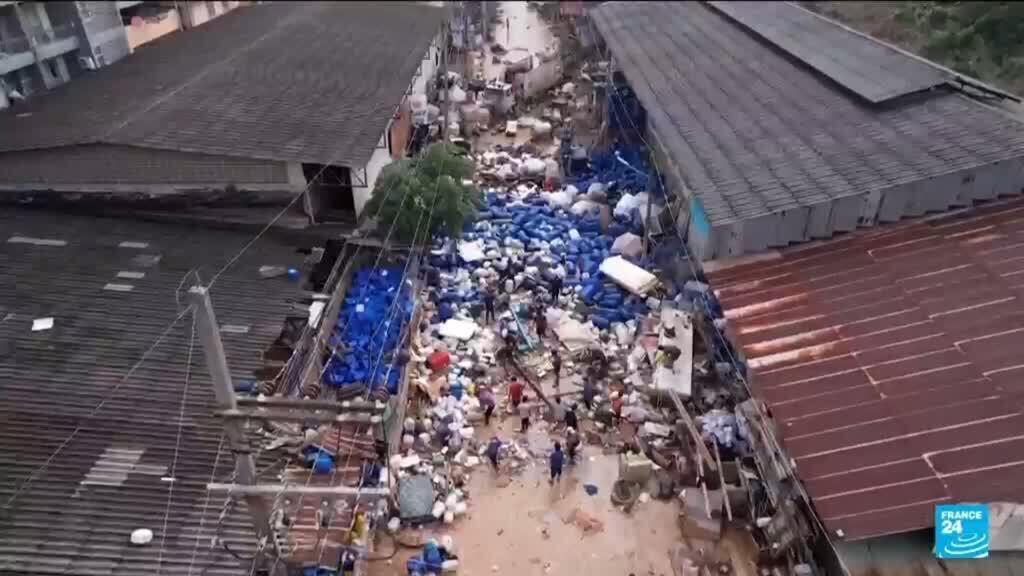
**Southeast Asia’s Wet Season Kills Over 1,500, Millions Displaced** A relentless wave of catastrophic flooding and landslides has killed more than 1,500 people across Southeast Asia, with millions more affected as monsoon rains overwhelm Indonesia, Sri Lanka, Thailand, and Malaysia. The disaster, triggered by days of exceptionally heavy rainfall, has submerged entire villages, severed roads, and triggered deadly mudslides that buried homes. In Indonesia alone, the death toll has reached 995, with rescuers still searching for 226 missing people [25217]. Neighboring Sri Lanka reports 640 dead and 211 missing [25217]. Combined, the two nations have nearly 4 million citizens impacted [25217]. Southern Thailand has also suffered heavily, with authorities reporting at least 145 deaths [14423]. Torrential rains caused rivers to overflow and saturated hillsides, leading to destructive landslides across the region [14423]. The disasters have destroyed homes, roads, and farms [25217]. Emergency crews are racing against time to find survivors and deliver essential aid. Their work is complicated by damaged infrastructure and continuing access problems [20084]. The full scale of the destruction is still being assessed as heavy rains continue in some areas [14786]. National governments and international aid groups are mobilizing relief efforts, focusing on providing emergency shelter, clean water, and medical supplies to displaced survivors [17624]. Health officials warn of rising risks from waterborne diseases due to damaged water supplies [11385]. Deadly Floods and Landslides Claim Over 1,400 Lives Across Southeast Asia Massive Floods Kill Over 1,600, Affect Millions in Asia Deadly Floods and Landslides Claim Over 1,500 Lives Across Asia Deadly Floods and Landslides Claim Over 250 Lives in Southeast Asia Southeast Asia Reels From Widespread Flooding Deadly Floods and Landslides Claim Lives Across Southeast Asia

U.S. Gas Hits $4.23, Iran War & Drone Strikes Slam Global Oil Supply
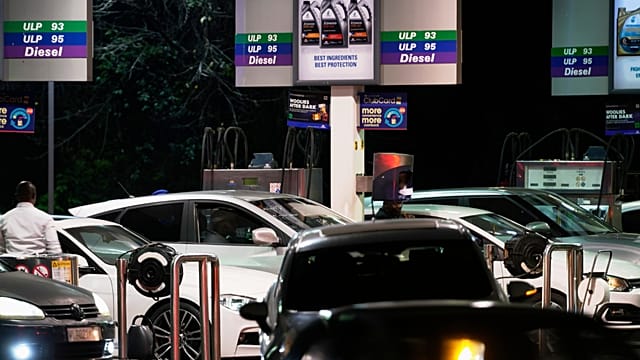
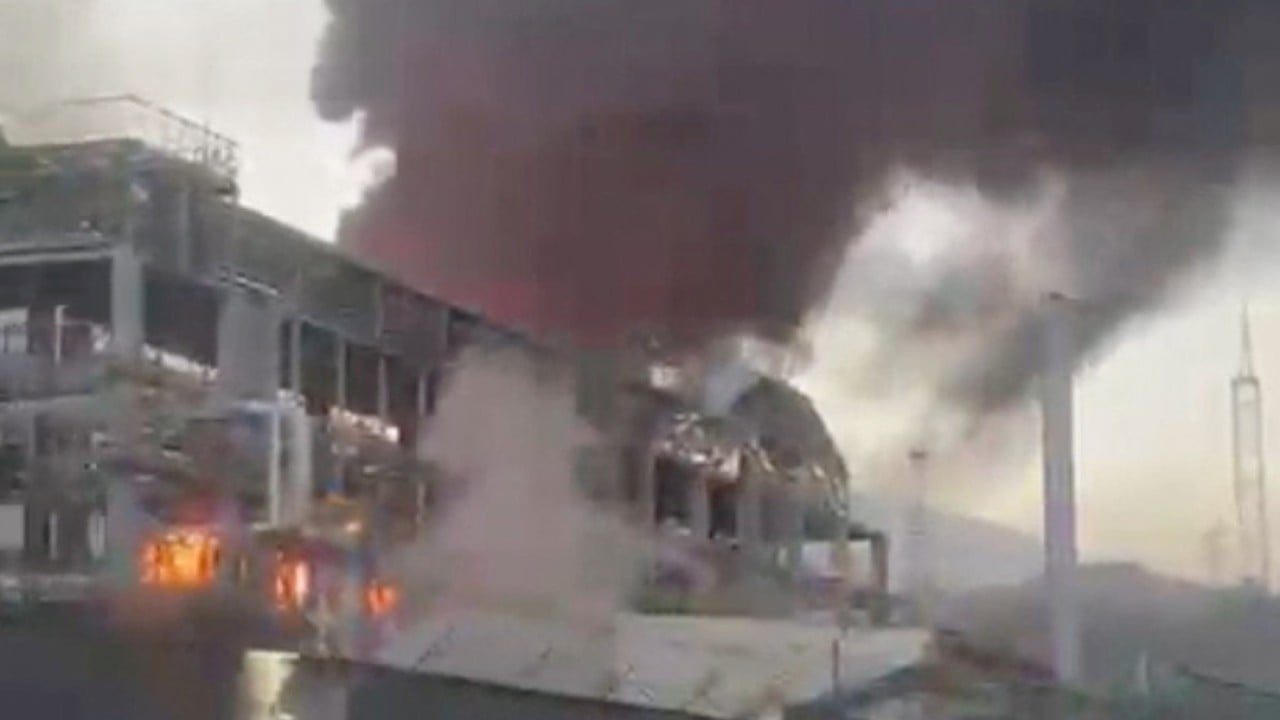
**U.S. Gas Hits $4.23, Iran War & Drone Strikes Slam Global Oil Supply** The average price for a gallon of gasoline in the United States has climbed to $4.23, as a war in Iran and multiple drone strikes on energy infrastructure disrupt global oil shipments and send costs soaring worldwide [136415]. In South Africa, drivers are rushing to fill their tanks ahead of a record midnight price hike, the largest single increase in the country’s history, directly caused by the conflict in Iran cutting off oil flows [117884][117581]. A Ukrainian drone attack ignited a large-scale fire at Russia’s Tuapse oil refinery on the Black Sea, forcing evacuations and halting production at a key export facility [135091]. Even a release of 400 million barrels from strategic oil reserves has failed to stop prices from climbing, as the global energy crisis tests government responses [134719]. The supply crunch is forcing governments to act. South Africa cut its fuel levy by 3 rand per litre, but that relief has been completely overwhelmed, leaving drivers with one of the steepest pump price hikes on record [117581]. Kenya’s energy regulator has sharply increased fuel prices in response to soaring import costs, raising the price of transportation and electricity [130314]. In China, drivers are racing to pumps ahead of the biggest fuel price jump of 2024, as the government adjusts official prices based on skyrocketing international crude costs [109102]. The market disruptions are cascading into everyday life. In South Africa’s Nelson Mandela Bay, petroleum companies are limiting fuel supplies and charging emergency surcharges, adding up to 10 rand per litre to paraffin costs [108127]. A drone strike on a Kuwaiti oil tanker off the United Arab Emirates pushed global oil prices above $115 per barrel, triggering sell-offs in Asian stock markets [116225]. The Strait of Hormuz remains closed, keeping pump prices high even as crude oil prices temporarily steady [116592]. Analysts say significant relief is not expected soon, as political tensions in the Middle East and damage to Russian refineries tighten global supply [124783][97612]. U.S. Gas Hits $4.23 as Iran War Disrupts Middle East Oil South Africa Braces for Record Fuel Price Surge Ukrainian Drone Strike Ignites Russian Oil Refinery, Forces Evacuation Drivers Race to Pumps Ahead of China's Biggest Fuel Price Jump of 2024 Oil Reserves Drained, But Prices Keep Rising South Africa Cuts Fuel Tax, But Drivers Still Hit by Record Price Hike Fuel Prices Skyrocket in Kenya Fuel Limits and War Surcharges Hit South African Metro Fuel Prices Climb as Gaza Ceasefire Hopes Fade Oil Prices Rocket, Hitting Drivers With Sharpest Spike Since Ukraine War Drone Attack on Tanker Sends Oil Soaring Past $115 Oil Prices Steady, So Why Is Petrol So Expensive? Fuel Shockwave: Water, Security Prices Surge After Diesel Spike
Syrian Army and Kurdish Forces Clash in Aleppo, 140,000 Flee as Ceasefire Collapses
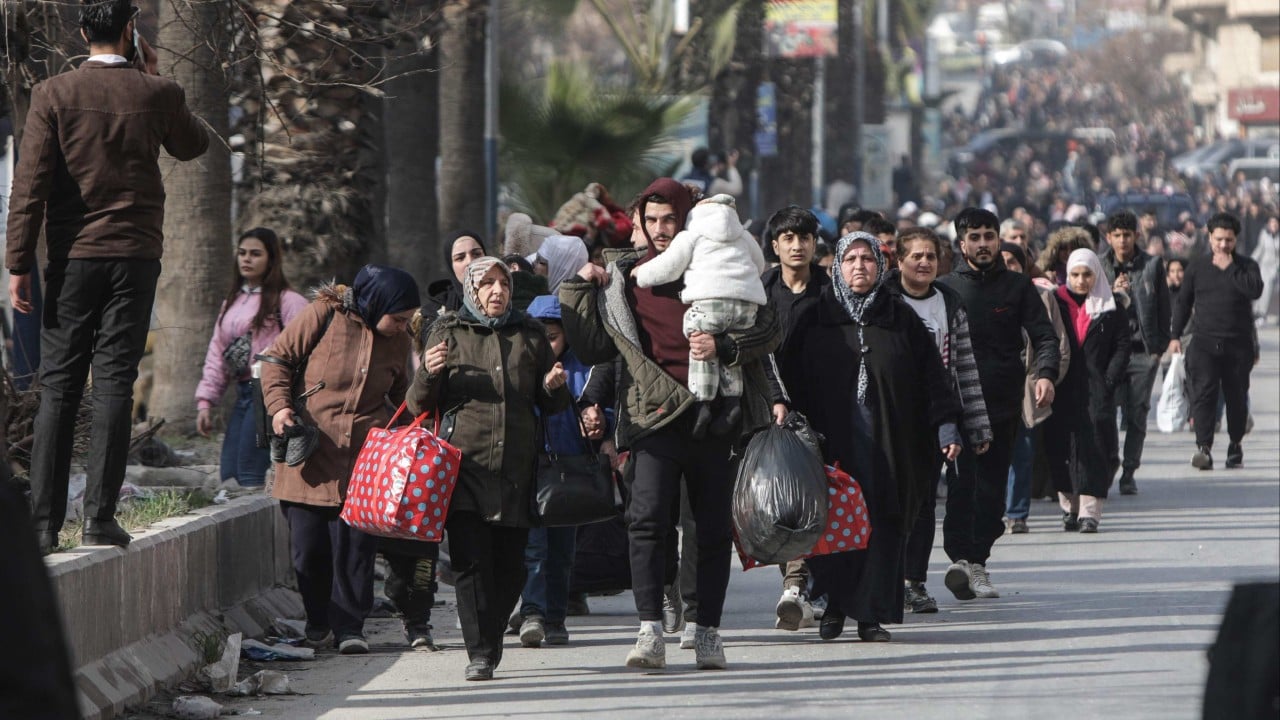
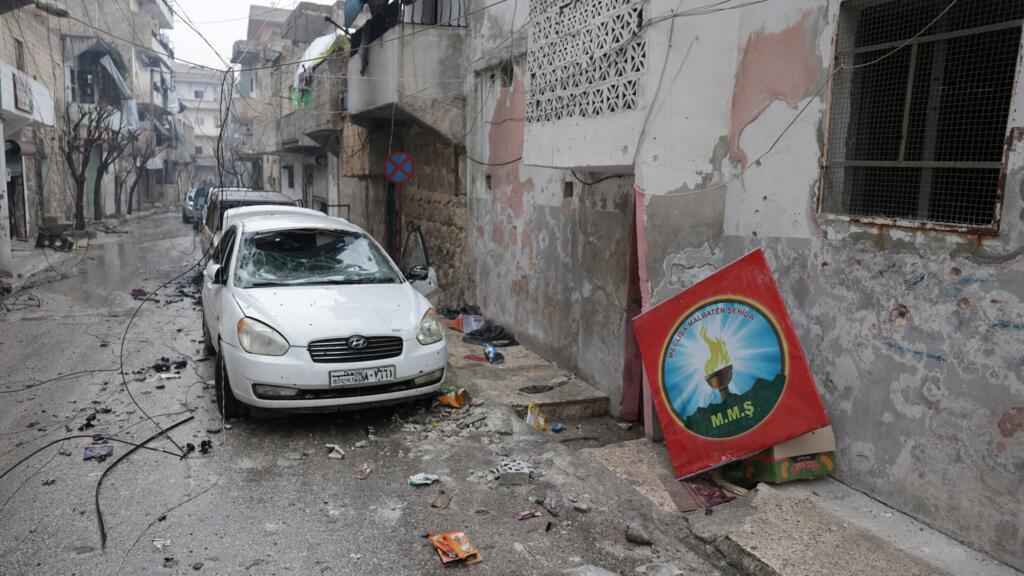
Syrian Army and Kurdish Forces Clash in Aleppo, 140,000 Flee as Ceasefire Collapses Fresh fighting erupted in Syria's Aleppo province between the Syrian army and Kurdish-led forces, shattering a fragile calm and triggering a mass exodus of civilians. The clashes, which began on Tuesday, forced over 140,000 people to flee their homes before a ceasefire was announced three days later [45816]. The violence centered on neighborhoods in Aleppo city, including Sheikh Maqsoud and Al-Ashrafiyah, where Syrian government forces clashed with the Kurdish-led Syrian Democratic Forces (SDF) [45585][49667][32527]. The SDF controls large parts of northern and eastern Syria but has resisted integration into the central government in Damascus [44512]. Both sides blamed each other for starting the fighting, which killed at least nine people on January 6 alone [44088]. The Syrian army declared a curfew, closed schools and universities, and halted flights at Aleppo's airport [45172][44088]. State media reported that SDF fighters shelled residential neighborhoods, while the army distributed evacuation maps showing safe routes out of contested areas [44681][43634]. The Syrian government later announced a ceasefire that allowed Kurdish fighters to leave the city with light weapons and receive safe passage to northeast Syria [45816]. The clashes came after political talks to resolve the long-running conflict between Damascus and the Kurdish-led administration stalled [45585]. Turkey's foreign minister publicly urged Kurdish forces to join the Syrian army, setting a deadline for integration [33236]. The United States, which backs the SDF as an ally against the Islamic State group, attempted to mediate a halt to the fighting [44512][43634]. The escalation raises fears of a return to full-scale war in Syria, where the civilian population continues to bear the overwhelming cost of displacement and suffering while multiple foreign powers compete for influence [45173][45172]. The United Nations has warned that any major new offensive risks a humanitarian catastrophe [45585]. Syria's Aleppo Truce Shatters, Thousands Flee as U.S. Mediates Title: Aleppo Exodus: Fighting Erupts as Syria Peace Talks Fail Fresh Clashes Erupt Between Syrian Army and Kurdish Forces Syrian Army and US-Backed Forces Clash in Aleppo Syrian Army Advances on Aleppo, Sparking Mass Exodus Syria Detains, Expels Kurds in Aleppo as US Bombs ISIS Syrian Forces and Kurds Clash, Then Halt Fire After Deadly Fighting Aleppo Clashes Follow Secret Syria-Israel Talks Syrian Army Distributes Evacuation Maps in Aleppo Amid Clashes Deadly Clashes in Aleppo as Turkey Urges Kurdish Integration Syria's Kurds and Army Clash, Risking Major War Syria Announces Aleppo Ceasefire After Clashes Displace 140,000 Syria's Aleppo: Army Strikes Kurds, Thousands Flee Clashes Erupt Between Kurdish Forces and Syrian Army in Aleppo
China Drops $47 Billion Chip Bomb to Smash US Tech Blockade
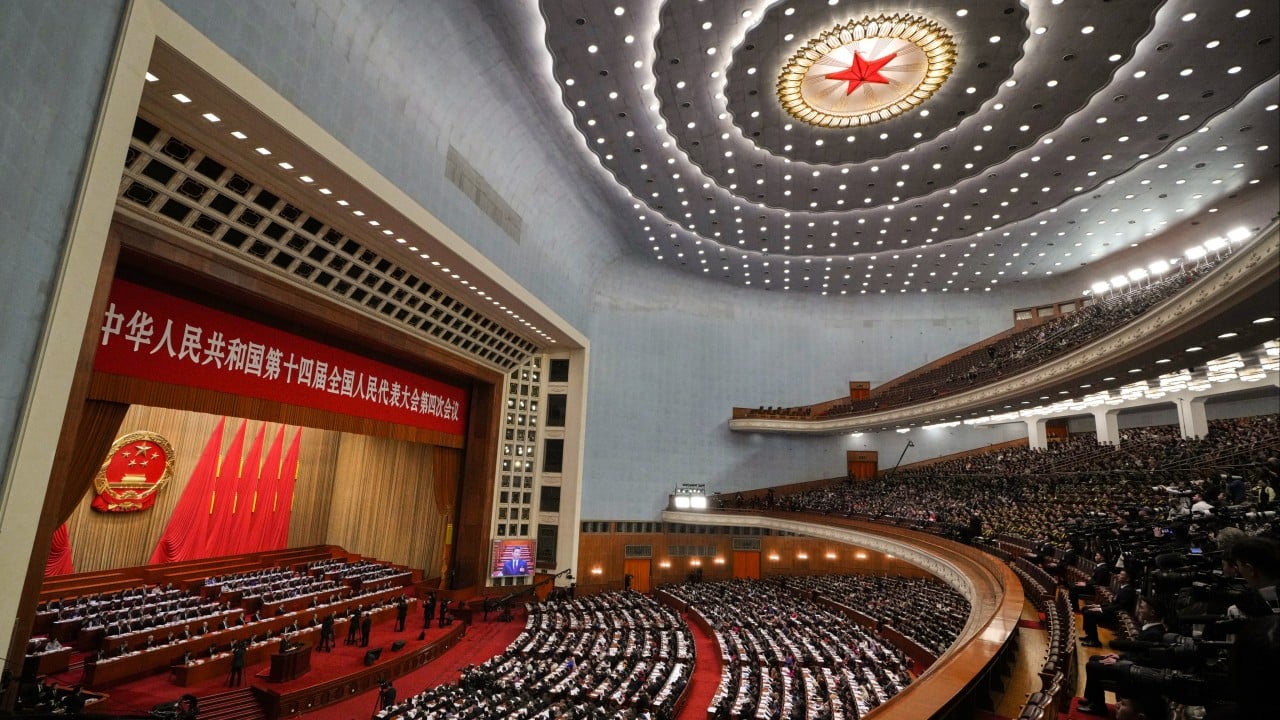
China Drops $47 Billion Chip Bomb to Smash US Tech Blockade China has launched a massive state-backed investment fund worth over $47 billion to break free from US restrictions on advanced semiconductor technology [86995]. The move is a direct response to American export controls that experts describe as a strategic "chokehold" on China's access to cutting-edge chipmaking equipment [51155]. The new fund will focus on developing domestic chip manufacturing machinery, an area currently dominated by US, Japanese, and Dutch companies [86995]. At the same time, China's provinces are racing to implement the national strategy. Zhejiang province, home to e-commerce giant Alibaba, has announced a five-year plan to manufacture semiconductors as small as 3 to 7 nanometers [51155]. Shanghai's Pudong district has launched 50 major projects worth over $10 billion, with most funds going into microchips and artificial intelligence [43531]. At least 22 provincial-level governments have published draft plans prioritizing advanced technology and local industrial strengths [19492]. The broader national blueprint for 2026 to 2030, known as the 15th five-year plan, targets key areas like AI, nuclear fusion, and advanced defense systems to break foreign "chokepoints" [95150]. China's budget allocates 426.42 billion yuan (US$61.7 billion) specifically for science and technology, focusing on "future industries" such as satellite internet, electric vehicles, and brain-computer interfaces [93804]. This aggressive push marks a fundamental shift from China's old strategy of acquiring foreign technology to creating its own [59734]. The government is now directing massive state resources toward frontier technologies under a coordinated, centralized approach—contrasting sharply with the US market-driven model [109135]. The results are already visible: Chinese carmakers have overtaken Japanese and European competitors in global electric vehicle sales, powered by AI features and batteries offering over 600 kilometers of range [134482]. China Bets $47 Billion to Break the Chip Barrier China Targets 3nm AI Chips to Break US "Chokehold" Shanghai Bets $10 Billion on Chips and AI in Tech Race Chinese Provinces Prioritize Tech and Self-Reliance in New Economic Plans China's New Plan: Beat US Tech Rivals with AI and Fusion Power China's $62 Billion Bet Mirrors Musk's Vision China's Tech Pivot: From "Catch-Up" to Cutting-Edge AI War: US Bets on Markets, China Bets on Control China’s carmakers overtake Japan and Europe with AI and battery edge

Tropical Forests Still Getting Slaughtered — 11 Football Fields a Minute Despite Big Drop
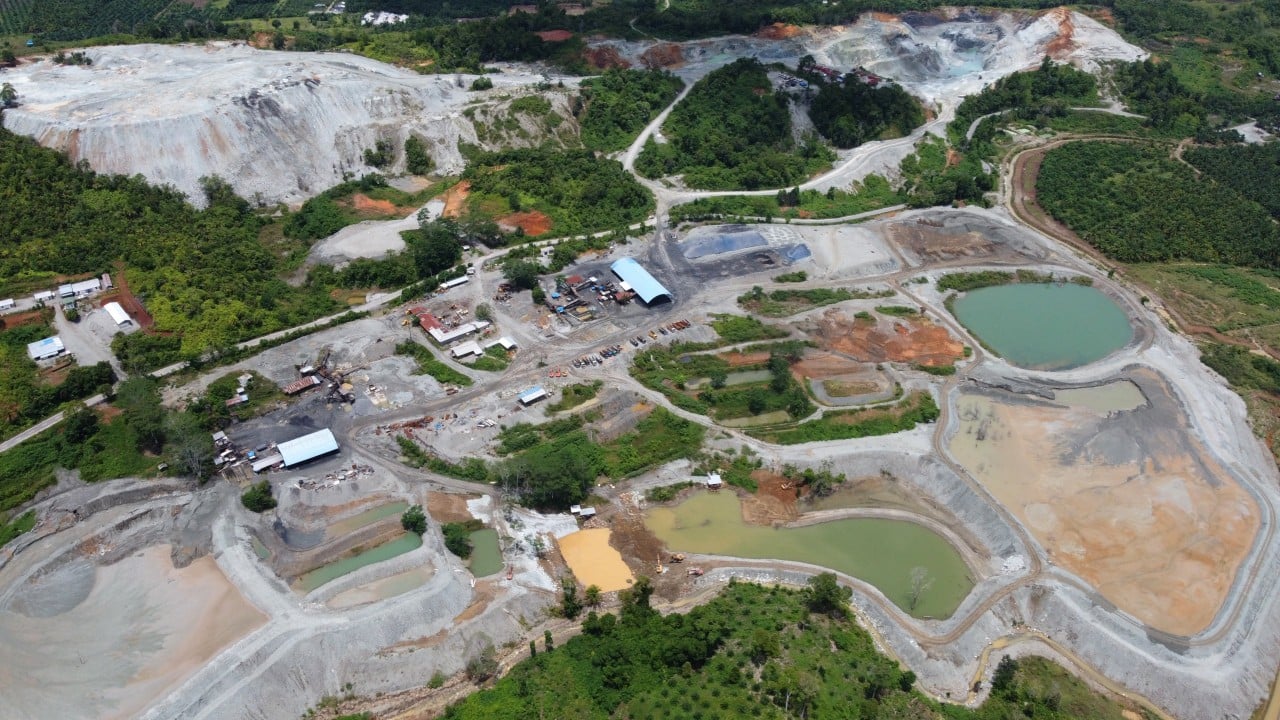
Tropical Forests Still Getting Slaughtered — 11 Football Fields a Minute Despite Big Drop The world lost 4.3 million hectares of tropical primary rainforest in 2025, a 36 percent drop from the record losses the year before, but the destruction is still happening at a staggering rate equivalent to 11 football fields every minute [136356]. While researchers at the World Resources Institute and the University of Maryland called the decline "encouraging" and a sign of what decisive action can achieve, they warned that the ongoing pace remains far too high to meet global climate goals [136356]. At the same time, global warming is making wildfires more frequent and intense, eating away at the progress made in cutting down forests directly [136088]. Scientists say the trend shows that simply reducing forest loss is not enough—fighting climate change itself is essential to protecting the world's remaining trees [136088]. Forests act as critical "carbon sinks," absorbing CO2 from the atmosphere, and protecting them is vital for managing global carbon levels [8843]. The destruction of old-growth rainforests—which store huge amounts of carbon and house vast wildlife populations—releases large quantities of greenhouse gases into the air [136356]. The 2024 record year saw 6.4 million hectares cleared, driven by fires and agricultural expansion in countries like Brazil and the Democratic Republic of Congo, and while the 2025 improvement marks a positive step, experts say continued efforts are needed to protect what's left [136356]. Meanwhile, the rush for lithium, cobalt, and nickel—metals essential for batteries and microchips and now called the "oil of the 21st century"—is creating severe problems in poor communities, draining water supplies, destroying farmland, and poisoning people with toxic heavy metals, according to a new UN report [136146]. Tropical Forest Loss Slows, but Still ‘11 Football Fields a Minute’ Deforestation Hits Decade Low in 2025, but Wildfires Surge A Global Push to Curb Carbon Emissions Critical minerals are ‘oil of 21st century’ as demand fuels poverty and pollution in poorer countries

UAE Dumps OPEC, Oil Market in Chaos as Asia Gets Hammered by Iran War
**UAE Dumps OPEC, Oil Market in Chaos as Asia Gets Hammered by Iran War** The United Arab Emirates is quitting the Organization of the Petroleum Exporting Countries (OPEC), blowing up a decades-old alliance with Saudi Arabia as the war with Iran sends global energy markets into a tailspin [136404][136023][136325]. The move is a direct blow to the cartel’s ability to control prices, and it comes just as Asia is getting crushed by the worst oil shock in years thanks to the US-Iran conflict [135955]. Analysts say the desertion shifts oil power straight to Asia, where demand is skyrocketing and the old rules no longer apply [136024]. The UAE’s exit isn’t just a petty squabble over production quotas. It signals a massive realignment in global energy politics, with the Gulf state prioritizing its own national plans over the group’s unity [136023]. Without the UAE, OPEC is significantly weaker, and new power centers—especially in Asia—are already shaping the market [136404][136024]. The message from Abu Dhabi is clear: the old oil alliance is dead [136023]. Meanwhile, Trump’s military strike on Iran has sent crude prices surging within hours, exposing how fragile the global economy really is [135955]. Asia, once the engine of global growth, is now facing what experts call a “game-changer” in 2026, as disrupted supplies hit energy-dependent economies from Japan to India [136024]. The nightmare is only beginning [136024]. UAE Quits OPEC Amid Saudi Feud and Iran War Tensions UAE leaves OPEC. Oil market power shifts to Asia. UAE exits OPEC: A move that could reshape global oil markets Asia’s Oil Shock: 2026 becomes a 'game-changer' for the region Trump’s Iran Strike Exposes a Fragile Global Economy



83-Mile Welsh Trail Opens as Mainland Chinese Ditch Hong Kong Crowds for Slow Travel
**83-Mile Welsh Trail Opens as Mainland Chinese Ditch Hong Kong Crowds for Slow Travel** A new 83-mile (133km) walking trail through gorges and ruins is launching in Wales, coinciding with a sharp shift in Chinese tourism: mainland visitors are skipping packed Hong Kong attractions for curated, slow-paced experiences [134936][135994]. Hong Kong expects roughly 980,000 mainland Chinese tourists during the May 1-5 Labour Day golden week—a 7% increase from last year [135994]. But instead of rushing through major landmarks, many now choose meticulously planned itineraries focused on art exhibitions, neighborhood walks, and timed photo spots, largely driven by social media platform RedNote [135994]. Meanwhile, in western Wales, the new Teifi Valley Trail runs from the Cambrian Mountains to Cardigan Bay, following the River Teifi past 12th-century abbey ruins and wide sandy beaches [134936]. The path was created by local volunteers hoping to revive a historic region that has seen declining tourism [134936]. The broader trend is reshaping travel globally. Experts predict that by 2026, tourists will increasingly seek "meaningful" experiences rather than simply visiting famous cities, with TV shows and films driving new travel patterns [36959]. This aligns with the Chinese shift away from crowded, traditional sightseeing toward personalized, story-driven trips [135994][36959]. Mainland Chinese tourists skip Hong Kong crowds for curated slow travel Wales unveils 83-mile walking trail through gorges, ruins, and sweeping sands Beyond Paris: TV Drives 2026 "Meaningful Tourism" Trend

Homes on Wheels: 19 Houses Crashed Into the Sea — Now North Carolina Homeowners Are Hauling Them Inland
Homes on Wheels: 19 Houses Crashed Into the Sea — Now North Carolina Homeowners Are Hauling Them Inland On Hatteras Island, moving house has become a literal act of survival. The narrow strip of land off North Carolina’s coast is losing homes to the Atlantic Ocean at a startling rate. Since September, 19 houses have been torn from their pilings by waves, crashing into other structures before breaking apart. Now, some homeowners are fighting back by lifting entire buildings onto wheels and hauling them inland. They call Barry Crum, a lifelong resident who has become the island’s main house mover. His business is booming as the coastline rapidly erodes. The pace of sea-level rise has turned the Outer Banks into a “canary in the coal mine” for other East Coast communities. What is happening here may soon happen elsewhere [136156]. Homes on wheels flee the sea in North Carolina

Latest Articles

King Charles Gives Trump a WWII-Era Gift – But One Speech Steals the Show
King Charles III and Queen Camilla arrived in Washington, D.C., for an official state visit, meeting President Donald Trump and first lady Melania Tr...

Congress Worries: Is the US running out of bullets for Iran war?
The war with Iran is now in its ninth week. Key members of Congress are raising concerns about the country's ability to fight. They are not worried a...

King Charles Gave Trump a Bell from a WWII Submarine Called HMS Trump
President Donald Trump received an unusual gift from King Charles III during his visit to the United Kingdom this week: a ship's bell from a World Wa...

Fed Pause: Mortgage Rates Hold Steady?
The Federal Reserve has decided to keep its key interest rate unchanged. For homeowners and home buyers, this pause sends a clear signal: mortgage in...

King Charles warns U.S.: Unity needed amid Iran tension
King Charles III addressed the U.S. Congress on Tuesday, urging unity between the United Kingdom and the United States. His speech comes amid recent...

Trump deportation plan for Haitians and Syrians goes to Supreme Court
The U.S. Supreme Court heard arguments Tuesday on the Trump administration’s attempt to end deportation protections for Haitian and Syrian nationals...

Man arrested for planning D.C. gala shooting three weeks ago
A federal court document filed by prosecutors reveals that Cole Allen allegedly began planning an attack at the White House Correspondents' Dinner th...

Robot Finds Cannons, Ceramics in France’s Deepest Shipwreck
A 16th-century merchant ship, hidden for centuries in waters off the coast of France, was discovered by accident during an army survey of the seabed....

Missouri Students Take Control of Bus After Driver Collapses
Middle school students in Missouri took quick action after their bus driver suffered a medical emergency while driving on a four-lane highway. One st...

NYC Doctor’s Balloon Art Helps Pay Off Student Loans
Dr. Brandon Axelrod, a resident in oral and maxillofacial surgery in New York City, has turned a side hustle into a solution for his student loan deb...

King Charles and Queen Camilla Visit 9/11 Memorial in New York
King Charles III and Queen Camilla arrived in New York City on Wednesday to begin the U.S. portion of their state visit. Their first stop was the 9/1...

Federal Reserve Freezes Rates as Powell’s Term Winds Down
The Federal Reserve kept its key interest rate unchanged on Wednesday, signaling caution as the U.S. economy struggles with rising inflation. The dec...

James Comey charged with threatening Trump's life: Court appearance.
Former FBI Director James Comey appeared in federal court on Wednesday after the Justice Department charged him with threatening President Trump's li...

Trump and Putin Speak: Ukraine, Iran on the Table
President Trump said he spoke with Russian President Vladimir Putin on Wednesday. The two leaders discussed the situations in Ukraine and Iran. No fu...

$50,000 in 2026: Which account pays you the most?
Before you put $50,000 into a CD, high-yield savings account, or money market account, you need to understand how much each can earn. The difference...

Florida GOP gets up to 4 more seats after court ruling weakens voting law
The Florida legislature approved a redistricting bill that could give Republicans up to four additional seats in Congress. The vote came just hours a...

Powell stays on Fed board after chair term ends
Federal Reserve Chair Jerome Powell said he will remain as a governor on the central bank's board after his term as chair ends on May 15. The decisio...

Powell stays on Fed board after chair term ends
Jerome Powell held his last news conference as Federal Reserve chair on Wednesday. He said he plans to remain on the central bank's board as a govern...

King Charles III Arrives in NYC for U.S. 250th Birthday Celebrations
King Charles III and Queen Camilla have arrived in New York City as part of a four-day trip to the United States. The visit marks the beginning of ev...

Hegseth faces Congress for first time since Iran war began
WASHINGTON — Defense Secretary Pete Hegseth will testify before lawmakers this week for the first time since the United States entered a war with Ira...