Latest News
Stay updated with the latest news and articles
Top Stories
AI Takes Over the Olympics: New Tech Spins Athletes in 3D and Hunts for Landmines
AI Takes Over the Olympics: New Tech Spins Athletes in 3D and Hunts for Landmines A wave of artificial intelligence is transforming global events and security operations, from creating impossible camera angles at the Olympics to hunting for deadly explosives. At the recent Winter Olympics in Milano Cortina, a new broadcasting technology made its global debut. It used AI to generate replays of athletic moves from angles where no physical camera could exist. When American figure skater Ilia Malinin performed a quadruple jump, viewers saw a replay that appeared to orbit around him in mid-air, showing all four revolutions in a startling new perspective [82096]. The system creates detailed 3D models from standard footage, allowing broadcasters to show replays from any vantage point [82096]. Beyond entertainment, AI is being deployed for critical safety missions. The United Kingdom is testing drones that use artificial intelligence to scan the ground and automatically identify hidden landmines and other explosive threats from a safe distance. A successful trial has shown the system works, aiming to make bomb disposal faster and much safer for soldiers who currently often must check dangerous areas on foot [118535]. In environmental protection, Hong Kong is using similar technology to balance development with conservation. The Environmental Protection Department is testing AI-powered cameras to automatically identify bird species and a laser-scanning robot, resembling a robotic dog, to map and measure the health of trees in sensitive areas like the Hong Kong Wetland Park. Officials say these tools eliminate human error from wildlife surveys, providing precise data for upcoming infrastructure projects [47560]. Meanwhile, the drive for more powerful AI itself is fueling a race for next-generation hardware. Chinese scientists announced a new method to grow ultra-thin "2D" semiconductors—materials often just one atom thick—at speeds 1,000 times faster than before. This advance could accelerate the production of the advanced chips needed to power increasingly demanding artificial intelligence systems [126743]. AI Replay Tech Makes Olympic Jumps Spin on Screen AI Drones Hunt Landmines: UK Tests Life-Saving Tech Hong Kong Deploys AI Robot Dogs to Scan for Wildlife China Claims 1,000x Faster Chip Breakthrough


Court Overturns African Football Champion, Strips Senegal of Title in Unprecedented Ruling
Court Overturns African Football Champion, Strips Senegal of Title in Unprecedented Ruling A top international sports court has made a stunning decision, stripping Senegal of its Africa Cup of Nations championship and awarding the title to Morocco instead. The Court of Arbitration for Sport (CAS) issued the ruling on Tuesday, overturning the result of the tournament's final played in January [105769]. The court's decision is final and cannot be appealed, though an official reason for the overturn was not immediately provided [105769]. This unprecedented move erases Senegal's celebrated first continental title from the record books and rewrites the recent history of African football [105769]. The governing body for African football, which referred the case to the court, stated it will release full details of the judgment later this week [105769]. The Africa Cup of Nations (AFCON) is the continent's premier international football competition [32394]. The ruling comes after a tournament that saw dramatic moments on the pitch, including a last-minute equalizer by Zambia's Patson Daka against Mali in the group stage [32394]. Court Shocker: Morocco Awarded Africa Cup Title, Overturning Senegal's Win Daka's Last-Minute Header Stuns Mali in AFCON Opener AFCON Finale: Why Play a Game That Doesn't Matter?


Viral Trends and Grandmas Fuel a Global Craze for Cultural Heritage
Viral Trends and Grandmas Fuel a Global Craze for Cultural Heritage From tattoo studios in Hong Kong to living rooms in Canada, a powerful global trend is emerging: people are turning to cultural heritage for identity, pride, and connection, often using modern tools to preserve ancient traditions. This movement spans continents, driven by both communities safeguarding their practices and a massive online audience eager to learn. In the Arctic, the Indigenous Sámi DJ duo Article 3 is building an international following by blending electronic music with traditional *joik* singing, proving that remote origins can be a unique advantage in a digital world [79759]. Similarly, in Syria, researchers highlight the ancient craft of embroidery as a "powerful symbol of living cultural identity" that has endured through war, passed down through generations as a vital form of expression [47200]. This revival isn't limited to communities in crisis. In Malaysia, the vibrant Chingay parade, featuring performers balancing massive flagpoles on their chins, is the subject of a joint UNESCO bid aimed at securing global recognition and protection for the century-old tradition [31985]. Meanwhile, the Circassian community in Syria is cited by experts as a model for maintaining a distinct language and customs for over a century while fully integrating into national society [36001]. The demand for authentic cultural knowledge is being met in unexpected, viral ways. A Canadian teacher and his 88-year-old Italian grandmother have amassed millions of views online by creating humorous lessons about Italian traditions and slang, with one video surpassing 20 million views [80130]. Their success underscores a widespread appetite for personal, intergenerational storytelling about heritage. Even commercial trends are tapping into this deep well. The recent "frog buttons" craze, sparked by a jacket at Shanghai Fashion Week, led many to discover the intricate history behind the traditional Chinese fasteners [44500]. However, this online fascination can be a double-edged sword, as seen with the "Chinamaxxing" trend, where everyday Chinese customs became a short-lived viral meme, leaving many to question the depth of such fleeting appreciation [109231]. Together, these developments paint a picture of a world where cultural expression is increasingly valued as a core component of identity, actively sustained by communities and sought out by a global public. Remote DJs Rise with Sámi Sound, Fueling Indigenous Pride Syrian Embroidery Survives War, Defines Identity Malaysia's Chin-Balancing Spectacle Aims for UNESCO Glory Syria's North Caucasus Legacy: The Circassians' Enduring Identity Grandma's Viral Hits: Italian Lessons for Millions **Hidden Stories: From Tattoo Needles to Viral Buttons** Chinamaxxing: When Your Culture Becomes a Viral Meme


Americans Sleep in Cars for Days, Hoping to See a Doctor for Free
Americans Sleep in Cars for Days, Hoping to See a Doctor for Free Across the United States, hundreds of people are arriving days in advance and sleeping in their vehicles in parking lots, all for a chance to receive basic medical care at no cost [126324]. The scenes are playing out at temporary pop-up clinics operated by the charity Remote Area Medical (RAM). The non-profit organization provides free dental work, eye exams, and general medical check-ups through volunteer staff in communities with limited access to healthcare [126324]. Demand for these services has surged dramatically, according to RAM's leadership. Chris Hall, the organization's Chief Executive Officer, states that people now arrive up to two days early to secure a spot in line, citing soaring healthcare costs that have put treatment financially "out of reach" for many [126324]. The long lines and overnight waits underscore a significant gap in the U.S. healthcare system, where even insured individuals can face prohibitively high deductibles and out-of-pocket expenses for essential procedures like dental fillings or eyeglasses [126324]. **Americans Sleep in Cars for Free Healthcare**

U.S. Forces Capture Venezuelan President Maduro in Unprecedented Military Strike
U.S. Forces Capture Venezuelan President Maduro in Unprecedented Military Strike In a dramatic escalation, United States military forces have captured Venezuelan President Nicolás Maduro, marking the first direct U.S. military attack on a South American nation in history [41064]. The operation, which took place in Caracas on Saturday, detained Maduro and his wife, who were subsequently transported to New York to face drug trafficking charges [41880]. President Donald Trump announced the capture, stating the U.S. would oversee Venezuela's government and vowing that "American dominance in the western hemisphere will never be questioned again" [41064][41460]. The surprise military strike has sent shockwaves across Latin America, creating a deep political split among regional governments [47126]. While nations like Colombia and Brazil have offered cautious support, others, including Mexico and Bolivia, have condemned the action as a dangerous violation of international law and sovereignty [47297]. This public division masks a private fear shared by leaders across the political spectrum: the worry that their nation could be next [47126]. Analysts say the operation sets a major precedent for direct foreign intervention, reviving the long-standing U.S. policy of opposing foreign powers in the Americas, known as the Monroe Doctrine [41460][41465]. The move is also seen as a direct challenge to China's growing economic and diplomatic influence in the region, where Beijing has become a leading trade partner and lender [41460][45747]. The United Nations Security Council is scheduled to hold an emergency meeting on Monday at Venezuela's request to address the incident [41880]. The capture has fundamentally altered the region's political landscape, forcing every capital to urgently re-examine its relationships with Washington and assess its own vulnerability to similar actions [47297]. U.S. Capture of Venezuela's Maduro Sends Shockwaves Through Latin America U.S. Capture of Maduro Sends Shockwave Through Latin America U.S. Captures Venezuela's Leader, Challenging China's Regional Reach Trump Revives US Habit of Ousting Latin American Leaders Venezuela's President Seized by U.S., Faces Court in New York Trump Orders First Direct US Military Attack on South America
World Leaders Sound Alarm as "Geoeconomic Warfare" Tops Global Threat List for 2026
World Leaders Sound Alarm as "Geoeconomic Warfare" Tops Global Threat List for 2026 A new report from the World Economic Forum (WEF) has identified "geoeconomic confrontation" as the most severe near-term threat to global stability, warning that nations are increasingly weaponizing trade and investment in strategic rivalries [49991]. This finding comes as the head of the International Monetary Fund (IMF) warns the global economy is at a critical "turning point" [126881]. The WEF's annual Global Risks Report, set for discussion at its Davos meeting, ranks economic conflict between states above all other dangers for the next two years [49991]. The report details a short-term outlook dominated by three interconnected threats: geopolitical rivalry, the rapid spread of misinformation, and severe social and political polarization [49991]. Analysts warn these forces are creating a volatile environment where countries use economic tools as weapons, directly threatening international stability and growth [49991]. This assessment of a fragmenting economic landscape is echoed by international financial leaders. IMF Managing Director Kristalina Georgieva has detailed critical challenges facing the world economy, including global debt, inflation, and the trend of economic fragmentation [126881]. The IMF, a major agency focused on global monetary cooperation, is providing policy guidance for what it calls an "uncertain period" [126881]. Despite these tensions, some analysis suggests a complete reversal of globalization is unlikely. Economic data indicates that a century of integrated trade has created deep interdependence, making most nations less willing to pick sides in a major power rivalry and invested in maintaining stable relationships [6971]. However, the overarching geopolitical climate is expected to be decisively shaped by the 2024 U.S. presidential election and its ongoing global fallout, with international correspondents identifying the 2026 U.S. race as the defining global story for that year [35508][42503]. Geoeconomic Warfare Named Top Global Threat for 2026 IMF Chief Warns: Global Economy at a "Turning Point" Globalization Shifts, But It Doesn't Reverse 2026: A World Shaped by Washington **Six Global Flashpoints That Will Define 2026

Governments Unleash 10,000+ Homes and Major Bills in Global Push to Fix Housing Shortages
Governments Unleash 10,000+ Homes and Major Bills in Global Push to Fix Housing Shortages Facing severe housing shortages that are driving up costs and displacing residents, governments from Hawaii to the Netherlands and the United States are taking direct, large-scale action to boost supply and reclaim homes for locals. In a dramatic move targeting its tourism economy, Hawaii's governor has ordered the conversion of 10,000 short-term rental units into long-term housing for residents [61634]. Officials blame the proliferation of vacation rentals for shrinking supply and skyrocketing prices, which are pushing local workers out of the state. The plan will use new laws and tax rules to return thousands of condos and houses to the local rental market [61634]. Similarly, the new housing minister of the Netherlands, a former top military officer, has launched a mission to break a construction deadlock by building 100,000 homes a year [108952]. With the country needing an estimated 400,000 new homes, her strategy focuses on cutting complex rules and speeding up a slow planning process to meet the urgent demand [108952]. In the United States, the Senate has passed the most significant housing legislation in decades with strong bipartisan support [100719]. The bill aims to "bring down housing costs by just having more of it," as one sponsor stated, by funding and encouraging the construction of new homes to increase overall supply [100991]. However, the package now faces an uncertain future as it moves to the House of Representatives [100719]. These governmental interventions highlight a common diagnosis of the crisis: a critical lack of available housing. The situation in popular tourist destinations like Cape Town illustrates the consequences, where a boom in short-term rentals for visitors reduces long-term stock, forcing local workers into illegal or unsafe housing far from their jobs [39353]. This creates stark divides, with luxury tourist villas standing alongside informal shacks in coastal areas [117472]. While these large-scale public efforts move forward, the pressure on individuals continues. In cities like Seoul, soaring rents are forcing young professionals back into tiny, windowless dormitory rooms known as *goshiwon* [21300]. In Britain, high costs are leading to multigenerational house-sharing, with both young adults and older renters finding they cannot afford to live alone [70584]. Hawaii to Seize 10,000 Vacation Rentals in Housing Crisis Move From Battlefield to Building Sites: Ex-General Takes On Dutch Housing Crisis Senate Passes Bill to "Flood the Market" with New Homes U.S. Senate Passes Major Housing Bill, But House Hurdle Looms Tourism Boom Pushes Workers Into Illegal Homes Tourists in Luxury, Locals in Shacks: Cape Town's Coastal Divide Soaring Rents in Seoul Force Workers Back into Tiny 'Goshiwon' Rooms Britain's Unlikely Housemates: From Students to Seniors

Turkish Stocks Surge and Plunge in Rollercoaster Week of Wild Swings
Turkish Stocks Surge and Plunge in Rollercoaster Week of Wild Swings Turkey's benchmark stock index experienced extreme volatility this week, swinging dramatically from sharp rallies to steep losses in a display of intense market instability. The BIST 100 index, which tracks Turkey's top 100 companies, opened the week with a powerful surge. On Tuesday morning, the index gained 20.8 points at the opening bell [21230]. This positive start was short-lived, however, as the index reversed course and closed Tuesday's session down 30.85 points [12525]. The volatility continued into midweek. On Wednesday, the market opened sharply higher, with the BIST 100 gaining approximately 99.1 points at the start of trading [110976]. This rally was partly fueled by a major new move from the Central Bank of the Republic of Turkey (CBRT), which announced a new funding strategy to provide cheaper financing to lenders who increase their purchases of domestic stocks. Following this policy shift, the index closed Wednesday with a strong increase of 32.6 points [80220]. The whipsaw action did not stop there. In a separate session, the index opened higher on Wednesday, gaining 26.64 points [33768], only to be followed by a significant plunge on another day. Mirroring a global sell-off, the BIST 100 dropped 20.7 points in a single session as investor caution swept through international markets [33252]. Amid the turbulence, the market managed to post a significant single-day rally on Monday, with the BIST 100 jumping 2.34%, a gain of approximately 316.4 points by the close [71758]. The index also opened higher on Thursday, gaining more than 55 points at the start of trading [8749]. Analysts monitor the BIST 100 as a key indicator of Turkey's financial health and market sentiment. The recent series of sharp, opposing movements highlights a period of significant uncertainty, with investors reacting swiftly to both domestic policy changes and broader global economic trends. Turkish Stock Market Rises in Early Tuesday Trading Turkish Stocks Surge 2.3% in Single-Day Rally Turkish Stock Market Plunges Amid Global Sell-Off Turkish Stock Index Rises in Thursday Trading Turkish Stock Market Surges on Central Bank Boost Turkish Stocks Surge at Midweek Open Turkish Stock Market Drops on Tuesday Turkish Stock Market Opens Higher on Tuesday Turkish Stocks Surge in Midweek Rally Turkish Stock Market Surges in Tuesday Rally

Russia Seizes US-Linked Factory While Seeking Washington's Friendship in High-Stakes Diplomatic Gambit
Russia Seizes US-Linked Factory While Seeking Washington's Friendship in High-Stakes Diplomatic Gambit A senior Russian envoy has arrived in Washington for urgent talks on sanctions and potential peace negotiations, even as the Kremlin ordered the seizure of a major U.S.-linked factory on Russian soil. The conflicting actions reveal a dual-track strategy aimed at dividing Western allies and securing economic relief while maintaining military pressure. Kirill Dmitriev, Russia's envoy for international energy cooperation, landed in the U.S. capital just days before a critical deadline. A 30-day American waiver, which allows some nations to purchase Russian oil despite sanctions, is set to expire on April 11 [125617]. Dmitriev's discussions are expected to focus on having these "illegal" sanctions removed and calculating financial losses from halted trade [82150][125617]. Simultaneously, President Vladimir Putin issued a decree seizing control of a $700 million beverage can factory owned by CANPACK, a global packaging firm whose parent group is headquartered in Pennsylvania [126123]. The move is part of a wider pattern of asset seizures targeting foreign companies that left Russia after its invasion of Ukraine [126123]. Analysts describe the approach as a calculated two-pronged message. To European audiences, Russian officials maintain an aggressive tone, blaming the West for the conflict [82150]. To Washington, however, the Kremlin pushes for a return to business discussions and sanctions relief [82150][125617]. This strategy appears designed to exploit political divisions between the United States and its European allies [82150]. The diplomatic outreach occurs as Russia faces significant financial strain from the war. The country's defence budget surged by 42% last year, and President Putin has reportedly asked wealthy oligarchs for direct donations to support military spending [112938]. U.S. sanctions have also forced Russia to sell its oil at large discounts, reducing state income [112938]. Despite the economic pressure and the ongoing high-level contact, experts see no shift in Russia's core strategic goals in Ukraine [17910]. Recent diplomatic talks indicate Putin remains committed to a prolonged military campaign, believing his strong battlefield position means he can afford to wait for a favourable deal [17045][17910]. Russia Seizes US-Linked Firm While Seeking Washington's Friendship Russian Sanctions Deadline Looms as Kremlin Envoy Flies to Washington Russia's Dual Strategy: Talk War with Europe, Talk Trade with America Putin Seeks Oligarch Donations to Fund War as Defence Budget Strains Russia Holds Advantage, In No Rush on Ukraine Deal, Expert Says Putin Signals Long War in Ukraine Amid Economic Strain

Hungary's Election Battle: A Scandal Over a Lake and a System "Built to Win" Threatens Orban's 16-Year Rule
Hungary's Election Battle: A Scandal Over a Lake and a System "Built to Win" Threatens Orban's 16-Year Rule Hungarians head to the polls on Sunday in a pivotal national election that could end Prime Minister Viktor Orbán's 16-year grip on power, fueled by voter anger over corruption and an electoral system critics say is tilted in his favor [126482][126669]. The campaign has been defined by a potent symbol: Lake Balaton. The beloved national vacation spot is at the center of a scandal where its shores are being sold for luxury developments that allegedly benefit allies of Orbán's government. Local resentment over being priced out and losing access has united opposition voters and become a direct threat to his rule [126984]. Orbán faces his most formidable challenge in years from Péter Magyar, a new conservative opposition figure who promises stronger ties with the European Union and has rallied supporters around a message of "hope" [126673]. A defeat for Orbán would resonate globally, striking a blow to the nationalist "illiberal democracy" model he champions and which has inspired conservative movements worldwide, including that of former U.S. President Donald Trump [126158][126318]. However, before a single vote is counted, Orbán holds a structural advantage. After 16 years in office, his Fidesz party has repeatedly changed election rules, redrawn district maps, and modified campaign regulations. Experts describe the system as free but not entirely fair, engineered so that Fidesz can secure a parliamentary majority even if opposition parties win more total votes [126605]. Public displays of dissent have grown, including a recent Budapest concert where attendees and performers openly booed the prime minister's government [126480]. The election is seen as a major test not only for Hungary but for Europe, as Orbán maintains close alliances with both Trump and Russian President Vladimir Putin [126318][126482]. Lake Balaton Sells Out: Local Anger Threatens Orban's Rule Orban vs. Magyar: Hungary's Election Battle Defined by a Single Word Hungary Votes: Can a New Face Topple Orban's 16-Year Rule? Orban's Election Edge: A System He Built to Win Orbán Booed at Budapest Concert as Election Nears Hungary Votes: End of Orban's 16-Year Rule? Trump, Putin Back Orban in Key Hungary Election Orban Loses? A Blow to Global Conservatives.
Latest Articles

Netanyahu Visits Lebanon, Declares Hezbollah Invasion Threat "Eliminated"
Israeli Prime Minister Benjamin Netanyahu visited troops in southern Lebanon on Sunday. He declared that Israeli forces have "eliminated" the threat...

Orban Concedes After 16 Years as Hungarian Voters Deliver Shock Defeat
Prime Minister Viktor Orban has conceded defeat in Hungary's national election, ending his 16-year rule. Orban made the concession in a phone call t...

Easter Ceasefire Fails as Russia and Ukraine Trade Blames
Russia and Ukraine have accused each other of violating a short Easter truce declared by the Kremlin. The accusations came as Orthodox Christians cel...
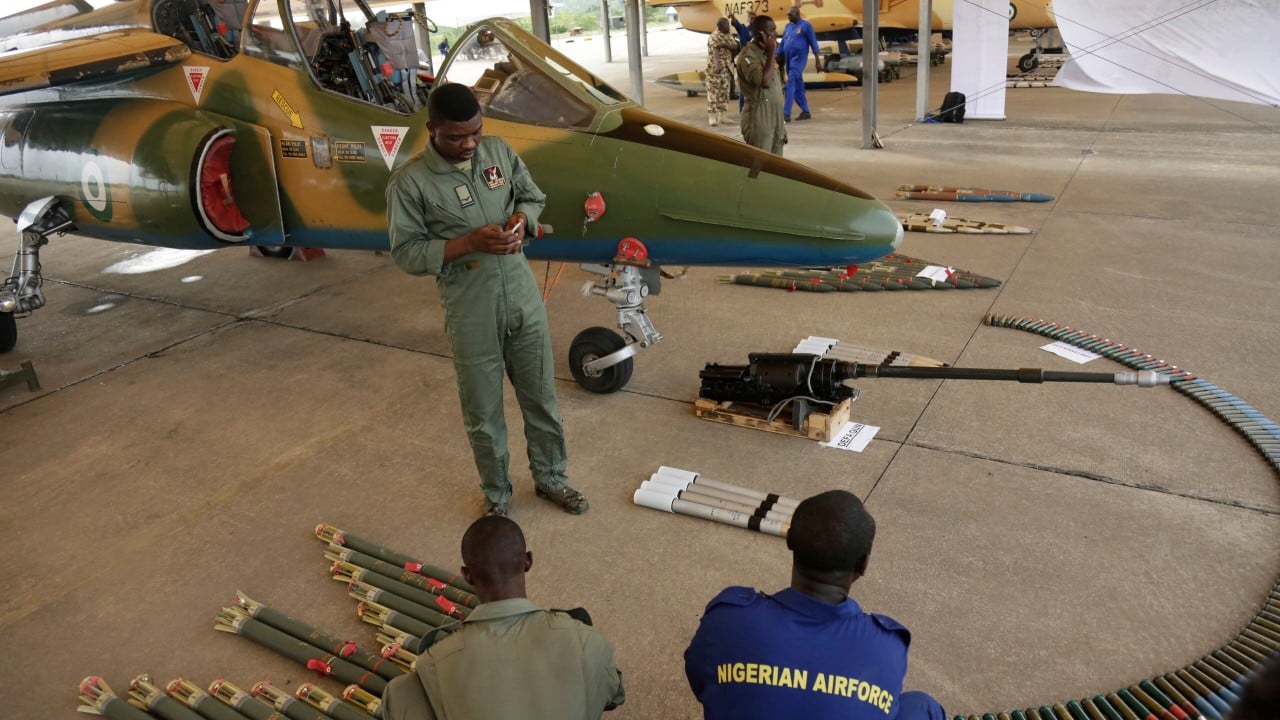
Nigerian Air Strike Hits Village Market, Killing 200
A Nigerian military air strike hit a village market on Saturday night, killing an estimated 200 people. Local officials and residents report the stri...

Hong Kong's Free After-School Care: A Small Step, Not the Solution
Hong Kong’s leader has pledged to expand a free after-school program for low-income families. This follows a visit to a participating school last mon...

Fujimori Leads Peru Vote, But Runoff Likely
Right-wing candidate Keiko Fujimori holds a narrow lead in Peru's presidential election, an early exit poll shows. The Ipsos Peru survey gives Fujim...

Ancient Chinese Map Claims to Rewrite History of World Discovery
A scholar argues that a Chinese world map, not European voyages, began the true Age of Discovery. This challenge to history could reshape modern view...

Chinese Car Exports to Europe Smash 1 Million Mark, Overtake Asian Rivals
Chinese automakers have surpassed one million car exports to Europe for the first time, rapidly gaining market share at the expense of Japanese and K...

Phishing Plunges, But Losses Double in Hong Kong
Hong Kong police report a sharp drop in phishing cases, but a shocking rise in total money lost. Reported phishing scams fell by more than half last...
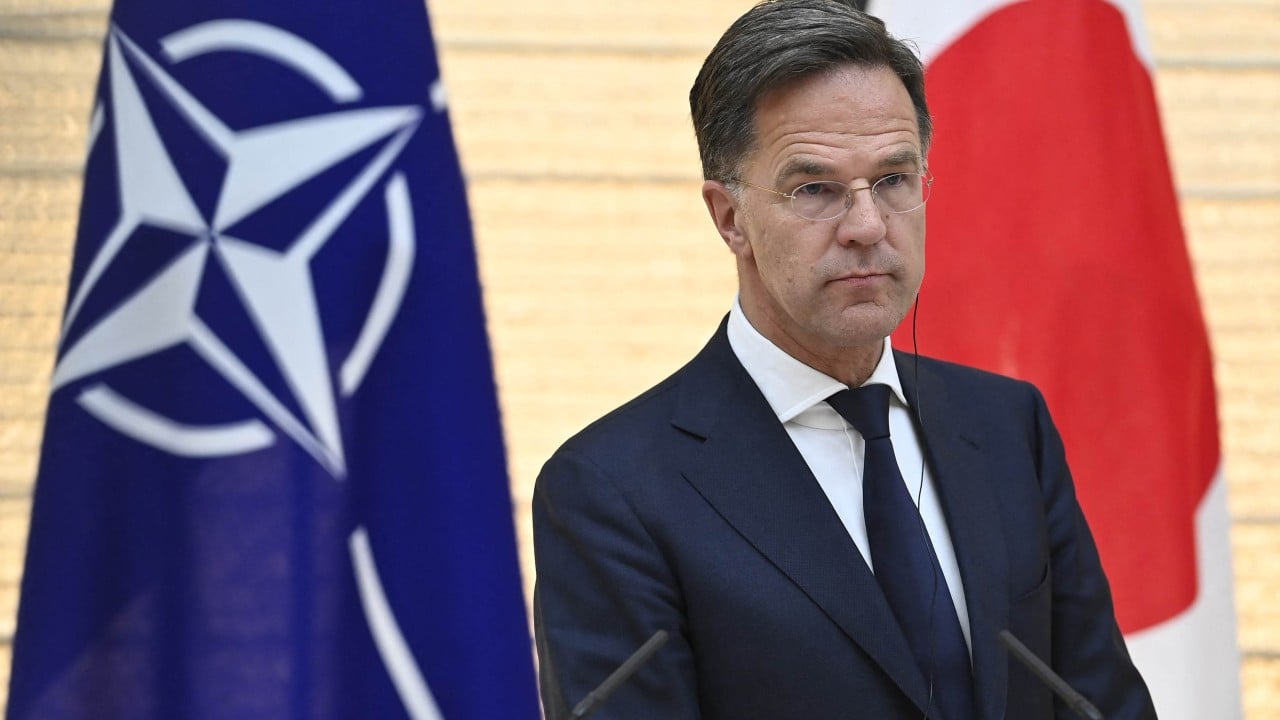
Japan Hosts 30 NATO Envoys Amid US Alliance Fears
Japan will host 30 ambassadors from NATO member states this month. The visit signals a major step in cooperation between Tokyo and the transatlantic...

Hong Kong Braces for Price Surge as Oil Crisis Hits Home
A global oil crisis, driven by conflict in the Middle East, is set to deliver a sharp wave of price increases to Hong Kong. The city already pays the...
Toyota's Robot Hits 3-Pointers, But It's Not for the NBA
Toyota has revealed a major upgrade to its basketball-playing robot. The machine, called CUE, can now sink three-point shots with high accuracy. The...
Malaysia's Quiet Ascent: The Asian Economy Outpacing Its Neighbors
While Asia's economic headlines are often dominated by giants like China and India, a quieter success story is emerging. Malaysia is now projected to...
Indonesia's Stock Market: A $1 Trillion Promise Meets Reality
Indonesia's stock market is under scrutiny. President Joko Widodo has set a bold goal: grow the market's value to $1 trillion by 2025. But current pe...

Japan's SMBC Launches $630 Million Fund with U.S. Giant Neuberger Berman
Sumitomo Mitsui Banking Corporation (SMBC) is launching a major new investment fund with U.S. partner Neuberger Berman. The fund's target is 100 bill...