Latest News
Stay updated with the latest news and articles
Top Stories
Benin's Voters Head to Polls in Two-Candidate Race Dominated by Islamist Threat
Benin's Voters Head to Polls in Two-Candidate Race Dominated by Islamist Threat Voters in Benin are casting ballots in a presidential election defined by a growing cross-border Islamist insurgency and a tightly controlled political field featuring only two candidates. The election on Sunday is widely expected to hand victory to Finance Minister Romuald Wadagni, the chosen successor of outgoing President Patrice Talon [125065]. Wadagni, 49, has managed the country's economy for the past decade and enjoys the full backing of the ruling party and state apparatus [125066][125064]. His sole opponent is Paul Hounkpè, a former minister of culture who leads the Cowry Forces for an Emerging Benin (FCBE) party [125064][125066]. Analysts describe Hounkpè as a moderate representing a segment of the historical opposition that agreed to participate under the current electoral rules, while other groups are boycotting or were barred from running [125064]. The campaign has been overwhelmingly dominated by the urgent issue of security. A spreading Islamist insurgency, fueled by cross-border raids from militant groups based in neighboring countries, is now the top concern for voters [125398]. The violence, which originates from conflicts in the Sahel region to the north, threatens the stability of the West African coastal nation, forcing candidates to focus their platforms on plans to protect civilians and secure borders [125398]. The election follows a period of significant political change in Benin, where opposition parties have faced restrictions, leading to the narrowed candidate list for this vote [125066]. The revised electoral system has been criticized by opponents as being designed to ensure a victory for Talon's political camp [125064]. Final results are expected in the coming days. Islamist Raids from Next Door Now Top Issue in Benin Vote Benin's Finance Minister Favored to Win Presidential Vote Two-Man Race: Benin's Presidential Election Nears Amidst Political Shift One vs. The Machine: Benin's Lone Opposition Candidate Takes on the Favorite

Ceasefire Teeters as Israel's Lebanon Strikes Kill 250, Sparking Regional Crisis
Ceasefire Teeters as Israel's Lebanon Strikes Kill 250, Sparking Regional Crisis A U.S.-brokered ceasefire between Iran and Israel is on the brink of collapse following major Israeli airstrikes in Lebanon that killed over 250 people and injured more than 1,000, marking the deadliest single attack in the ongoing conflict [125042]. The bombardment, which Lebanon has declared a national day of mourning for, directly challenges the fragile truce and has thrown critical peace talks into jeopardy [125011][125042]. The strikes occurred just as U.S. Vice President JD Vance traveled to Pakistan for mediated talks with Iran, aiming to find a resolution to the wider war [125524]. A high-stakes meeting between the United States and Iran opened in Islamabad on Saturday, even as former U.S. President Donald Trump publicly questioned the ceasefire's validity [125483]. Analysts say the U.S.-Iran deal relied on an unwritten understanding: Iran would restrain allied groups like Hezbollah in Lebanon, and the United States would restrain Israel [125011]. Wednesday's large-scale Israeli offensive into Lebanon is seen as a severe breach of that understanding, putting immediate strain on the agreement [125011][125042]. Israeli Prime Minister Benjamin Netanyahu has stated clearly that there is no ceasefire in Lebanon, even as his government approved direct negotiations with Lebanon, expected to take place in Washington next week [125483][125524]. The violence has overshadowed diplomatic efforts and sparked sharply divided reactions within Iran, where citizens expressed both relief and anger over the initial ceasefire announcement [125358]. The regional turmoil is having severe global economic consequences, disrupting key shipping lanes like the Strait of Hormuz—a vital route for oil and gas [125050]. India, which imports most of its cooking gas from the Middle East, has faced immediate shortages and long queues for fuel due to the conflict's disruption of supplies [125050]. The situation remains intensely volatile, with new Israeli strikes reported in Lebanon on Thursday, further imperiling the truce [125042]. All sides are now watching closely for any retaliatory action from Iranian-backed forces, which could shatter the ceasefire entirely and risk a wider regional war [125011]. Vance Flies to Pakistan for Iran Talks as Israel Strikes Lebanon Trump Questions Iran Ceasefire as Critical Peace Talks Begin Lebanon Mourns as Strikes Kill 250, Imperiling Truce U.S.-Iran Ceasefire in Jeopardy After Israeli Strikes in Lebanon Israel Announces Lebanon Talks Amid Iran Accusations Iranians React: Relief and Rage Over U.S.-Israel Ceasefire Deal India's Gas Crisis: How a Distant War Hit 1.5 Billion People
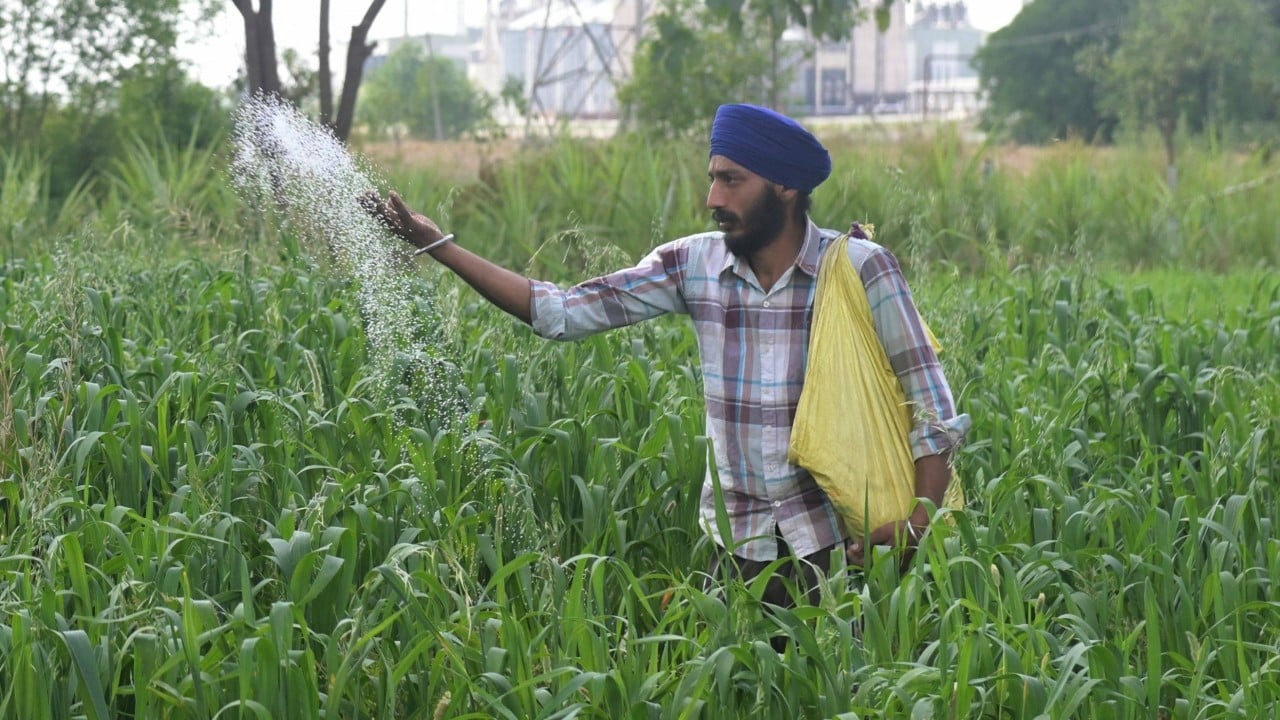

Oil Shock Fears Mount as Fragile Mideast Truce Threatens Global Economy
Oil Shock Fears Mount as Fragile Mideast Truce Threatens Global Economy A fragile ceasefire between the U.S. and Iran is failing to calm global economic fears, with top financial institutions warning that instability in the Middle East is already slowing worldwide growth and could trigger a severe recession. The conflict is creating dangerous uncertainty that is damaging the global economic outlook, according to the head of the International Monetary Fund (IMF). This negative effect persists even with a temporary pause in fighting, as the threat of renewed hostilities keeps markets on edge [125359]. The immediate danger centers on oil. Prices have surged repeatedly, and economists warn the situation could escalate from high prices to a full "oil shock"—a severe physical shortage of supply. Such a shortage would force factories to slow and disrupt transportation networks, doing more damage to the economy than expensive fuel alone [125055]. The recent, fragile ceasefire had offered a brief hope for relief, potentially lowering U.S. gas prices within weeks, but that prospect is fading as the truce weakens [125028]. The economic shockwaves are spreading far beyond the war zone. The Asian Development Bank (ADB) states the conflict presents a "formidable test" for Asia, cutting its growth forecast for developing Asia to 5.1% this year. The bank projects the campaign against Iran will halt the region's recent economic upswing, disrupting key industries like manufacturing and tourism [125429]. Analysts warn the economic damage may last for years, regardless of diplomatic outcomes. The fallout is expected to reshape global trade, sustain high energy costs, and fracture supply chains in a long-term shift mirroring the decade of instability that followed World War I [124481]. Central banks worldwide are now caught in a difficult bind. They must continue fighting inflation, which is worsened by high oil prices, but also avoid crushing economic growth that is already under threat from the conflict [125055]. The key question, economists say, is whether the ongoing oil market turmoil will be the final trigger that tips the global economy into a new recession [125055]. Middle East Conflict Slams Asia's Economic Growth IMF Chief: Iran War Already Hurting Global Economy Oil Shock: Could Fragile Mideast Truce Tip Global Economy Into Recession? Gas Prices to Fall? Iran Ceasefire Could Reshape U.S. Economy Beyond the Battlefield: A War's Economic Shock Could Last for Years

Ukraine Trades Battlefield Drone-Knowledge for Weapons and Gulf Clout
Ukraine Trades Battlefield Drone-Knowledge for Weapons and Gulf Clout Ukraine is leveraging its hard-won combat experience into a strategic barter system, sending its military experts abroad to teach allies how to shoot down drones in exchange for advanced weapons and diplomatic support. In a direct exchange of knowledge for arms, Ukrainian specialists are now deployed to several Gulf states, providing training on countering the specific threat of Iranian-designed drones. These unmanned aerial vehicles (UAVs), similar to the "Shahed" models used extensively by Russian forces against Ukraine, are also a persistent threat to infrastructure and security in the Middle East [112369]. President Volodymyr Zelenskyy confirmed the deployments, stating Ukrainian teams are active in "a half-dozen" countries. The arrangement turns Ukraine's battlefield-tested, cost-effective anti-drone tactics into a valuable diplomatic commodity [112369]. In return, Kyiv is seeking advanced air defense systems, such as Patriot missile batteries, which it urgently needs to defend against relentless Russian missile and drone attacks [112369]. The strategy represents a pragmatic shift, positioning Ukraine not just as an aid recipient but as a provider of critical defense expertise. "The deal is direct: Ukrainian specialists teach Gulf and NATO nations how to shoot down Iranian-made drones. In return, Ukraine receives more weapons and continued financial support," one report outlined [100935]. In a related proposal, President Zelenskyy has offered a broader exchange: the permanent deployment of elite Ukrainian anti-drone units to protect Gulf oil facilities and infrastructure. In return, he has asked Gulf nations, which are major buyers of Russian energy, to use their significant economic leverage to pressure the Kremlin toward peace [91239]. This move highlights two key assets in the geopolitical landscape. Gulf states possess economic influence over Russia, while Ukraine offers unparalleled, real-world expertise in defeating a shared security threat. The exchange ensures a continued flow of arms to Kyiv while simultaneously strengthening the air defenses of allied nations facing similar drone threats [100935][91239]. Ukraine Trades Air Defense Secrets for Gulf's Drone-Killers Kyraine Sells Drone-Knowledge for Weapons Ukraine Offers Gulf States a Deal: Our Drone Hunters for Your Leverage on Russia

Catastrophic Southeast Asia Floods Kill Over 1,400, Displace Millions
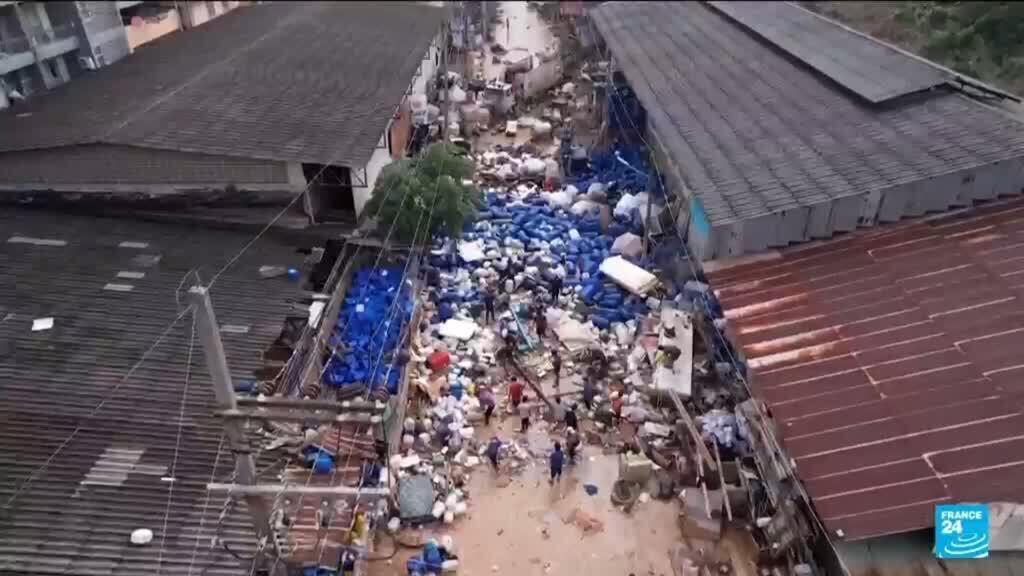
Catastrophic Southeast Asia Floods Kill Over 1,400, Displace Millions A series of devastating floods and landslides, triggered by weeks of exceptionally heavy rainfall, has killed more than 1,400 people and affected millions across Southeast Asia. The catastrophic weather has submerged villages, severed roads, and buried communities, prompting massive international relief efforts. The disaster has hit Indonesia, Sri Lanka, Thailand, and Malaysia with particular force [17624]. In Indonesia, the death toll has reached 995, with rescuers still searching for 226 missing people. Neighboring Sri Lanka reports 640 dead and 211 missing, bringing the combined fatalities across the two nations to over 1,600 [25217]. Millions of citizens have been impacted, with homes, infrastructure, and farmland destroyed [25217]. Southern Thailand has suffered a severe loss of life, with authorities there reporting at least 145 fatalities [14423]. The torrential rains caused rivers to overflow and saturated hillsides, leading to destructive landslides that have complicated rescue operations [14423][17624]. Emergency crews across the affected nations are working to evacuate residents from submerged towns, provide aid to displaced communities, and reach isolated areas [14786][20084]. Authorities are warning of additional dangers, including further landslides and the spread of waterborne diseases in the aftermath [11385]. The full scale of the destruction is still being assessed as response teams focus on delivering emergency shelter, clean water, and medical supplies [17624]. Deadly Floods and Landslides Claim Over 1,400 Lives Across Southeast Asia Massive Floods Kill Over 1,600, Affect Millions in Asia Deadly Floods and Landslides Claim Over 250 Lives in Southeast Asia Southeast Asia Reels From Widespread Flooding Deadly Floods and Landslides Claim Lives Across Southeast Asia Deadly Floods and Landslides Claim Over 1,500 Lives Across Asia

Global Fuel Crisis Deepens as War and Disruption Send Pump Prices Soaring
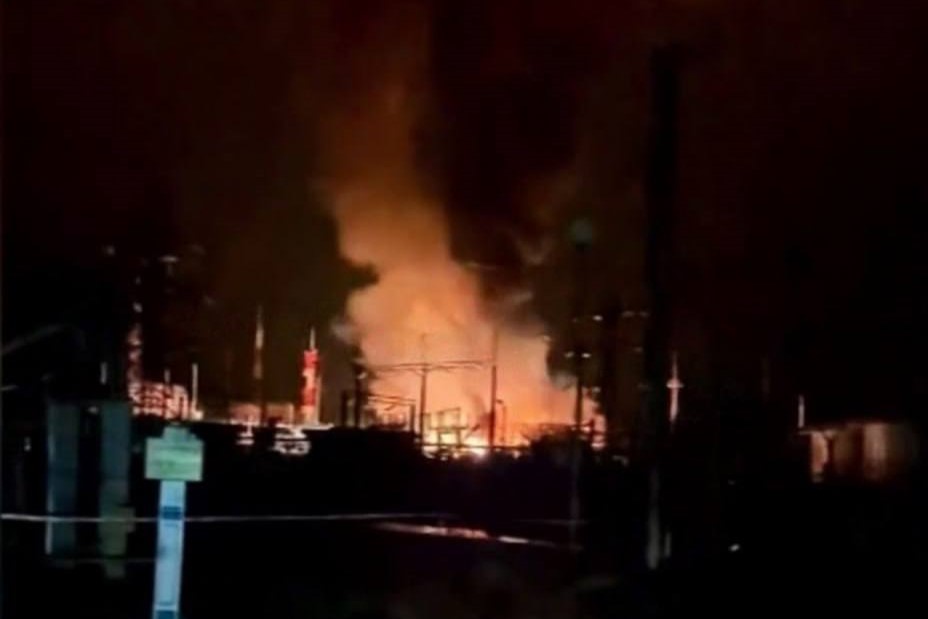
Global Fuel Crisis Deepens as War and Disruption Send Pump Prices Soaring From Beijing to Cape Town, drivers and governments are grappling with a sharp global surge in fuel prices, driven by conflict in the Middle East and attacks on key energy infrastructure, straining household budgets and threatening economic stability. The immediate trigger is ongoing geopolitical tension. The war between Israel and Hamas, and fears over a wider regional conflict, have pushed global oil prices higher as markets worry about supply disruptions from a critical producing region [124783]. This pressure was compounded this week when Ukrainian forces struck the "Krymskaya" oil-pumping station in southern Russia, triggering a major fire and disrupting flows to the vital Novorossiysk export terminal on the Black Sea [125245]. The ripple effects are being felt worldwide. In South Africa, motorists rushed to fill tanks ahead of a record price hike at midnight, with the ongoing conflict blamed for disrupting global supplies [117884]. Despite a government tax cut of 3 rand per litre, consumers still faced one of the steepest pump price increases in the nation's history [117581]. In one metro, Nelson Mandela Bay, fuel companies imposed supply limits and added emergency war surcharges [108127]. In China, the government imposed its biggest fuel price increase of the year at midnight Monday, leading to long queues at stations as drivers like Beijing office worker Frank Jin rushed to beat the hike [109102]. The spike is pushing the transport sector to a breaking point, with trucking companies absorbing unsustainable costs and drivers facing layoffs, threatening gridlock for the nation's supply chains [124488]. The crisis is hitting developing nations particularly hard. Madagascar's president declared a nationwide state of emergency, citing an immediate threat to energy security from critical fuel shortages linked to the global disruption [124747][123851]. In Tanzania, Members of Parliament appealed to the government for immediate tax cuts on imported fuel to curb the soaring costs worsened by the Middle East crisis [125001]. Even in wealthier nations, the pain is acute. Germany has seen petrol prices surge more sharply than its European Union neighbors, a rise directly linked to the Middle East war [124639]. In the United States, drivers saw pump prices rise on Wednesday even as global oil costs fell, a lag experts say should bring relief within weeks if oil remains lower [124333]. Some governments are stepping in with direct aid. Hong Kong announced short-term subsidies and fee waivers for its transport industry to help it cope with the soaring global prices [124594]. The financial strain underscores how geopolitical instability is now a primary driver of everyday living costs for consumers and businesses across the globe. Ukrainian Strike Hits Key Russian Oil Route, Triggers Major Fire Fuel Prices Climb as Gaza Ceasefire Hopes Fade German Gas Prices Surge, Outpacing EU Neighbors Tanzania MPs: Cut Fuel Taxes Now as Prices Soar Madagascar Declares Emergency as Fuel Runs Low South Africa Braces for Record Fuel Price Surge Hong Kong Offers Cash to Transport Sector as Fuel Prices Surge China's Truckers Park Up as Fuel Crisis Bites U.S. Gas Prices Rise Despite Falling Oil Costs Drivers Race to Pumps Ahead of China's Biggest Fuel Price Jump of 2024 South Africa Cuts Fuel Tax, But Drivers Still Hit by Record Price Hike Fuel Limits and War Surcharges Hit South African Metro Madagascar Declares Emergency: No Fuel, Fears of Chaos

Israel and Lebanon Head to Washington as Border Fighting Kills Hundreds
Israel and Lebanon Head to Washington as Border Fighting Kills Hundreds High-level talks between Israel and Lebanon are scheduled in Washington next week, a critical diplomatic effort to prevent cross-border violence from exploding into a full-scale regional war [125525][125253]. The announcement follows a major escalation in fighting that has killed hundreds of people in Lebanon and displaced tens of thousands on both sides of the frontier [125182][125529]. Israeli warplanes struck targets in southern Lebanon linked to the Hezbollah militant group on Thursday, as rocket warning sirens sounded in northern Israel [125529]. Lebanese health authorities reported that Israeli bombardments killed nearly 300 people in a single day this week [125529]. The exchange of fire continues despite international calls to expand a temporary Gaza ceasefire to the Lebanon-Israel front [125529][125078]. The United States will host senior Israeli and Lebanese defense officials, aiming to reduce immediate threats and work toward a diplomatic solution to long-standing border disputes [125253]. Israeli Prime Minister Benjamin Netanyahu has approved the direct negotiations, with a key Israeli goal being to push Hezbollah forces farther from its northern border [125524][125182]. The European Union has separately called for an "urgent cessation of hostilities" in Lebanon, warning the situation at the border is "very dangerous" [125533]. The violence tests a fragile U.S.-brokered ceasefire with Iran, with concerns that the wider truce could collapse [125525]. Canada has urged the United States to explicitly include the Lebanon-Israel conflict in its ceasefire deal with Iran to prevent a broader war [125078]. Israel, Lebanon to Talk in Washington as Ceasefire Falters U.S. to Host Israel-Lebanon Talks as Border Strikes Intensify Israeli Strikes Hit Lebanon, Rockets Target Israel as Truce Calls Ignored Israel Announces Lebanon Peace Talks After Deadly Escalation EU Demands "Urgent" Lebanon Ceasefire, Warns on Key Oil Route Canada Pushes U.S. to Add Lebanon to Iran Ceasefire Deal as Israel Strikes Intensify Vance Flies to Pakistan for Iran Talks as Israel Strikes Lebanon


China Bets Billions on AI and Chips in High-Stakes Tech Race with U.S.
China Bets Billions on AI and Chips in High-Stakes Tech Race with U.S. China is mobilizing vast state resources to achieve self-sufficiency in advanced semiconductors and artificial intelligence, launching a multi-pronged national strategy to break what it calls a U.S. "chokehold" on critical technologies. The push represents a fundamental pivot in China's industrial policy, moving aggressively from absorbing foreign technology to creating its own cutting-edge innovations [59734]. A new national blueprint for 2026-2030 explicitly targets breaking foreign dependencies in strategic industries, directing massive investment toward frontier fields like AI and nuclear fusion [95150]. Central to this effort is a race to manufacture advanced artificial intelligence chips. The eastern province of Zhejiang has announced a five-year plan to produce semiconductors as small as 3 to 7 nanometers, a direct counter to U.S. export controls [51155]. This provincial drive is part of a broader national campaign, with major hubs like Shanghai launching their own multi-billion dollar investment plans. Shanghai's Pudong district recently unveiled over $10 billion in funding for 50 major projects, with a heavy focus on microchips and AI [43531]. At the national level, China has established a new state-backed semiconductor fund worth over $47 billion. The fund's primary goal is to develop advanced domestic equipment for chip manufacturing, an area currently dominated by U.S., Japanese, and Dutch firms [86995]. Parallel to the hardware push, Chinese companies are building large-scale, home-grown AI infrastructure. E-commerce giant Alibaba recently launched one of China's largest computing clusters, built with 10,000 of its own "Zhenwu" AI chips in collaboration with state-owned China Telecom. Company officials emphasized the system is "fully domestic," highlighting the drive to create an independent AI ecosystem [123660]. Analysts note a fundamental split in strategy between the two superpowers. While U.S. artificial intelligence development is largely driven by private market forces, China's approach is defined by state coordination and the systemic integration of AI into national infrastructure and planning [109135]. This state-led model has propelled China to a lead in the volume of AI patents and research papers, though the U.S. maintains an advantage in creating the most advanced AI software models and the specialized chips needed to run them [122661]. The technological competition is redrawing global economic rules, with nations increasingly prioritizing "friend-shoring" of supply chains and domestic manufacturing for national security reasons over pure cost efficiency [123918]. For China, the overarching goal is to transition from a position of technological "catch-up" to one of cutting-edge leadership, reducing reliance on foreign technology and building Chinese companies into global leaders in next-generation industries [59734]. China Targets 3nm AI Chips to Break US "Chokehold" China's New Plan: Beat US Tech Rivals with AI and Fusion Power China's Tech Pivot: From "Catch-Up" to Cutting-Edge AI War: US Bets on Markets, China Bets on Control China Deploys 10,000-Chip AI "Brain" in Tech Race with U.S. U.S. and China Locked in Split AI Race, With Stakes for Global Power China Bets $47 Billion to Break the Chip Barrier Shanghai Bets $10 Billion on Chips and AI in Tech Race AI and Rivalry Redraw the World's Economic Map

Climate Crisis Becomes Daily Reality as Extreme Weather Hammers Globe in 2025
Climate Crisis Becomes Daily Reality as Extreme Weather Hammers Globe in 2025 A relentless barrage of extreme weather throughout 2025 has pushed ecosystems to the brink and transformed climate impacts from distant threats into a disruptive part of daily life, scientists and conservation groups report. From devastating European floods to Antarctic ice loss, the events of the past year are being described as alarm signals of a planet under intensifying stress [36941][49594][36898]. The year was marked by a destructive cycle of climate disasters. Europe faced scorching heatwaves, wildfires, and catastrophic floods, with experts warning that such severe events are becoming the new normal due to human-caused climate change [36941]. In the United Kingdom, major conservation charity the National Trust reported that wildlife and landscapes were pushed to a "breaking point" by a sequence of intense storms, drought, fires, and floods [36898]. Globally, 2025 ranked as the third hottest year on record, but scientists emphasize that the defining story was the series of powerful and costly extreme weather events it unleashed [49594]. This shift signifies that the consequences of climate change are now unfolding in real-time, moving from future projections into present-day reality [37775]. The crisis is having a direct and severe impact on global biodiversity. In a stark example, the U.S. Fish and Wildlife Service declared the emperor penguin an endangered species, citing the loss of Antarctic sea ice from global warming as an existential threat. Scientists project that 99% of emperor penguin populations could vanish by the end of the century without drastic cuts to greenhouse gas emissions [124720]. The interconnected nature of the planetary emergency is exacerbating human suffering. In Eastern Africa, officials have warned that a "triple planetary crisis" of climate change, biodiversity loss, and pollution is directly threatening food security by destroying crops and degrading farmland [91481]. In response to the escalating situation, the United Nations Environment Assembly recently concluded with a strong call for accelerated global action. Delegates committed to strengthening international cooperation to tackle the linked crises of climate change, biodiversity loss, and pollution, emphasizing the need for faster and larger-scale interventions [21446]. Europe's 2025 Weather: A New Normal of Extremes? 2025: The Year the Weather Broke UK Wildlife Pushed to "Breaking Point" by Extreme Weather in 2025 Emperor Penguins Now an Endangered Species 2025: Climate Crisis Becomes Daily Life Triple Planetary Crisis Starves East Africa UN Environment Assembly Demands Urgent Global Action on Climate and Biodiversity


Trump Threatens to Gut NATO Over Iran, Putting 70-Year Alliance on the Brink
Trump Threatens to Gut NATO Over Iran, Putting 70-Year Alliance on the Brink President Donald Trump is threatening to drastically reduce United States support for the North Atlantic Treaty Organization (NATO), citing Europe's reluctance to back America in its conflict with Iran. This move places the 70-year-old military alliance under severe strain and risks fracturing its unity [125219][125443]. Since returning to office, Trump has consistently accused European allies of "free-riding" on American security and demanded they increase military spending [125443]. Analysts now suggest he is using the prospect of a U.S.-Israel war with Iran as a "loyalty test" for the alliance [125443]. The concern is that European members, wary of being drawn into a new Middle Eastern war, may refuse to follow the U.S. lead [125443]. A prominent columnist suggests Trump's attacks may be an attempt to shift blame for United States foreign policy setbacks in the Gulf region onto Europe [125258]. European leaders, initially quiet in their support for the U.S. and Israeli attack on Iran, are now reassessing their reliance on Washington [124661]. The crisis is forcing Europe to take another difficult step toward independence from the U.S. [124661]. A Chinese foreign policy observer warns that a potential U.S.-Israel war with Iran could reduce NATO to a hollow alliance. While a full breakup is seen as unlikely in the near term, such a refusal to follow the U.S. could fundamentally damage NATO's core principle of collective defense, leaving it "nominal" and ineffective in practice [125443]. The standoff with Iran is also impacting the global economy. The Asian Development Bank warns the conflict presents a "formidable test" for Asia's economies, cutting its growth forecast for developing Asia to 5.1% this year and halting a recent economic upswing [125429]. Trump's Iran War Demand Could Fracture NATO, Analyst Warns Trump Threatens NATO Over Iran, Still Wants Greenland Trump Blames NATO for US Setbacks, Analyst Suggests Iran Crisis Forces Europe to Rethink Reliance on Trump Middle East Conflict Slams Asia's Economic Growth
Latest Articles

Sara Duterte Leads 2028 Polls Despite Political Storms
Philippine Vice-President Sara Duterte-Carpio is the clear early favorite for the 2028 presidential election. This is despite a series of major polit...