Oil Shock Fears Mount as Fragile Mideast Truce Threatens Global Economy
Oil Shock Fears Mount as Fragile Mideast Truce Threatens Global Economy A fragile ceasefire between the U.S. and Iran is failing to calm global economic fears, with top financial institutions warning that instability in the Middle East is already slowing worldwide growth and could trigger a severe recession. The conflict is creating dangerous uncertainty that is damaging the global economic outlook, according to the head of the International Monetary Fund (IMF). This negative effect persists even with a temporary pause in fighting, as the threat of renewed hostilities keeps markets on edge [125359]. The immediate danger centers on oil. Prices have surged repeatedly, and economists warn the situation could escalate from high prices to a full "oil shock"—a severe physical shortage of supply. Such a shortage would force factories to slow and disrupt transportation networks, doing more damage to the economy than expensive fuel alone [125055]. The recent, fragile ceasefire had offered a brief hope for relief, potentially lowering U.S. gas prices within weeks, but that prospect is fading as the truce weakens [125028]. The economic shockwaves are spreading far beyond the war zone. The Asian Development Bank (ADB) states the conflict presents a "formidable test" for Asia, cutting its growth forecast for developing Asia to 5.1% this year. The bank projects the campaign against Iran will halt the region's recent economic upswing, disrupting key industries like manufacturing and tourism [125429]. Analysts warn the economic damage may last for years, regardless of diplomatic outcomes. The fallout is expected to reshape global trade, sustain high energy costs, and fracture supply chains in a long-term shift mirroring the decade of instability that followed World War I [124481]. Central banks worldwide are now caught in a difficult bind. They must continue fighting inflation, which is worsened by high oil prices, but also avoid crushing economic growth that is already under threat from the conflict [125055]. The key question, economists say, is whether the ongoing oil market turmoil will be the final trigger that tips the global economy into a new recession [125055]. Middle East Conflict Slams Asia's Economic Growth IMF Chief: Iran War Already Hurting Global Economy Oil Shock: Could Fragile Mideast Truce Tip Global Economy Into Recession? Gas Prices to Fall? Iran Ceasefire Could Reshape U.S. Economy Beyond the Battlefield: A War's Economic Shock Could Last for Years
Articles in this Cluster
Title: Africa's $824 Billion Debt Crisis: A "Ticking Time Bomb" for the World

Middle East Conflict Slams Asia's Economic Growth

IMF Chief: Iran War Already Hurting Global Economy

Oil Shock: Could Fragile Mideast Truce Tip Global Economy Into Recession?

Africa's Secret Economy: The $1 Trillion Investment Opportunity

Gas Prices to Fall? Iran Ceasefire Could Reshape U.S. Economy
Beyond the Battlefield: A War's Economic Shock Could Last for Years
World Bank Warns: Southeast Asia's Economic Engine to Downshift by 2026

2026 Economy: Five Critical Questions
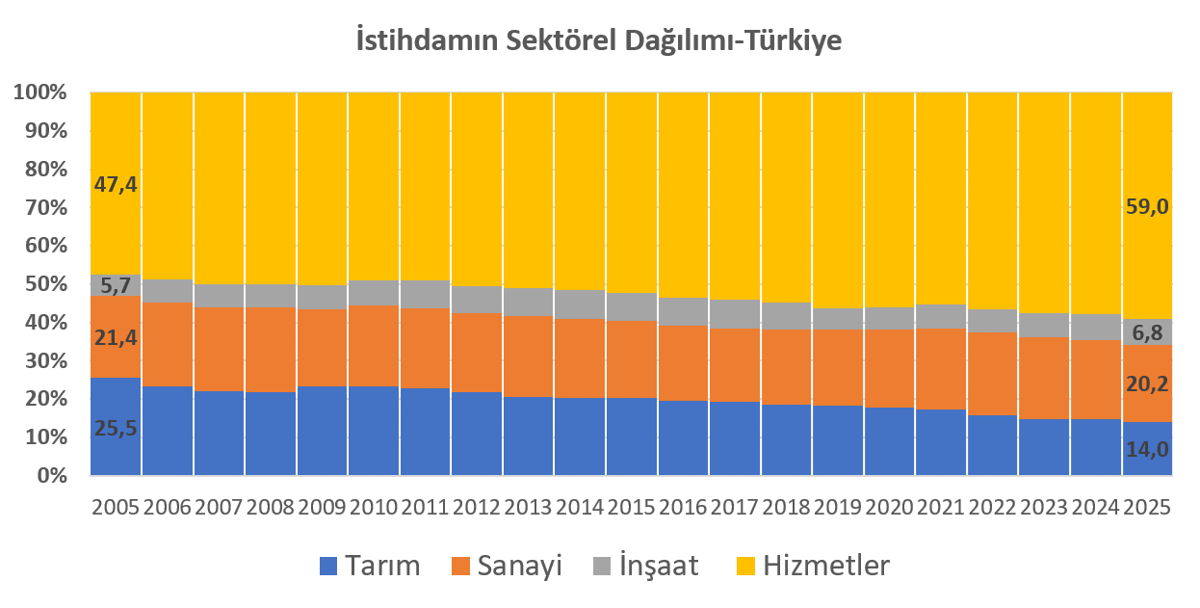
Farm Jobs Vanish, Widening Inequality in Turkey's East

Global Trade is Being Rewired, Just Like Finance Was
Botswana Shakes Up Land Rules: From Counting Plots to Creating Jobs
Trump's Venezuela "Loot" Plan Risks U.S. Economic Power
Economics in 2024: A Strange Brew of Tariffs, AI, and "Vibecession"