Latest News
Stay updated with the latest news and articles
Top Stories
Get Fit, Not Hurt: How Extreme Exercise Trends Are Sending Young People to the Hospital
Get Fit, Not Hurt: How Extreme Exercise Trends Are Sending Young People to the Hospital A surge in extreme and unsupervised fitness trends, particularly among young adults, is causing severe health injuries and alarming medical professionals worldwide. From dangerous viral challenges to self-imposed intense regimens, doctors warn that the pursuit of health is backfiring with cases of spinal damage, hormonal collapse, and permanent injury. In China, a hazardous trend known as "neck-hanging" has spread rapidly online. Participants suspend their full body weight by their head from tree branches, attempting to mimic professional cervical traction therapy [122710]. Medical experts urgently warn the practice can cause ligament damage, paralysis, and even stroke. The trend follows a national report indicating over 200 million people in China suffer from cervical spine disorders, with more than 40% of patients under age 30 [122710]. Similarly, extreme workout routines are leading to serious internal health crises. A 23-year-old woman in China stopped menstruating after an intense regimen of six workouts per week caused rapid weight loss [46995]. Hospital tests revealed her female hormone levels were comparable to those of a 50-year-old, and she was diagnosed with symptoms of kidney deficiency, requiring immediate cessation of all exercise and significant medical intervention [46995]. Health professionals stress that effective fitness does not require extreme measures. Experts advocate for simpler, evidence-backed approaches, arguing that consistency with basic exercises like brisk walking, body-weight strength training, and scheduled movement is far more sustainable and safer than dangerous trends or unsustainable intensity [37303][49278]. The focus, they say, should be on smarter, controlled exercise rather than harder, risky模仿 (imitation) of medical procedures or pushing the body to its breaking point [37303][122710]. Dangerous "Neck-Hanging" Trend Alarms Doctors in China Young Woman's Extreme Fitness Halts Her Periods Forget the Gym: Three Simple Shifts for a Fitter 2026 Forget Wellness Trends: A Doctor's Six Rules to Cut for Real Health


U.S. Forces Seize Venezuelan President Maduro in Unprecedented Cross-Border Raid
U.S. Forces Seize Venezuelan President Maduro in Unprecedented Cross-Border Raid In a dramatic escalation, U.S. military forces captured Venezuelan President Nicolás Maduro in a surprise operation in Caracas, marking the first direct American military attack on a South American nation and sending shockwaves across the region [41064]. The detained leader, now held in New York, is set to face drug trafficking charges in a U.S. federal court [41880]. President Donald Trump announced the capture, stating the U.S. would oversee Venezuela's government and vowing that "American dominance in the western hemisphere will never be questioned again" [41064]. The precision strike, which also detained Maduro's wife, was executed without the consent of the Venezuelan government, an act described by analysts as an "extraterritorial apprehension" [47297]. The operation has exposed a deep political rift among Latin American nations. Governments historically critical of Maduro, including Colombia and Brazil, have offered cautious support, while others like Mexico and Bolivia have condemned it as a blatant violation of international law and sovereignty [47297]. This public division, however, masks a private anxiety shared by leaders across the political spectrum, who are now urgently assessing their own vulnerability to similar foreign interventions [47126]. Analysts warn the move aggressively revives the long-dormant Monroe Doctrine, a U.S. policy opposing foreign powers in the Americas, and is intended to challenge China's rapidly expanding economic and diplomatic influence in the region [41460]. China has become the leading trading partner and lender for many South American nations in recent years [45747]. The capture of Maduro, a key Chinese partner, is seen as a direct test of Beijing's regional partnerships and a signal to other nations considering deeper ties with China [41460]. The United Nations Security Council has called an emergency meeting at Venezuela's request to address the incident [41880]. The action represents a stark return to a century-old pattern of U.S. intervention to remove Latin American leaders perceived as adversaries, a strategy with a mixed record of creating lasting stability [41465]. The precedent set by this operation has fundamentally altered the geopolitical landscape, forcing every capital in the hemisphere to re-examine its relationships with Washington and its own domestic political opponents [47126]. U.S. Capture of Venezuela's Maduro Sends Shockwaves Through Latin America U.S. Capture of Maduro Sends Shockwave Through Latin America U.S. Captures Venezuela's Leader, Challenging China's Regional Reach Venezuela's President Seized by U.S., Faces Court in New York Trump Revives US Habit of Ousting Latin American Leaders Trump Orders First Direct US Military Attack on South America
U.S.-Iran War Serves as Real-Time Military Classroom for China and the World
U.S.-Iran War Serves as Real-Time Military Classroom for China and the World The ongoing conflict between the United States, Israel, and Iran is being closely studied by global military strategists, with China emerging as a primary observer analyzing American capabilities and the new realities of modern warfare [123483]. Military analysts report that the war is a live demonstration of evolving combat, defined by the extensive use of drones, precision-guided missiles, and cyber attacks that blur the lines between military and civilian targets [122761]. For China, the engagement provides critical data on U.S. military resilience, including how America manages its stockpiles of advanced munitions and the strain on its defense industrial supply chains during a sustained conflict [123483]. The conflict's impact extends beyond the battlefield, destabilizing global energy security and testing international alliances [123483]. Experts conclude that the tactical and strategic lessons learned from this war will shape how future conflicts are planned and fought by nations worldwide, regardless of the conflict's eventual outcome [122761][123483]. U.S.-Israel War on Iran: A Real-Time Lesson for China Iran War: A Live Blueprint for Modern Conflict
Governments Unleash 10,000+ Homes in Crackdown on Vacation Rentals and Red Tape
Governments Unleash 10,000+ Homes in Crackdown on Vacation Rentals and Red Tape Facing a severe shortage of affordable housing, governments from Hawaii to the Netherlands are taking direct action, seizing thousands of properties from the tourist rental market and slashing construction rules to "flood the market" with new homes [61634][100991]. In the most aggressive move, Hawaii's governor has ordered the conversion of 10,000 short-term rental units into local housing. The plan will use new laws and tax rules to force condos and houses currently used for tourist vacations back into the long-term rental market for residents [61634]. Officials blame the large number of platforms like Airbnb for driving up prices and driving local workers out, creating a crisis in the tourism-dependent state [39353]. A similar dynamic is playing out in Cape Town, South Africa, where a boom in luxury villas and short-term rentals for tourists in scenic coastal areas is pushing residents to distant outskirts. This has created stark divides, with multi-million dollar homes standing next to informal metal shacks, as locals are priced out of their own city [117472]. Meanwhile, in the Netherlands, the new housing minister—a former top military officer—has been given a mission to build 100,000 homes a year to tackle one of Europe's worst shortages [108952]. Her strategy is to cut complex regulations and speed up a notoriously slow planning process. "Luxury takes time. We don’t have time," she stated, aiming to break the current construction deadlock [108952]. This push to boost supply is echoed in the United States, where the Senate has passed the most significant housing bill in decades with strong bipartisan support [100719]. The core of the legislation, according to sponsor Senator Elizabeth Warren, is simple: "It will bring down housing costs by just having more of it" [100991]. The package aims to increase construction and help first-time buyers, though it now faces an uncertain path in the House of Representatives [100719]. The combined actions represent a growing governmental response to a global affordability crisis, directly targeting the conversion of housing from tourist assets to resident homes and removing barriers to new construction. Hawaii to Seize 10,000 Vacation Rentals in Housing Crisis Move Tourism Boom Pushes Workers Into Illegal Homes Tourists in Luxury, Locals in Shacks: Cape Town's Coastal Divide From Battlefield to Building Sites: Ex-General Takes On Dutch Housing Crisis Senate Passes Bill to "Flood the Market" with New Homes U.S. Senate Passes Major Housing Bill, But House Hurdle Looms

Markets Soar, Richest Gain $265 Billion as U.S.-Iran Ceasefire Eases War Fears
Markets Soar, Richest Gain $265 Billion as U.S.-Iran Ceasefire Eases War Fears Global financial markets surged and oil prices crashed this week following the announcement of a ceasefire between the United States and Iran, delivering a massive windfall to the world's wealthiest individuals and temporary relief from fears of a wider Middle East war. The world's 500 richest people saw their combined fortunes jump by $265 billion in a single day, marking the second-largest daily wealth increase on record, as stock markets rallied on the news [124364]. Major U.S. indexes soared, with the Dow Jones Industrial Average rocketing over 1,000 points in one session and posting gains of up to 2.85% [124317][124377]. The S&P 500 climbed about 3%, marking one of its best trading days of the year [124188]. The immediate trigger was President Donald Trump's confirmation of a two-week "humanitarian pause" in hostilities, a move that investors immediately interpreted as a major reduction in geopolitical risk [124086][124524]. In a pattern some traders call the "TACO trade"—an acronym for "Trump Always Chickens Out"—markets rebounded sharply from earlier losses based on the expectation that initial threats would de-escalate [124317]. The ceasefire news triggered a dramatic reversal in key commodities. The price of Brent crude oil, a global benchmark, plummeted by over 3%, reflecting expectations that the critical Strait of Hormuz would reopen and Middle Eastern oil supplies would stabilize [123644][124086]. The sharp drop in oil prices boosted sectors like airlines and shipping, which benefit from lower fuel costs [123644]. Analysts warned that the rally was driven by relief rather than a permanent solution. "The ceasefire is a pause, not a peace deal," said a senior strategist in Singapore [124578]. Experts note the underlying energy crisis, exacerbated by damage to regional infrastructure, remains unresolved and could keep supplies tight for years [124341]. For now, the market's "fear gauge," the VIX index, fell sharply by 18.39%, signaling a dramatic drop in investor anxiety [124377]. The focus now shifts to whether the temporary truce can hold and lead to a more durable de-escalation. World's Richest Gain $265 Billion in One Day on Peace Hopes TACO Trade: Investors Bet Trump Will "Chicken Out" Markets Soar as Iran Tensions Ease Markets Surge 3% on Gaza Ceasefire Deal Iran Ceasefire Sends Stocks Soaring, Oil Crashing Markets Surge as U.S.-Iran Ceasefire Declared Markets Surge as US-Iran Tensions Ease Markets Hold Breath as Middle East Ceasefire Holds Markets Surge as U.S. and Iran Agree to Ceasefire Markets Surge as U.S.-Iran Ceasefire Eases Oil Fears Oil Prices Plunge on Ceasefire, But Energy Crisis Deepens

Russia Pushes Sanctions-Busting Energy Deals to Fund Prolonged War
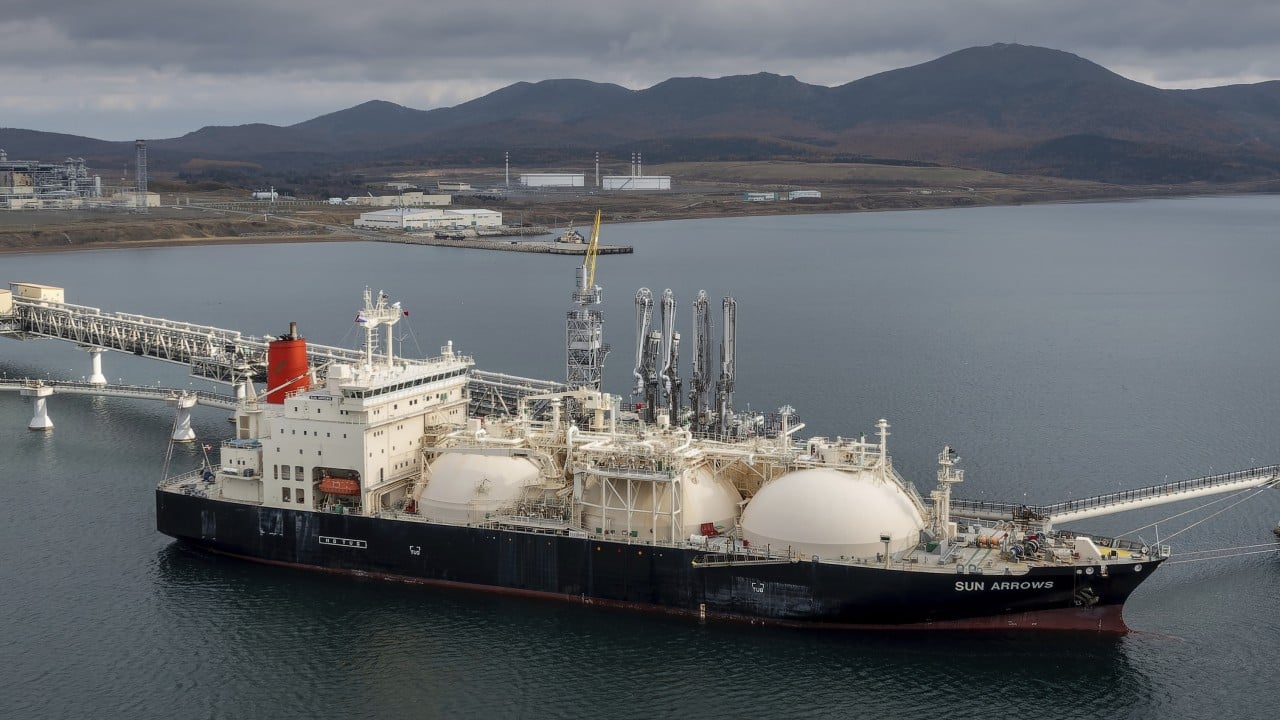
Russia Pushes Sanctions-Busting Energy Deals to Fund Prolonged War Russia is aggressively pursuing discounted energy sales and strategic resource grabs abroad to fund its military campaign in Ukraine, as Western sanctions strain its economy and force creative financial maneuvers. In a direct move to circumvent sanctions and generate revenue, Russia is offering liquefied natural gas (LNG) to South Asian nations at a steep 40% discount [124585]. The fuel is being marketed from U.S.-sanctioned export projects through obscure trading firms in China and Russia, targeting energy-starved countries with a tempting deal for vital supplies. This strategy aligns with a reported request from President Vladimir Putin to Russian oligarchs for direct donations to support the military budget, highlighting growing financial pressure from the war [112938]. Russia's defence spending surged by 42% last year, widening the budget deficit as sanctions force it to sell oil at a discount [112938]. Simultaneously, Russia is securing long-term strategic assets. In Africa, a Russian state-owned mining company finalized a major deal with Mozambique, gaining extensive rights to mine critical minerals like cobalt and graphite—essential for electric vehicles and electronics—and securing operational control over the deep-water Port of Pemba on the Indian Ocean [123980]. Major economies are testing the sanctions regime. At least two Japanese trading houses are considering resuming imports of Russian aluminum, motivated by long-term supply security worries despite Western efforts to isolate Moscow [124189]. While Japan voluntarily stopped buying after the invasion, a return would signal cracks in the international front. Analysts note that Putin shows no sign of relenting strategically, indicating a commitment to a prolonged conflict despite the economic strain [17910]. This determination is partly funded by resilient energy income; higher global oil prices have doubled the Kremlin's oil revenue since May [123062]. In response, Ukraine has expanded its campaign to strike at Russia's economic lifeline, intensifying drone attacks on Baltic Sea oil ports that handle 40% of Russia's crude exports [123062]. The goal is to disrupt the revenue funding the war and the purchase of Iranian weapons systems [123062]. Russia Offers Secret 40% LNG Discount to South Asia Putin Seeks Oligarch Donations to Fund War as Defence Budget Strains Russia Secures Key Minerals, Strategic Port in Africa Japan May Turn to Russian Aluminum, Testing Sanctions Resolve Putin Signals Long War in Ukraine Amid Economic Strain Ukraine Strikes Russian Oil, Targeting Iran's War Profits
Democrats Mount Push to Oust Trump Via 25th Amendment Following Capitol Riot
Democrats Mount Push to Oust Trump Via 25th Amendment Following Capitol Riot A group of Democratic lawmakers is urgently calling for the removal of President Donald Trump from office, demanding Vice President Mike Pence immediately invoke the 25th Amendment. The push follows last week's violent breach of the U.S. Capitol by a mob of the president's supporters [124350]. Critics within the party label the president's actions as dangerous and unstable, arguing his continued focus on disputing the 2020 election result demonstrates he is unfit to serve. The effort to declare the president unable to discharge his duties is gaining momentum as a constitutional alternative to a second impeachment [124350]. The political pressure has not been slowed by other foreign policy developments, including the president's announcement of a new agreement with Iran. The focus in Washington remains squarely on the transition of power and preventing further instability [124350]. Simultaneously, a senior Democratic congressman has publicly called on Trump to use his influence with Israeli Prime Minister Benjamin Netanyahu to halt military strikes in Lebanon, arguing the former president must act to prevent a wider regional war [124365]. This separate appeal underscores the ongoing political concerns over Trump's perceived sway with allied governments even as domestic calls for his removal intensify. Democrats Move to Remove Trump Via 25th Amendment US Lawmaker to Trump: Stop Netanyahu's War in Lebanon


Europe Scrambles for Independence as U.S. Pressure Intensifies
Europe Scrambles for Independence as U.S. Pressure Intensifies European leaders are urgently seeking to reduce the bloc's reliance on the United States, as a series of reports and statements warn of aggressive American efforts to dominate its allies and reshape the global order. Facing what one senior official called an "ideological attack" on its social model, Europe is attempting to build its own alliances and industrial base to counter Washington's influence [78938]. The pressure is multifaceted. A new analysis from the Centre for European Reform claims the U.S. is using a "pincer attack" strategy, coordinating with Silicon Valley tech giants and leveraging Europe's need for American military protection to force policy changes [44570]. This digital dependence is a critical vulnerability; despite threats of regulation, Europe relies on U.S. companies for essential cloud computing, software, and payment systems [58167]. Militarily, the cost of true independence is staggering. Outgoing Dutch Prime Minister Mark Rutte estimated that for Europe to build a fully autonomous "war-winning" defense industry, it would need to spend up to €1 trillion, or 10% of its economic output [60363]. Instead, the immediate focus is on strengthening a European pillar within the NATO alliance to deter Russia, while longer-term plans involve forming a "hedging alliance" with Indo-Pacific nations to avoid over-reliance on any single global power [123271] [60363]. Economically, the transatlantic rift is widening. The U.S. is doubling down on fossil fuel production, while Europe is beginning to cash in on its green energy transition, generating savings and greater energy independence [88037]. However, Europe's own spending to shield citizens from high energy prices has triggered a warning from the European Union's Economy Commissioner, who cautioned that "excessive" national bailouts risk a new fiscal crisis [121783]. The geopolitical friction extends to direct conflicts of interest. European and Canadian leaders recently united to support Greenland against potential U.S. expansionism, responding to a reported U.S. policy stance—dubbed the "Donroe Doctrine"—that asserts American control over Latin American resources [43628]. Furthermore, European capitals are quietly protesting but taking no forceful action against potential U.S. moves toward war with Iran, despite recognizing the severe threat such a conflict would pose to European security and energy supplies [116413]. Analysts argue the European Union is dangerously unprepared for this new era, having relied too heavily on regulation instead of building tangible economic and military power [69895]. The bloc is now in a race to prove its global relevance by forging its own path, balancing its crucial alliance with Washington against an urgent need for strategic autonomy. EU Seeks New Allies to Counter U.S.-China Rivalry US Tech Giants and White House Ally to Pressure EU, Report Warns Belgian Minister: U.S. Waging "Ideological Attack" on Europe Europe's €1 Trillion Question: Can It Buy Military Independence? Europe's Digital Dilemma: Reliant on US Tech It Seeks to Curb U.S. Doubles Down on Fossil Fuels as Europe Cashes In on Green Energy Trump Era Demands "Political Adults" in EU, Analysts Warn US "Donroe Doctrine" Sparks Global Alarm: "Resources Belong to Us" Europe's Muted Response to Iran War Threatens Its Own Security

AI Set to Reshape Over Half of U.S. Jobs by 2027, Studies Find
AI Set to Reshape Over Half of U.S. Jobs by 2027, Studies Find A series of new analyses concludes that artificial intelligence (AI) is poised to fundamentally change the majority of American jobs within the next three years, though not necessarily eliminate them. Research from the Boston Consulting Group estimates that AI will "reshape" 50% to 55% of U.S. jobs by 2027, altering the fundamental nature of work tasks [124525]. A separate study reinforces this finding, stating AI will impact more than half of all jobs, primarily by transforming how the work is done rather than causing mass unemployment [123388]. Experts clarify that this shift represents a significant evolution in the workplace, not a wave of outright job destruction. Most affected roles will see tasks augmented or altered by AI tools, requiring workers to adapt and collaborate with new technologies [124525][123388]. This transformation is expected to touch a wide range of professions, from administrative to technical fields [123388]. The rapid pace of this technological change presents both challenges and opportunities for the national workforce. The research highlights an urgent need for training and adaptation programs to help workers navigate the evolving landscape [124525][123388]. AI to Reshape Over Half of U.S. Jobs by 2027, Study Says AI Will Reshape Most U.S. Jobs, Not Replace Them, Study Finds

Turkey Assumes Command of Major NATO Naval Force, Leads Major Drills with Homegrown Tech
Turkey Assumes Command of Major NATO Naval Force, Leads Major Drills with Homegrown Tech Turkey has taken command of a critical NATO naval strike force and is deploying thousands of troops and domestically built technology for the alliance's largest military exercises this year, underscoring its active role in Western security structures. The Turkish Naval Forces formally assumed leadership of the NATO Amphibious Task Force and its Landing Force Command on July 1, a role it will hold for one year [54453]. This command position places Turkey in charge of planning and leading NATO's amphibious exercises and potential missions in the region [54453]. Concurrently, Turkish forces are deeply involved in major NATO war games. The first Turkish military aircraft have landed in Germany, deploying approximately 2,000 troops to participate in the Steadfast Defender 24 drills, NATO's biggest exercise for 2024 [70222]. In a separate, large-scale drill called Steadfast Dart 2026, Turkish naval and army units are conducting complex joint amphibious operations in Germany, showcasing the country's own domestically produced defense platforms [80228]. These exercises are designed to test the alliance's ability to rapidly deploy forces and operate together in a crisis [80228]. Turkey's prominent role, both in command and on the ground, highlights its strategic military contribution to the bloc. Turkey Assumes Command of Key NATO Naval Strike Force **NATO's Biggest 2024 Drill Begins with Turkish Troops Landing in Germany** Turkish Forces Deploy Homegrown Tech in Major NATO Drill
Latest Articles

China's Citic Tops Asia-Pacific Bank Fees as IPO Surge Defies Market Slump
Investment banking fees in Asia-Pacific, excluding Japan, fell 5% to $5.3 billion in early 2026. However, a surge in stock market listings in mainlan...
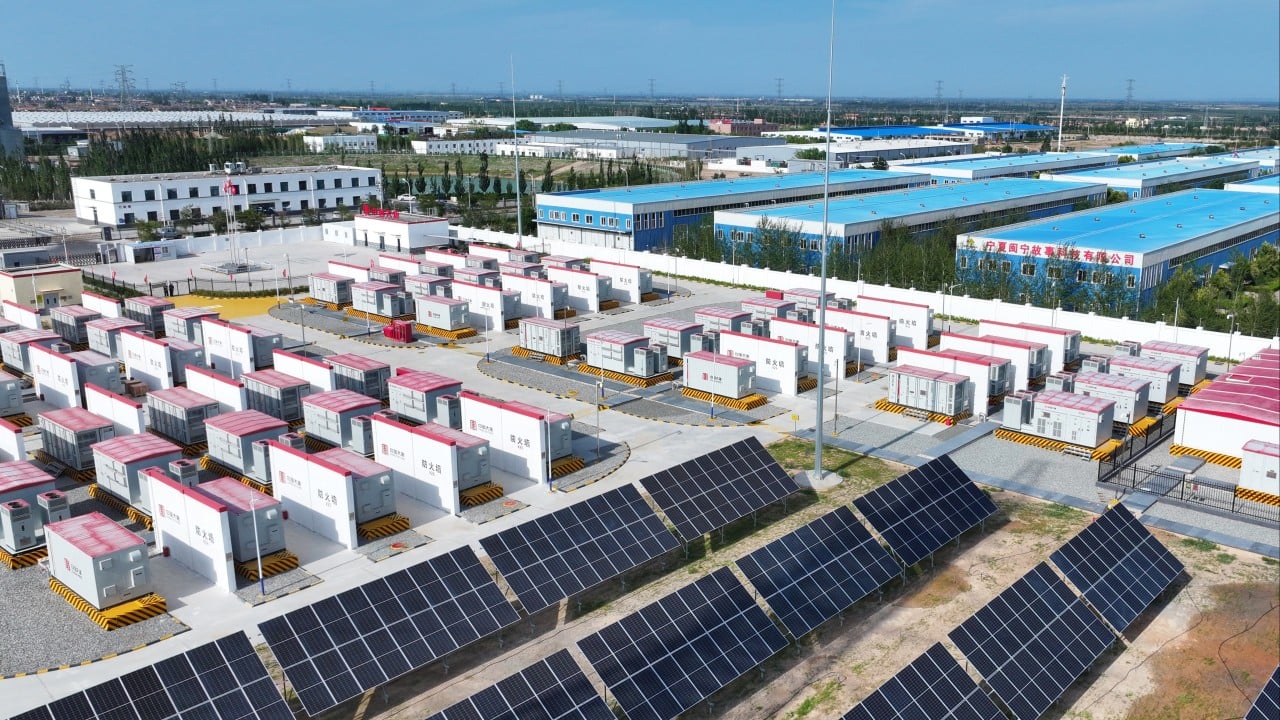
China's Energy Storage Exports Surge Amid Middle East War Fears
A widening war in the Middle East is fueling global demand for Chinese energy storage technology, industry experts say. New customs data shows a sha...

One OK Rock Abruptly Cancels Hong Kong Shows, Fans Stunned
Japanese rock band One OK Rock has canceled its two Hong Kong concerts scheduled for early May. The group cited "unforeseen circumstances" but gave n...
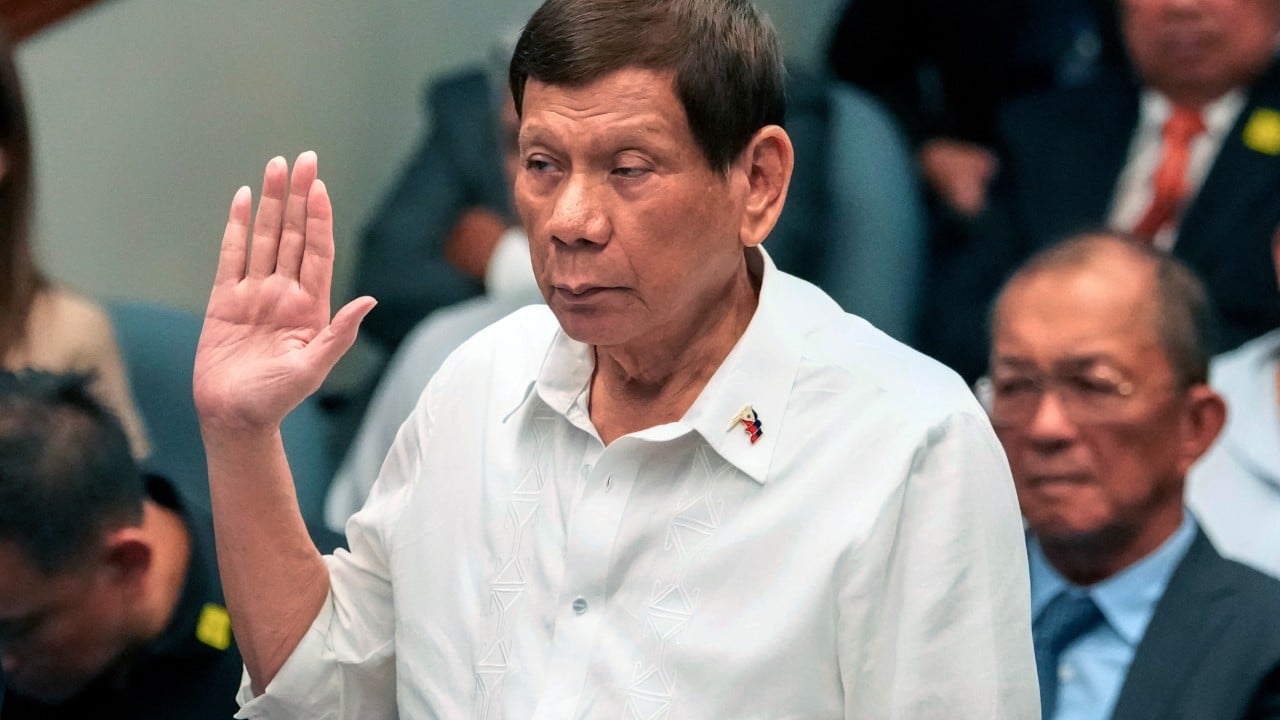
ICC to Rule on Duterte Trial for Drug War Killings
The International Criminal Court (ICC) will decide by April 28 whether to put former Philippine President Rodrigo Duterte on trial. He faces charges...

Trade, Not Investment, on Table for Trump-Xi Summit
The upcoming meeting between U.S. President Donald Trump and China's President Xi Jinping will focus narrowly on trade issues, America's top trade of...

China Probes "National-Level Bullying" of Olympic Diver Quan Hongchan
Chinese authorities have launched a major investigation into organized online bullying targeting Olympic diving champion Quan Hongchan. The probe wi...
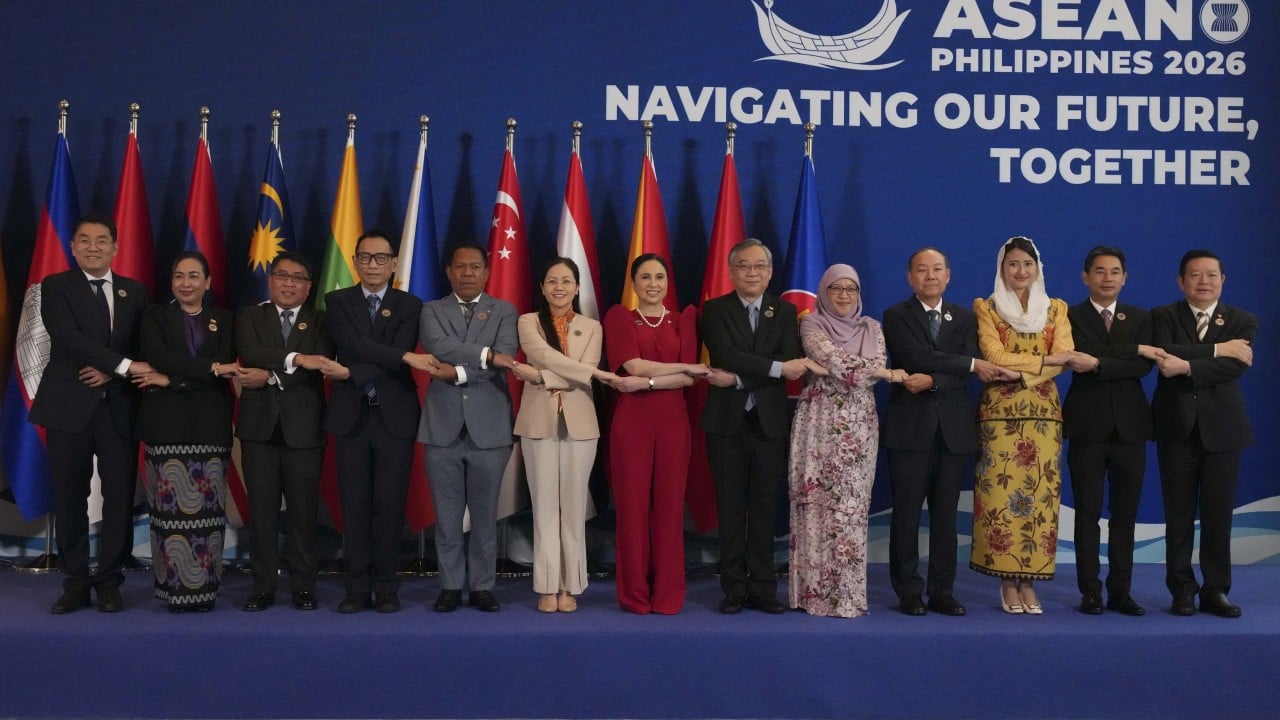
US Assures ASEAN of Support Despite Iran War Fallout
A former top US diplomat says America remains a dependable ally for Southeast Asia, despite economic pain caused by its war with Iran. Ambassador Da...
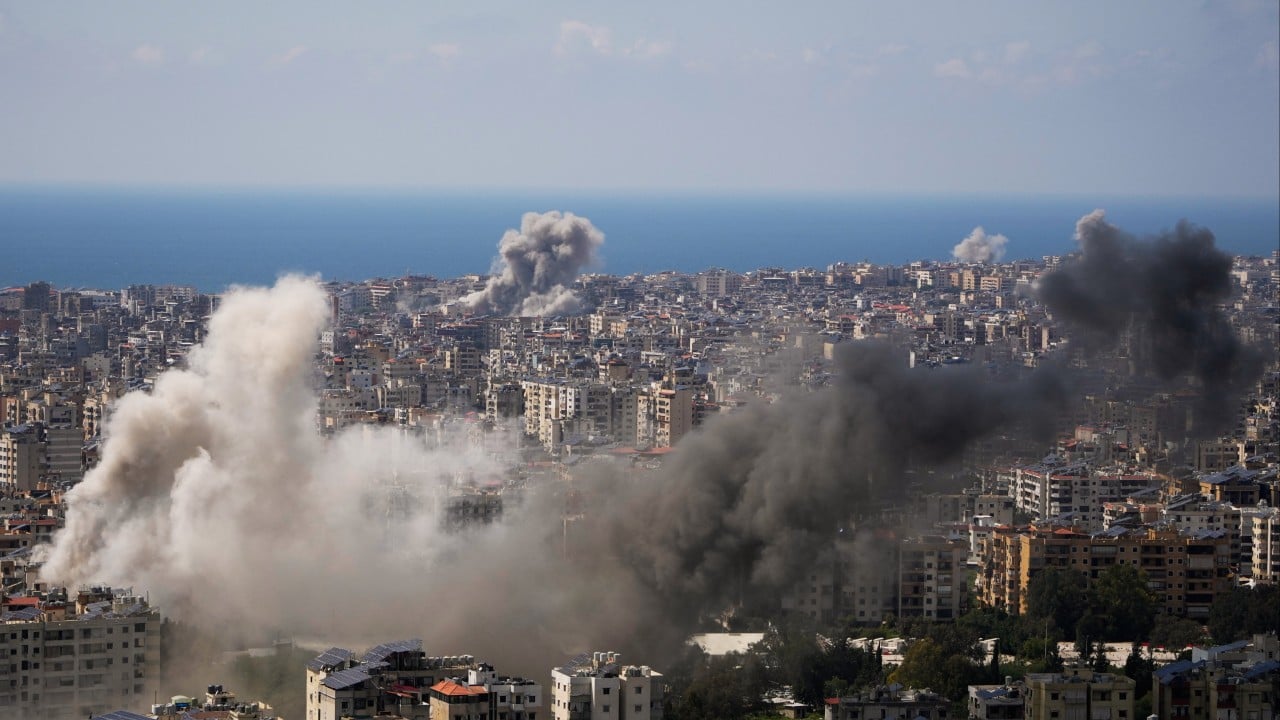
Iran Re-Closes Vital Strait, Testing Fragile US Truce
Iran has closed the Strait of Hormuz again, putting new pressure on its shaky ceasefire with the United States. Analysts say this move is serious but...
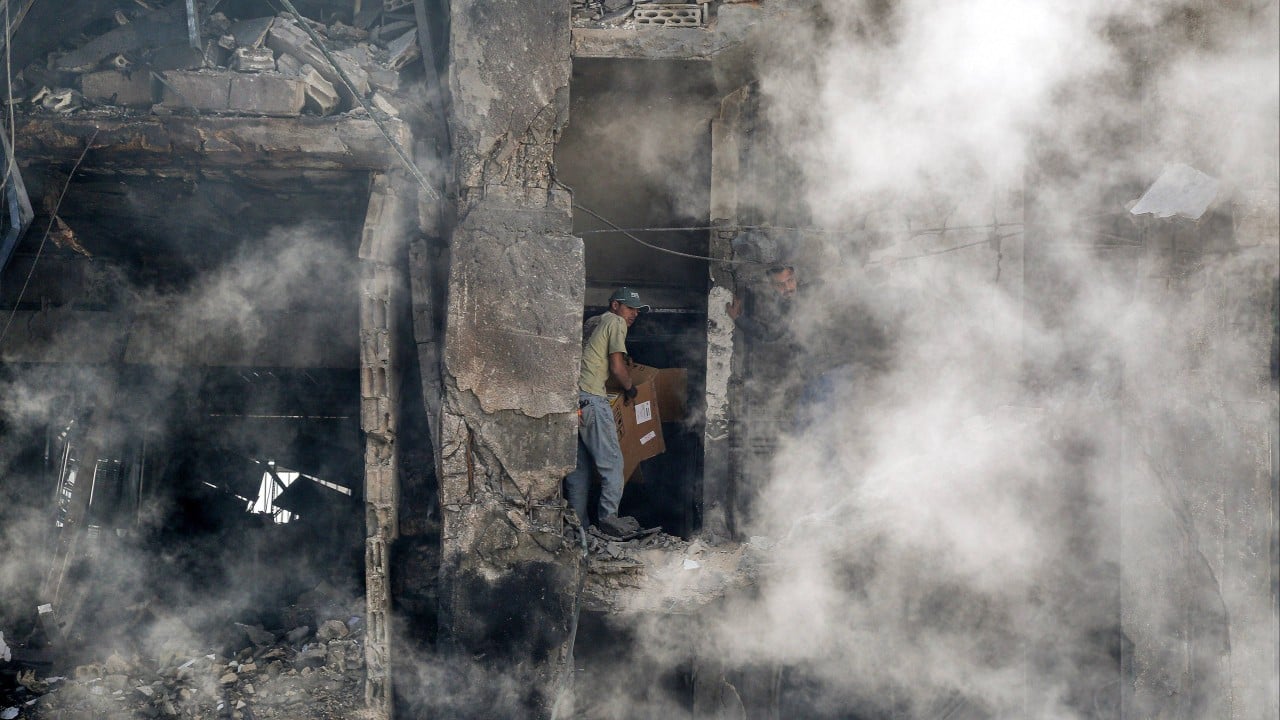
Israeli Strikes Pound Lebanon, Threatening Fragile US Truce
Israeli forces launched new airstrikes in Lebanon on Thursday. This escalation further endangers a ceasefire agreement led by the United States. The...
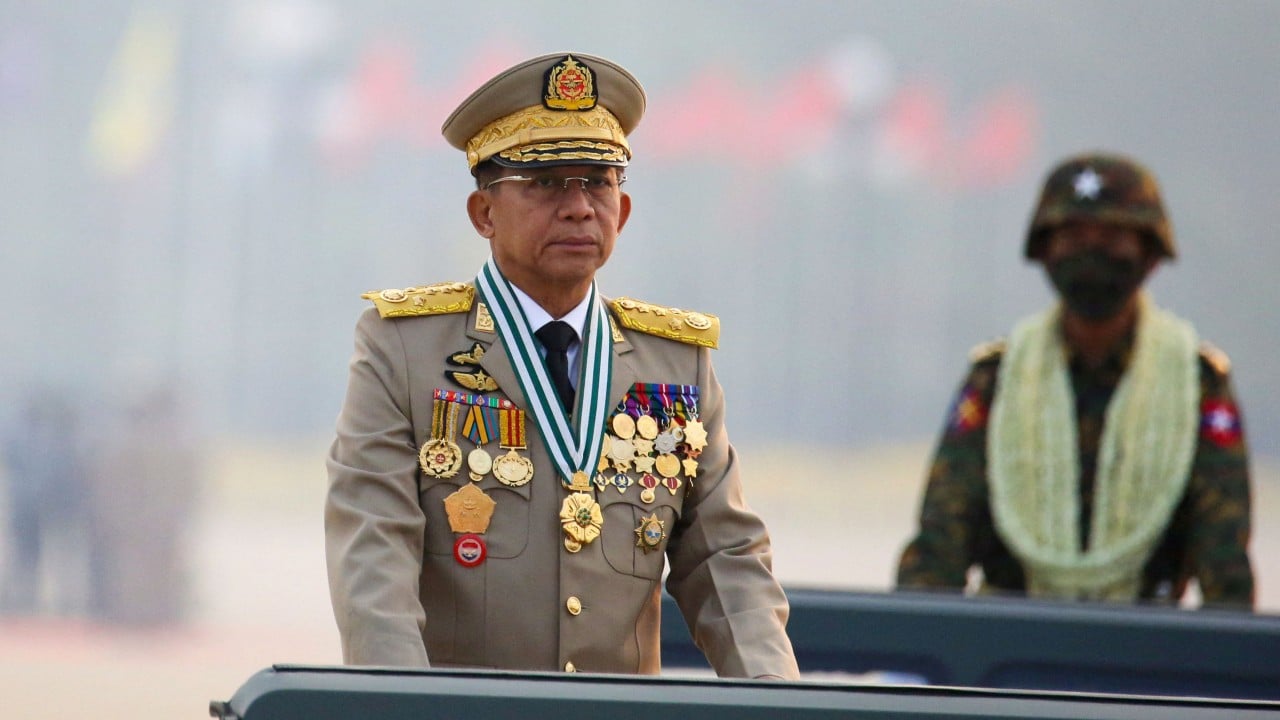
Activists Sue Myanmar President for Genocide in Indonesian Court
A legal complaint accusing Myanmar's new president of genocide has been filed with prosecutors in Indonesia. Activists submitted the case on Monday,...

Taiwan Should Learn AI From Mainland, Says Opposition Leader
Taiwan's opposition leader has called for the island to learn from mainland China's use of artificial intelligence. Kuomintang (KMT) chairwoman Chen...

Pokemon Card Heist: Thief Steals $32,000 in Two Cards
Hong Kong police are searching for a man who stole two rare Pokemon trading cards valued at HK$250,000 (US$31,917). The incident occurred on Thursda...

Ex-Hong Kong Leader Launches TCM Platform to Bridge China and World Markets
Former Hong Kong leader Leung Chun-ying has started a new business. It is a trading platform for traditional Chinese medicine, or TCM. The goal is t...

China's New AI "Officer" Outsmarts Humans in War Games
A new artificial intelligence is acting as a digital staff officer for China's military. In a recent simulated amphibious assault, the AI was tested...
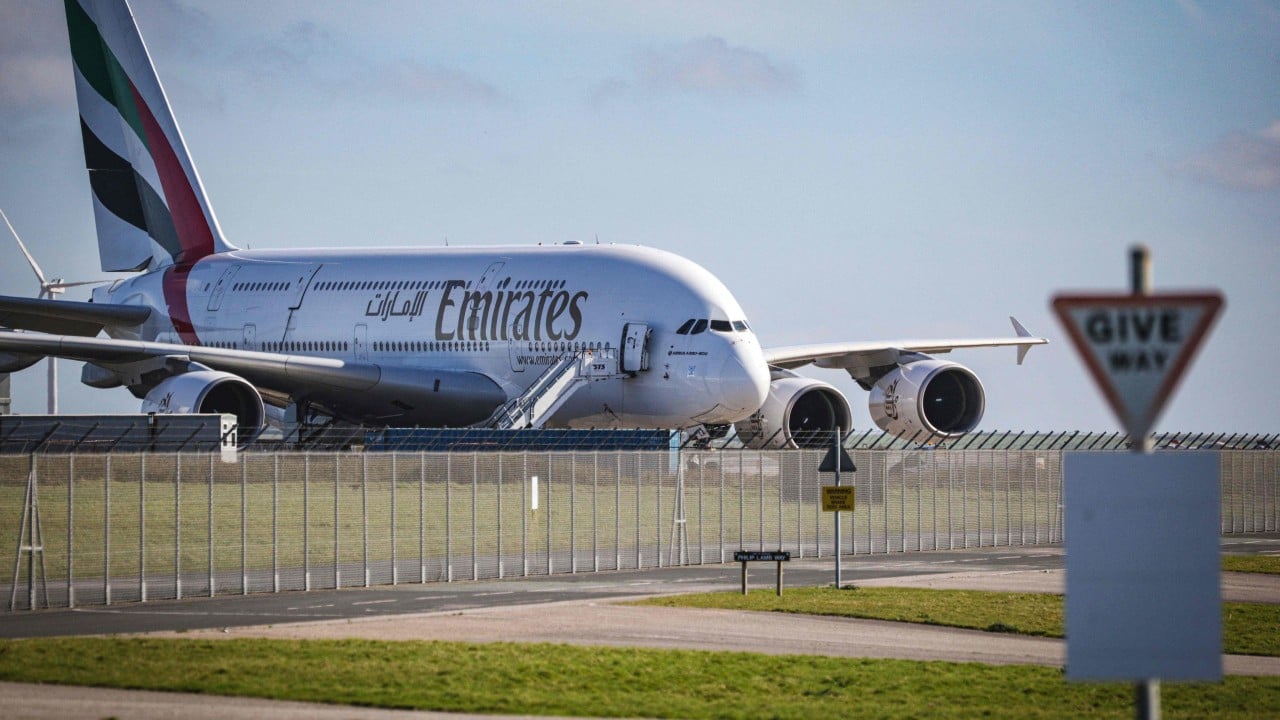
Truce Won't Ground High Airfares, Airlines Say
A fragile truce between the U.S. and Iran is unlikely to quickly end flight disruptions and high ticket prices for global travelers, airline industry...

Thailand Aims for OECD in Bold Tech-Driven Overhaul
Thailand’s Deputy Prime Minister, Anutin Charnvirakul, has announced a major push to join the Organisation for Economic Co-operation and Development...
Iran Truce Fails to Cool Soaring Asian Petrochemical Prices
A recent ceasefire in the Middle East has not lowered the cost of key petrochemicals in Asia. Industry experts say prices remain high due to ongoing...
Apple's Foldable iPhone Hits Major Snag, Pivots to Glasses
Apple has reportedly paused development of its first foldable iPhone. According to industry analysts, the company faced significant technical challen...
Japan's Leader More Popular Than South Korea's President in Landmark Poll
For the first time, a Japanese prime minister is viewed more favorably than a South Korean president in an annual survey of South Korean public opini...
Blackstone, SoftBank Eye Stake in Japan's Fukushima Operator TEPCO
Two of the world's largest investment giants, Blackstone and SoftBank Group, are exploring a potential capital alliance with Tokyo Electric Power Com...