Latest News
Stay updated with the latest news and articles
Top Stories
Russia Drops 8,000 More Troops Into Africa as U.S. and Allies Lose Ground in Power Struggle
**Russia Drops 8,000 More Troops Into Africa as U.S. and Allies Lose Ground in Power Struggle** Russia is deepening its military footprint in Africa, deploying 8,000 additional troops to the continent as part of a broader effort to outmaneuver the United States and Ukraine, while Tuareg rebels in Mali have openly vowed to topple the country’s military junta [136542][136435][67411]. The new deployment brings Russia’s estimated total force in Africa to 20,000, according to analysts, as Moscow works to protect its own export routes and military influence amid escalating confrontation with Ukraine [136435]. The move comes after Ukrainian President Volodymyr Zelenskyy confirmed Kyiv will continue targeting Russia’s export capacity, despite Russia’s intensified efforts to block Ukraine’s defense partnerships with Gulf states [136435]. Meanwhile, in Mali, Tuareg separatists have declared that the country’s military junta “will fall,” directly challenging the regime’s claim of control just one day after Mali’s military leader insisted the situation was stable [136542]. The rebel statement adds to growing instability in the Sahel, where military governments in Mali, Niger, and Burkina Faso have pushed out French forces and turned to Russia for security support [67411]. The strategic competition in West Africa is intensifying. Russia’s “Africa Corps,” the successor to the Wagner Group, is deepening its footprint by providing security assistance and advisors, gaining political and economic influence in return [67411]. U.S. diplomacy and counter-terrorism efforts are losing ground, forcing American officials to urgently revise their approach to maintain relationships in a dramatically changed landscape [67411]. The scramble for influence extends beyond the Sahel. A major African Union summit in Addis Ababa, originally focused on water security, was instead dominated by Ethiopia’s push for sea access and the growing military and economic presence of world powers including the United States, China, Turkey, and Gulf states in the Horn of Africa [87433]. The Horn of Africa is now at a “dangerous crossroads,” trapped by interconnected conflicts and rising international competition, warned Workneh Gebeyehu, Executive Secretary of the Intergovernmental Authority on Development [135287]. European and African leaders are also meeting in Angola for a summit centered on trade and critical mineral resources, amid new pressures from the growing influence of Russia, China, and the United States in Africa [11355]. The war in Ukraine has heightened global competition for Africa’s alliances and natural resources [11355]. Global powers are rushing for Africa’s coast as Ethiopia seeks a port, and the outcome of these contests will shape security and governance across the volatile Sahel and Horn of Africa for years to come [87433][67411]. Mali Rebels Vow to Topple Junta: "They Will Fall" Ukraine’s Gulf Deals Under Threat as Russia Bolsters Africa Forces U.S. and Russia in High-Stakes Scramble for Africa's Sahel Global Powers Rush for Africa's Coast as Ethiopia Seeks a Port Horn of Africa at 'Dangerous Crossroads,' Regional Chief Warns EU-Africa Summit Focuses on Trade and Minerals Amid Global Tensions

5 Rights Crises That Demand Action: From Tanzania to Gaza, the World is Failing
**5 Rights Crises That Demand Action: From Tanzania to Gaza, the World is Failing** A wave of human rights violations is sweeping across the globe, touching everything from election violence in Tanzania to the use of discriminatory artificial intelligence, and the ongoing crisis in Gaza. These incidents, reported across multiple continents in recent months, reveal a stark gap between international legal promises and the reality on the ground. In Tanzania, the head of the country’s election violence commission, Judge Mohamed Chande Othman, stated on April 28, 2026, that those responsible for the unrest must be held accountable fairly and according to the law [1]. The call for “fair accountability” comes as the country reviews violent incidents linked to the recent general elections, aiming to ensure that any legal action is balanced and avoids political targeting [1]. Meanwhile, in Gaza, France has called on Israel to immediately lift all obstacles blocking humanitarian aid deliveries and to protect United Nations personnel [2]. The French permanent representative to the UN said, “Approval of 34 new settlements, the forced displacements, and settler attacks are unacceptable,” linking settlement expansion to the worsening humanitarian crisis [2]. This comes as aid groups report severe restrictions on food, water, and medical supplies [2]. In Africa, a landmark case before the African Court on Human and Peoples’ Rights could redefine how the continent protects people forced from their homes by climate change [3]. The case was brought by people displaced from Tanzania’s Rufiji Delta due to rising sea levels and flooding, arguing the government failed to protect them [3]. A ruling in their favor would establish that governments have a duty to help people displaced by environmental disasters, potentially shaping policy across the 55-member African Union [3]. Further east, UN human rights experts have accused Indian authorities of violating international law in Jammu and Kashmir following counter-terrorism operations [4]. The experts cited arbitrary arrests, the demolition of properties, communication blackouts, and forced expulsions, alleging these measures target Muslim minorities and breach international standards [4]. They have called on the Indian government to end these practices [4]. Back in Europe, the United Nations has demanded the UK and France stop their "one in, one out" asylum agreement, warning it could lead to serious breaches of international human rights law [5]. Nine UN experts identified potential legal violations in the treatment of people under the scheme, which allows the UK to return some migrants in exchange for France sending one asylum seeker to the UK for processing [5]. The UN now calls for the agreement to end [5]. Tanzania Judge Demands “Fair Accountability” for Election Violence France Demands Israel Lift ‘Usettler Attacks’ – Stop Blocking Gaza Aid Climate Refugees Ask African Court: Is Our Home a Human Right? UN Experts Allege Human Rights Violations in Indian Counter-Terrorism Operations UN Experts: UK-France Asylum Deal May Break Human Rights Law


Warthog Gets a New Job: Old A-10 Jet Eyed to Shoot Down Drones Over US Nuke Bases
**Warthog Gets a New Job: Old A-10 Jet Eyed to Shoot Down Drones Over US Nuke Bases** The U.S. military is considering an unusual solution to a critical vulnerability: using the aging A-10 "Warthog" attack jet to defend its own bases from drone attacks. Most American bases, particularly those inside the United States, have no dedicated air defenses. Existing plans focused on stopping ballistic missiles, which require expensive, high-tech systems. But the rising threat is now from cheap, low-flying drones that can evade traditional missile defenses [111656]. The proposed answer is the A-10. This heavily armored jet, famous for its 30mm cannon, could patrol the skies above sensitive locations like nuclear bases. Its cannons, missiles, and advanced sensors could hunt drone swarms effectively [111656]. The concept repurposes the Cold War-era aircraft for a modern problem. It offers a potentially cost-effective way to protect vital national security sites from a growing and accessible threat [111656]. Meanwhile, deep political divisions over military authority continue in Washington. Senate Republicans are taking a rare procedural step to protect former President Donald Trump's military authority, moving to block a Democratic effort to repeal the 2001 war powers resolution used for a recent operation [50051]. The move follows "Operation Absolute Resolve," a military action under Trump, and Republicans argue the repeal would weaken presidential authority during ongoing threats [50051]. Old Jet, New Mission: A-10 Warthog Eyed for US Base Defense Against Drones Senate Republicans Move to Shield Trump's War Powers

Supreme Court Axes 1 Black-Majority District, GOP Racks Up 5+ Wins in Days
**Supreme Court Axes 1 Black-Majority District, GOP Racks Up 5+ Wins in Days** The U.S. Supreme Court has ruled that Louisiana’s voting map illegally used race to draw a second district where Black voters are the majority, a decision that is already reshaping election maps nationwide and handing Republicans at least one new seat in Congress ahead of the midterms [136634]. In a 6-3 decision split along ideological lines, the conservative majority struck down the Louisiana map, calling it an illegal "racial gerrymander" [136634]. Lawmakers had argued the second majority-Black district was created to comply with the 1965 Voting Rights Act, but the court disagreed [136634]. The ruling is now triggering a chain reaction: Republicans in Louisiana will immediately gain a seat that previously leaned Democratic, and states like Florida are drawing new maps expected to favor the GOP [136410]. Officials in South Carolina, Tennessee, and Missouri are also considering redrawing their congressional maps before the next voting cycle [136410]. The decision comes as the first major primaries of the 2026 midterm election season kick off in Texas, North Carolina, and Arkansas, where voters are selecting candidates for Congress and state offices [92282]. These primaries will determine which candidates appear on the November ballot for all 435 U.S. House seats and 34 Senate seats [92282]. Supreme Court Limits Race in Voting Maps, Reshapes Elections Louisiana map tilts red: Supreme Court voting ruling hits midterms 2026 Election Season Kicks Off: Texas, North Carolina, Arkansas Vote First
UAE Quits OPEC After 60 Years, Oil Hits $117 as Iran War Blockade Triggers Chaos
UAE Quits OPEC After 60 Years, Oil Hits $117 as Iran War Blockade Triggers Chaos UAE Quits OPEC After 60 Years: A Blow to Saudi Arabia Amid Iran War Oil Hits $117 on ‘Extended’ Iran Blockade Reports Israel Deploys Iron Dome in UAE, Reshaping Middle East Defense UAE Quits OPEC: Fallout from Iran War Ships on Fire: Why the “Ceasefire” in Iran Looks Like War Middle East crisis could cost global economy $1tn as oil firms rake in ‘obscene’ profits Oil Slick From Bombed Iranian Ship Heads for Protected Wetland Middle East Conflict Diverts Medical Tourists to Malaysia EU wants ‘lasting peace’ in Mideast—and Strait of Hormuz open. Iran Nuclear Deal? Strait of Hormuz talks stall as Lebanon ceasefire fails. Iran’s Quiet Revolution: Life Returns to Normal in Tehran Eid Prayers Echo as War Thunder Rolls in Middle East Arab Creators Use Dark Jokes to Survive the War The United Arab Emirates announced it is leaving OPEC after six decades, dealing a major blow to Saudi Arabia and the oil cartel amid the worst supply crisis in history [136479]. The decision comes as crude oil prices surged to $117 a barrel on reports that Iran is extending its naval blockade in the Middle East [136310]. The UAE has been privately pushing for counterattacks against Iranian strikes, feeling that the regional response has been weak [136479]. The feud between the two Gulf powers turned public in December when Saudi Arabia bombed what it called an UAE-linked arms shipment in Yemen [136479]. Israel secretly deployed its Iron Dome missile defense system and troops to the UAE early in the war with Iran, according to Israeli and US officials [136011]. Analysts call the move a “watershed moment” in Middle Eastern security, marking the first time Israel has used its advanced air defense technology to protect an Arab neighbor [136011]. The Strait of Hormuz, through which about 20% of the world’s oil passes, remains a flashpoint [135897]. Efforts to revive peace talks have stalled as a fragile ceasefire between Israel and Hezbollah fails in Lebanon [135897]. Ships are on fire in the strait, and while diplomats call the current situation a ceasefire, the reality looks like war, just repackaged [135681]. The European Commission’s president called for a permanent end to the war and the full reopening of the Strait of Hormuz [135915]. The United States is reviewing Iran’s latest proposal to reopen the critical waterway, but has not yet accepted or rejected the offer [135897]. An oil spill from a damaged Iranian military ship, the Shahid Bagheri, is now threatening the Hara mangrove forest—one of the Middle East’s most important wetlands [123126]. The drone carrier was struck by a US warplane during the opening days of the attack on Iran and has been leaking heavy fuel oil near the Strait of Hormuz [123126]. The Middle East crisis could cost the global economy up to $1 trillion in extra costs, while oil companies rake in massive profits from higher fuel prices [135286]. Meanwhile, Dubai has faced Iranian missile and drone attacks, forcing medical tourists to seek safer destinations like Malaysia for treatment [105998]. Despite the ongoing conflict, Iran’s capital has returned to a semblance of normal life since the ceasefire, with society undergoing a major transformation [135347]. Muslims across the region marked Eid al-Fitr under the shadow of war, with traditional dawn prayers heard against a backdrop of distant conflict [107728]. Arab digital creators are using dark gallows humor to cope with the pain of the wars [136076].


Global Shock: Iran War Fuel Prices Spike 40% as Malawi Families Hit with Record Levy Crisis
**Global Shock: Iran War Fuel Prices Spike 40% as Malawi Families Hit with Record Levy Crisis** Households across the globe are buckling under soaring fuel and food costs triggered by the Iran conflict, while in Malawi, a growing expert demand to scrap government fuel levies exposes how war-driven price hikes are piling pressure onto already-strained economies. The International Monetary Fund warns that the war in Iran is driving up energy and food costs, increasing borrowing expenses, and slowing economic growth worldwide [136501]. Surveys show millions of families are already cutting spending, using savings, or taking on new debt to cope with rising prices [136501]. In Malawi, the situation has become critical. The Economics Association of Malawi (ECAMA) is calling for the government to immediately scrap non-essential levies on fuel [136509]. Association President Bertha Bangara warned that the current pricing structure is squeezing households and pushing the economy into deeper trouble, as fuel prices soar and shortages spread [136509]. ECAMA’s statement adds to growing public pressure for immediate relief [136509]. Meanwhile, Turkey’s official unemployment rate fell to 8.1% in March, but a broader measure of labor underutilization—called “idle labor”—jumped sharply to 31.5%, including people who have stopped looking for work or work fewer hours than they want [135830]. The data also reveals a deep gender gap: 66% of men were employed, while only 31.5% of women held jobs [135830]. Economists say the rising idle labor rate shows the official jobless figure does not fully capture the weakness in Turkey’s labor market [135830]. Experts warn that global dependence on a few countries for critical minerals like lithium and cobalt is creating dangerous economic vulnerabilities [135367]. Turkish Trade Minister Ömer Bolat stated that the rush to secure these resources, combined with rising protectionism, now threatens the stability of the world economy [135367]. Lithium and cobalt are essential for batteries in electric vehicles and renewable energy storage, but supply is concentrated in just a handful of nations [135367]. Without diversified sources and stronger international cooperation, the global shift to green energy and digital industries could slow down [135367]. The conflict has also boosted activity at Pakistan’s Gwadar Port as the Strait of Hormuz crisis deepens, but analysts warn this growth relies on regional instability rather than stable trade routes [135699]. In the United States, the war has mostly spared the economy so far. American stock markets remain stable, domestic energy production has softened oil price spikes, and consumer spending has not dropped sharply [134553]. However, experts say the situation remains fluid, and a longer conflict could eventually reach American shores [134553]. --- Iran War Prices Hit Your Wallet Malawi’s Economy in Crisis: Expert Demands Fuel Levy Cuts Turkey’s jobless rate falls to 8.1%, but “idle labor” jumps to 31.5% Global Economy at Risk: Lithium, Cobalt Dependency Creates ‘Critical’ Vulnerabilities Gwadar Port Booms as Strait of Hormuz Crisis Deepens Dow Jones Up? War in Iran, U.S. Economy Holds Steady
Nigeria and Turkey Go All In: $10 Billion Trade Blitz as Nations Ditch Old Superpowers
**Nigeria and Turkey Go All In: $10 Billion Trade Blitz as Nations Ditch Old Superpowers** Nigeria and Turkey have signed nine new agreements to supercharge trade, with officials now predicting that annual commerce between the two countries will top $10 billion – doubling the previous target. The deals, finalized during Turkish President Recep Tayyip Erdogan’s state visit to Abuja, mark a sweeping push by both nations to build independent supply chains and cut reliance on traditional Western and Chinese markets [62201][61140]. The Nigeria-Turkey Business Council projects Turkish goods have already saturated Nigerian daily life, with the council’s head claiming “there is no home in Nigeria that does not have a Turkish product” [62201]. New agreements cover energy, mining, and defense, and a Joint Economy and Trade Committee will now work to unlock broader investment [61140]. This scramble for new trade partners is not isolated. India and New Zealand signed a free-trade agreement after 15 years of stalled talks, driven by disruptions from the Strait of Hormuz closure and steep US tariffs that have rattled supply chains. The pact also helps New Zealand reduce its heavy dependence on China, its largest trading partner [135100]. Turkey is also opening a new overland route through Saudi Arabia, offering a critical bypass for global shipments threatened by instability around the Strait of Hormuz, through which one-fifth of the world’s oil passes. Trade Minister Omer Bolat confirmed transit visas are now being issued to move cargo overland across Saudi Arabia and out of Red Sea ports [122456]. Meanwhile, Egypt and Turkey have agreed to boost their current $9 billion in bilateral trade to $15 billion or more, signaling rapidly warming diplomatic and economic ties [67240]. On a parallel track, Kenya and Morocco signed 11 new agreements covering agriculture, health, and the “blue economy” – sustainable use of ocean resources – during King Mohammed VI’s visit to Nairobi. Officials say the pacts will unlock investment and boost intra-African trade [125813]. In the financial sector, the Islamic Corporation for the Insurance of Investment and Export Credit and the African Export-Import Bank signed a partnership to increase trade and investment between Arab and African nations, aiming to stimulate growth by facilitating cross-regional financial flows [7017]. The flurry of deals signals a coordinated shift: medium and smaller economies are building alternative trade networks at record pace, seeking security from an increasingly volatile global trade order dominated by the US and China. Turkish Goods in Every Home: Nigeria Aims for $10 Billion Trade Boom Nigeria and Turkey Target $5 Billion Trade Deal India and New Zealand Sign Trade Deal to Cut Reliance on China and US Turkey Opens New Trade Lifeline to Bypass Gulf Chokepoint Egypt and Türkiye Target $15 Billion Trade Surge Kenya and Morocco Sign 11 Deals to Boost Trade ICIEC and Afreximbank Partner to Boost Arab-African Trade


Southeast Asia’s Wet Season Kills Over 1,500, Millions Displaced
**Southeast Asia’s Wet Season Kills Over 1,500, Millions Displaced** A relentless wave of catastrophic flooding and landslides has killed more than 1,500 people across Southeast Asia, with millions more affected as monsoon rains overwhelm Indonesia, Sri Lanka, Thailand, and Malaysia. The disaster, triggered by days of exceptionally heavy rainfall, has submerged entire villages, severed roads, and triggered deadly mudslides that buried homes. In Indonesia alone, the death toll has reached 995, with rescuers still searching for 226 missing people [25217]. Neighboring Sri Lanka reports 640 dead and 211 missing [25217]. Combined, the two nations have nearly 4 million citizens impacted [25217]. Southern Thailand has also suffered heavily, with authorities reporting at least 145 deaths [14423]. Torrential rains caused rivers to overflow and saturated hillsides, leading to destructive landslides across the region [14423]. The disasters have destroyed homes, roads, and farms [25217]. Emergency crews are racing against time to find survivors and deliver essential aid. Their work is complicated by damaged infrastructure and continuing access problems [20084]. The full scale of the destruction is still being assessed as heavy rains continue in some areas [14786]. National governments and international aid groups are mobilizing relief efforts, focusing on providing emergency shelter, clean water, and medical supplies to displaced survivors [17624]. Health officials warn of rising risks from waterborne diseases due to damaged water supplies [11385]. Deadly Floods and Landslides Claim Over 1,400 Lives Across Southeast Asia Massive Floods Kill Over 1,600, Affect Millions in Asia Deadly Floods and Landslides Claim Over 1,500 Lives Across Asia Deadly Floods and Landslides Claim Over 250 Lives in Southeast Asia Southeast Asia Reels From Widespread Flooding Deadly Floods and Landslides Claim Lives Across Southeast Asia

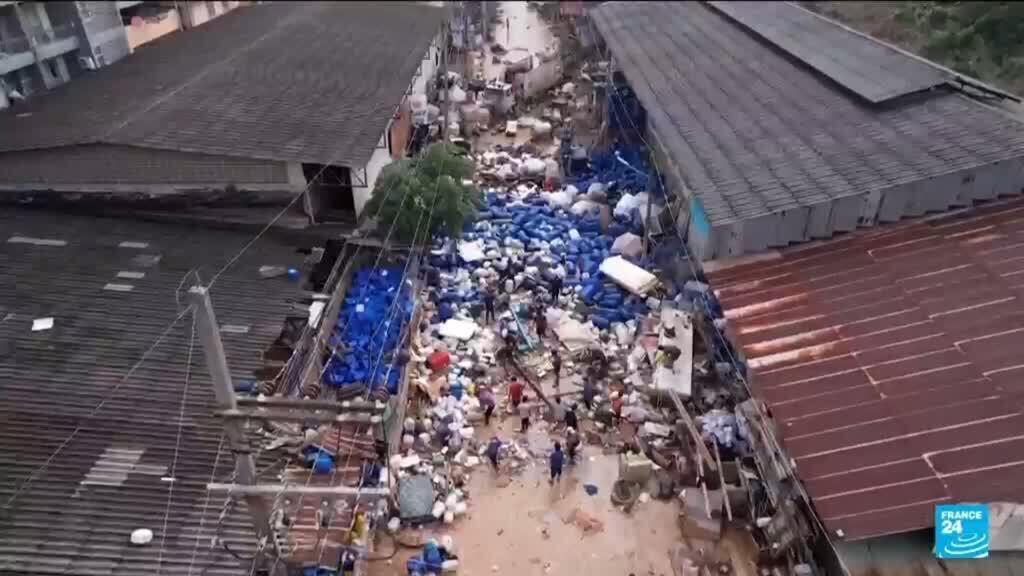
U.S. Gas Hits $4.23, Iran War & Drone Strikes Slam Global Oil Supply
**U.S. Gas Hits $4.23, Iran War & Drone Strikes Slam Global Oil Supply** The average price for a gallon of gasoline in the United States has climbed to $4.23, as a war in Iran and multiple drone strikes on energy infrastructure disrupt global oil shipments and send costs soaring worldwide [136415]. In South Africa, drivers are rushing to fill their tanks ahead of a record midnight price hike, the largest single increase in the country’s history, directly caused by the conflict in Iran cutting off oil flows [117884][117581]. A Ukrainian drone attack ignited a large-scale fire at Russia’s Tuapse oil refinery on the Black Sea, forcing evacuations and halting production at a key export facility [135091]. Even a release of 400 million barrels from strategic oil reserves has failed to stop prices from climbing, as the global energy crisis tests government responses [134719]. The supply crunch is forcing governments to act. South Africa cut its fuel levy by 3 rand per litre, but that relief has been completely overwhelmed, leaving drivers with one of the steepest pump price hikes on record [117581]. Kenya’s energy regulator has sharply increased fuel prices in response to soaring import costs, raising the price of transportation and electricity [130314]. In China, drivers are racing to pumps ahead of the biggest fuel price jump of 2024, as the government adjusts official prices based on skyrocketing international crude costs [109102]. The market disruptions are cascading into everyday life. In South Africa’s Nelson Mandela Bay, petroleum companies are limiting fuel supplies and charging emergency surcharges, adding up to 10 rand per litre to paraffin costs [108127]. A drone strike on a Kuwaiti oil tanker off the United Arab Emirates pushed global oil prices above $115 per barrel, triggering sell-offs in Asian stock markets [116225]. The Strait of Hormuz remains closed, keeping pump prices high even as crude oil prices temporarily steady [116592]. Analysts say significant relief is not expected soon, as political tensions in the Middle East and damage to Russian refineries tighten global supply [124783][97612]. U.S. Gas Hits $4.23 as Iran War Disrupts Middle East Oil South Africa Braces for Record Fuel Price Surge Ukrainian Drone Strike Ignites Russian Oil Refinery, Forces Evacuation Drivers Race to Pumps Ahead of China's Biggest Fuel Price Jump of 2024 Oil Reserves Drained, But Prices Keep Rising South Africa Cuts Fuel Tax, But Drivers Still Hit by Record Price Hike Fuel Prices Skyrocket in Kenya Fuel Limits and War Surcharges Hit South African Metro Fuel Prices Climb as Gaza Ceasefire Hopes Fade Oil Prices Rocket, Hitting Drivers With Sharpest Spike Since Ukraine War Drone Attack on Tanker Sends Oil Soaring Past $115 Oil Prices Steady, So Why Is Petrol So Expensive? Fuel Shockwave: Water, Security Prices Surge After Diesel Spike

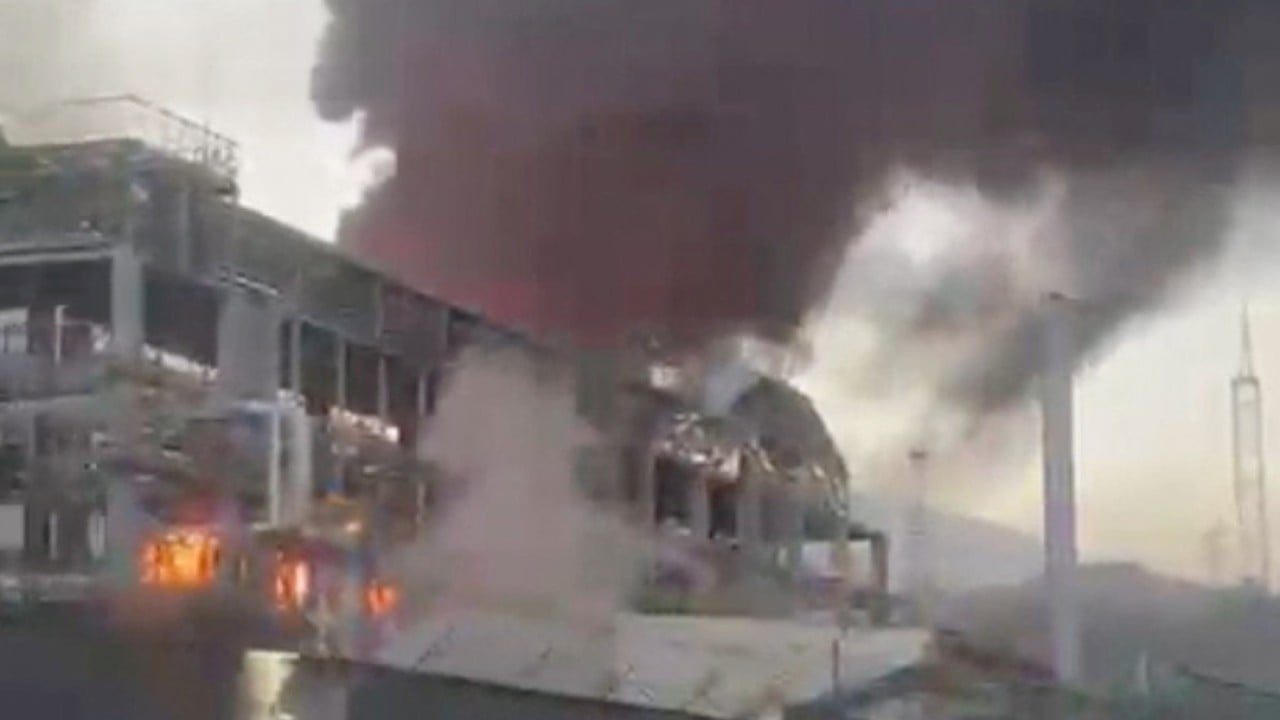
Syrian Army and Kurdish Forces Clash in Aleppo, 140,000 Flee as Ceasefire Collapses
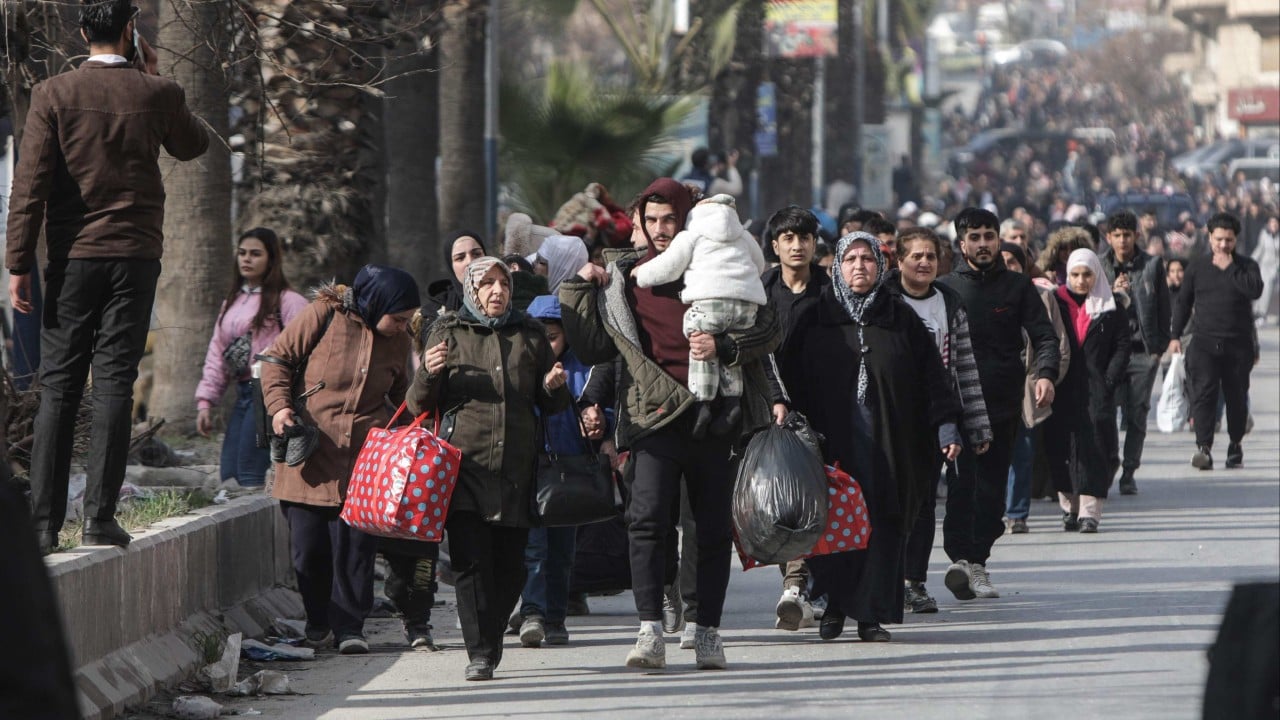
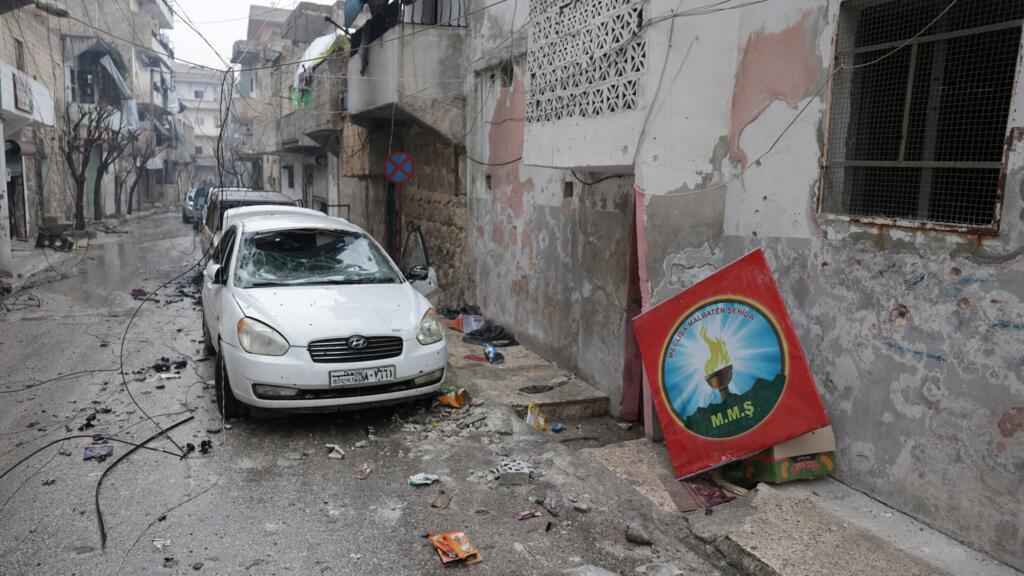
Syrian Army and Kurdish Forces Clash in Aleppo, 140,000 Flee as Ceasefire Collapses Fresh fighting erupted in Syria's Aleppo province between the Syrian army and Kurdish-led forces, shattering a fragile calm and triggering a mass exodus of civilians. The clashes, which began on Tuesday, forced over 140,000 people to flee their homes before a ceasefire was announced three days later [45816]. The violence centered on neighborhoods in Aleppo city, including Sheikh Maqsoud and Al-Ashrafiyah, where Syrian government forces clashed with the Kurdish-led Syrian Democratic Forces (SDF) [45585][49667][32527]. The SDF controls large parts of northern and eastern Syria but has resisted integration into the central government in Damascus [44512]. Both sides blamed each other for starting the fighting, which killed at least nine people on January 6 alone [44088]. The Syrian army declared a curfew, closed schools and universities, and halted flights at Aleppo's airport [45172][44088]. State media reported that SDF fighters shelled residential neighborhoods, while the army distributed evacuation maps showing safe routes out of contested areas [44681][43634]. The Syrian government later announced a ceasefire that allowed Kurdish fighters to leave the city with light weapons and receive safe passage to northeast Syria [45816]. The clashes came after political talks to resolve the long-running conflict between Damascus and the Kurdish-led administration stalled [45585]. Turkey's foreign minister publicly urged Kurdish forces to join the Syrian army, setting a deadline for integration [33236]. The United States, which backs the SDF as an ally against the Islamic State group, attempted to mediate a halt to the fighting [44512][43634]. The escalation raises fears of a return to full-scale war in Syria, where the civilian population continues to bear the overwhelming cost of displacement and suffering while multiple foreign powers compete for influence [45173][45172]. The United Nations has warned that any major new offensive risks a humanitarian catastrophe [45585]. Syria's Aleppo Truce Shatters, Thousands Flee as U.S. Mediates Title: Aleppo Exodus: Fighting Erupts as Syria Peace Talks Fail Fresh Clashes Erupt Between Syrian Army and Kurdish Forces Syrian Army and US-Backed Forces Clash in Aleppo Syrian Army Advances on Aleppo, Sparking Mass Exodus Syria Detains, Expels Kurds in Aleppo as US Bombs ISIS Syrian Forces and Kurds Clash, Then Halt Fire After Deadly Fighting Aleppo Clashes Follow Secret Syria-Israel Talks Syrian Army Distributes Evacuation Maps in Aleppo Amid Clashes Deadly Clashes in Aleppo as Turkey Urges Kurdish Integration Syria's Kurds and Army Clash, Risking Major War Syria Announces Aleppo Ceasefire After Clashes Displace 140,000 Syria's Aleppo: Army Strikes Kurds, Thousands Flee Clashes Erupt Between Kurdish Forces and Syrian Army in Aleppo
Latest Articles

Seoul shifts focus to the Global South in new autonomy push
Seoul is changing its foreign policy direction again. South Korea is strengthening ties with countries in the Global South, a move experts describe a...
Bengal’s 2.7M Missing Voters: Their Stories Will Shock You
Officials in West Bengal have removed 2.7 million names from the state’s voter list. The deletions followed a controversial process known as the Summ...
Pakistan’s President Visits China as West Asia Crisis Grows
Pakistani President Asif Ali Zardari is visiting China, with talks focused on the second phase of the China-Pakistan Economic Corridor (CPEC). The tr...

Asia’s New Game: Hedging Beyond the US-China Rivalry
Southeast Asian nations are no longer simply choosing sides between the United States and China. Instead, these states are following their own strate...
Central Asia Moves to Coordinate on Climate and Water
Central Asia is not yet a fully unified regional actor on climate and water issues, but it is beginning to act like one in key areas. For the first t...
China cuts off Taiwan drone parts for Europe
Several European nations are quietly building a new military drone strategy. This plan relies on lessons from the war in Ukraine. It also depends on...
Former Kyrgyz Security Chief Faces Criminal Investigation
In a public statement, former Kyrgyz security chief Tashiev confirmed that a criminal case has been opened against him. He urged the public not to pr...
Bangladesh faces strategic choice in US trade deal
A new trade agreement between Bangladesh and the United States, called the ART, appears to be a simple market-access deal. But its deeper clauses car...
Trump Calls India a “Hellhole” in Social Media Repost
President Donald Trump has reignited tensions with India by reposting a podcaster’s description of the country as a “hellhole.” The move marks the la...
Swiss corruption case against jailed Uzbek star collapses
Gulnara Karimova, the daughter of Uzbekistan’s former president, will not face trial in Switzerland. Judges dismissed the corruption case against her...
Thailand’s LNG Bet Backfires on Consumers
Bangkok knowingly walked into a natural gas trap. A distant conflict has now forced a reckoning that the country can no longer postpone.

Sri Lanka’s recovery at risk as cost-driven inflation rises
Sri Lanka faces a new economic threat. Rising prices are now driven primarily by increasing costs rather than consumer demand. This shift could under...
Secret Tapes Reveal Kissinger’s True Role in US-China Pact
Newly analyzed audio recordings of Henry Kissinger show the former U.S. secretary of state secretly shaped the 1970s thaw between Washington and Beij...
US Risks Being Locked Out of Central Asia’s Critical Mineral Race
Without a sustained and coordinated push, the United States may lose access to Central Asia’s vital supply of critical minerals. These rare earth ele...
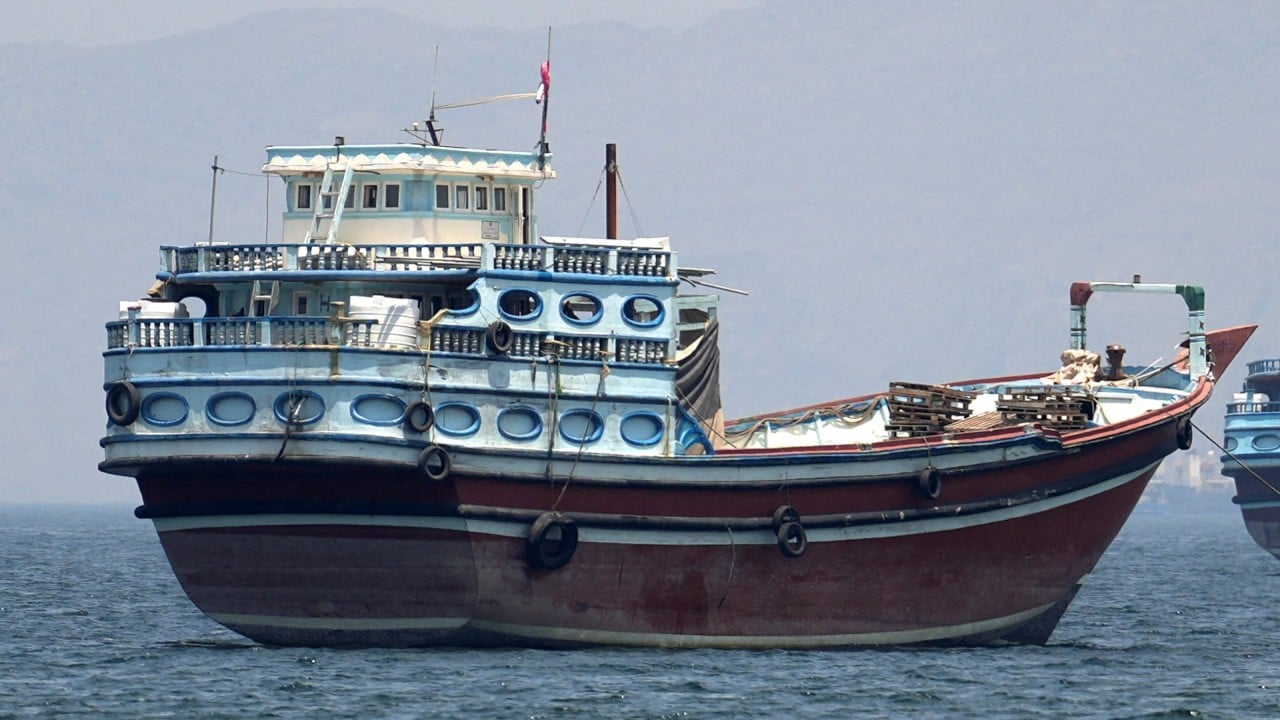
Trump Warns Iran: Surrender or Face Months of Blockade; Oil Hits $119
US President Donald Trump warned Tehran on Wednesday to "get smart soon" and accept strict controls on its nuclear program, as a US naval blockade ti...

Pentagon reveals US$25 billion war cost in Iran
The two-month conflict with Iran has cost the United States about US$25 billion, a Pentagon official told lawmakers on Wednesday. Jules Hurst III, th...

Trump Plot Suspect Took Knife Selfie Minutes Before Attack
The man accused of plotting to assassinate U.S. President Donald Trump at the White House Correspondents’ Association dinner took a selfie in his hot...

Supreme Court Limits Race in Voting Maps, Reshapes Elections
The US Supreme Court restricted the use of race when drawing voting districts, in a decision that may change maps nationwide and help Republicans bef...

Powell Vows to Stay at Fed After Term Ends, Citing Trump’s Legal Attacks
Federal Reserve Chair Jerome Powell said he plans to remain on the central bank’s board after his term as chair ends next month. He gave no clear end...

King Charles Stuns New York: Lays Flowers at 9/11 Memorial During US Tensions
Britain’s King Charles and Queen Camilla visited lower Manhattan on Wednesday to honor the victims of the September 11, 2001 al-Qaeda attacks. The ro...