Latest News
Stay updated with the latest news and articles
Top Stories
Oil Shock: Middle East Conflict Slashes Output, Disrupts Global Trade and Growth
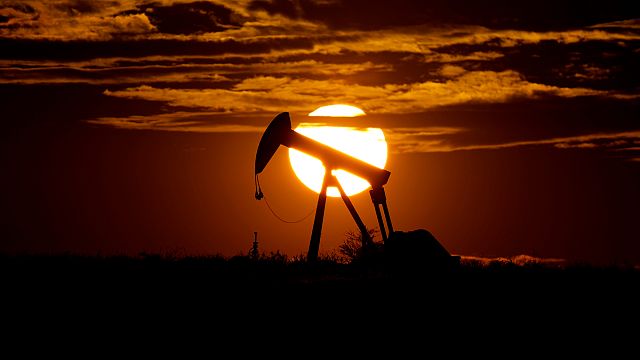
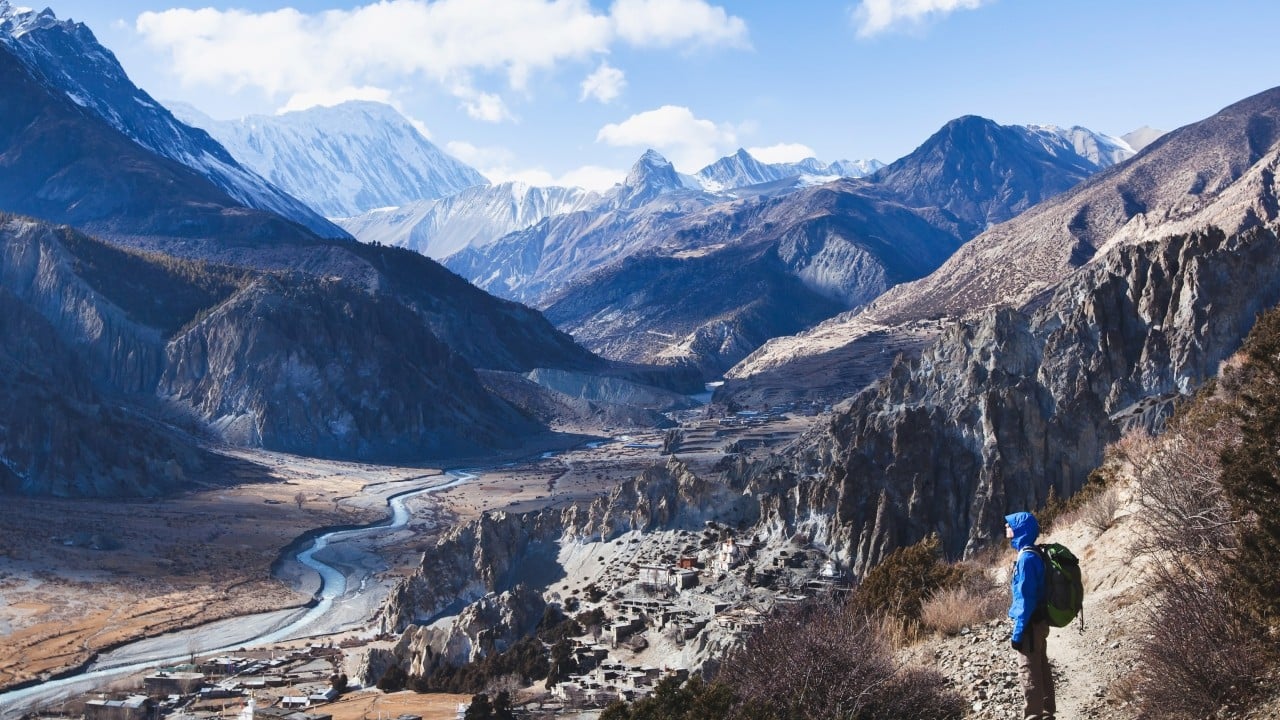
Oil Shock: Middle East Conflict Slashes Output, Disrupts Global Trade and Growth The ongoing military conflicts across the Middle East are triggering severe economic shockwaves worldwide, sharply reducing regional oil production, disrupting critical shipping lanes, and forcing a major global financial institution to downgrade its forecast for worldwide growth. A new report from the Organization of the Petroleum Exporting Countries (OPEC) confirms a significant drop in Middle Eastern oil production since the outbreak of a war involving Iran, directly impacting a region that is crucial to global energy supply [128703]. This decline coincides with a stark warning from the International Energy Agency (IEA) that more than 80 energy facilities in the region have been damaged in recent conflicts, with over one-third severely impacted [127749]. Fatih Birol, the IEA's head, stated that restoring supplies to pre-crisis levels could take up to two years [127749]. The supply disruption and market uncertainty are having immediate global consequences. The International Monetary Fund (IMF) has cited the Middle East war as a direct cause for lowering its global growth forecast, warning that the crisis also threatens to reignite inflation worldwide [128821]. Simultaneously, vital maritime trade is being rerouted at great cost. Following military actions in the region, major shipping companies have suspended travel through the Red Sea and Suez Canal, a primary shortcut between Asia and Europe [127257]. Ships are now taking a two-week longer journey around the southern tip of Africa, disrupting time-sensitive exports like Japan's shipments of premium perishable goods to the Middle East [127257]. The conflict's economic impact is also cascading into regional tourism. Nepal's trekking industry reports a sharp decline in Western travelers during the critical spring season, with arrivals from the Americas and Europe falling by nearly 25% and 19% respectively in March, a drop officials directly attribute to the Middle East conflict disrupting travel hubs and raising security concerns [128459]. The industry is now urgently pivoting to attract tourists from Asian markets to compensate [128459]. Middle East Oil Output Plummets Amid Iran Conflict: OPEC War Damage to 80+ Mideast Energy Sites Could Disrupt Supply for Years IMF Slashes Global Growth Forecast Over Middle East War Iran-Israel Conflict Disrupts Japan's Luxury Exports to Middle East Nepal's Trekking Industry Pivots to Asia as Middle East Conflict Scares Off Western Tourists
Global Economy Braces for Hit as Middle East Conflict Slashes Growth, Fuels Inflation
Global Economy Braces for Hit as Middle East Conflict Slashes Growth, Fuels Inflation A widening war in the Middle East is hammering the global economy, forcing major institutions to slash growth forecasts and governments to deploy emergency measures as energy shocks and trade disruptions drive up prices worldwide. The International Monetary Fund (IMF) has cut its global growth forecast, now expecting the world economy to expand by just 3.1% this year, a direct result of the conflict [128546][128821]. The crisis has created severe economic uncertainty, disrupting key trade routes and threatening to spike energy prices, which risks derailing what the IMF calls an "already fragile recovery" [128698]. The shockwaves are being felt across continents. In Europe, European Central Bank President Christine Lagarde stated the euro area's economic performance has worsened due to the recent energy price shock, downgrading its trajectory [128975]. Germany responded with emergency measures, cutting fuel taxes by 17 cents per liter and encouraging employers to give workers a one-time bonus of up to 1,000 euros to counter war-driven inflation [128123]. In South America, Argentina's annual inflation accelerated to 32.6% in March, with officials linking a surge in fuel prices directly to instability in the Middle East [128953]. In Asia, Malaysia warned its citizens to prepare for a prolonged economic squeeze, stating that national buffers like gas production and subsidies are running out and the full impact of the global energy crisis will hit by June [128807]. The IMF specifically highlighted the acute vulnerability of Sub-Saharan Africa, lowering the region's growth forecast due to higher global oil prices and increased shipping costs from Red Sea and Suez Canal disruptions [128698]. Economists warn the conflict poses a far greater threat than the Ukraine war, risking severe disruption to critical trade and energy supplies that could trigger a sharp worldwide rise in oil prices and inflation [128258]. ECB Chief: Euro Economy Worsens After Middle East Shock Argentina's Inflation Accelerates to 32.6% Amid Fuel Price Surge Malaysia Warns Citizens: Prepare for Long Economic Squeeze as Iran War Fallout Nears IMF Slashes Global Growth Forecast Over Middle East War IMF Cuts Africa Growth Forecast as Middle East Conflict Rises IMF Slashes Global Growth Forecast, Cites War Impact Iran War Could Break Global Economy Germany Cuts Fuel Tax, Offers Worker Bonus to Counter War-Driven Inflation

Ukraine Trades Battlefield Drone-Knowledge for Weapons in High-Stakes Deals with Gulf, NATO Allies
Ukraine Trades Battlefield Drone-Knowledge for Weapons in High-Stakes Deals with Gulf, NATO Allies Ukraine is leveraging its hard-won military expertise into a critical supply of weapons through direct barter deals with foreign partners. Facing relentless Russian drone and missile attacks, the country is now deploying its specialists abroad to teach allies how to shoot down unmanned aerial vehicles (UAVs) in exchange for advanced air defense systems and continued financial support [100935][112369]. President Volodymyr Zelenskyy confirmed that Ukrainian teams specializing in counter-drone warfare are active in several Gulf states. The arrangement is straightforward: Kyiv provides its unique, battle-tested knowledge on defeating Iranian-made drones—a weapon used extensively by Russian forces and Iranian proxies in the Middle East—and in return seeks powerful air defense systems like Patriot missile batteries [112369]. This strategy transforms Ukraine’s frontline experience into a valuable diplomatic and military commodity. Western and Gulf states are eager to learn Ukraine's effective, low-cost methods for neutralizing the drone threat, which also endangers critical infrastructure in the Middle East [100935]. The exchange ensures a steady flow of arms to Kyiv while simultaneously strengthening allied defenses globally. In one explicit proposal, Zelenskyy offered to deploy elite anti-drone units to protect the Gulf region if those states use their significant economic leverage as major buyers of Russian energy to pressure Moscow for peace [91239]. This move positions Ukraine not merely as an aid recipient, but as a provider of vital security technology, forging partnerships based on shared strategic interests [91239]. The direct trade of knowledge for weapons highlights Ukraine's urgent and pragmatic efforts to bolster its own air defenses while capitalizing on its status as the world's most experienced military in countering specific drone threats [91239]. Kyraine Sells Drone-Knowledge for Weapons Ukraine Trades Air Defense Secrets for Gulf's Drone-Killers Ukraine Offers Gulf States a Deal: Our Drone Hunters for Your Leverage on Russia

Catastrophic Southeast Asia Floods Kill Over 1,400, Displace Millions
Catastrophic Southeast Asia Floods Kill Over 1,400, Displace Millions A series of devastating floods and landslides, triggered by weeks of exceptionally heavy rain, has killed more than 1,400 people and affected millions across Southeast Asia [17624][25217]. The disaster has left a trail of destruction in Indonesia, Sri Lanka, Thailand, and Malaysia, with rescue teams scrambling to reach survivors and international aid agencies mobilizing a major response. The torrential downpours caused rivers to overflow and saturated hillsides, leading to widespread flooding and destructive mudslides that buried homes and severed roads [17624][14423]. In Indonesia, the death toll has reached 995, with rescuers still searching for 226 missing people [25217]. Neighboring Sri Lanka reports 640 dead and 211 missing [25217]. Combined, nearly 4 million citizens in just these two nations have been impacted [25217]. Southern Thailand has also suffered a severe loss of life, with authorities reporting at least 145 fatalities [14423]. Emergency crews across the region are working to provide aid and evacuate residents from submerged communities, while also warning of secondary dangers like the spread of waterborne diseases from contaminated water supplies [11385][25217]. The full scale of the damage is still being assessed, but early reports indicate massive destruction to homes, infrastructure, and farmland [14786][25217]. National governments and international aid groups are focusing relief efforts on providing emergency shelter, clean water, and medical supplies to the displaced survivors [17624]. Deadly Floods and Landslides Claim Over 1,400 Lives Across Southeast Asia Massive Floods Kill Over 1,600, Affect Millions in Asia Deadly Floods and Landslides Claim Over 250 Lives in Southeast Asia Southeast Asia Reels From Widespread Flooding Deadly Floods and Landslides Claim Lives Across Southeast Asia

Fuel Shockwave: Global Pump Prices Soar Past $115 as Conflict Chokes Oil Supply
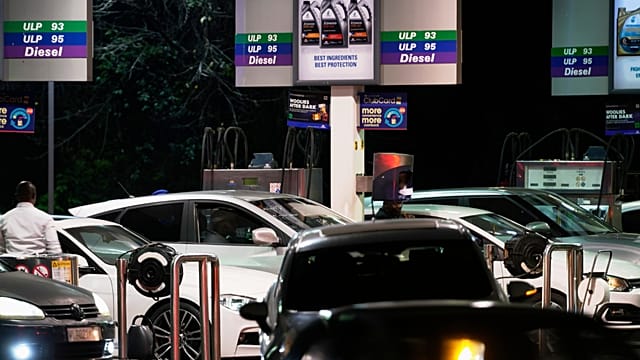
Fuel Shockwave: Global Pump Prices Soar Past $115 as Conflict Chokes Oil Supply A surge in global fuel prices, driven by conflict in the Middle East, is hitting drivers and economies worldwide, triggering emergency government measures and protests. The crisis stems from disruptions to oil supplies, particularly through the critical Strait of Hormuz shipping route, following attacks on energy infrastructure and ongoing regional war. This has sent international benchmark crude oil prices soaring past $115 a barrel [116225], leading to the sharpest weekly spike in gasoline costs since the Ukraine war began [97612]. The impact is immediate and widespread. In South Africa, drivers raced to pumps ahead of a record midnight price hike [117884], with one major metro imposing fuel limits and war surcharges [108127]. Despite a government tax cut of 3 rand per litre, citizens still faced one of the steepest increases ever recorded [117581]. The diesel spike has already forced security firms and water suppliers to add emergency fees to customer bills [118106]. In Europe, the fuel shock is altering consumer behavior. Interest in electric vehicles has surged dramatically since the Iran conflict began, as buyers seek alternatives to expensive petrol [127014]. Governments are taking action, with Germany announcing a 17-cent-per-litre fuel tax cut and encouraging employers to give workers a 1,000-euro bonus to counter war-driven inflation [128123]. Asian markets are also feeling the pressure. China imposed its biggest fuel price jump of the year, causing long queues at Beijing stations [109102]. Hong Kong, which already has the world's highest petrol prices, is bracing for a wave of "imported inflation" that will raise costs for everything from toilet paper to road maintenance [127109]. Analysts warn that relief is not imminent. Supply chain bottlenecks, with the Strait of Hormuz closed, are keeping pump prices high even when crude oil prices steady [116592]. Furthermore, fading hopes for a Gaza ceasefire are contributing to market fears and sustaining high costs [124783]. The volatility has grown severe enough to force the Irish cabinet into emergency talks after five days of fuel protests blocked terminals and left hundreds of stations dry [126425]. Germany Cuts Fuel Tax, Offers Worker Bonus to Counter War-Driven Inflation South Africa Braces for Record Fuel Price Surge Drivers Race to Pumps Ahead of China's Biggest Fuel Price Jump of 2024 Hong Kong Braces for Price Surge as Oil Crisis Hits Home South Africa Cuts Fuel Tax, But Drivers Still Hit by Record Price Hike Iran War Fuel Shock Drives Europeans to Electric Cars Fuel Limits and War Surcharges Hit South African Metro Fuel Prices Climb as Gaza Ceasefire Hopes Fade Oil Prices Rocket, Hitting Drivers With Sharpest Spike Since Ukraine War Drone Attack on Tanker Sends Oil Soaring Past $115 Oil Prices Steady, So Why Is Petrol So Expensive? Fuel Shockwave: Water, Security Prices Surge After Diesel Spike **Fuel Crisis Forces Irish Cabinet to Emergency Talks

Fighting Erupts in Aleppo, Forcing Tens of Thousands to Flee as Peace Talks Fail
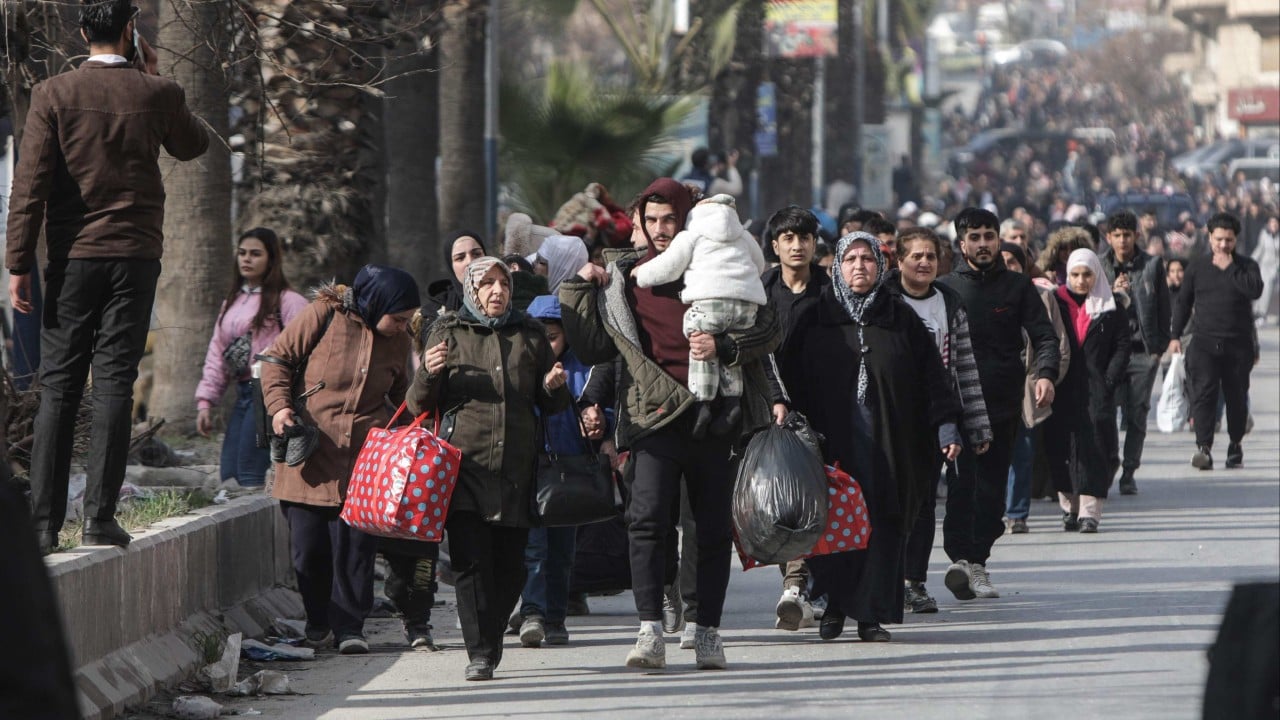
Fighting Erupts in Aleppo, Forcing Tens of Thousands to Flee as Peace Talks Fail Intense clashes between Syrian government forces and Kurdish-led fighters have shattered a fragile truce in Aleppo, sparking a mass exodus of civilians and threatening to unravel relative stability in northern Syria. The fighting, which erupted on Tuesday, is concentrated in the northern suburbs of the city and the surrounding province, including the Deir Hafer district [44512][49667]. Syrian state media reported clashes on key supply routes like the Castello road, while Kurdish forces were accused of shelling residential neighborhoods [43634]. The violence has forced tens of thousands of people to flee their homes, with local aid groups reporting a rapid movement of displaced families [45585][45588]. The renewed offensive follows the collapse of political talks between the Syrian government and the Kurdish-led Syrian Democratic Forces (SDF), which controls large parts of northern Syria [45585][45588]. A previous agreement to integrate the SDF into the national army by the end of 2025 has stalled, creating a vacuum that has led to direct military action [45588]. Both sides blame each other for starting the latest clashes, which have caused multiple deaths [44512]. The stalemate is deepening and becoming more deadly, displacing more families and complicating international efforts in a region already hosting millions displaced by Syria's long civil war [44512][45588]. U.S. officials are now attempting to mediate a ceasefire [44512]. The United Nations has repeatedly warned that any major new offensive in Syria risks a humanitarian catastrophe [45585]. Syria's Aleppo Truce Shatters, Thousands Flee as U.S. Mediates Aleppo Exodus: Fighting Erupts as Syria Peace Talks Fail Fresh Clashes Erupt Between Syrian Army and Kurdish Forces Syrian Army and US-Backed Forces Clash in Aleppo Syrian Army Advances on Aleppo, Sparking Mass Exodus

China Bets Billions on AI and Chips to Break US Tech "Chokehold"
China Bets Billions on AI and Chips to Break US Tech "Chokehold" A massive, state-coordinated investment push is underway in China, targeting breakthroughs in advanced semiconductors and artificial intelligence (AI) to overcome U.S.-led technological restrictions. Multiple Chinese provinces and cities are deploying tens of billions of dollars in a concerted effort to achieve self-sufficiency in these critical fields [51155][95150][86995][43531]. The eastern technology hub of Zhejiang has announced a five-year plan specifically aimed at manufacturing advanced AI chips as small as 3 nanometers, a direct counter to U.S. export controls described as a strategic "chokehold" [51155]. Similarly, Shanghai has launched a $10 billion investment plan focusing on microchips and AI among other key technologies [43531]. This provincial action aligns with a major new national strategy unveiled during China's annual political meetings. The blueprint for 2026-2030 prioritizes breaking foreign technological dependencies and directs massive state resources toward frontier sectors like AI and nuclear fusion [95150]. Analysts note this marks a definitive pivot in China's industrial strategy, from absorbing foreign technology to creating and dominating next-generation fields [59734]. Supporting this pivot, a new state-backed investment fund worth over $47 billion has been launched to bolster China's domestic semiconductor industry, with a focus on developing the advanced equipment for chip manufacturing [86995]. The overall science and technology budget for the next five years shows a significant increase, allocating over $61 billion to "future industries" including AI, satellite internet, and electric vehicles [93804]. The race for AI supremacy is highlighting a fundamental strategic divide. While U.S. development is driven by private markets, China's approach is defined by state coordination, aiming to deploy AI as a core component of national infrastructure and social management [109135]. This state-guided model is now being tested as Chinese companies, facing intense domestic competition and backed by significant subsidies, drive a new wave of high-tech exports in sectors like electric vehicles and renewables, a phenomenon some analysts call "China Shock 2.0" [128200]. China Targets 3nm AI Chips to Break US "Chokehold" China's New Plan: Beat US Tech Rivals with AI and Fusion Power China Bets $47 Billion to Break the Chip Barrier Shanghai Bets $10 Billion on Chips and AI in Tech Race China's Tech Pivot: From "Catch-Up" to Cutting-Edge China's $62 Billion Bet Mirrors Musk's Vision AI War: US Bets on Markets, China Bets on Control China's "Shock 2.0": A Flood of High-Tech Goods Reshapes Global Industries


Climate Crisis Smashes Records, Becomes "Daily Reality" in 2025
Climate Crisis Smashes Records, Becomes "Daily Reality" in 2025 A relentless barrage of extreme weather in 2025, from catastrophic floods to scorching heatwaves, has fundamentally shifted the global climate crisis from a future threat into a disruptive daily reality, scientists and major institutions warn [36941][37775]. The year, Earth's third hottest on record, was marked not just by high temperatures but by a costly series of powerful and unpredictable disasters that caused billions in damage worldwide [49594]. In Europe, a destructive cycle of severe storms, drought, fierce wildfires, and flooding pushed wildlife and landscapes to their "breaking point," according to a major conservation charity [36898]. Experts now state that such severe events may become the standard, directly linked to greenhouse gas emissions from human activity [36941]. The strain is also being felt acutely in vulnerable regions. In Eastern Africa, a "triple planetary crisis" of climate change, biodiversity loss, and pollution is directly threatening food security by ruining crops and killing livestock [91481]. Similarly, in the Democratic Republic of the Congo, rising temperatures and shifting seasons are causing beehives to fail, threatening both a key food source and a traditional income for local communities [128278]. This new normal arrives as scientists warn a powerful "super" El Niño climate pattern is very likely to form, which could supercharge extreme weather further and push global temperatures to new record highs [127634]. The scale of the challenge was underscored at the latest United Nations Environment Assembly, where the world’s top environmental decision-making body concluded with a strong call for accelerated global action to address the interconnected crises of climate change, biodiversity loss, and pollution [21446]. Europe's 2025 Weather: A New Normal of Extremes? 2025: Climate Crisis Becomes Daily Life **2025: The Year the Weather Broke** UK Wildlife Pushed to "Breaking Point" by Extreme Weather in 2025 Triple Planetary Crisis Starves East Africa Bees Vanish as Congo Feels the Sting of Climate Change "Super" El Niño Likely, Threatens Weather Chaos and Record Heat **UN Environment Assembly Demands Urgent Global Action on Climate and Biodiversity**

IMF Cuts Global Growth Forecast to 3.1%, Warns Middle East War Is Fueling Inflation
IMF Cuts Global Growth Forecast to 3.1%, Warns Middle East War Is Fueling Inflation The International Monetary Fund (IMF) has slashed its forecast for global economic growth, warning that the ongoing war in the Middle East is damaging the world economy and threatening to reignite inflation worldwide [128821][128546]. In its latest assessment, the IMF reduced its global growth projection for this year to 3.1 percent, citing the conflict as a direct cause of new economic uncertainty [128546][128821]. The crisis is disrupting key energy markets and global trade routes, which risks pushing up prices for consumers and businesses around the world [128821]. The economic shockwaves are being felt far beyond the conflict zone. The IMF specifically lowered its outlook for Sub-Saharan Africa, noting that higher oil prices and increased shipping costs from trade disruptions are major threats that could "derail an already fragile recovery" [128698]. In Ukraine, a nation already fighting a war, progress on controlling inflation has been reversed; fuel costs surged 23 percent in March due to rising global oil prices linked to the Middle East conflict, prompting the central bank to consider an interest rate hike [128542]. Diplomatic efforts to contain the crisis are struggling. Talks between the United States and Iran are stalled as military threats near the vital Strait of Hormuz—a passage for one-fifth of the world's oil—continue to rattle markets and endanger a shaky ceasefire [128707]. The instability has led to warnings that continued violence risks further damaging an already fragile global recovery [128546]. IMF Slashes Global Growth Forecast Over Middle East War IMF Slashes Global Growth Forecast, Cites War Impact IMF Cuts Africa Growth Forecast as Middle East Conflict Rises Middle East Conflict Reverses Ukraine's Wartime Inflation Progress U.S.-Iran Talks Stalled as Hormuz Threats Rattle Markets

Tourist Hotspots Ditch Crowds, Chase "Meaningful" Travel Beyond Famous Landmarks
Tourist Hotspots Ditch Crowds, Chase "Meaningful" Travel Beyond Famous Landmarks A global shift is underway as popular destinations and travelers alike move away from overcrowded city breaks, seeking deeper cultural connections and experiences driven by television and social media. Industry experts confirm the trend, noting a clear consumer pivot. "Travelers are now looking for more meaningful tourism," said Carl Cater, a tourism professor at Swansea University [36959]. This shift is predicted to define travel in 2026, moving the focus from quick photo-ops at major landmarks to personalized, story-driven trips [36959]. The change is partly inspired by entertainment. Hit TV shows like *The White Lotus* are creating new travel patterns, with viewers booking trips to filming locations instead of traditional capitals [36959]. Similarly, a single viral video turned a rooftop in a Rio de Janeiro favela into the "Gateway to Heaven," a global pilgrimage site for visitors seeking that perfect, illusionary shot [101397]. Destinations are adapting by promoting their unique heritage and culture over generic tourism. In Spain's Cantabria region, operators highlight a "30,000-year trip in 30 minutes," where visitors can see prehistoric cave art replicas, explore a preserved medieval town, and watch modern surfers on the same coast [126633]. In West Africa, Abidjan is staging energetic events like "The Night of the Galleries," where venues stay open past midnight to establish the city as a major arts capital [127337]. This search for meaning is also redirecting tourist traffic into new areas. Pioneering projects in places like the Indian Himalayas now connect travelers with remote villages through community-based walking tours, aiming to support traditional life and reduce urban migration [100125]. Even in Morocco's High Atlas Mountains, the economy has shifted from subsistence farming to guiding hikers to North Africa's highest peak [83740]. The trend underscores a broader industry movement to balance economic benefits with cultural preservation, as both tourists and hosts seek more sustainable and significant interactions [80040]. Beyond Paris: TV Drives 2026 "Meaningful Tourism" Trend Viral 'Gateway to Heaven' Rooftop Floods Rio Favela with Tourists From Cave Art to Surfboards: A 30,000-Year Trip in 30 Minutes Abidjan Art Week: Galleries Open Past Midnight as City Claims Cultural Crown Village Tourism Pioneer Fights Urban Flight in India's Himalayas From Walnuts to Tourists: A Changing Valley Leads to North Africa's Peak Tourist Destinations Hit Breaking Point: What Causes the Crush?
Latest Articles

Slovenia to Vote on Leaving NATO
Slovenia's parliament speaker says the country will hold a referendum on withdrawing from NATO. Zoran Stevanovic made the announcement, stating his p...

ECB Chief: Euro Economy Worsens After Middle East Shock
The President of the European Central Bank, Christine Lagarde, stated the euro area's economic performance has declined due to the recent energy pric...

Israeli Strikes Hit Lebanon Amid U.S. Ceasefire Talks
Israeli airstrikes targeted towns in southern Lebanon's Tyre district on Tuesday. The attacks occurred while diplomatic talks aimed at securing a cea...

Zelenskyy in Oslo: Signs Key Security Deal Amid War
Ukrainian President Volodymyr Zelenskyy arrived in Norway's capital, Oslo, on Wednesday for talks with the country's leaders. He stated he is set to...

Drone Strike Hits Gaza Police Car, Kills Four
An Israeli drone fired a missile at a police vehicle in Gaza City on Tuesday, killing four people. Local health officials report the dead include a...

UN Chief Warns: Strait of Hormuz Tensions Threaten Global Peace
UN Secretary-General Antonio Guterres has issued a strong call for all nations to respect navigational rights and freedom of commerce in the critical...

Fuel Prices Hit Multi-Year Highs as Middle East Tensions Mount
U.S. drivers are facing the highest gasoline and diesel prices in years just before the summer travel season. The national average for a gallon of re...

Europe Stocks Jump on Hopes for U.S.-Iran Talks
European shares closed sharply higher Thursday. The rise followed signals that Washington and Tehran may be ready for new negotiations. The pan-Euro...

Trump's Fed Pick Holds Fortune in AI and Crypto
Kevin Warsh, the reported front-runner to be the next Federal Reserve Chair, has disclosed a massive personal fortune. His wealth is heavily invested...

One Million Demand EU Cut Israel Ties Over Genocide Claims
A public petition calling for the European Union to suspend its trade and cooperation deal with Israel has passed one million signatures. Organizers...

Trump Slams Pope Leo, Spain Calls It a "Major Historical Mistake"
Spain's Deputy Prime Minister has sharply criticized former U.S. President Donald Trump for recent comments about a historic Pope. Yolanda Diaz stat...

Gold Soars Past $4,840 on U.S.-Iran Talks Hope
Gold prices surged to a four-week high, breaking above $4,840 per ounce. The jump of more than 2.1% came as investors reacted to signs of renewed dip...

Ukraine Secures $4.7 Billion German Arsenal: Drones, Air Defense, Long-Range Strikes
Ukraine and Germany have signed a major defense package worth $4.7 billion. The agreement aims to significantly strengthen Ukraine's military over th...

Key Middle East Powers Convene in Islamabad for High-Level Talks
Senior diplomats from Türkiye, Saudi Arabia, Egypt, and Pakistan held a closed-door meeting in Islamabad on Wednesday. The talks focused on regional...

Israel Demands Iran Scrap Nuclear Program, Offers Lebanon Olive Branch
Israeli Foreign Minister Israel Katz has called for Iran to completely end its uranium enrichment activities. He stated this is a necessary step for...

German Leader: Africa Faces Greater Threat from Iran Conflict Than Europe
A senior German politician has warned that Africa will suffer more than Europe from the fallout of a wider Middle East war. Friedrich Merz, leader o...

EU Chief Races to Gulf as Iran Tensions Threaten Global Oil Passage
New EU Council President Antonio Costa has urgently begun talks with Gulf Arab states. The focus is rising tensions with Iran and regional security....

Greece Accused of Using Migrants to Push Back Migrants
A BBC investigation alleges Greek police recruited migrants to forcibly return other migrants across the border into Turkey. The report claims these...

Ukraine Secures Major Defense Pact with Norway
Ukrainian President Volodymyr Zelenskyy met with Norwegian Prime Minister Jonas Gahr Støre in Oslo on Wednesday. The two leaders signed a significant...

Israel and Lebanon to Hold Rare Direct Talks, U.S. Announces
The United States has announced that Israel and Lebanon have agreed to begin direct negotiations. The talks will focus on a long-standing border disp...