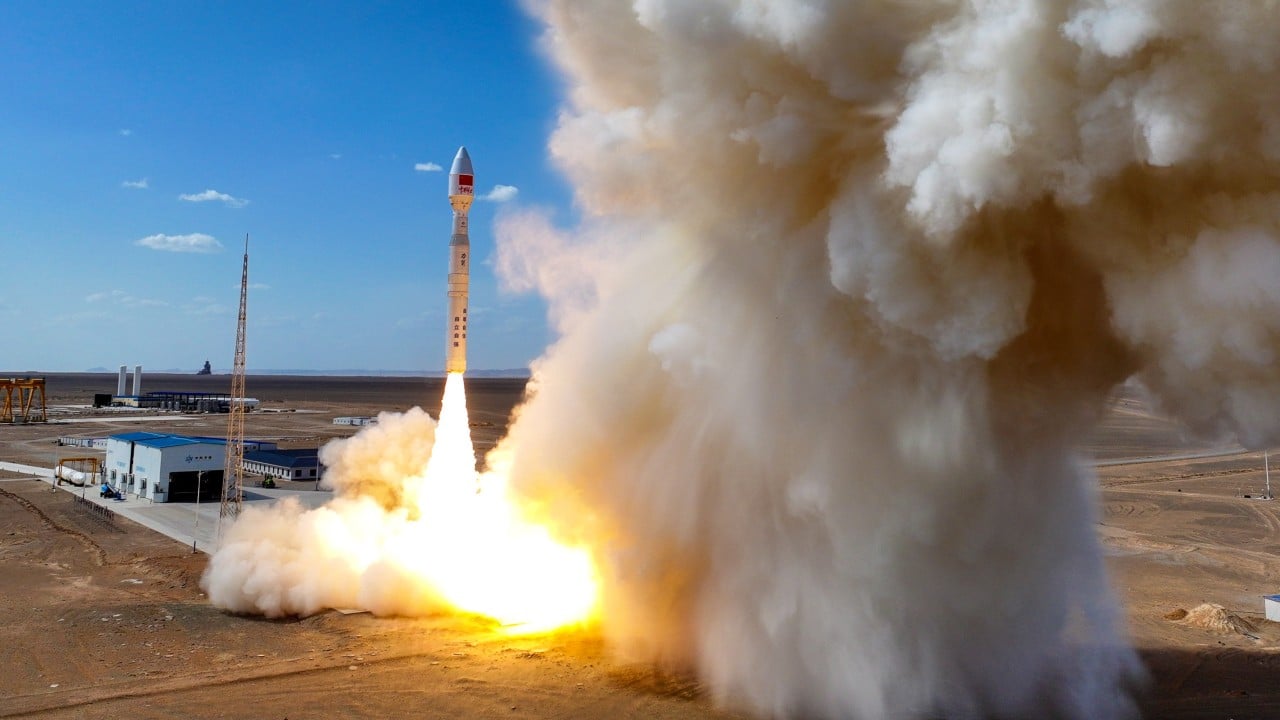
China Bets Billions on AI and Chips to Break US Tech "Chokehold"
China Bets Billions on AI and Chips to Break US Tech "Chokehold" A massive, state-coordinated investment push is underway in China, targeting breakthroughs in advanced semiconductors and artificial intelligence (AI) to overcome U.S.-led technological restrictions. Multiple Chinese provinces and cities are deploying tens of billions of dollars in a concerted effort to achieve self-sufficiency in these critical fields [51155][95150][86995][43531]. The eastern technology hub of Zhejiang has announced a five-year plan specifically aimed at manufacturing advanced AI chips as small as 3 nanometers, a direct counter to U.S. export controls described as a strategic "chokehold" [51155]. Similarly, Shanghai has launched a $10 billion investment plan focusing on microchips and AI among other key technologies [43531]. This provincial action aligns with a major new national strategy unveiled during China's annual political meetings. The blueprint for 2026-2030 prioritizes breaking foreign technological dependencies and directs massive state resources toward frontier sectors like AI and nuclear fusion [95150]. Analysts note this marks a definitive pivot in China's industrial strategy, from absorbing foreign technology to creating and dominating next-generation fields [59734]. Supporting this pivot, a new state-backed investment fund worth over $47 billion has been launched to bolster China's domestic semiconductor industry, with a focus on developing the advanced equipment for chip manufacturing [86995]. The overall science and technology budget for the next five years shows a significant increase, allocating over $61 billion to "future industries" including AI, satellite internet, and electric vehicles [93804]. The race for AI supremacy is highlighting a fundamental strategic divide. While U.S. development is driven by private markets, China's approach is defined by state coordination, aiming to deploy AI as a core component of national infrastructure and social management [109135]. This state-guided model is now being tested as Chinese companies, facing intense domestic competition and backed by significant subsidies, drive a new wave of high-tech exports in sectors like electric vehicles and renewables, a phenomenon some analysts call "China Shock 2.0" [128200]. China Targets 3nm AI Chips to Break US "Chokehold" China's New Plan: Beat US Tech Rivals with AI and Fusion Power China Bets $47 Billion to Break the Chip Barrier Shanghai Bets $10 Billion on Chips and AI in Tech Race China's Tech Pivot: From "Catch-Up" to Cutting-Edge China's $62 Billion Bet Mirrors Musk's Vision AI War: US Bets on Markets, China Bets on Control China's "Shock 2.0": A Flood of High-Tech Goods Reshapes Global Industries
Articles in this Cluster
China's New Rules: Leave and You Could Be Punished

Quad Targets Myanmar's Rare Earths to Counter China

China's "Shock 2.0": A Flood of High-Tech Goods Reshapes Global Industries
China's North Korea Move: A Calculated Play Before Trump Talks
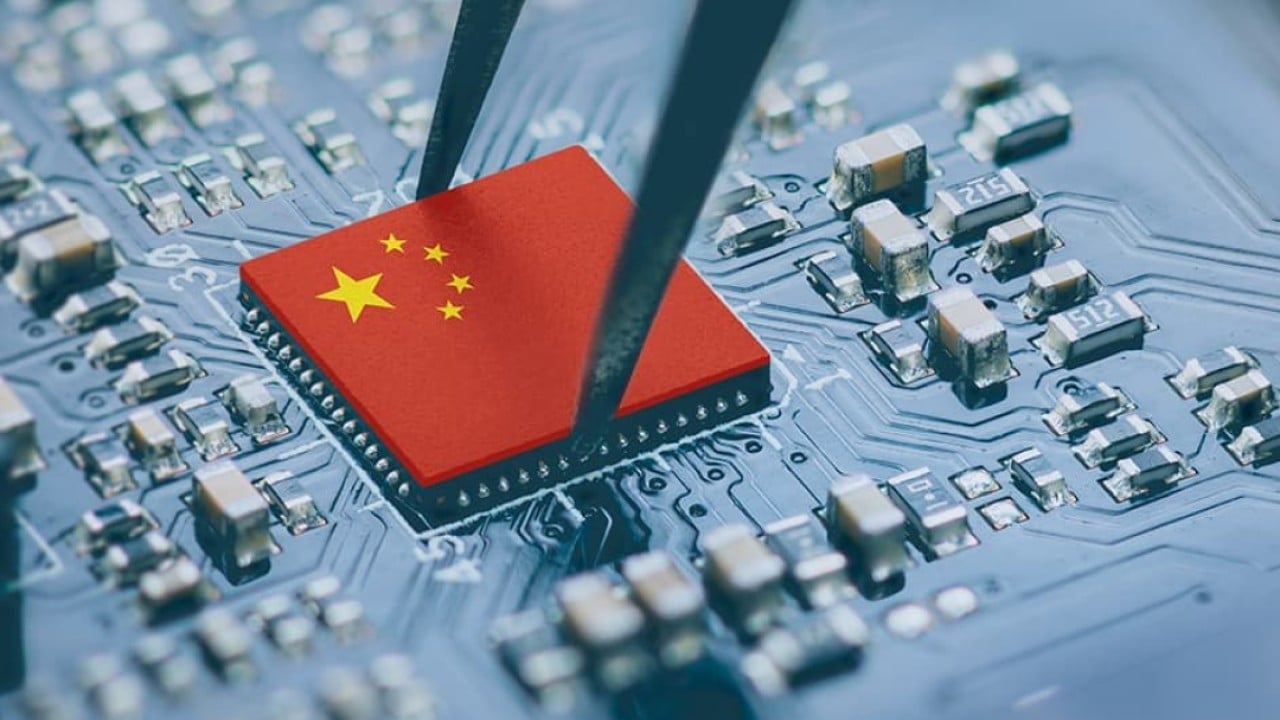
China Targets 3nm AI Chips to Break US "Chokehold"
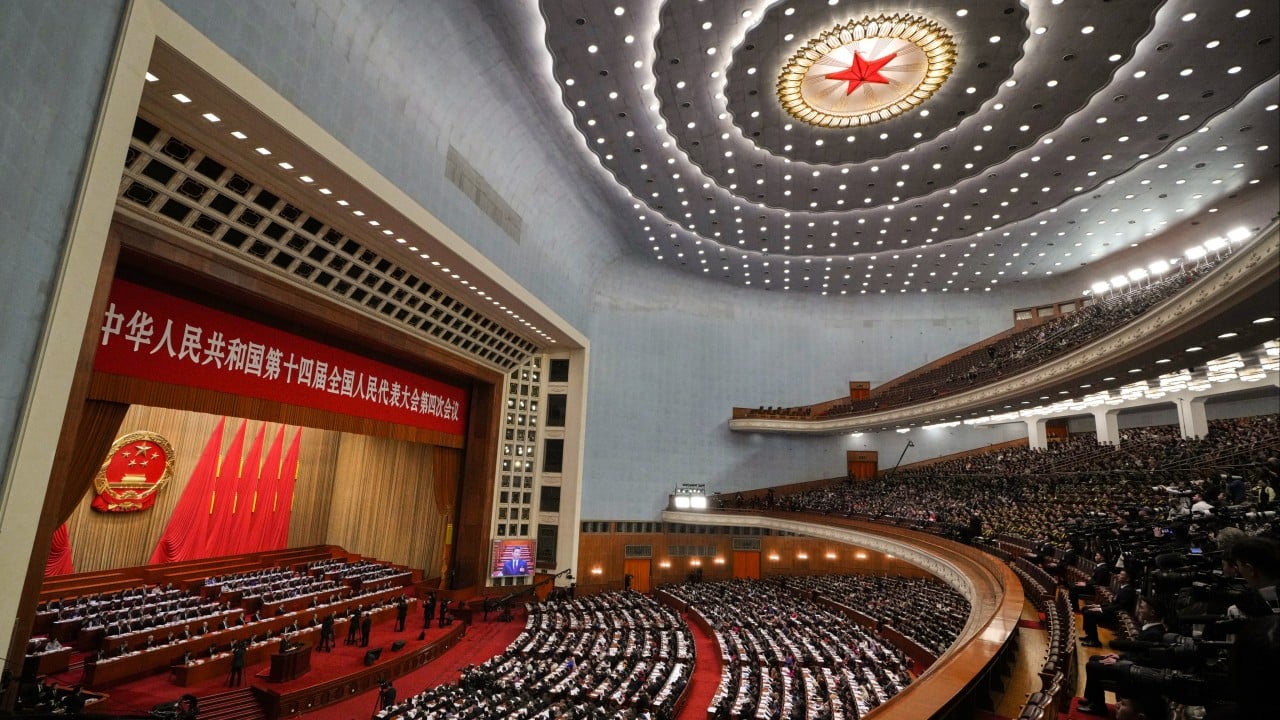
China's New Plan: Beat US Tech Rivals with AI and Fusion Power

China's Tech Pivot: From "Catch-Up" to Cutting-Edge
AI Power Demand Positions China's "Electrostate" for Gain Amid Middle East Conflict

AI War: US Bets on Markets, China Bets on Control

China’s Corporate Giants Seek New Frontiers Abroad
China Bets $47 Billion to Break the Chip Barrier
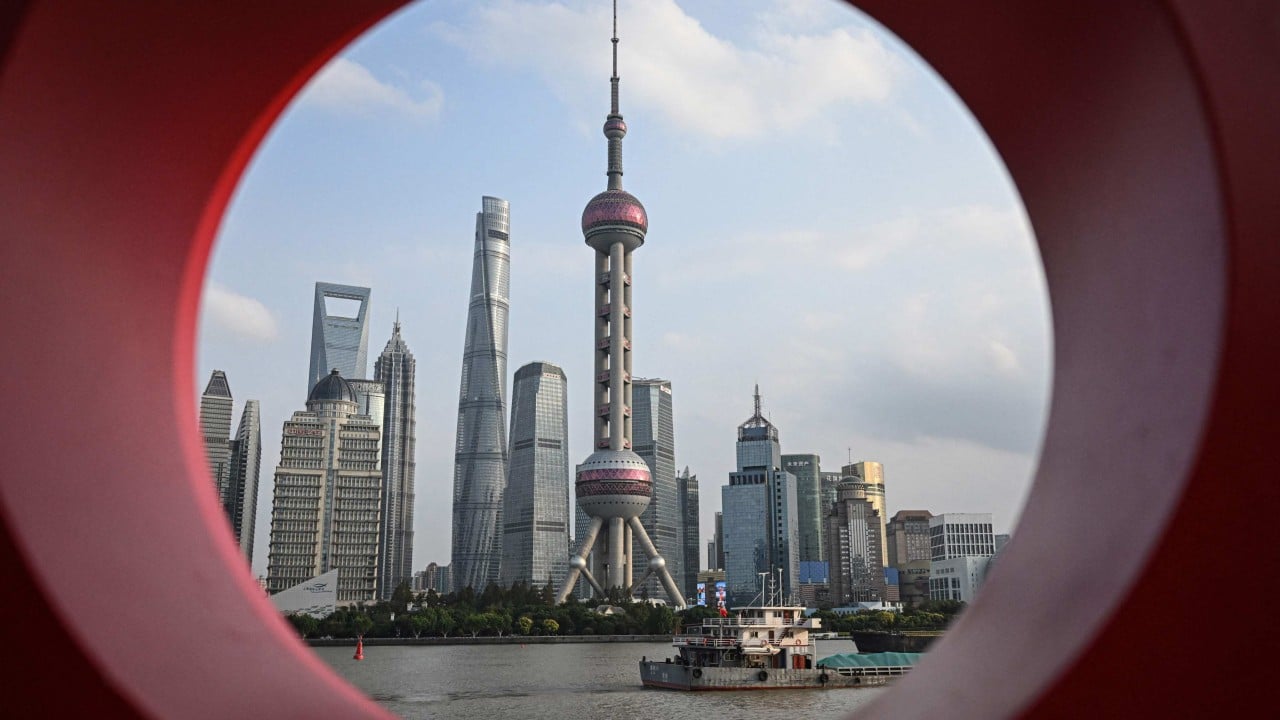
Shanghai Bets $10 Billion on Chips and AI in Tech Race

The New Great Game: A U.S.-China Clash Over Resources Begins

Trump Sets China Trip as EU Bans Tech Firms: Your Asia Brief