Latest News
Stay updated with the latest news and articles
Top Stories
U.S. Threatens Hormuz Blockade, 50% Tariffs in Sharp Escalation with Iran and China
U.S. Threatens Hormuz Blockade, 50% Tariffs in Sharp Escalation with Iran and China The United States has initiated a naval blockade of Iranian ports in the strategic Strait of Hormuz and threatened massive new tariffs, marking a dangerous escalation in tensions with Iran and placing key ally China in a difficult position [128160][128051]. U.S. naval forces moved to block the vital global oil transit route on Monday, a direct military action aimed at pressuring Tehran. Simultaneously, the U.S. threatened to impose 50% tariffs on any country that provides weapons to Iran, a measure analysts say directly targets China [128051]. The economic threat follows a specific warning from former U.S. President Donald Trump on April 12, who stated the U.S. would impose a 50% tariff on China after reports indicated Chinese support for Iran's military [128051]. The dual actions represent a coordinated pressure campaign. China, a major buyer of Iranian oil and reliant on the strait for energy supplies, has urgently called for the U.S. and Iran to restart negotiations. Experts warn the U.S. moves "force Beijing into a political dilemma," forcing it to balance its relationship with Iran against the need for stable ties with the United States [128027][128051]. The Strait of Hormuz is a crucial chokepoint for global oil shipments, and a prolonged blockade risks significant disruption to energy markets and further regional destabilization [128160][128051]. The situation has already caused alarm in nations dependent on oil imports, such as Sri Lanka, which fears the conflict could spike fuel prices and derail its fragile economic recovery [128227]. The escalation also risks disrupting diplomatic calendars. Analysts note that Trump's threat to seal off the strait could jeopardize his planned summit with Chinese leader Xi Jinping, as it creates a major point of tension between the two powers [128027]. Trump Criticizes Pope, U.S. Blockades Iran in Strategic Strait US Threatens Hormuz Blockade, 50% Tariffs in Sharp Escalation with Iran and China Trump's Hormuz Threat Puts Xi Summit at Risk Iran Conflict Threatens Sri Lanka's Fragile Economic Recovery

Tourism's New Frontier: From Tombs to Rooftops, Travelers Chase Meaning Over Monuments
Tourism's New Frontier: From Tombs to Rooftops, Travelers Chase Meaning Over Monuments From the favelas of Rio to the remote tombs of China, a new wave of tourism is reshaping how and why people travel. Driven by social media and a search for deeper connection, visitors are increasingly bypassing traditional landmarks in favor of hyper-specific, often personal, experiences that promise authenticity and a story to tell. This shift is vividly illustrated in Rio de Janeiro's Rocinha favela, where a single rooftop known as the "Gateway to Heaven" has become a global pilgrimage site. Visitors wait for hours for a photo that frames the Christ the Redeemer statue through a unique architectural gap, an image popularized by viral videos [101397]. Local guides have created an ad-hoc tourism economy, ferrying visitors up the narrow streets on motorbike taxis. A similar, though more scholarly, pursuit is underway in China, where a community of mostly young women, calling themselves "history fangirls," are embarking on solo pilgrimages to historical sites and ancient gravesites [81566]. One enthusiast documented a year-long project visiting 52 tombs across the country, seeking a personal connection to the past far removed from crowded museums. The quest for meaningful travel is also being harnessed for economic and cultural revival. In Benin, the government is formally developing sites linked to the transatlantic slave trade, like the "Door of No Return" in Ouidah, into museums and walking tours [127747]. The strategy focuses on "roots tourism," aiming to attract diaspora visitors seeking heritage connections while building a new economic model based on respectful remembrance. Meanwhile, the Indian Himalayas offer a model of community-based tourism designed to combat urban flight. For over two decades, the Village Ways project has connected travelers with remote villages, providing direct income to residents through guided walking tours and homestays [100125]. The initiative, now in over 30 villages, helps preserve traditional life by making it economically viable. Even established destinations are repackaging their offerings to cater to this trend. On Spain's Cantabrian coast, promoters highlight a "30,000-year trip in 30 minutes," where visitors can move from prehistoric cave art replicas to a medieval town and finally to a modern surf beach in one short itinerary [126633]. Industry experts confirm this is part of a larger movement. "Travelers are now looking for more meaningful tourism," says Carl Cater, a tourism professor at Swansea University, predicting 2026 will solidify this shift toward personalized, experience-driven trips [36959]. Viral 'Gateway to Heaven' Rooftop Floods Rio Favela with Tourists China's 'History Fangirls' Hunt Tombs, Write Books From Slave Port to Tourist Stop: Benin Confronts Its Past Village Tourism Pioneer Fights Urban Flight in India's Himalayas From Cave Art to Surfboards: A 30,000-Year Trip in 30 Minutes Beyond Paris: TV Drives 2026 "Meaningful Tourism" Trend

Iran-Turkey Border Sees Two-Way Rush as Families Flee Bombs, Reunite in War Zone
Iran-Turkey Border Sees Two-Way Rush as Families Flee Bombs, Reunite in War Zone A remote mountain pass between Iran and Turkey has become a scene of desperate two-way traffic, with civilians crossing in both directions to escape bombardment or reunite with endangered family members as conflict intensifies inside Iran [95980][119947]. At the snow-covered Kapıköy crossing, some Iranians are fleeing into Turkey, citing relentless nightly airstrikes and government-imposed internet blackouts that cut off communication. "Every night they are bombarding," said one recent arrival who identified himself only as Amir [119947]. The surge of refugees marks a sharp shift from just weeks ago, when the same crossing was primarily used by Iranian tourists visiting Turkey for shopping and nightlife [119947]. In a contrasting movement, other Iranians are traveling from Turkey back into Iran. These individuals are returning to be closer to relatives who are trapped in conflict zones and facing danger, despite the risks [95980][119947]. Eyewitnesses report that returning citizens are often unable to contact loved ones due to widespread communication disruptions, forcing them to make the perilous journey home [95980]. The border has become a symbol of the war's divisive impact, with people moving in opposite directions for the same fundamental reasons: seeking safety and protecting family [119947]. Two-Way Flight: Iranians Flee Bombs, Others Rush Back to Family Iranians Cross Border in Both Directions as War Intensifies


Trump Revives Push to Buy Greenland, Using Tariff Threats and Cash Offers
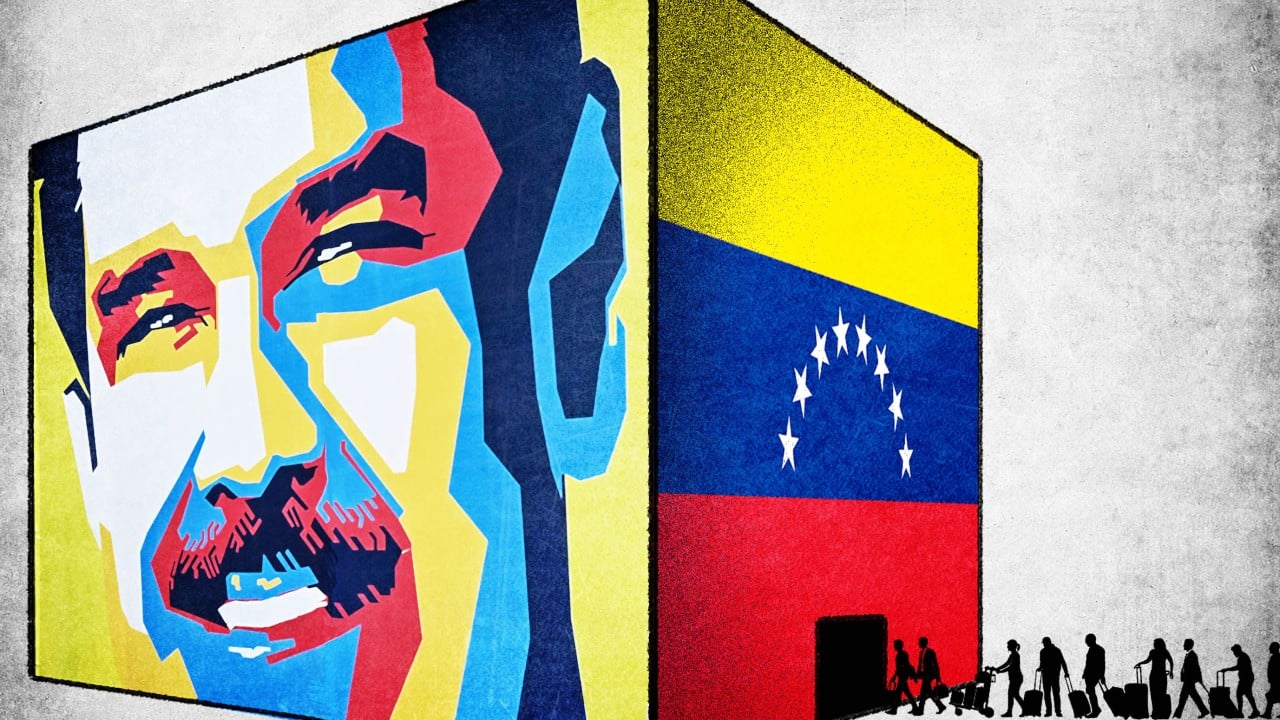
Trump Revives Push to Buy Greenland, Using Tariff Threats and Cash Offers Former President Donald Trump is renewing his controversial campaign to purchase Greenland, employing a mix of financial incentives, tariff threats, and public pressure tactics more familiar to real estate deals than international diplomacy. The autonomous Danish territory has repeatedly stated it is not for sale [50444]. Trump publicly discussed the potential acquisition during a speech at the World Economic Forum in Davos, Switzerland, stating the United States should be allowed to buy the strategically important Arctic island [55297]. He later clarified he does not want to use military force to acquire it, but called for immediate negotiations [55327]. His methods have reportedly included direct cash offers to Greenlanders and threats of economic penalties against Denmark if the sale is blocked [50444]. The push highlights Trump’s unorthodox approach to foreign policy, which experts say conflates genuine strategic interests with unrealistic expansionist ideas [50444]. Greenland’s location makes it increasingly valuable for shipping lanes and resource extraction as Arctic ice melts. However, analysts widely agree the pressure strategy is destined to fail [52669]. Both the Greenlandic and Danish governments have consistently and firmly rejected the proposition. “Greenland is not for sale,” officials have stated, viewing themselves as a modern nation rather than a commodity [50444][52669]. Experts note that applying economic pressure could backfire, strengthening local resistance rather than forcing a deal. Furthermore, aggressive moves in the Arctic risk provoking backlash from other global powers, like China and Russia, who are closely monitoring the region [52669]. Trump’s interest, first revealed during his presidency, previously caused a significant diplomatic rift with Denmark. After the Danish government dismissed the idea, Trump called its response “nasty” and postponed a state visit [50444]. His return to the topic on a global stage signals a continued willingness to challenge longstanding diplomatic norms and alliance relationships in pursuit of territorial and strategic goals [55297][58552]. Trump at Davos: Questions NATO, Wants to Buy Greenland Trump Eyes Greenland: Cash, Threats, and Military Force Trump at Davos: Skips Soft Power, Targets Greenland and NATO Allies Trump's Tariff Plan Fails to "Capture" Greenland Trump's 'New Imperialism': Land Grabs and a Rejected World Order

India's Farmers Block Highways, Fearing U.S. Trade Deal Will Crash Crop Prices
**India's Farmers Block Highways, Fearing U.S. Trade Deal Will Crash Crop Prices** Thousands of Indian farmers have taken to the streets and blocked major highways, launching a new wave of protests against a recently announced trade agreement with the United States. The farmers fear the deal will flood the market with cheaper American agricultural goods, threatening their livelihoods and a longstanding government price support system [75183]. Protesters, using tractors and trucks, have barricaded roads leading into the capital, New Delhi, demanding the government reject the pact [75183][73750]. Their central concern is the potential impact on India's Minimum Support Price (MSP) system, under which the government buys key staples like wheat and rice at guaranteed prices [73750]. Farmers argue the trade terms could force India to reduce these supports or allow a surge of imports, leading to a catastrophic drop in their incomes [73750]. The trade deal, struck during a visit by former U.S. President Donald Trump, is seen as a diplomatic victory for Prime Minister Narendra Modi [73750]. However, it has ignited immediate backlash from the politically powerful farming community, a crucial voting bloc [73750]. The nationwide strike also saw farmers and trade unions blocking railways, highlighting deep-seated tensions over the direction of India's economic policy [75183]. While the Indian government insists the agreement includes safeguards for the agriculture sector and that the MSP system remains protected, protest leaders express deep distrust [75183][73750]. They argue the deal ultimately favors U.S. corporate interests over Indian farmers [75183]. Negotiations between farmer unions and government officials are currently ongoing, with security heightened around the capital as the standoff continues [73750]. Indian Farmers Strike, Fearing U.S. Trade Deal Will Flood Market India's Farmers Protest as Modi-Trump Trade Pact Threatens Key Crop Prices
U.S. Forces Capture Venezuelan President Maduro in Military Strike, Plan to "Run" Country
U.S. Forces Capture Venezuelan President Maduro in Military Strike, Plan to "Run" Country In an unprecedented military escalation, United States forces have captured Venezuelan President Nicolás Maduro and his wife, Cilia Flores, following a series of strikes on Venezuelan territory. The operation, which occurred on Saturday, January 3, has removed the long-time leader from power and prompted U.S. officials to announce they will now directly administer the crisis-stricken South American nation [41033][41227][41055]. Former U.S. President Donald Trump, who announced the operation, stated the United States will "run" Venezuela to "fix" its collapsed oil infrastructure and "take back the oil" [41227][40871][41525]. Venezuela holds the world's largest proven oil reserves, but its production has plummeted after years of economic mismanagement and crippling U.S. sanctions [41227][40871]. Maduro and his wife were reportedly flown out of Venezuela and are expected to face criminal charges, including terrorism and narcotics offenses, in a New York court [41136][40871][40942]. The U.S. has long labeled Maduro's government as illegitimate, accusing it of corruption, human rights abuses, and stealing the 2018 election [41136][40668][41525]. The immediate aftermath has created a dangerous power vacuum in Venezuela, with no clear successor named [41136]. While the U.S. has recognized opposition leader Juan Guaidó as the country's legitimate president since 2019, Trump suggested Maduro's deputy, Delcy Rodríguez, should follow U.S. orders, though she has so far defied them [41379][41525]. The military action represents a direct and historic intervention in the Western Hemisphere, marking the first major U.S. military attack on South American land in decades [41525]. International legal experts have immediately questioned the operation's legality, predicting the U.S. will justify it as an act of self-defense [40942]. With Maduro's capture, the U.S. now controls a nation of 30 million people suffering from hyperinflation, severe food shortages, and a profound humanitarian crisis [42114]. The long-term plan for Venezuela's governance and stability remains unclear, as the world awaits reactions from regional allies and global powers [41055][40505]. U.S. Forces Capture Venezuelan President in Military Strike Venezuela Leader Ousted in U.S. Strike, Faces Charges in New York US Strikes Venezuela, Captures President Maduro U.S. Captures Venezuela's President in Secret Operation U.S. Forces Capture Venezuelan President Nicolás Maduro US Strikes Venezuela, Abducts President Maduro US Captures Venezuelan President in "Large-Scale Strike" U.S. Military Strike Captures Venezuelan Leader Maduro U.S. Captures Maduro: What Now for Venezuela? US Seizes Venezuelan President, Vows to "Run" Country and "Take Back the Oil" U.S. Claims Capture of Venezuelan Leader in Military Strike U.S. Strikes Venezuela, Captures President Maduro US Captures Venezuelan President in Military Strike U.S. Strikes Venezuela, Captures President Maduro
AI Takes Over the Olympics: New Tech Spins Jumps, Maps Trees and Hunts Landmines
AI Takes Over the Olympics: New Tech Spins Jumps, Maps Trees and Hunts Landmines From the Winter Games to environmental surveys and bomb disposal, artificial intelligence is rapidly moving from labs to real-world tasks, creating new angles for viewers and new tools for critical operations. A new broadcasting technology that uses artificial intelligence (AI) to show athletic moves from impossible angles made its global debut at this month's Winter Olympics [82096]. When American figure skater Ilia Malinin performed a quadruple jump, the replay showed his four revolutions with video frames that appeared to orbit around him in mid-air [82096]. The system creates detailed 3D models from standard camera footage, allowing broadcasters to show replays from any vantage point [82096]. This AI is doing more than just improving television; it is also assisting officials with judging and generating content for social media [82096]. Beyond sports, similar AI-powered systems are being deployed for safety and environmental protection. The United Kingdom is testing drones that use AI to scan the ground and automatically identify hidden landmines and explosives from a safe distance [118535]. Officials say a successful trial has shown the system works and could significantly reduce risks to military personnel during clearance operations [118535]. In Hong Kong, an AI-powered camera system is being used to automatically identify bird species, while a laser-scanning robot, resembling a robotic dog, moves through wooded areas to create detailed 3D maps of trees [47560]. Officials state these tools eliminate human error from wildlife surveys, providing critical data to balance new infrastructure projects with sustainable development [47560]. Meanwhile, the relentless demand for more powerful AI is driving a race for better hardware. Chinese scientists announced a new method to grow next-generation "2D" semiconductors—ultra-thin materials often just one atom thick—reportedly 1,000 times faster than before, which could accelerate production of advanced chips [126743]. AI Replay Tech Makes Olympic Jumps Spin on Screen AI Drones Hunt Landmines: UK Tests Life-Saving Tech Hong Kong Deploys AI Robot Dogs to Scan for Wildlife China Claims 1,000x Faster Chip Breakthrough

Court Overturns African Football Champion, Strips Senegal of Title in Unprecedented Move
Court Overturns African Football Champion, Strips Senegal of Title in Unprecedented Move A top international sports court has made a stunning decision, stripping Senegal of its Africa Cup of Nations championship and awarding the title to Morocco instead. The ruling was issued Tuesday by the Court of Arbitration for Sport (CAS), the highest legal authority in global sports disputes [105769]. The court overturned the result of the tournament's final, which was played in January and originally won by Senegal [105769]. The African football governing body had referred the controversial case to the court for a final judgment [105769]. No official reason for the dramatic reversal was provided in the court's initial announcement [105769]. The full details of the ruling are expected to be released later this week by the Confederation of African Football [105769]. The decision is final and cannot be appealed [105769]. This unprecedented action rewrites the recent history of the continent's premier international football competition [105769]. Senegal's celebrated first continental title, a landmark moment for the nation, has now been erased from the official record books [105769]. The Africa Cup of Nations tournament, often referred to as AFCON, kicked off earlier this year in Ivory Coast [40057]. The competition is known for its dramatic moments, such as Zambia's last-gasp equalizer against Mali in the group stage, secured by a stoppage-time diving header from Patson Daka [32394]. The final verdict from the sports court, however, has created the most significant and controversial development of the tournament cycle. Court Shocker: Morocco Awarded Africa Cup Title, Overturning Senegal's Win Sports Weekend: Darts Final, Cricket, and Africa's Cup Kick Off Daka's Last-Minute Header Stuns Mali in AFCON Opener

Viral Trends and Ancient Crafts: How Digital Fame Tests the Heart of Cultural Identity
Viral Trends and Ancient Crafts: How Digital Fame Tests the Heart of Cultural Identity From the Arctic to Syria, and across social media platforms, communities are navigating a complex moment where their deepest cultural expressions are simultaneously celebrated, commodified, and fought for. As ancient traditions seek preservation and viral memes spark global imitation, a central question emerges: what happens when your heritage becomes a trend? In Scandinavia, the Indigenous Sámi people are experiencing a surge of interest in their culture through music. A DJ duo from Norway’s remote Sápmi region is gaining international acclaim by blending modern electronic beats with traditional Sámi rhythmic singing, known as joik [79759]. Their success taps into a growing audience appetite for authentic Indigenous sounds in global club culture, turning their geographic isolation into a creative advantage. Meanwhile, in war-torn Syria, cultural resilience takes a different form. A German scholar recently highlighted the nation’s ancient craft of embroidery as a powerful, living symbol of identity that has endured despite widespread physical destruction [47200]. Similarly, the Circassian community in Syria has maintained its unique language and customs for over a century while fully integrating into national society, demonstrating a model of cultural preservation [36001]. This global spotlight on specific traditions contrasts sharply with a fleeting digital phenomenon. A viral trend dubbed "Chinamaxxing" saw people worldwide adopting Chinese cultural habits—like drinking hot water and wearing house slippers—driving content that gathered hundreds of thousands of views on platforms like TikTok and Instagram [109231]. For many of Chinese heritage, watching lifelong practices become short-lived internet memes has been a strange and unsettling experience, raising doubts about the depth and longevity of such online appreciation. The tension between meaningful preservation and superficial trendiness is being formally addressed in some regions. In Malaysia, the annual Chingay parade, featuring performers who balance towering flagpoles on their chins, is at the center of a joint UNESCO Intangible Cultural Heritage application with Singapore [31985]. Organizers hope the designation will protect and promote the century-old art form, securing its status beyond passing fads. From the rhythmic joiks of the Sámi to the intricate stitches of Syrian embroidery, communities are working to ensure their cultural “heartbeat,” as Chinese writer Feng Jicai described the Spring Festival, continues to define them—whether the algorithm is watching or not [84043]. Remote DJs Rise with Sámi Sound, Fueling Indigenous Pride Syrian Embroidery Survives War, Defines Identity Syria's North Caucasus Legacy: The Circassians' Enduring Identity Chinamaxxing: When Your Culture Becomes a Viral Meme Malaysia's Chin-Balancing Spectacle Aims for UNESCO Glory Feng Jicai: Chinese New Year is More Than Fireworks

China's Extreme Fitness Trends Spark Severe Health Warnings
China's Extreme Fitness Trends Spark Severe Health Warnings A dangerous new fitness trend is spreading among young people in China. Doctors are warning it can cause severe spinal damage, while another case highlights the risks of excessive exercise on reproductive health. The activity, called "neck-hanging exercise," involves people suspending their full body weight by their head from tree branches. Participants aim to mimic professional cervical traction therapy, a medical treatment for neck pain [122710]. This trend follows a reported rise in cervical spine disorders. An official 2024 health report states over 200 million people in China suffer from such conditions. Notably, more than 40% of patients are under age 30 [122710]. Medical experts strongly warn against the practice. They state that unsupervised spinal traction can lead to permanent injury, including ligament damage, paralysis, and stroke. Professional therapy uses controlled, measured force applied by specialists [122710]. In a separate but related health incident, a 23-year-old woman in China has stopped menstruating after an intense exercise regimen caused rapid weight loss. Hospital tests revealed her female hormone levels were similar to those of a typical 50-year-old [46995]. Doctors diagnosed her with clear symptoms of kidney deficiency, a concept in Traditional Chinese Medicine (TCM). They instructed her to stop all workouts immediately and prescribed significant amounts of TCM to recover [46995]. The "neck-hanging" trend continues to gain popularity online despite urgent medical warnings [122710]. Dangerous "Neck-Hanging" Trend Alarms Doctors in China Young Woman's Extreme Fitness Halts Her Periods
Latest Articles
China's North Korea Move: A Calculated Play Before Trump Talks
Chinese Foreign Minister Wang Yi's recent visit to North Korea was a strategic maneuver. Analysts say it had three clear goals, all tied to the plann...

Pakistan Seeks Cash to Repay $3 Billion UAE Debt as Rollover Fails
Pakistan's finance minister says the country is committed to repaying a $3 billion loan from the United Arab Emirates. The payment is due soon. Mini...

Man Discovers Thermometer He Swallowed 20 Years Ago Still Inside Body
A Chinese man has made a shocking medical discovery: a mercury thermometer he swallowed as a child remained in his body for two decades. The 32-year...
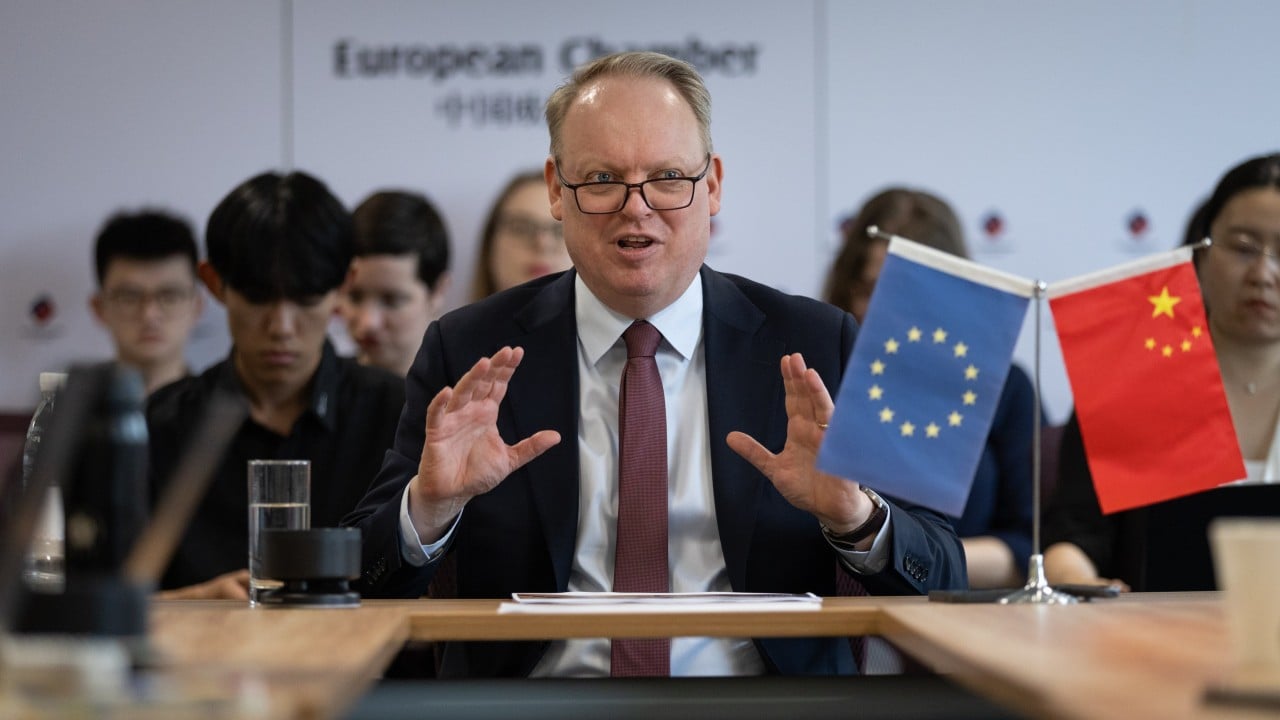
EU Business in China Warns: "Europe Cannot Be a Spectator" in US-China Trade Fight
A top European business group has issued a sharp warning to the European Union. It says the EU must not sit on the sidelines of the US-China trade co...
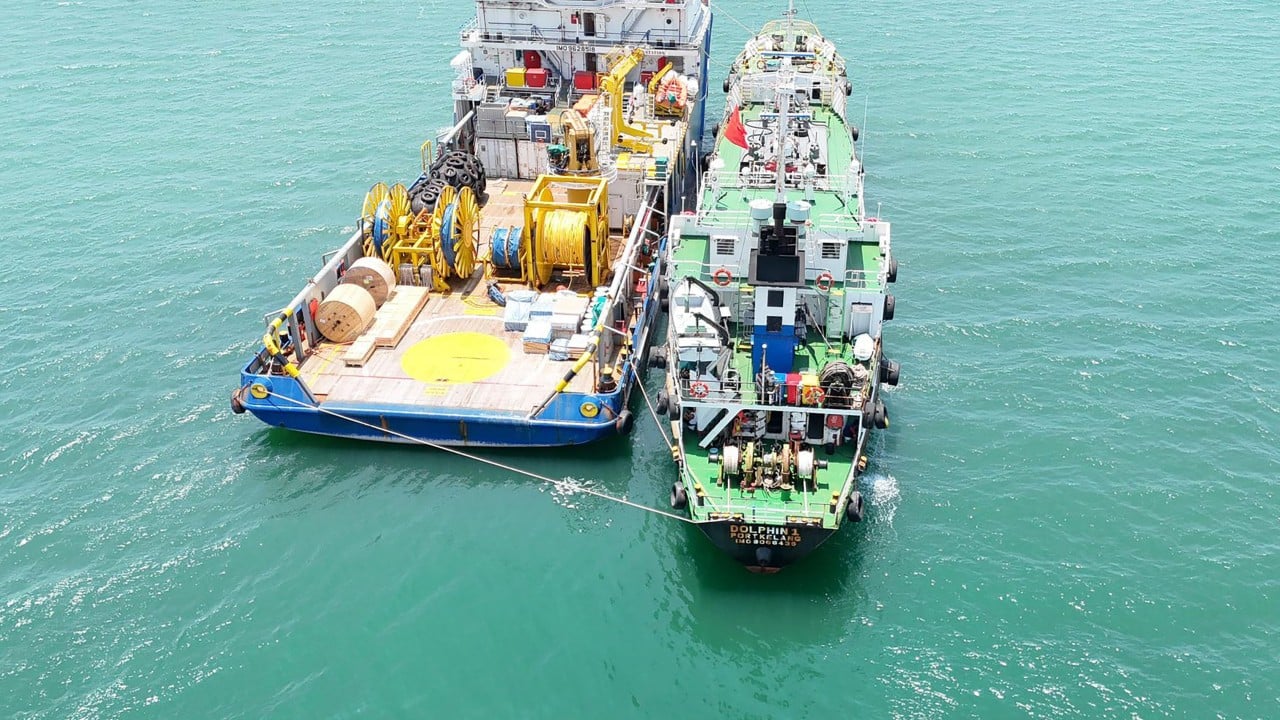
Malaysia Bust Exposes "Shadow Fleet" Fuel Trade
A recent oil bust in Malaysia has highlighted a thriving illegal fuel trade in Southeast Asia. This "shadow fleet" often moves oil from sanctioned na...
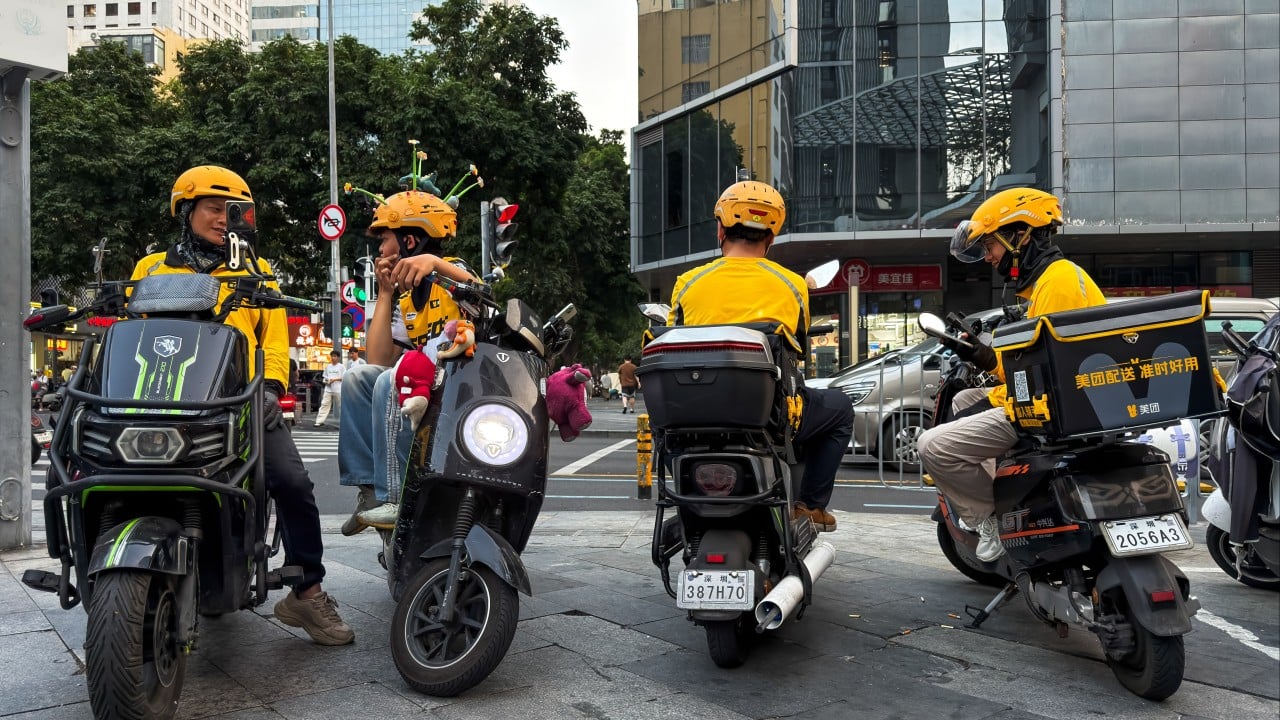
New Shenzhen Boss Faces First Test: A Perfect APEC
Shenzhen's new Communist Party chief, Jin Lei, faces immediate pressure. His first major task is ensuring the city successfully hosts the APEC leaders...

Asia Flight Cancellations Spike as Iran Conflict Chokes Fuel Supply
A severe jet fuel shortage is disrupting air travel across Asia. Airlines are canceling flights as prices surge and supplies shrink. The crisis foll...
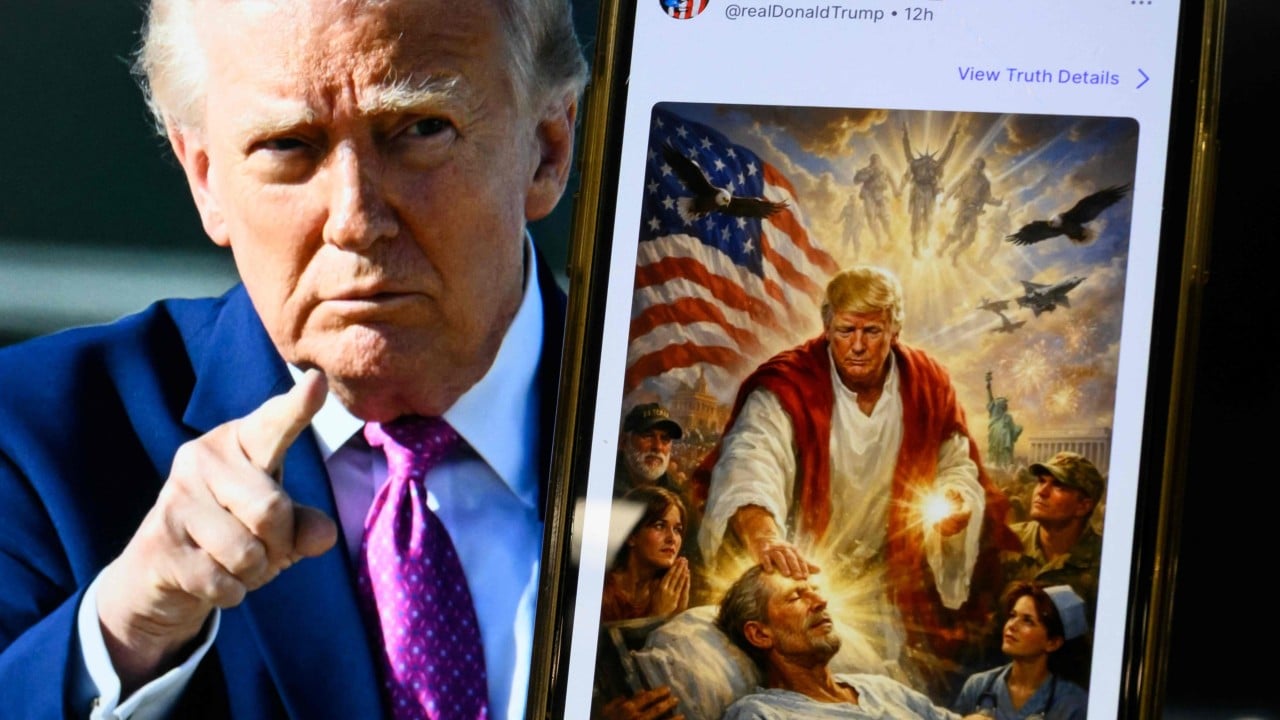
Trump Defends Deleted "Jesus" Post, Says It Was Him "As a Doctor"
President Donald Trump has defended a controversial social media post he deleted, which many saw as depicting him as Jesus Christ. He stated the imag...
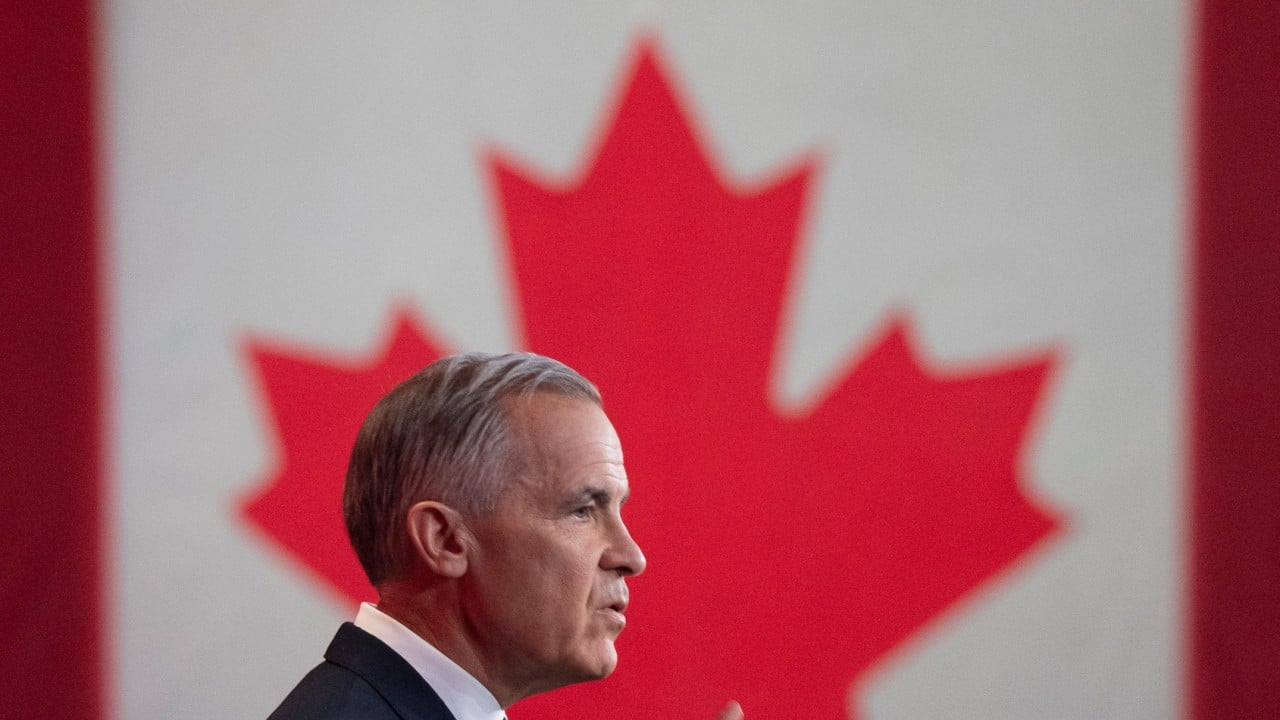
Carney Wins Majority, Gains Power to Challenge Trump Trade War
Canadian Prime Minister Mark Carney has won a parliamentary majority for his Liberal Party. The victory came after special elections on Monday. This...
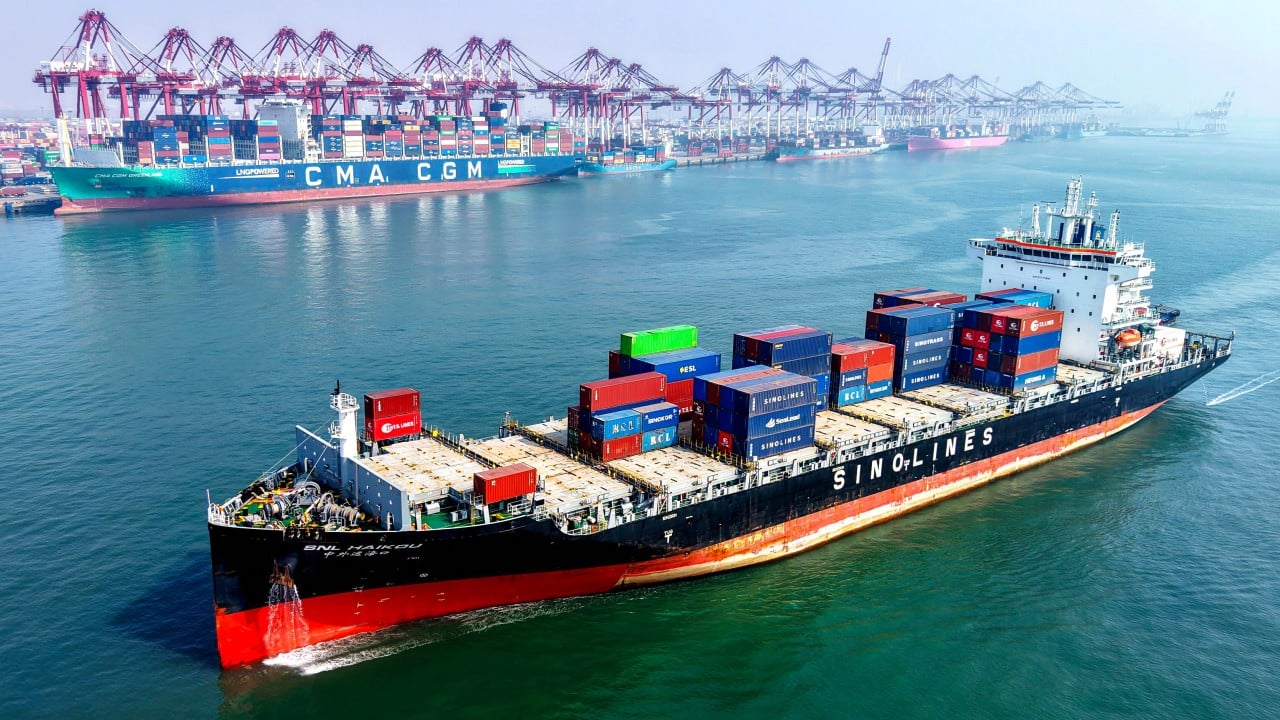
China's Exports Slump as Hormuz Blockade Sends Import Costs Soaring
China's trade felt the direct impact of Middle East conflict in March. A blockade in the Strait of Hormuz disrupted global shipping, sharply raising...
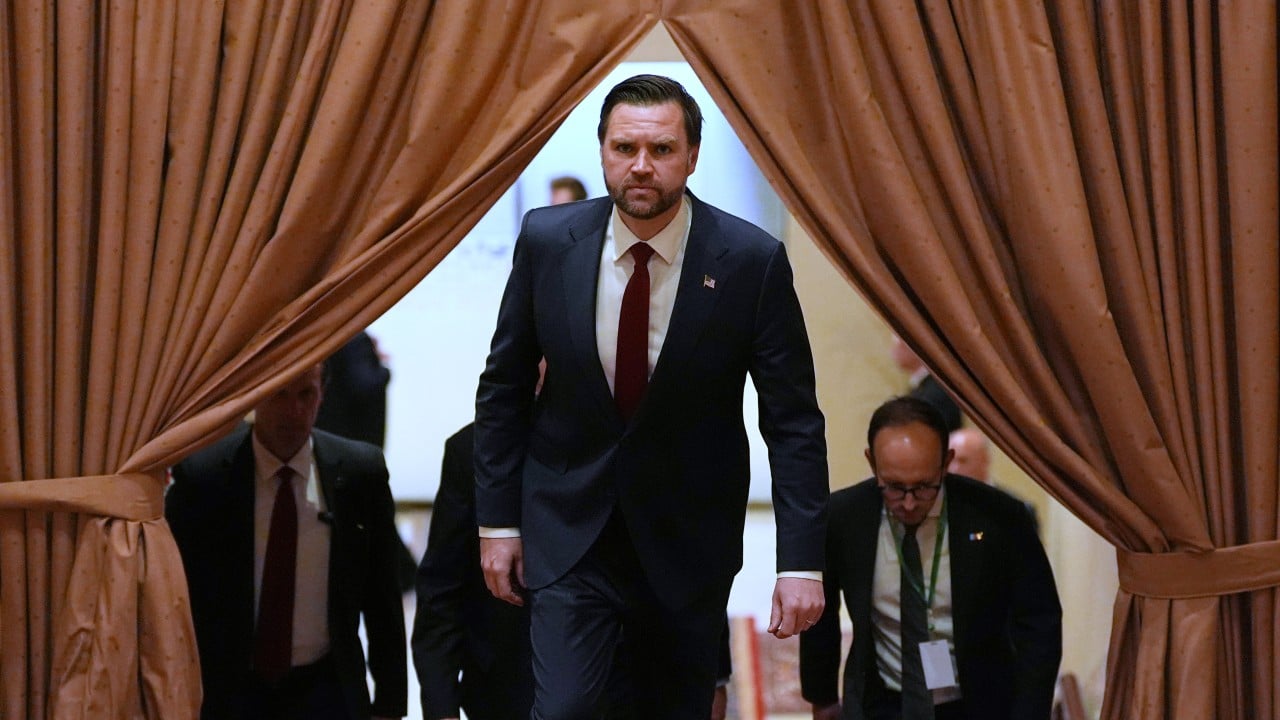
Vance's Week: Iran Deal Fails, Key Ally Exits
U.S. Vice-President J.D. Vance faced a double setback last week. His diplomatic mission to secure a deal with Iran failed. At the same time, a key Am...

Malaysia's PM Denies Secret Diesel Deal with Philippines
Malaysian Prime Minister Anwar Ibrahim has publicly denied allegations that his country is directly supplying diesel fuel to the Philippines. The st...
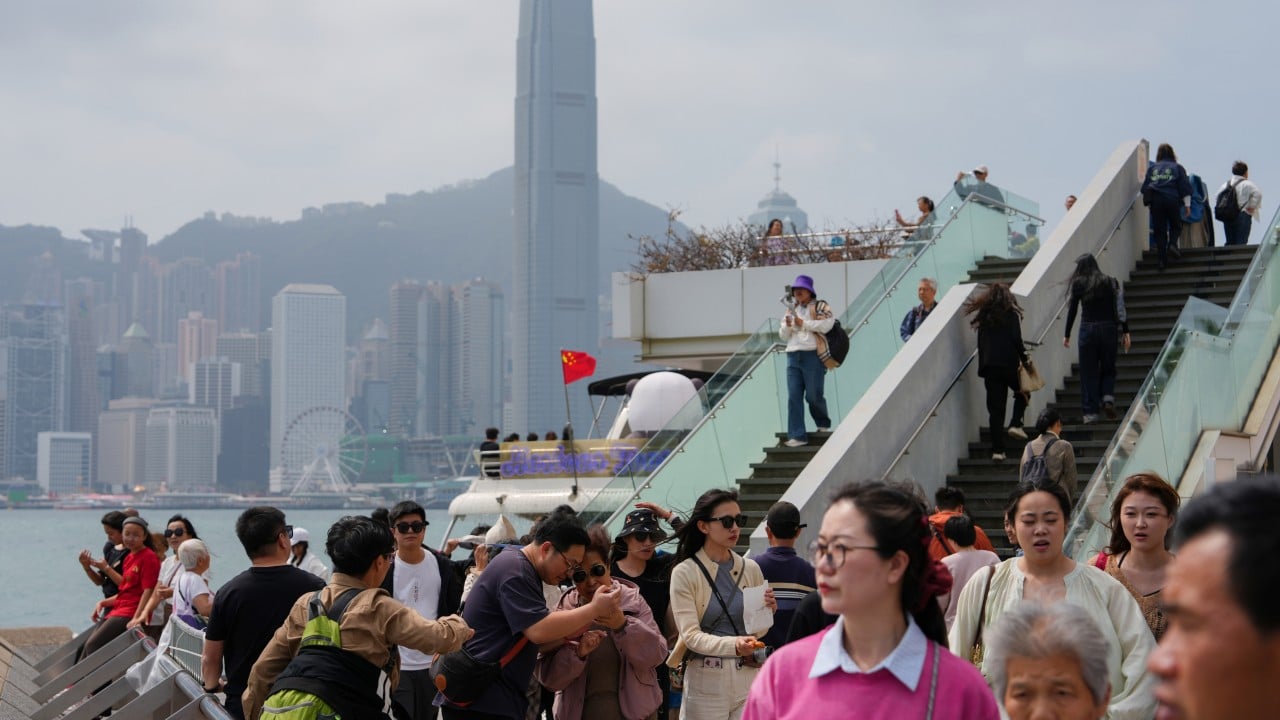
Title: Tours Too Cheap? Hong Kong Warns of Forced Shopping.
**Article:** Unreasonably cheap tour packages are leading to forced shopping in Hong Kong, tourism experts warn. They urge stronger oversight for th...
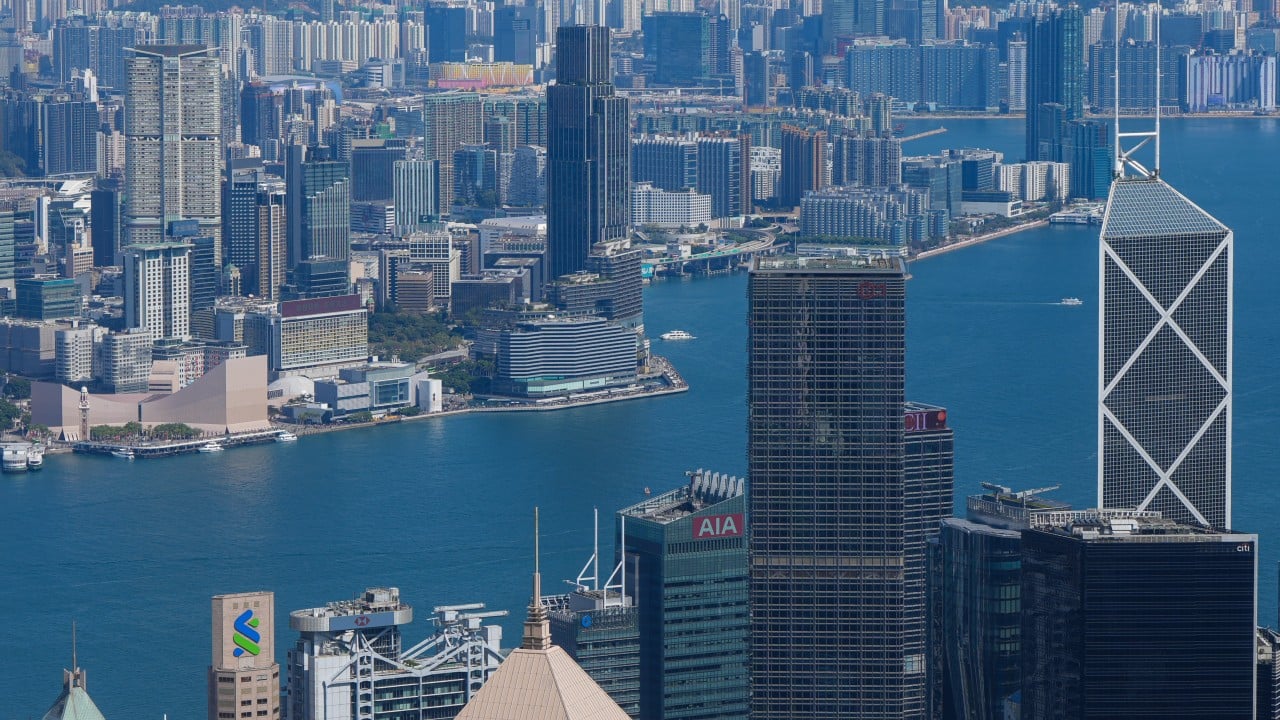
Hong Kong Aims to Be China's Quantum Gateway Despite US Sanctions
Hong Kong is the most US-sanctioned territory in China. Washington has blacklisted over 300 Hong Kong entities to slow China's tech advancement. Des...
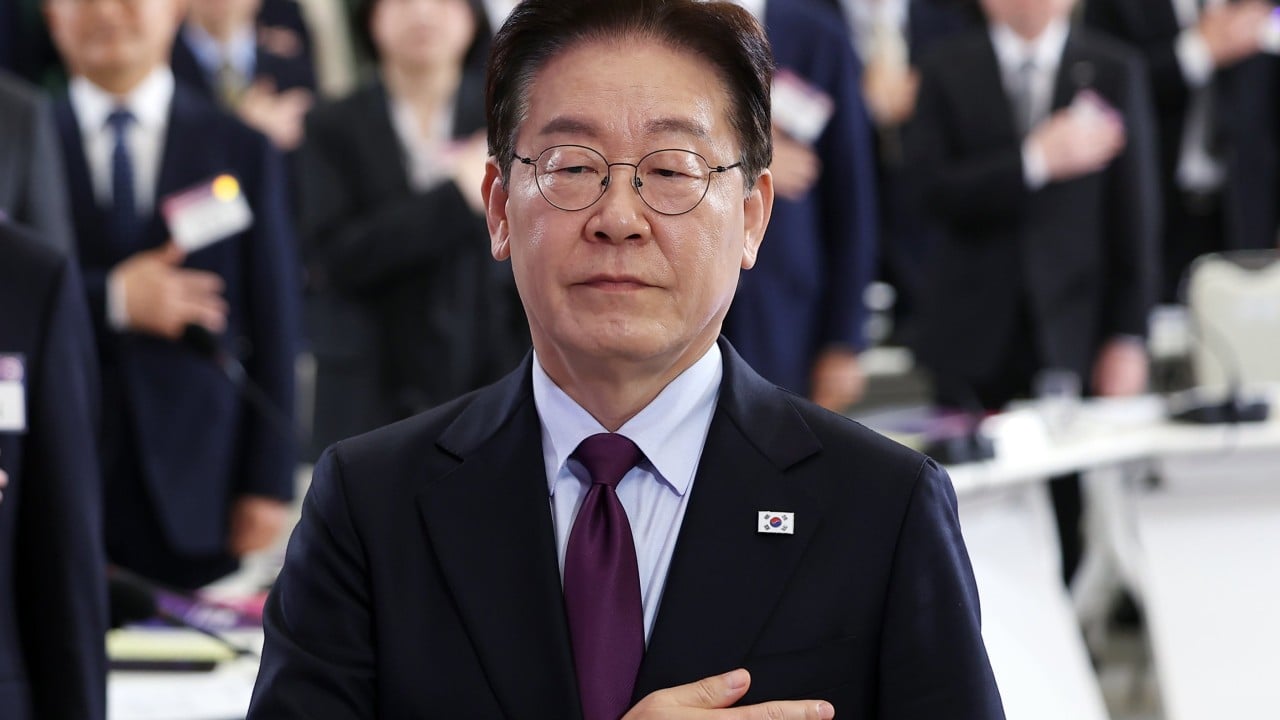
South Korean Tankers Stranded as President Clashes with Israel
At least 26 South Korean oil tankers are stranded near the Strait of Hormuz. Analysts say this may explain President Lee Jae Myung's sudden diplomati...

Evergrande Founder Pleads Guilty to Massive Fraud
The founder of China's collapsed property giant Evergrande has pleaded guilty to multiple financial crimes. Hui Ka-yan admitted to charges including...

Hong Kong Lawyer Hit with New Charges as Second Victim Comes Forward
A Hong Kong barrister now faces additional charges after a second victim accused him of indecent assault. Prosecutors told Eastern Court on Tuesday...

Nurse in Japan Posts Patient Videos, Sparks Global Outcry
A Chinese nurse working in Tokyo is facing intense criticism for posting videos of patients online. The videos appear to show private medical details...

Quantum Device Beats $100 Million AI at Weather Forecasts
A powerful AI supercomputer for weather prediction can cost over $100 million. Now, a Chinese research team reports that a small quantum computing sy...
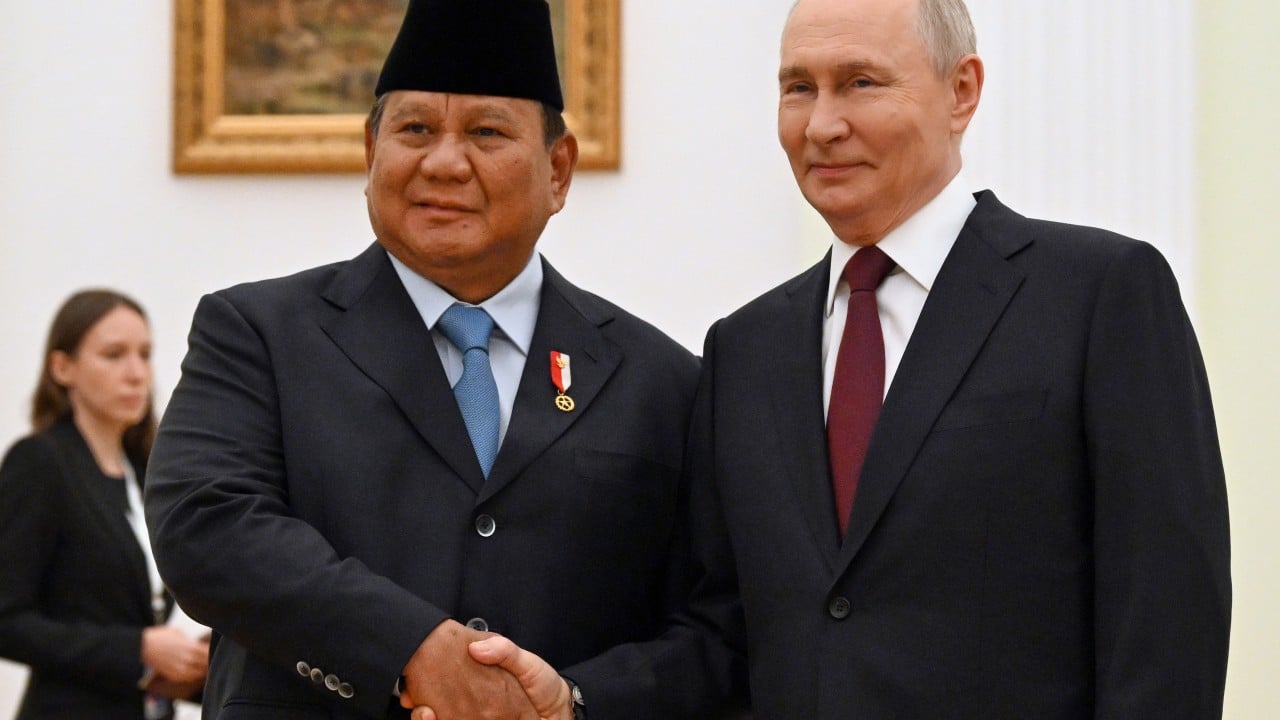
Indonesia's New President Flies to Russia for Emergency Oil Deal
President Prabowo Subianto of Indonesia has arrived in Moscow on an urgent mission: to secure cheap oil for his country. His trip comes as a global...