AI Takes Over the Olympics: New Tech Spins Jumps, Maps Trees and Hunts Landmines
AI Takes Over the Olympics: New Tech Spins Jumps, Maps Trees and Hunts Landmines From the Winter Games to environmental surveys and bomb disposal, artificial intelligence is rapidly moving from labs to real-world tasks, creating new angles for viewers and new tools for critical operations. A new broadcasting technology that uses artificial intelligence (AI) to show athletic moves from impossible angles made its global debut at this month's Winter Olympics [82096]. When American figure skater Ilia Malinin performed a quadruple jump, the replay showed his four revolutions with video frames that appeared to orbit around him in mid-air [82096]. The system creates detailed 3D models from standard camera footage, allowing broadcasters to show replays from any vantage point [82096]. This AI is doing more than just improving television; it is also assisting officials with judging and generating content for social media [82096]. Beyond sports, similar AI-powered systems are being deployed for safety and environmental protection. The United Kingdom is testing drones that use AI to scan the ground and automatically identify hidden landmines and explosives from a safe distance [118535]. Officials say a successful trial has shown the system works and could significantly reduce risks to military personnel during clearance operations [118535]. In Hong Kong, an AI-powered camera system is being used to automatically identify bird species, while a laser-scanning robot, resembling a robotic dog, moves through wooded areas to create detailed 3D maps of trees [47560]. Officials state these tools eliminate human error from wildlife surveys, providing critical data to balance new infrastructure projects with sustainable development [47560]. Meanwhile, the relentless demand for more powerful AI is driving a race for better hardware. Chinese scientists announced a new method to grow next-generation "2D" semiconductors—ultra-thin materials often just one atom thick—reportedly 1,000 times faster than before, which could accelerate production of advanced chips [126743]. AI Replay Tech Makes Olympic Jumps Spin on Screen AI Drones Hunt Landmines: UK Tests Life-Saving Tech Hong Kong Deploys AI Robot Dogs to Scan for Wildlife China Claims 1,000x Faster Chip Breakthrough
Articles in this Cluster
I Wore AI Glasses. They Called Me a Creep.
Vintage Cameras Capture 2026 Olympics for Modern Crowd

AI Replay Tech Makes Olympic Jumps Spin on Screen

Chinese Stealth Tech Could Turn Enemy Radar into a Power Source

Imperfect Diamonds: The New Heart of a Quantum Revolution

AI Drones Hunt Landmines: UK Tests Life-Saving Tech
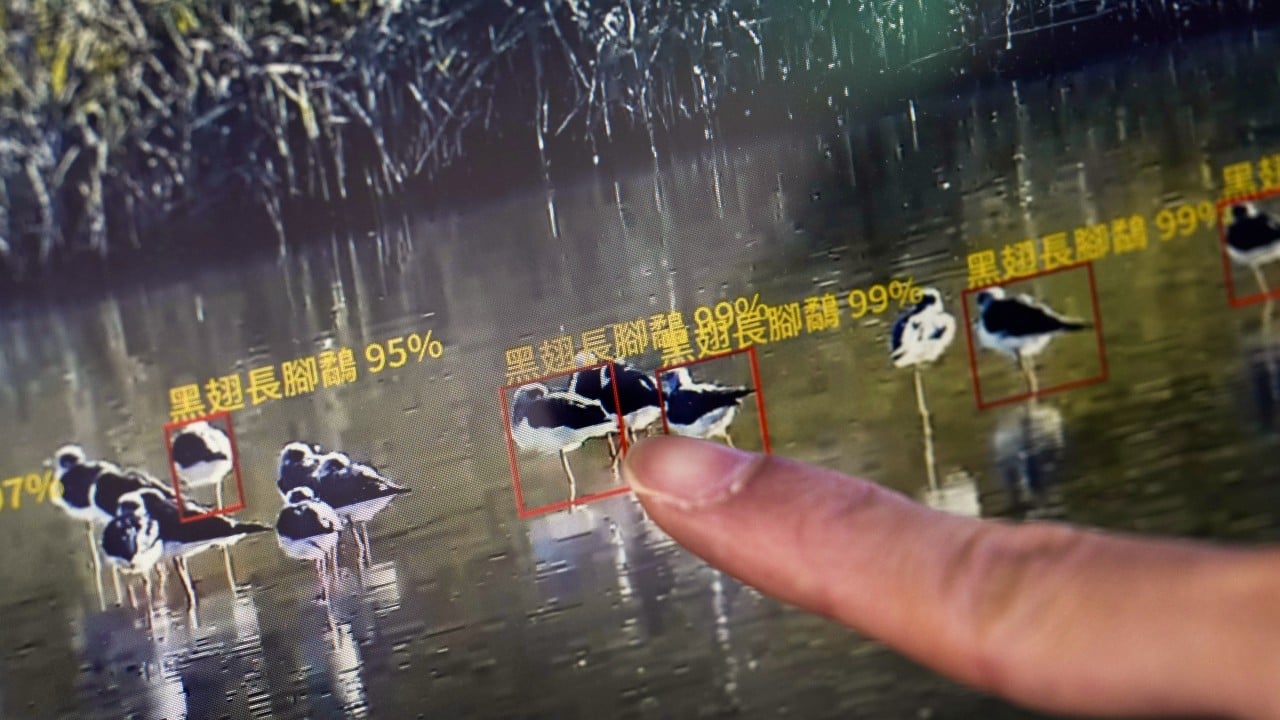
Hong Kong Deploys AI Robot Dogs to Scan for Wildlife
Swapping My Smartphone for a 90s Kit: A Month of Analogue Life

Spy Roaches: German Firm Turns Insects into Tiny Agents

China Claims 1,000x Faster Chip Breakthrough

From Y2K Panic to AI Reality: The 25-Year Tech Revolution
Technology's Double-Edged Sword: Amplifying Information Disorder

NASA Astronauts to Take Smartphones to the Moon

At 82, China's 'Hardcore Grandma' Pilots Drones and Sells Rice Online