Viral Trends and Ancient Crafts: How Digital Fame Tests the Heart of Cultural Identity
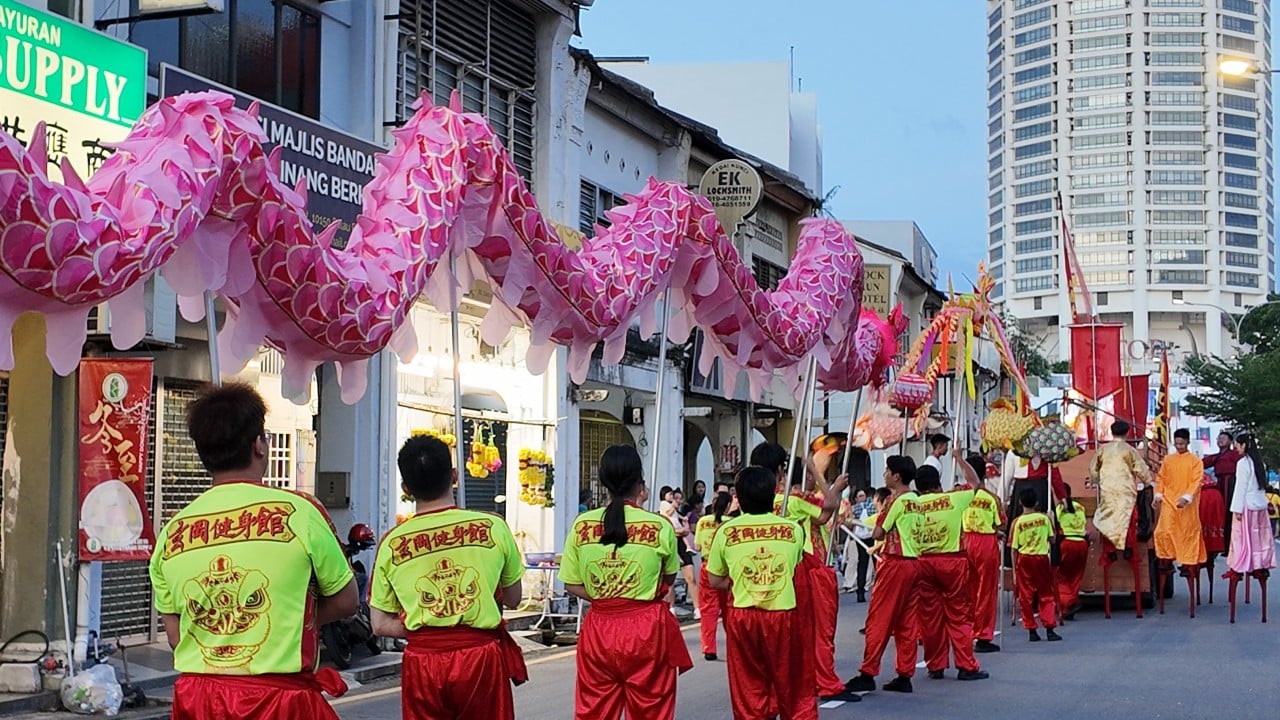
Viral Trends and Ancient Crafts: How Digital Fame Tests the Heart of Cultural Identity From the Arctic to Syria, and across social media platforms, communities are navigating a complex moment where their deepest cultural expressions are simultaneously celebrated, commodified, and fought for. As ancient traditions seek preservation and viral memes spark global imitation, a central question emerges: what happens when your heritage becomes a trend? In Scandinavia, the Indigenous Sámi people are experiencing a surge of interest in their culture through music. A DJ duo from Norway’s remote Sápmi region is gaining international acclaim by blending modern electronic beats with traditional Sámi rhythmic singing, known as joik [79759]. Their success taps into a growing audience appetite for authentic Indigenous sounds in global club culture, turning their geographic isolation into a creative advantage. Meanwhile, in war-torn Syria, cultural resilience takes a different form. A German scholar recently highlighted the nation’s ancient craft of embroidery as a powerful, living symbol of identity that has endured despite widespread physical destruction [47200]. Similarly, the Circassian community in Syria has maintained its unique language and customs for over a century while fully integrating into national society, demonstrating a model of cultural preservation [36001]. This global spotlight on specific traditions contrasts sharply with a fleeting digital phenomenon. A viral trend dubbed "Chinamaxxing" saw people worldwide adopting Chinese cultural habits—like drinking hot water and wearing house slippers—driving content that gathered hundreds of thousands of views on platforms like TikTok and Instagram [109231]. For many of Chinese heritage, watching lifelong practices become short-lived internet memes has been a strange and unsettling experience, raising doubts about the depth and longevity of such online appreciation. The tension between meaningful preservation and superficial trendiness is being formally addressed in some regions. In Malaysia, the annual Chingay parade, featuring performers who balance towering flagpoles on their chins, is at the center of a joint UNESCO Intangible Cultural Heritage application with Singapore [31985]. Organizers hope the designation will protect and promote the century-old art form, securing its status beyond passing fads. From the rhythmic joiks of the Sámi to the intricate stitches of Syrian embroidery, communities are working to ensure their cultural “heartbeat,” as Chinese writer Feng Jicai described the Spring Festival, continues to define them—whether the algorithm is watching or not [84043]. Remote DJs Rise with Sámi Sound, Fueling Indigenous Pride Syrian Embroidery Survives War, Defines Identity Syria's North Caucasus Legacy: The Circassians' Enduring Identity Chinamaxxing: When Your Culture Becomes a Viral Meme Malaysia's Chin-Balancing Spectacle Aims for UNESCO Glory Feng Jicai: Chinese New Year is More Than Fireworks
Articles in this Cluster
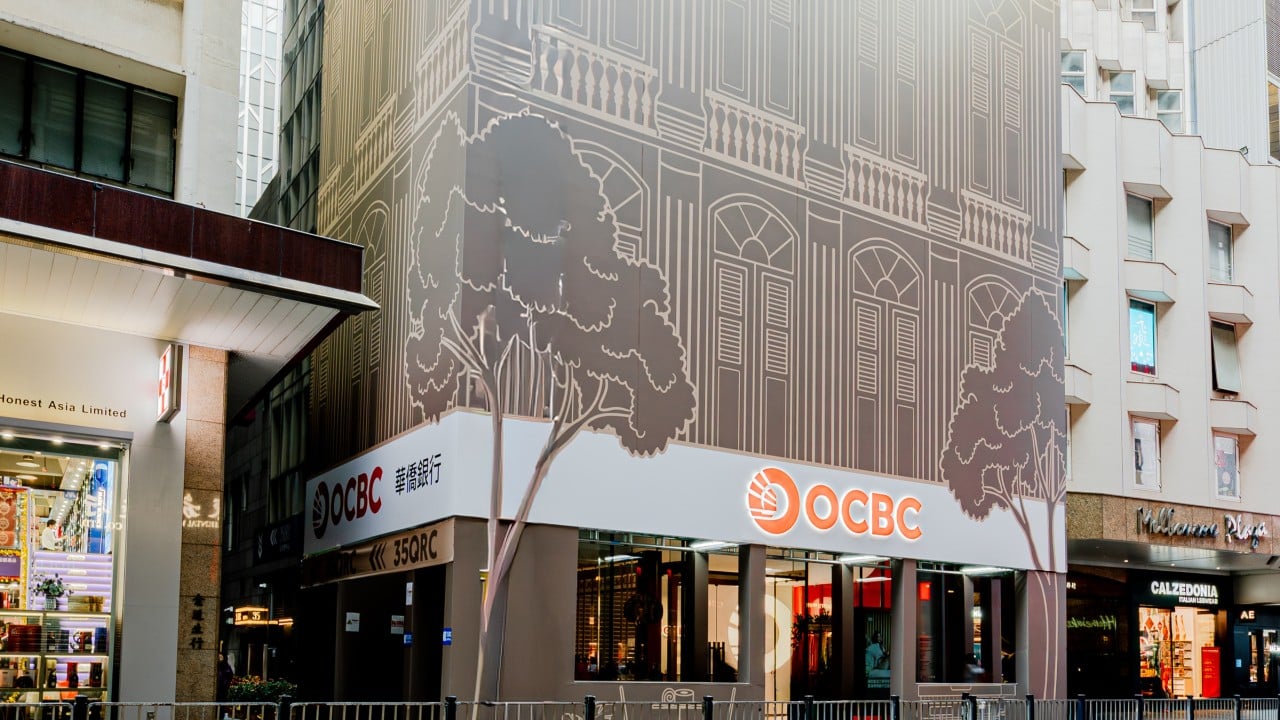
Bank Serves Cake: OCBC Hong Kong's New Branch Bets on Lifestyle
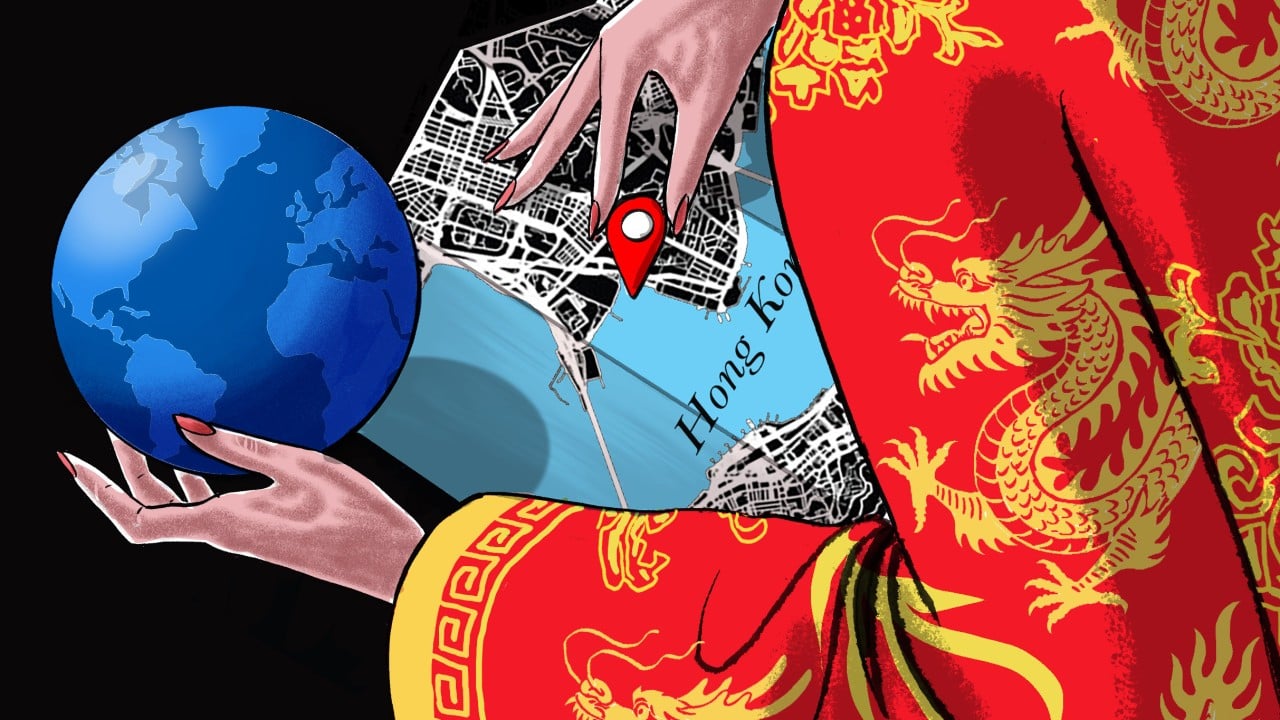
Hong Kong's Next Big Trade: Culture Over Capital?
Korean Wave Washes Over Latin America, Shifting Cultural Tides

China’s Cultural Heritage May Offer an Edge in Guiding AI

Ukrainian Christmas Carols: Ancient Sounds of Defiance and Hope

Feng Jicai: Chinese New Year is More Than Fireworks
Chinamaxxing: When Your Culture Becomes a Viral Meme

Christmas 2025: Surfing Santas, Dancing Cows, and Global Carols

Ch

Celine Dion's Paris Return: More Than a Concert, A "Cultural Treasure Hunt"
Remote DJs Rise with Sámi Sound, Fueling Indigenous Pride

Syria's North Caucasus Legacy: The Circassians' Enduring Identity
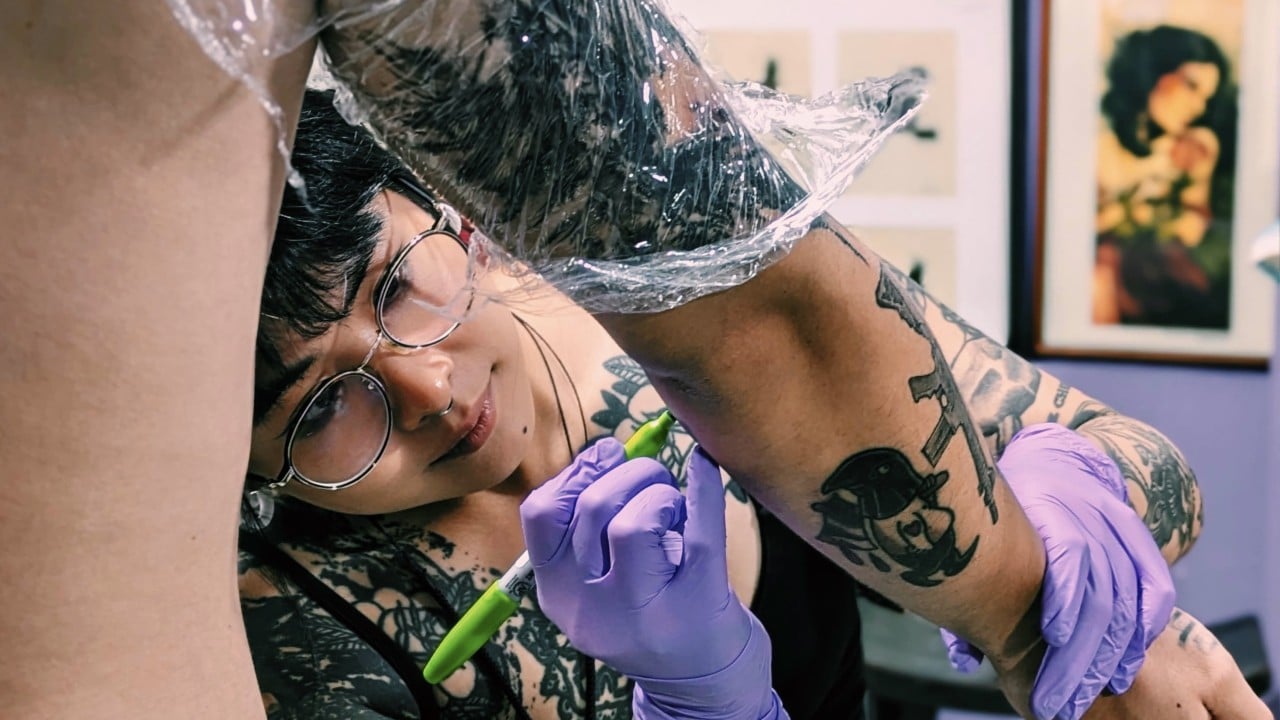
Hidden Stories: From Tattoo Needles to Viral Buttons

Syrian Embroidery Survives War, Defines Identity