Latest News
Stay updated with the latest news and articles
Top Stories
Catastrophic Southeast Asia Floods Kill Over 1,400, Displace Millions
Catastrophic Southeast Asia Floods Kill Over 1,400, Displace Millions A series of devastating floods and landslides, triggered by weeks of exceptionally heavy rainfall, has killed more than 1,400 people and affected millions across Southeast Asia [17624]. The catastrophic weather has submerged villages, severed roads, and buried homes under mud, prompting massive international relief efforts. The hardest-hit nations include Indonesia, Sri Lanka, Thailand, and Malaysia [17624]. In Indonesia alone, the death toll has reached 995, with rescuers still searching for 226 missing people. Neighboring Sri Lanka reports 640 dead and 211 missing [25217]. Combined, nearly 4 million citizens across the two nations have been impacted, with homes, roads, and farms destroyed [25217]. Torrential downpours saturated hillsides, causing destructive landslides that compounded the disaster caused by widespread flooding [17624]. In Thailand, authorities reported a sharp rise in the death toll, with at least 145 fatalities in the southern part of the country [14423]. Emergency crews across the region are working to evacuate residents from submerged towns, provide aid to displaced communities, and reach isolated areas cut off by damaged infrastructure [14786][20084]. Authorities are warning of additional dangers, including further landslides and the spread of waterborne diseases in the aftermath of the floods [11385]. The consecutive crises have stretched regional emergency services and highlighted the intense vulnerability of populations to extreme weather events [33037]. National governments and international aid agencies are mobilizing relief efforts focused on providing emergency shelter, clean water, and medical supplies to displaced survivors [17624]. Deadly Floods and Landslides Claim Over 1,400 Lives Across Southeast Asia Massive Floods Kill Over 1,600, Affect Millions in Asia Deadly Floods and Landslides Claim Over 250 Lives in Southeast Asia Southeast Asia Reels From Widespread Flooding Deadly Floods and Landslides Claim Lives Across Southeast Asia Deadly Floods and Landslides Claim Over 1,500 Lives Across Asia

Ukrainian Drone Blitz Torches Russian Oil, Sending Global Fuel Prices Soaring
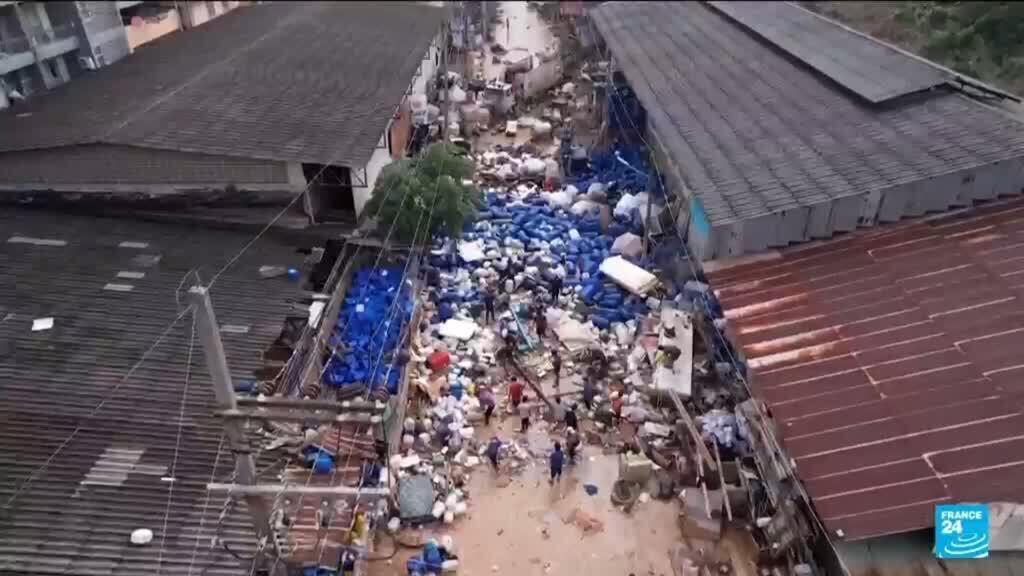
Ukrainian Drone Blitz Torches Russian Oil, Sending Global Fuel Prices Soaring A relentless wave of Ukrainian drone strikes is systematically crippling Russia's oil industry, triggering fires at critical infrastructure and sending shockwaves through global energy markets that are hitting drivers with sharp price increases worldwide. In a strategic shift, Ukrainian forces launched a record number of long-range strikes in March, with Russia's oil and gas infrastructure as the primary target [125638]. The campaign has damaged refineries and storage facilities deep inside Russian territory, aiming to cut into the military funds Moscow earns from energy exports. The attacks are causing significant physical and economic damage. A recent strike hit the "Krymskaya" oil-pumping station in southern Russia, triggering a major fire [125245]. This station is a key node sending crude to Novorossiysk, Russia's largest oil export terminal on the Black Sea. The disruption of this vital supply line is the latest in a series of successful strikes on Russian energy assets [125245]. The damage to Russian refining capacity, combined with ongoing Middle East tensions, is directly impacting global oil prices. Analysts report the attacks have increased market volatility and driven up costs [125638]. This has contributed to the largest weekly jump in U.S. gasoline prices since the start of the Ukraine war in 2022 [97612]. The international benchmark price for crude oil has climbed sharply, reversing a period of relative stability [97612]. The ripple effects are being felt at pumps globally. In South Africa, analysts warned of a potential record fuel price hike as global oil prices spiked, driven by conflicts near critical shipping routes [95663]. Despite a government tax cut, South African drivers still faced one of the steepest pump price increases ever recorded as international costs overwhelmed the relief measure [117581]. In China, drivers rushed to stations ahead of the country's largest single fuel price increase of the year, which is tied to rising international crude costs [109102]. German drivers are also feeling a stronger pinch than their European neighbors, with a sharp rise in petrol prices linked to the war in the Middle East [124639]. Meanwhile, in Tanzania, Members of Parliament are appealing for fuel tax cuts to combat soaring pump prices worsened by the Middle East crisis [125001]. The situation underscores the fragile nature of global oil supplies, where geopolitical conflict in multiple regions can swiftly translate into higher costs for consumers everywhere [97612]. Ukraine's Drone Surge Hits Russian Energy, Shakes Global Markets Ukrainian Strike Hits Key Russian Oil Route, Triggers Major Fire Oil Prices Rocket, Hitting Drivers With Sharpest Spike Since Ukraine War South Africa Braces for R8/Litre Petrol Shock South Africa Cuts Fuel Tax, But Drivers Still Hit by Record Price Hike Drivers Race to Pumps Ahead of China's Biggest Fuel Price Jump of 2024 German Gas Prices Surge, Outpacing EU Neighbors Tanzania MPs: Cut Fuel Taxes Now as Prices Soar
U.S. and Iran Hold High-Stakes Talks as Lebanon Teeters on Brink of War
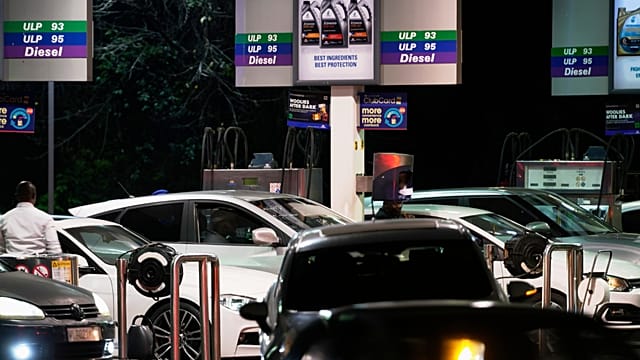
U.S. and Iran Hold High-Stakes Talks as Lebanon Teeters on Brink of War A fragile diplomatic effort to avert a wider Middle East war is underway, even as cross-border strikes between Israel and Hezbollah intensify, displacing one in five Lebanese civilians [125681]. High-level officials from the United States and Iran met in Islamabad, Pakistan, on Saturday for rare direct talks aimed at de-escalating regional conflict [125866][125686]. The negotiations hit an immediate hurdle, however, as Iran demanded that any ceasefire agreement must include a halt to the fighting between its ally Hezbollah in Lebanon and Israel [125874]. Iran's Foreign Ministry later stated that future discussions with Washington are directly tied to stability in Lebanon [125917]. The diplomatic push comes amid a dangerous escalation on the ground. Israeli airstrikes hit southern Lebanon overnight, killing at least three people, despite the ongoing ceasefire talks [125937]. Strikes have also recently struck Beirut's southern suburbs, killing at least one person and causing major damage in the Hezbollah stronghold [125968]. In response, Hezbollah fired rockets into the northern Israeli city of Safed on April 10, causing multiple civilian injuries [125892]. Israeli forces have simultaneously issued new evacuation orders inside southern Lebanon, raising widespread fears of a potential ground invasion [125633]. The United Nations reports that the conflict has now displaced 20% of Lebanon's population, with strikes hitting areas previously considered safe and forcing families to flee multiple times [125681]. Analysts say the violence in Lebanon casts a heavy shadow over the U.S.-Iran dialogue, making diplomatic progress more difficult [125686]. The talks represent a critical attempt to prevent the localized border conflict from spiraling into a full-scale regional war, with the civilian population bearing the overwhelming cost [125652]. US and Iran Meet for Talks as Middle East War Expands Iran Demands Lebanon Ceasefire in Last-Minute Peace Talk Hurdle Iran Links U.S. Talks to Lebanon's Safety Israeli Strikes Hit Lebanon After Ceasefire, Kill Three One in Five Lebanese Now Displaced, Says UN Beirut Reels: A City's Scars After Deadly Strikes Hezbollah Rocket Strikes Israeli City, Injuring Civilians Israel Warns Lebanon: Invasion Threat Returns After Century U.S.-Iran Ceasefire Talks Leave Lebanon in Tense Limbo Iran and US to Meet in Pakistan as Israel-Lebanon Tensions Rise


China Bets Billions on AI Chips and Fusion to Break U.S. Tech "Chokehold"
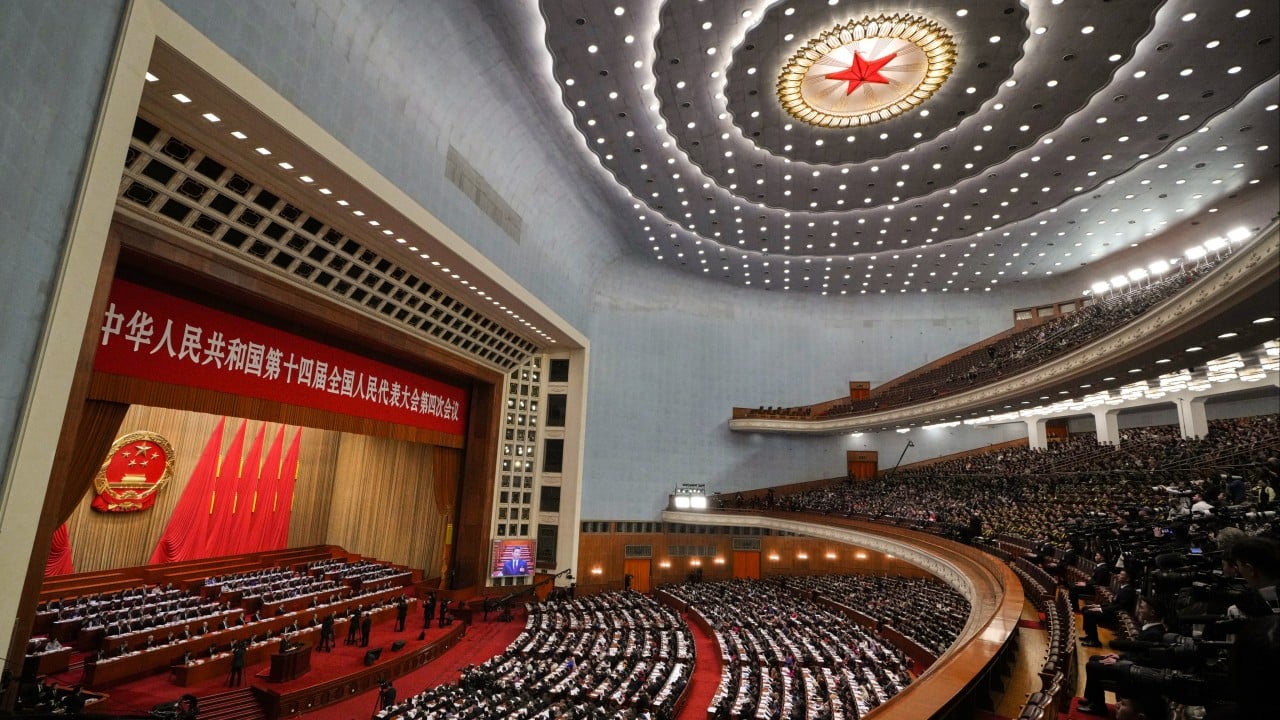
China Bets Billions on AI Chips and Fusion to Break U.S. Tech "Chokehold" China is mobilizing hundreds of billions of dollars in state-backed investment to achieve technological self-reliance, targeting breakthroughs in advanced semiconductors and frontier sectors like artificial intelligence (AI) and nuclear fusion [95150]. This massive push is a direct response to U.S. export controls, which Chinese strategists describe as a foreign "chokehold" on critical technology [51155]. The national strategy, formalized in the latest five-year plan, directs resources toward developing domestic capabilities in AI, quantum computing, and especially chip manufacturing [59734]. Provinces and major cities are following suit, with Shanghai alone launching a $10 billion investment plan focused on microchips and AI [43531]. At least 22 provincial governments have published draft proposals prioritizing these high-tech industries and securing supply chains for strategic materials like rare earth elements [19492]. A central pillar of the effort is a new state-backed semiconductor fund worth over $47 billion, aimed at building China’s own equipment for making advanced chips [86995]. The eastern tech hub of Zhejiang has announced a specific five-year goal to manufacture semiconductors as small as 3 nanometers [51155]. Concurrently, the national budget allocates over $61 billion for "future industries" including satellite internet, electric vehicles, and brain-computer interfaces—sectors that closely mirror the ventures of innovators like Elon Musk [93804]. Analysts note the approach highlights a fundamental split in the U.S.-China tech race. While American development is often market-driven, China’s model is defined by state coordination, aiming to integrate AI as a core component of national infrastructure and planning [109135]. This state-led pivot marks a shift from absorbing foreign technology to creating indigenous, cutting-edge innovations [59734]. The competition extends to foundational resources. U.S. military and AI advancements face a strategic vulnerability due to a deep dependence on Chinese-made batteries, which power everything from combat drones to energy-hungry data centers [33059]. Meanwhile, China’s broader strategy involves building global economic and digital infrastructure to gain long-term influence, contrasting with more traditional U.S. methods of alliance and security response [124650]. The outcome of this rivalry will influence international standards and the global balance of technological power [122661]. China’s lead in AI patent filings contrasts with a U.S. advantage in high-performance AI software and chips, making the race wide open and unstable [122661]. China Targets 3nm AI Chips to Break US "Chokehold" China's New Plan: Beat US Tech Rivals with AI and Fusion Power China's Tech Pivot: From "Catch-Up" to Cutting-Edge AI War: US Bets on Markets, China Bets on Control China Bets $47 Billion to Break the Chip Barrier Shanghai Bets $10 Billion on Chips and AI in Tech Race U.S. and China Locked in Split AI Race, With Stakes for Global Power China's $62 Billion Bet Mirrors Musk's Vision Chinese Provinces Prioritize Tech and Self-Reliance in New Economic Plans China's Battery Grip Threatens U.S. Military and AI Race China Builds While America Fights: A New Great Game Emerges


Climate Crisis Becomes Daily Reality as Extreme Weather Costs Billions, Claims Thousands
Climate Crisis Becomes Daily Reality as Extreme Weather Costs Billions, Claims Thousands From catastrophic floods in Europe to deadly droughts in Africa, the escalating climate crisis is no longer a distant threat but a disruptive and costly feature of daily life worldwide. A series of authoritative reports confirms that 2025 marked a turning point, where record-breaking heat fueled a relentless cycle of extreme weather, inflicting severe human and economic damage while pushing natural systems to their limits [36941][49594][37775]. The World Meteorological Organization (WMO) reports that extreme weather across Africa has killed thousands, impacted millions, and caused billions in economic losses [113458]. Scientists directly link the increasing frequency and intensity of these disasters—including severe heatwaves, wildfires, and floods—to human-caused climate change driven by greenhouse gas emissions [36941][49594]. In Europe, a year of devastating climate disasters has left countries managing costly recoveries, with experts warning such severe events are becoming the new standard [36941]. The United Kingdom’s wildlife and landscapes were pushed to a "breaking point" by a destructive cycle of storms, drought, fires, and floods, described by conservationists as "alarm signals we cannot ignore" [36898]. The impacts extend deep into human health and food security. In South Africa, climate change is exacerbating air pollution, increasing the risk of lung diseases like asthma and bronchitis, with children and the elderly most vulnerable [110220]. Meanwhile, Eastern Africa faces a direct threat to food production from a "triple planetary crisis" of climate change, biodiversity loss, and pollution, which ruins crops and kills livestock [91481]. The global response is struggling to keep pace. At the recent UN Environment Assembly, the world’s top environmental body called for urgent, accelerated international cooperation to tackle the interconnected crises of climate change, biodiversity loss, and pollution [21446]. The assembly emphasized that strengthening planetary resilience—the ability of natural and human systems to withstand shocks—is now essential for sustainable development [21446]. Europe's 2025 Weather: A New Normal of Extremes? **2025: The Year the Weather Broke** 2025: Climate Crisis Becomes Daily Life Climate Crisis Costs Africa Billions, Claims Thousands UK Wildlife Pushed to "Breaking Point" by Extreme Weather in 2025 **Title:** Every Breath a Risk: The Hidden Climate Threat to South Africa's Lungs Triple Planetary Crisis Starves East Africa **UN Environment Assembly Demands Urgent Global Action on Climate and Biodiversity**

Trump's NATO Threats and Iran Moves Rattle Global Order, Force Allies to Rethink Strategy
Trump's NATO Threats and Iran Moves Rattle Global Order, Force Allies to Rethink Strategy A series of aggressive foreign policy moves by U.S. President Donald Trump, targeting NATO and Iran, is causing profound alarm among America's closest allies and prompting a global reassessment of security and economic partnerships [57270][57549]. The immediate crisis stems from Trump's renewed threats to withdraw the United States from the North Atlantic Treaty Organization (NATO) if European members do not significantly increase their defense spending [125750]. This warning, delivered amid already strained relations, has forced European leaders to directly challenge the U.S. position. British Prime Minister Keir Starmer explicitly argued that remaining in the 32-nation military alliance is in America's own strategic interest [125750]. Simultaneously, Trump's confrontational approach toward Iran, including threats over the vital Strait of Hormuz shipping route, has created extreme tension and raised the risk of a major Middle East conflict [125786]. Some analysts warn that a miscalculation could precipitate a historic foreign policy failure, damaging U.S. global standing in a manner comparable to Britain's loss of prestige after the 1956 Suez Crisis [125786]. The cumulative effect of these actions has left traditional partners questioning the reliability and predictability of the United States [57549]. At the recent World Economic Forum in Davos, global leaders openly warned of a breaking international system, often directing indirect criticism at Washington while avoiding direct confrontation with China [57270]. This signals a strategic recalibration, as nations begin to hedge against U.S. unpredictability by cautiously engaging other powers [57270]. Experts note that the uncertainty extends beyond security to the foundations of global finance. Trump's demonstrated willingness to use financial tools, like seizing foreign state assets, for political goals has raised fears that he could pressure the politically independent Federal Reserve [46382]. Such a move would shake international trust in the U.S. dollar, the world's primary reserve currency, and upend the rules of the global financial system [46382]. The shifting landscape is accelerating a broader move toward a "multi-polar age," where U.S. leadership is no longer unchallenged [57847]. As the old "Atlanticist" bond weakens, strategic locations like Greenland gain new importance for multiple powers, and nations worldwide are actively building new trade alliances and diversifying partnerships to insulate themselves from the fallout of U.S. policy decisions [121522][103588]. Starmer to Trump: Leaving NATO Hurts America Trump's Iran Crisis: A New "Suez Moment" for America? World Shifts Toward China as Trump Upends Old Order Trump Stuns Davos: Allies Question U.S. Commitment Trump's Trade Threats Could Upend Global Finance The Atlantic Splinters: As U.S. Power Wanes, Greenland Becomes a New Front Global South Slams the Vents on US "Air Conditioner" Policy ASEAN Seeks New Partners as US-China Trade War Rages
Tourist Hotspots Worldwide Hit Breaking Point as Crowds Overwhelm Cities and Nature
Tourist Hotspots Worldwide Hit Breaking Point as Crowds Overwhelm Cities and Nature From the canals of Venice to the favelas of Rio de Janeiro, popular destinations are straining under the weight of massive tourist crowds, a phenomenon experts are calling "overtourism" [80040]. The surge is damaging local environments, reshaping communities, and forcing governments to seek solutions. The problem is no longer confined to iconic landmarks. Social media can suddenly create a viral "must-see" spot, redirecting global tourist traffic overnight [80040]. In Rio de Janeiro, a single rooftop in the Rocinha favela, dubbed the "Gateway to Heaven," now draws international visitors who wait for hours for a photo, bringing new income but also raising questions about sustainability in a densely populated residential area [101397]. Similarly, in Venice, a simple wooden dock used by locals like a bus stop has become a pilgrimage site after Kim Kardashian was photographed there during a celebrity wedding, with fans now seeking out the "Kardashian jetty" and other event locations [51924]. The environmental and cultural impacts are significant. Mass tourism is damaging fragile environments and contributing to higher carbon emissions [86148]. In some cases, the influx commodifies local culture and daily life. In Kalk Bay, South Africa, wild seals begging for scraps at the fish market have become a daily spectacle for tourists, turning a working dock into an unintended wildlife show [55467]. Faced with these pressures, local authorities are experimenting with countermeasures. Proposed solutions include implementing tourist taxes, promoting travel during off-peak seasons, and redirecting visitors to less-crowded areas [80040]. The travel industry is also being pushed to adapt, with suggestions for travelers to choose eco-certified accommodations and be more mindful of their destination's carrying capacity [86148]. The trend highlights a global struggle to balance the economic benefits of tourism with the need to protect local communities, cultures, and ecosystems [80040]. Tourist Destinations Hit Breaking Point: What Causes the Crush? Viral 'Gateway to Heaven' Rooftop Floods Rio Favela with Tourists Venice's New Tourist Hotspot: The 'Kardashian Jetty' The Hidden Cost of Your Vacation Seals Beg at the Fish Market: A South African Village's Daily Show
Climate Crisis Forces First Official Relocation as Tuvaluans Land in Australia
**Climate Crisis Forces First Official Relocation as Tuvaluans Land in Australia** The first citizens of Tuvalu have arrived in Australia, marking a historic moment as the world's first officially recognized climate migrants. They are the initial group to use a new, permanent visa pathway created specifically for the population of the low-lying Pacific island nation, which faces an existential threat from rising seas [25540][10674]. Australia established the special visa program in late 2023, allowing up to 280 Tuvaluans to relocate each year. The policy is a direct response to the environmental devastation in Tuvalu, where sea-level rise is eroding land and increasing destructive flooding. Experts warn that parts of the country could become uninhabitable within decades [25540][10674]. The new arrivals are granted the right to live, work, and study in Australia, with a clear route to citizenship. The migration deal is part of a broader partnership that also includes Australian funding for coastal reclamation and climate adaptation projects in Tuvalu itself [10674]. This organized relocation represents a significant shift in how nations are planning for the long-term impacts of climate change. It moves the discussion from theoretical risk to concrete action, setting a precedent for the planned movement of entire communities displaced by environmental changes [25540]. **Tuvalu Citizens Arrive in Australia as First Official Climate Migrants** Australia Opens Special Visa Pathway for Climate-Affected Tuvaluans


Trump Revives Bid to Buy Greenland, Using Tariff Threats and Pressure Tactics
Trump Revives Bid to Buy Greenland, Using Tariff Threats and Pressure Tactics Former President Donald Trump is renewing his controversial push for the United States to purchase Greenland, employing a mix of economic threats and public pressure that mirrors his real estate deal-making style. The autonomous Danish territory has consistently stated it is not for sale [50444]. Trump raised the issue again during a speech at the World Economic Forum in Davos, Switzerland, calling for immediate negotiations to buy the massive Arctic island [55297][55327]. He has previously suggested using tariffs against Denmark, which handles Greenland's foreign and defense policy, as leverage in the pursuit [50444]. While stating he does not want to use military force, Trump has refused to explicitly rule it out [50444][55327]. The motivation is widely seen as strategic, centered on Greenland's location in an increasingly accessible and resource-rich Arctic. The region is growing in importance for shipping lanes and mineral extraction [50444]. However, experts warn that Trump's transactional approach is fundamentally flawed when applied to international sovereignty [52669][87536]. Analysts note that Greenland's people and government view themselves as a modern nation, not a commodity. Applying economic pressure, they argue, is more likely to strengthen local resistance than to force a sale [52669]. Furthermore, such a move risks destabilizing the Arctic and provoking backlash from other global powers, including China and Russia, who are also active in the region [52669]. The Danish and Greenlandic governments have repeatedly and firmly rejected the idea of a transaction. One expert summarized the consensus, stating, "real estate tactics cannot acquire a sovereign land" [52669]. Trump Eyes Greenland: Cash, Threats, and Military Force Trump at Davos: Questions NATO, Wants to Buy Greenland Trump at Davos: Skips Soft Power, Targets Greenland and NATO Allies Trump's Tariff Plan Fails to "Capture" Greenland

India's Farmers Block Highways, Fearing U.S. Trade Deal Will Crash Crop Prices
**India's Farmers Block Highways, Fearing U.S. Trade Deal Will Crash Crop Prices** Thousands of Indian farmers have taken to the streets, blocking major highways with tractors and trucks to protest a new trade agreement with the United States. The protestors fear the deal will flood the market with cheaper American farm goods, threatening their livelihoods and a crucial government price-support system [75183][73750]. The protests, centered around the capital New Delhi, were sparked by a trade pact announced following a visit by former U.S. President Donald Trump. Farmers and trade unions argue the agreement could force India to lower import taxes on American agricultural products, allowing them to undercut local producers [75183][73750]. At the heart of the dispute is India's Minimum Support Price (MSP) system, under which the government buys key staples like wheat and rice from farmers at guaranteed prices. Protest leaders demand a new law to make these price guarantees permanent, fearing the trade terms could weaken or dismantle this safety net [73750]. While the Indian government has stated that the MSP system remains protected under the deal, farmer unions express deep distrust. They have called for the agreement to be scrapped entirely, arguing it primarily serves U.S. corporate interests over India's agricultural community [75183][73750]. The demonstrations highlight the domestic political tightrope the government must walk. The farming sector represents a massive and influential voting bloc, making the government's response critical for maintaining stability even as it seeks to strengthen international trade ties [73750]. Police have heightened security at entry points to the capital as negotiations between protest leaders and government officials continue. Indian Farmers Strike, Fearing U.S. Trade Deal Will Flood Market India's Farmers Protest as Modi-Trump Trade Pact Threatens Key Crop Prices

Latest Articles
India Plans Seven New Dams on Rivers Flowing to Bangladesh
India is moving forward with plans to build at least seven new hydroelectric dams. The projects are slated for two major river systems in its northea...

India's Iran Oil Deal Tests Its "Strategic Autonomy"
India continues to buy Iranian oil despite new U.S. sanctions. This move tests India's policy of "strategic autonomy," which means making independent...
Has the Quad Gone Quiet?
The Quadrilateral Security Dialogue, known as the Quad, is unusually silent. This group of four major democracies—Australia, India, Japan, and the Un...
Beyond Sanctions: The Caspian Corridor Becomes a Critical Trade Artery
A major alternative trade route across Central Asia is surging in importance. Known as the "Middle Corridor," it bypasses Russia, offering shippers a...

A Growing Gulf: Why China and Taiwan Are Drifting Apart
A deep and potentially lasting divide is growing between the people of China and Taiwan. Experts warn the separation is becoming structural and may b...
U.S.-China Trade: Not a Simple Choice, Survey Finds
A new survey reveals that the economic relationship between the United States and China is more complex than it seems. The common debate presents tw...
China's Two-Track Energy Plan for Central Asia
China is using different strategies to secure energy deals with its Central Asian neighbors, Uzbekistan and Kyrgyzstan. In Uzbekistan, Beijing is fo...

Trump's Proposed "Triumphal Arch": Gold, Eagles, and a 250-Foot Winged Figure
President Donald Trump has unveiled a proposal for a massive, gold-accented triumphal arch in Washington, D.C. The design was released by the U.S. Co...
India Balks at Iran's Proposed Hormuz Strait Toll
India has expressed serious reservations about a reported Iranian plan to charge a toll on all commercial ships passing through the Strait of Hormuz....
US Presses Iran as Fragile Ceasefire Holds for Pakistan Talks
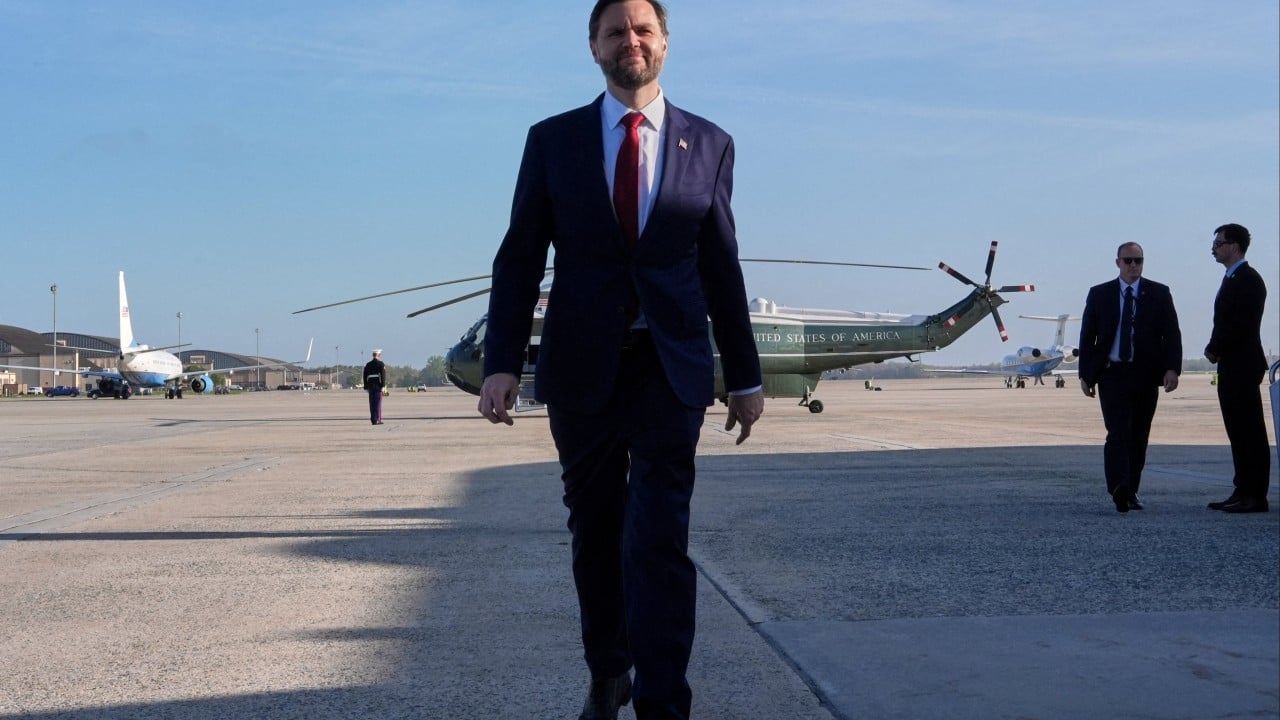
US President Donald Trump increased pressure on Iran Friday. He demanded Tehran meet US conditions. This comes as high-stakes negotiations prepare to...
Prabowo to Moscow? Kremlin Hints at Indonesia-Russia Energy Talks
The Kremlin has announced that Indonesia's newly elected president, Prabowo Subianto, may soon visit Russia. A presidential aide stated that the trip...

Trapped at Sea: The Hidden Crisis on Asia's Fishing Boats
Labor conditions on many fishing boats in Southeast Asia remain dangerously poor. Migrant workers are especially vulnerable. The region's fishing fl...

China, Russia Back Cuba Against US "Interference"
China and Russia have pledged strong support for Cuba's government. This comes as the United States increases political and economic pressure on the...
Thailand Seizes Millions in Global Scam Network Crackdown
Thai authorities have seized millions of dollars in assets as part of a widening international fraud investigation. The seized property is linked to...
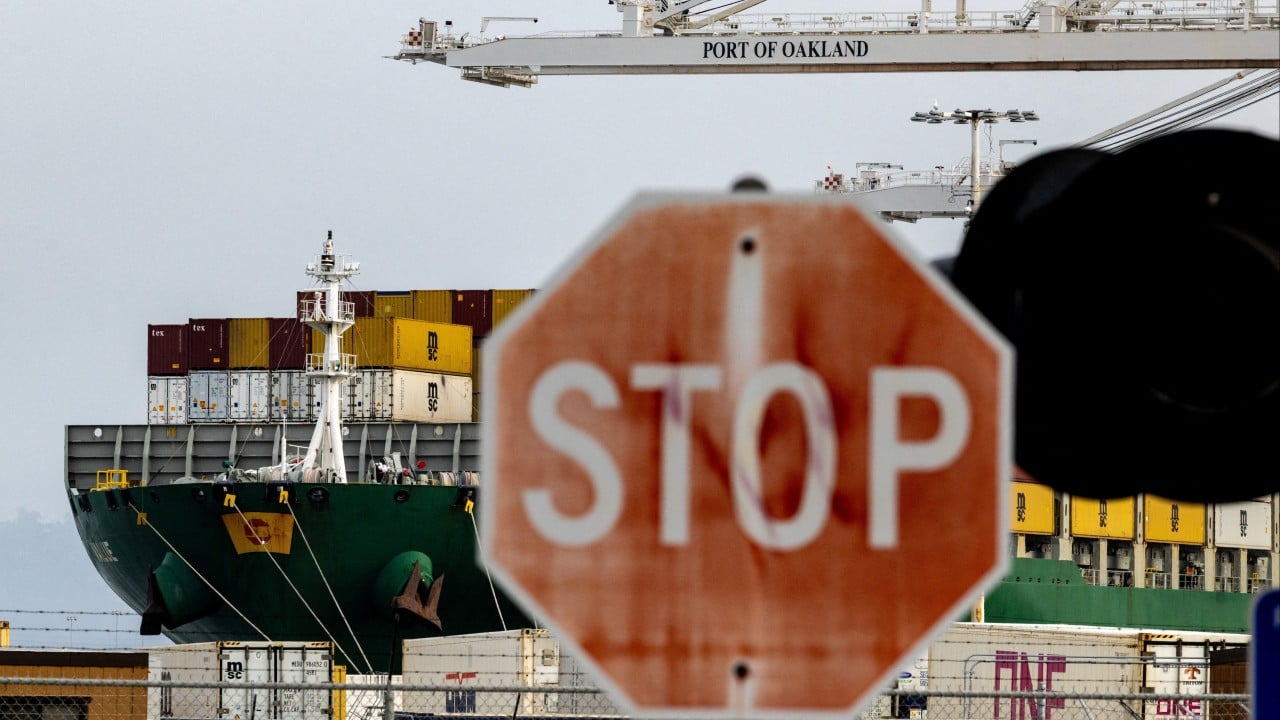
Trump Tariff Refund Portal Opens April 20
U.S. Customs and Border Protection (CBP) announced that a new online tool for importers to claim tariff refunds will launch on April 20. The system,...
Who Owns the Machine? Southeast Asia's AI Revolution
Southeast Asia is racing to adopt artificial intelligence. But a critical question remains: who will truly benefit from this new technology? The regi...

China Bets on AI to Replace Its Fading Workforce
China’s era of explosive growth, fueled by a vast and young workforce, is ending. As the country plans its next five-year economic strategy, leaders...
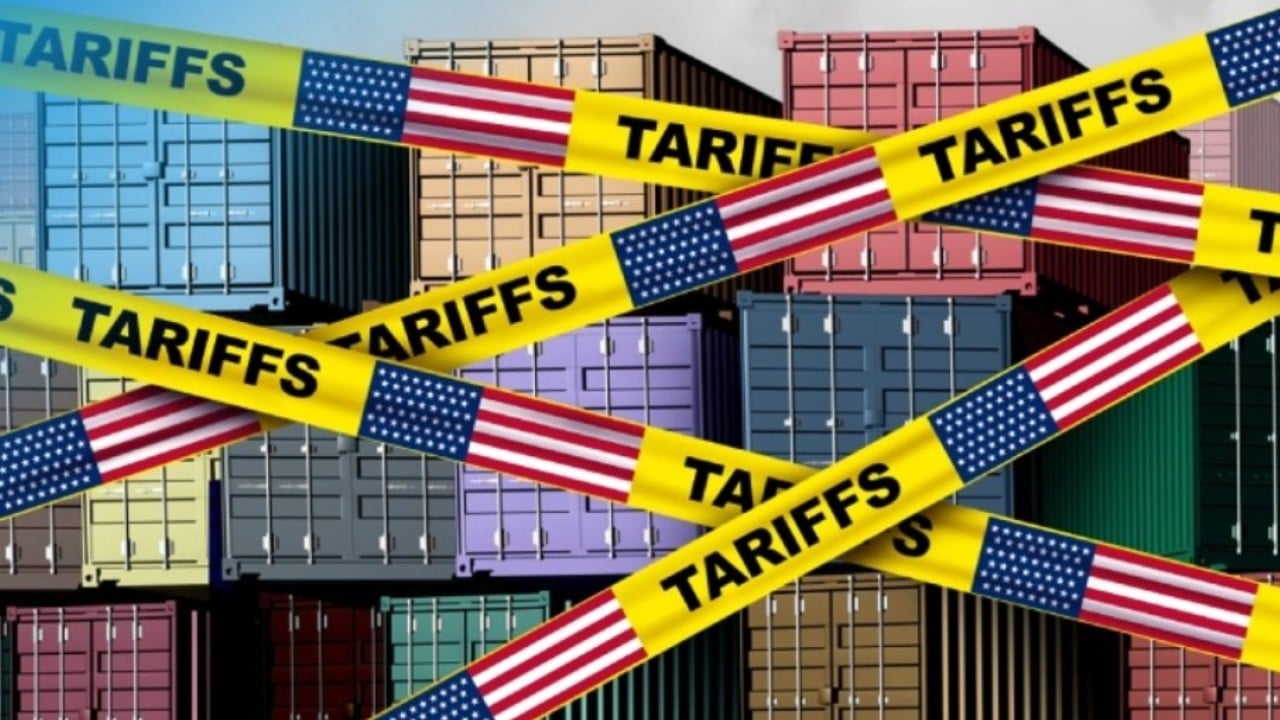
Trump Tariffs Back in Court: Judges Question "Deficit" Defense
A U.S. court sharply questioned the legal basis for President Donald Trump's latest tariffs on Friday. The hearing tests the President's trade powers...

China's Vocational Schools Train World for Its Factories
Across China, vocational schools are quietly expanding. Their newest students come from Southeast Asia, Africa, and other regions. They are not only...

Moon Mission Makes History: Astronauts Return After 50-Year Gap
The first crew to travel near the moon in more than 50 years is safely home. NASA's Artemis II capsule splashed down in the Pacific Ocean on Friday....