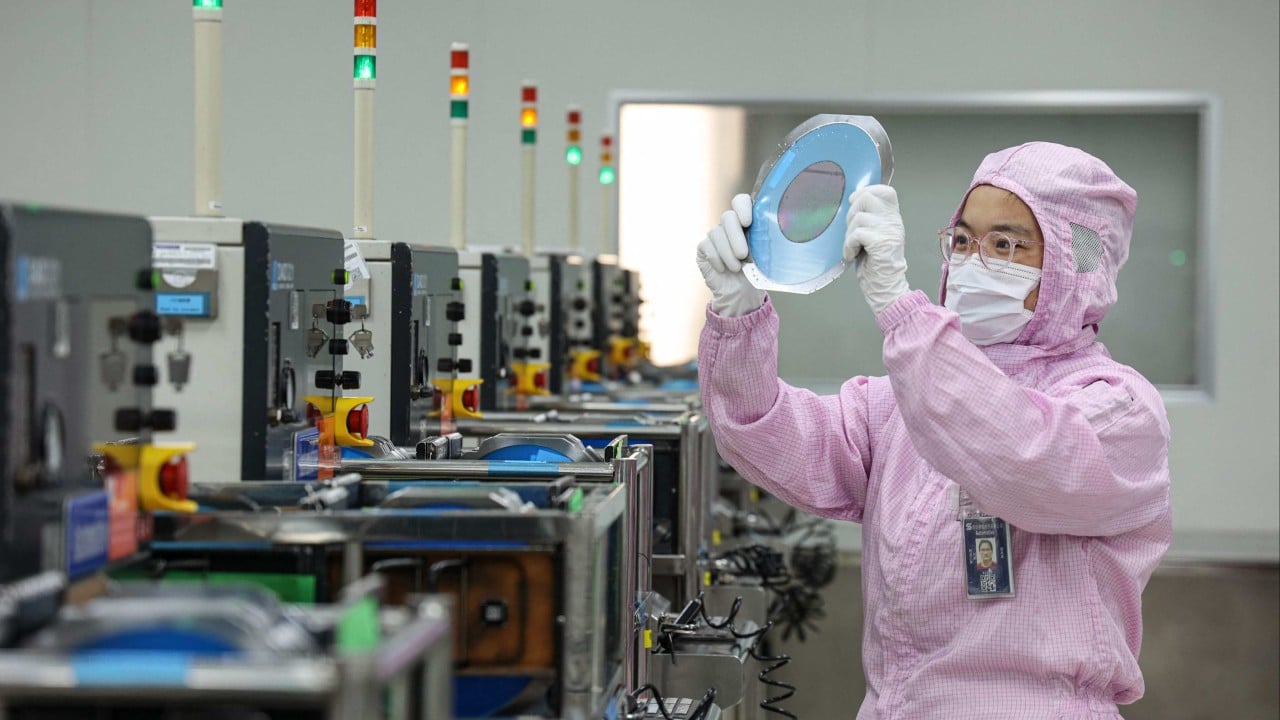
China Bets Billions on AI Chips and Fusion to Break U.S. Tech "Chokehold"
China Bets Billions on AI Chips and Fusion to Break U.S. Tech "Chokehold" China is mobilizing hundreds of billions of dollars in state-backed investment to achieve technological self-reliance, targeting breakthroughs in advanced semiconductors and frontier sectors like artificial intelligence (AI) and nuclear fusion [95150]. This massive push is a direct response to U.S. export controls, which Chinese strategists describe as a foreign "chokehold" on critical technology [51155]. The national strategy, formalized in the latest five-year plan, directs resources toward developing domestic capabilities in AI, quantum computing, and especially chip manufacturing [59734]. Provinces and major cities are following suit, with Shanghai alone launching a $10 billion investment plan focused on microchips and AI [43531]. At least 22 provincial governments have published draft proposals prioritizing these high-tech industries and securing supply chains for strategic materials like rare earth elements [19492]. A central pillar of the effort is a new state-backed semiconductor fund worth over $47 billion, aimed at building China’s own equipment for making advanced chips [86995]. The eastern tech hub of Zhejiang has announced a specific five-year goal to manufacture semiconductors as small as 3 nanometers [51155]. Concurrently, the national budget allocates over $61 billion for "future industries" including satellite internet, electric vehicles, and brain-computer interfaces—sectors that closely mirror the ventures of innovators like Elon Musk [93804]. Analysts note the approach highlights a fundamental split in the U.S.-China tech race. While American development is often market-driven, China’s model is defined by state coordination, aiming to integrate AI as a core component of national infrastructure and planning [109135]. This state-led pivot marks a shift from absorbing foreign technology to creating indigenous, cutting-edge innovations [59734]. The competition extends to foundational resources. U.S. military and AI advancements face a strategic vulnerability due to a deep dependence on Chinese-made batteries, which power everything from combat drones to energy-hungry data centers [33059]. Meanwhile, China’s broader strategy involves building global economic and digital infrastructure to gain long-term influence, contrasting with more traditional U.S. methods of alliance and security response [124650]. The outcome of this rivalry will influence international standards and the global balance of technological power [122661]. China’s lead in AI patent filings contrasts with a U.S. advantage in high-performance AI software and chips, making the race wide open and unstable [122661]. China Targets 3nm AI Chips to Break US "Chokehold" China's New Plan: Beat US Tech Rivals with AI and Fusion Power China's Tech Pivot: From "Catch-Up" to Cutting-Edge AI War: US Bets on Markets, China Bets on Control China Bets $47 Billion to Break the Chip Barrier Shanghai Bets $10 Billion on Chips and AI in Tech Race U.S. and China Locked in Split AI Race, With Stakes for Global Power China's $62 Billion Bet Mirrors Musk's Vision Chinese Provinces Prioritize Tech and Self-Reliance in New Economic Plans China's Battery Grip Threatens U.S. Military and AI Race China Builds While America Fights: A New Great Game Emerges
Articles in this Cluster
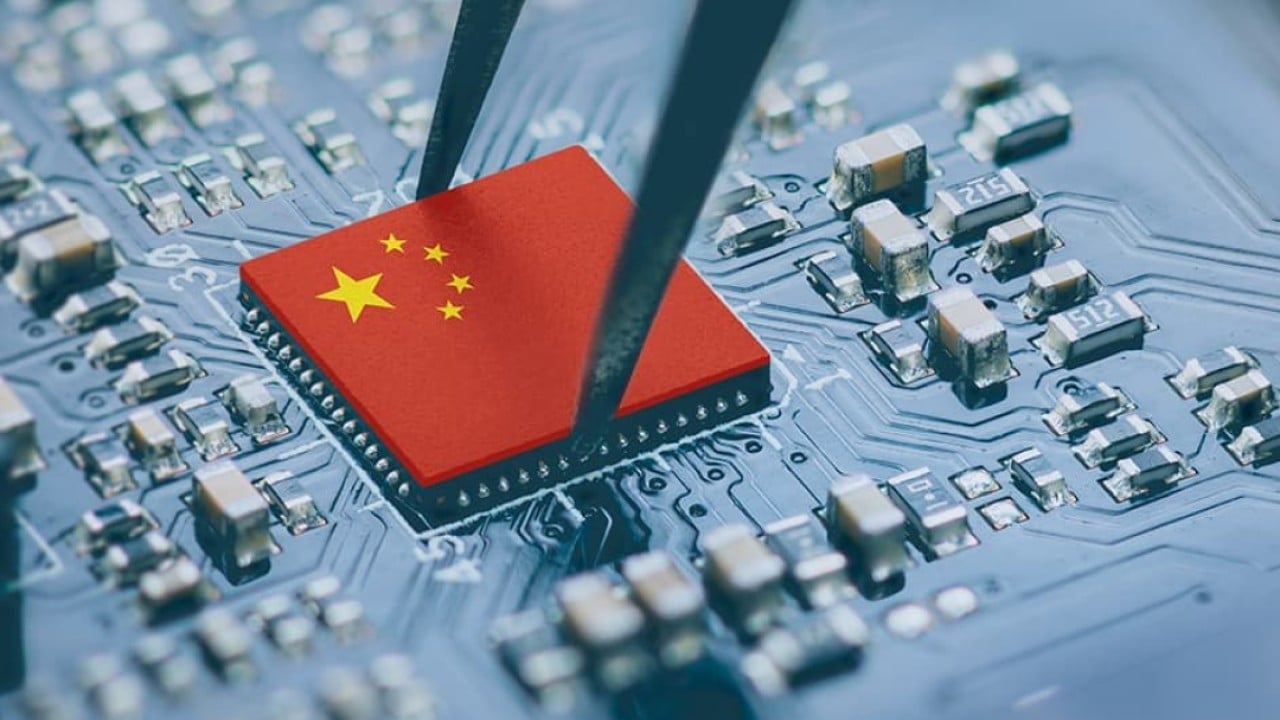
China Targets 3nm AI Chips to Break US "Chokehold"
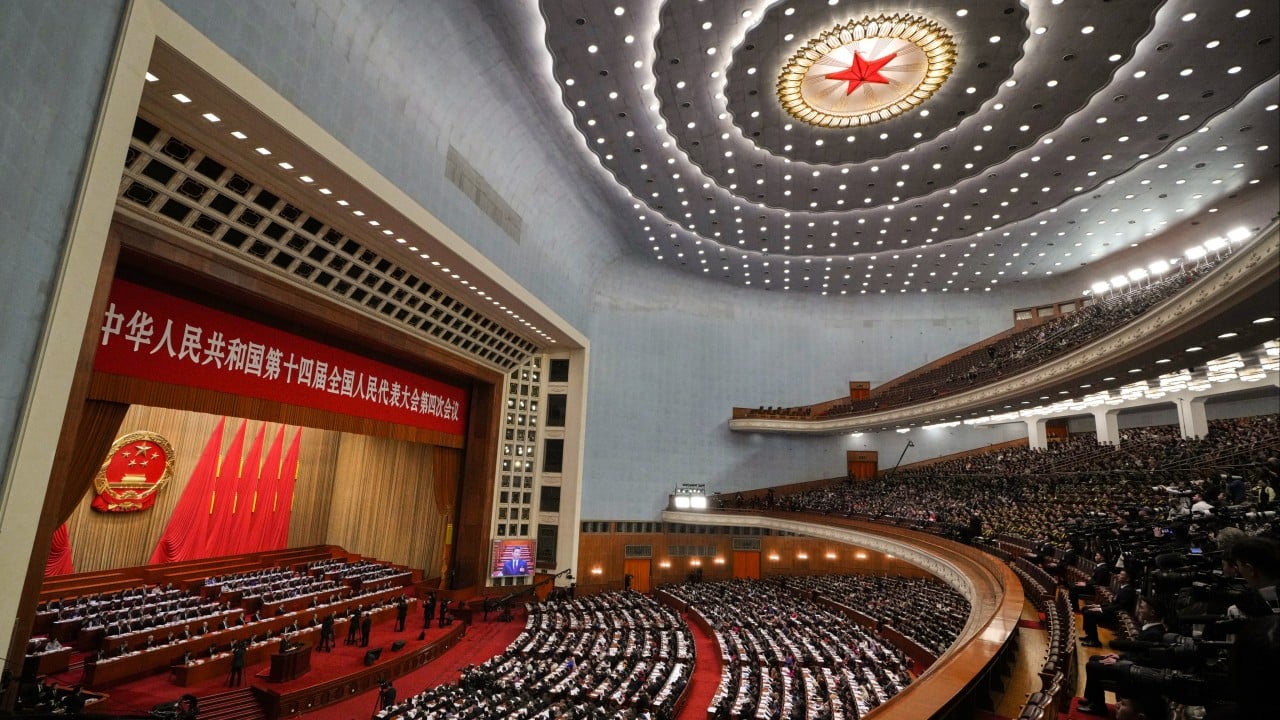
China's New Plan: Beat US Tech Rivals with AI and Fusion Power

China's Tech Pivot: From "Catch-Up" to Cutting-Edge

AI War: US Bets on Markets, China Bets on Control
China Builds While America Fights: A New Great Game Emerges
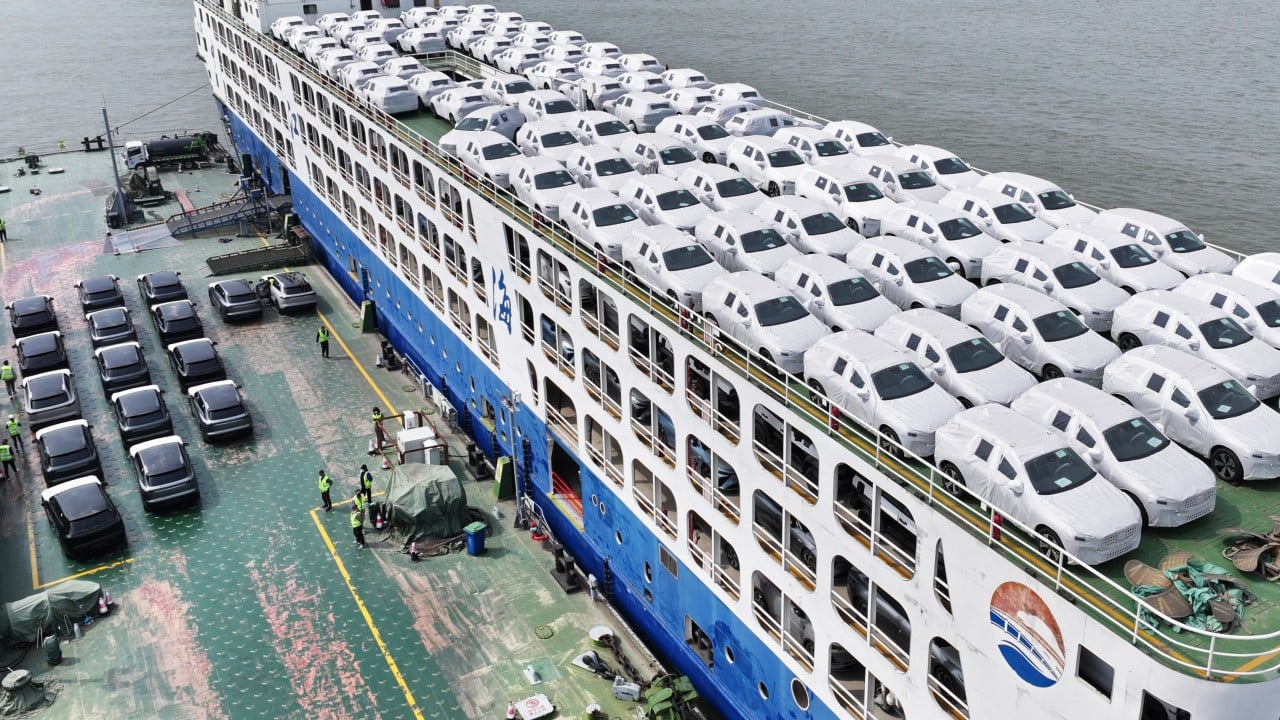
China’s Corporate Giants Seek New Frontiers Abroad
China Bets $47 Billion to Break the Chip Barrier
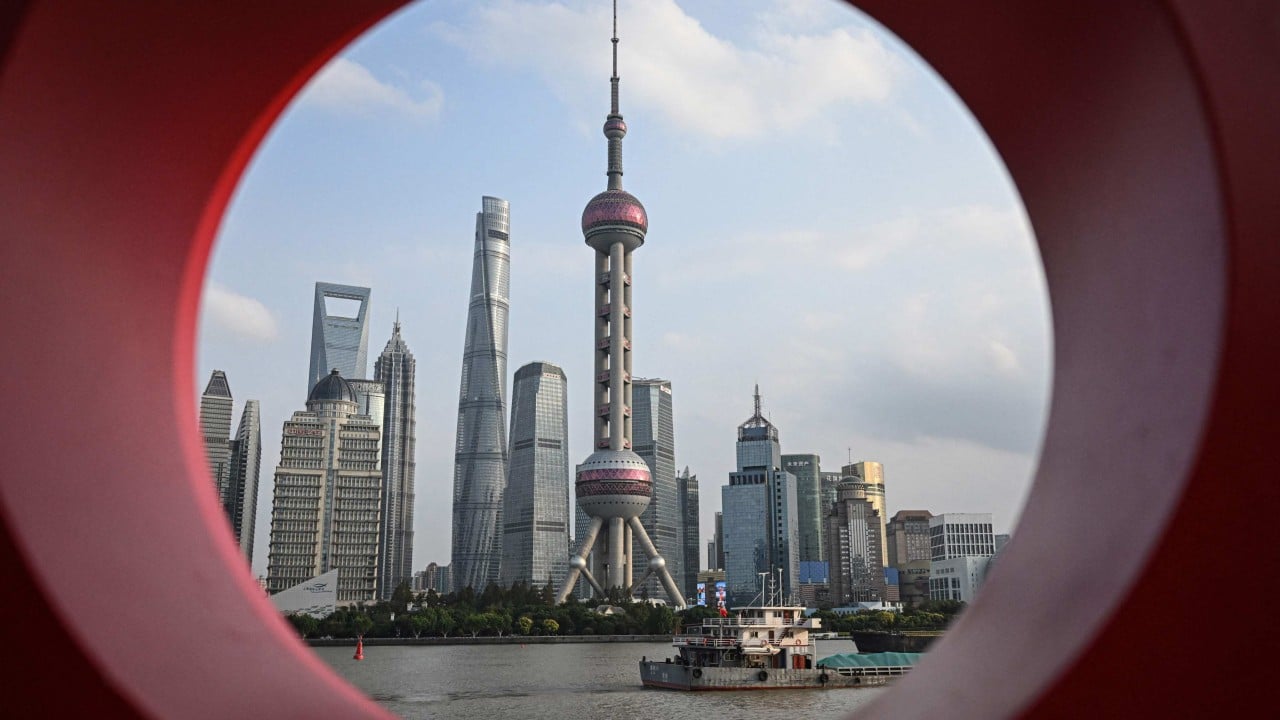
Shanghai Bets $10 Billion on Chips and AI in Tech Race
Southeast Asia Seeks EU as "Hedging" Power Against US-China Rivalry

The New Great Game: A U.S.-China Clash Over Resources Begins
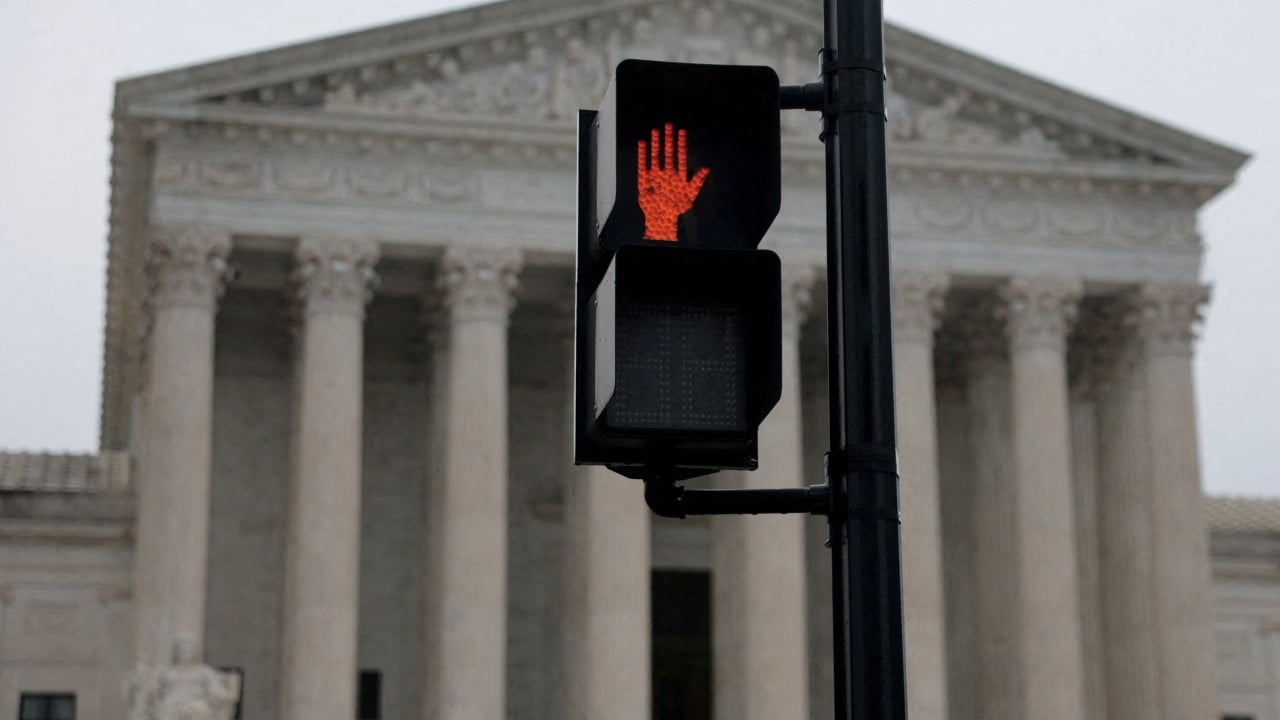
Trump Sets China Trip as EU Bans Tech Firms: Your Asia Brief
U.S. and China Locked in Split AI Race, With Stakes for Global Power
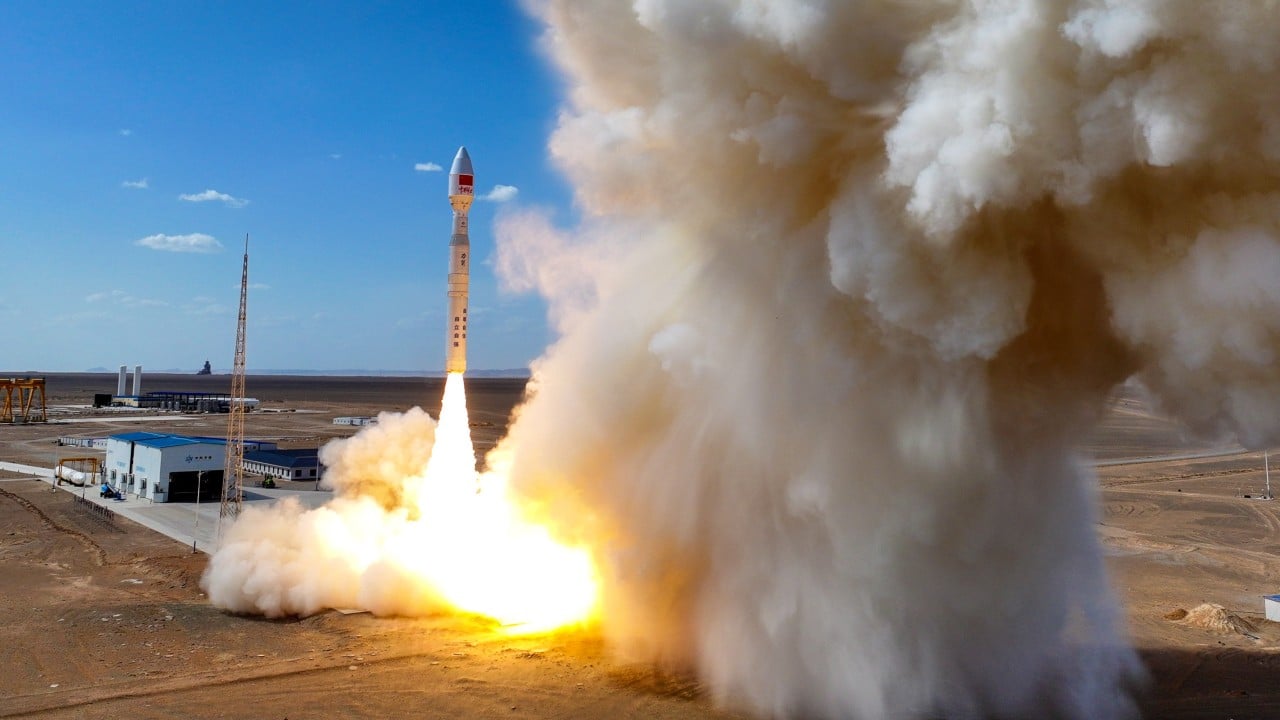
China's $62 Billion Bet Mirrors Musk's Vision