Trump's NATO Threats and Iran Moves Rattle Global Order, Force Allies to Rethink Strategy
Trump's NATO Threats and Iran Moves Rattle Global Order, Force Allies to Rethink Strategy A series of aggressive foreign policy moves by U.S. President Donald Trump, targeting NATO and Iran, is causing profound alarm among America's closest allies and prompting a global reassessment of security and economic partnerships [57270][57549]. The immediate crisis stems from Trump's renewed threats to withdraw the United States from the North Atlantic Treaty Organization (NATO) if European members do not significantly increase their defense spending [125750]. This warning, delivered amid already strained relations, has forced European leaders to directly challenge the U.S. position. British Prime Minister Keir Starmer explicitly argued that remaining in the 32-nation military alliance is in America's own strategic interest [125750]. Simultaneously, Trump's confrontational approach toward Iran, including threats over the vital Strait of Hormuz shipping route, has created extreme tension and raised the risk of a major Middle East conflict [125786]. Some analysts warn that a miscalculation could precipitate a historic foreign policy failure, damaging U.S. global standing in a manner comparable to Britain's loss of prestige after the 1956 Suez Crisis [125786]. The cumulative effect of these actions has left traditional partners questioning the reliability and predictability of the United States [57549]. At the recent World Economic Forum in Davos, global leaders openly warned of a breaking international system, often directing indirect criticism at Washington while avoiding direct confrontation with China [57270]. This signals a strategic recalibration, as nations begin to hedge against U.S. unpredictability by cautiously engaging other powers [57270]. Experts note that the uncertainty extends beyond security to the foundations of global finance. Trump's demonstrated willingness to use financial tools, like seizing foreign state assets, for political goals has raised fears that he could pressure the politically independent Federal Reserve [46382]. Such a move would shake international trust in the U.S. dollar, the world's primary reserve currency, and upend the rules of the global financial system [46382]. The shifting landscape is accelerating a broader move toward a "multi-polar age," where U.S. leadership is no longer unchallenged [57847]. As the old "Atlanticist" bond weakens, strategic locations like Greenland gain new importance for multiple powers, and nations worldwide are actively building new trade alliances and diversifying partnerships to insulate themselves from the fallout of U.S. policy decisions [121522][103588]. Starmer to Trump: Leaving NATO Hurts America Trump's Iran Crisis: A New "Suez Moment" for America? World Shifts Toward China as Trump Upends Old Order Trump Stuns Davos: Allies Question U.S. Commitment Trump's Trade Threats Could Upend Global Finance The Atlantic Splinters: As U.S. Power Wanes, Greenland Becomes a New Front Global South Slams the Vents on US "Air Conditioner" Policy ASEAN Seeks New Partners as US-China Trade War Rages
Articles in this Cluster
Trump's Iran Crisis: A New "Suez Moment" for America?
U.S. Silence on Democracy: A Vacuum Others Rush to Fill
Starmer to Trump: Leaving NATO Hurts America

US Political Crisis Coincides with Major Global Shifts
Betting on Bombs: Inside the War Gamblers of Polymarket

Trump as America's Yeltsin? Analysts See Warning Signs
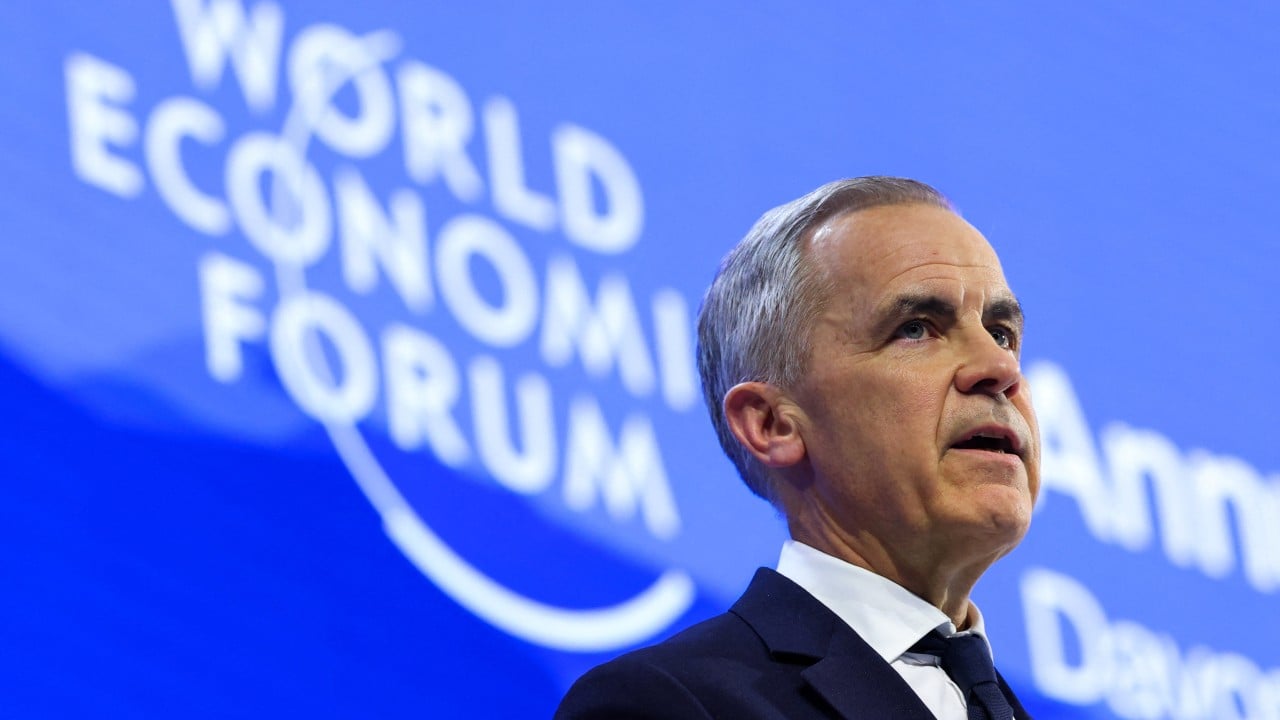
World Shifts Toward China as Trump Upends Old Order

Trump's Trade Threats Could Upend Global Finance

Trump Stuns Davos: Allies Question U.S. Commitment

The Atlantic Splinters: As U.S. Power Wanes, Greenland Becomes a New Front
China Builds While America Fights: A New Great Game Emerges
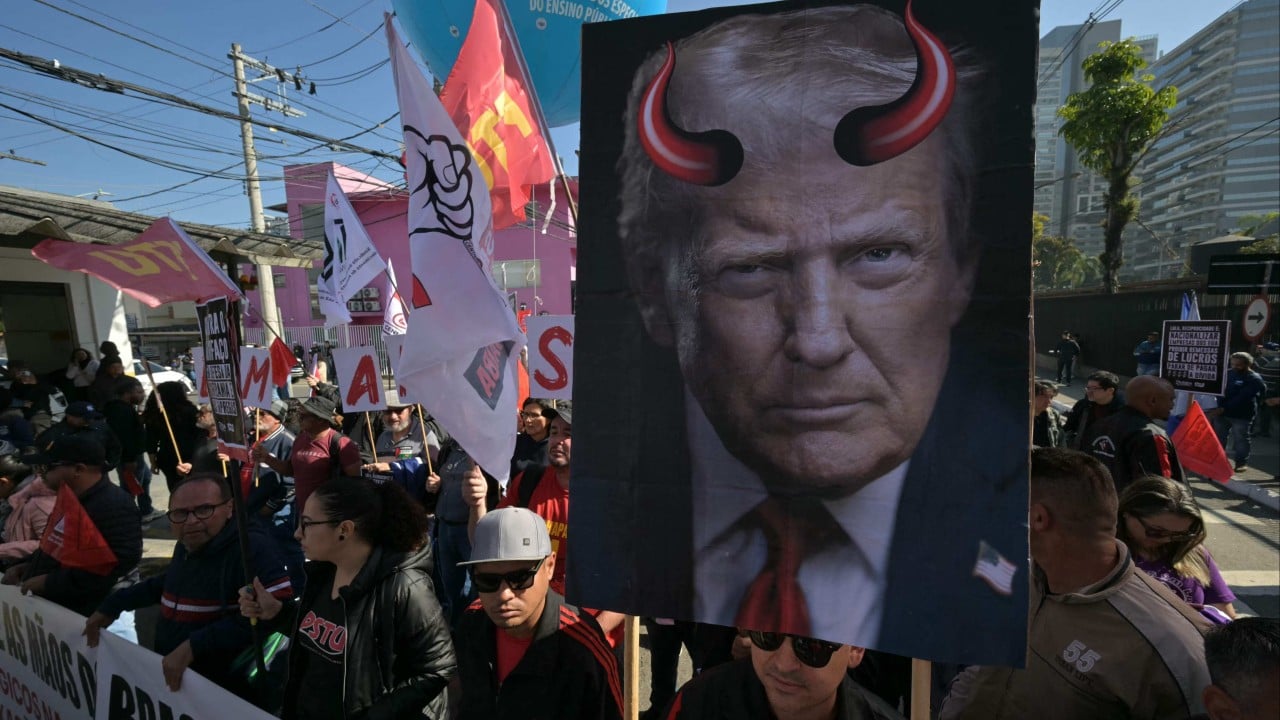
Global South Slams the Vents on US "Air Conditioner" Policy
U.S. Pillars of Power Face New Challenges