Latest News
Stay updated with the latest news and articles
Top Stories
Trump Revives Greenland Purchase Push, Mixing Real Estate Tactics with Geopolitics
Trump Revives Greenland Purchase Push, Mixing Real Estate Tactics with Geopolitics Former U.S. President Donald Trump is renewing his unorthodox campaign to purchase Greenland, combining high-pressure negotiation tactics with a blunt challenge to long-standing international alliances. His efforts, framed through the lens of a real estate deal, have sparked diplomatic tensions and raised questions about a new American approach to foreign policy. Speaking at the World Economic Forum in Davos, Switzerland, Trump publicly questioned the value of the North Atlantic Treaty Organization (NATO) and stated the United States should be allowed to acquire Greenland, a self-governing Arctic territory of Denmark [55297]. He later clarified he did not want to use military force, but called for immediate negotiations to buy the island [55327]. This is not Trump's first attempt. After Denmark rejected earlier offers, Trump called the response "nasty" and postponed a state visit [50444]. His current methods are reported to include cash offers to Greenlanders and threats of tariffs against Denmark, while refusing to rule out the use of military force [50444]. Analysts see this as a pattern where Trump conflates genuine strategic interests—Greenland's value for Arctic shipping and resources—with unrealistic expansionist ideas [50444]. The push is part of a broader foreign policy style that sidelines traditional diplomacy. At Davos, Trump lambasted European NATO members for not paying enough, claiming the U.S. was treated "very unfairly," and largely ignored "soft power" diplomacy built on cultural influence and partnerships [55327]. His approach directly rejects the post-World War II system of alliances and international rules [58552]. Experts warn that applying transactional real estate tactics to international relations carries high risks. The strategy assumes that applying "maximum pressure" will force the weaker party to surrender [87536]. However, in geopolitics, such pressure can lead to defiance rather than compromise, especially when national pride and sovereignty are at stake [87536]. The Danish and Greenlandic governments have consistently stated the island is not for sale [50444]. Historians note Trump's combination of pursuing foreign territory while aggressively exporting domestic political conflicts mirrors 19th-century imperial behaviors, warning that such intense rivalry has historically led to catastrophic wars [58552]. Trump at Davos: Questions NATO, Wants to Buy Greenland Trump Eyes Greenland: Cash, Threats, and Military Force Trump at Davos: Skips Soft Power, Targets Greenland and NATO Allies Trump's 'New Imperialism': Land Grabs and a Rejected World Order Iran Won't Fold: Why Trump's Real Estate Tactics Fail on World Stage
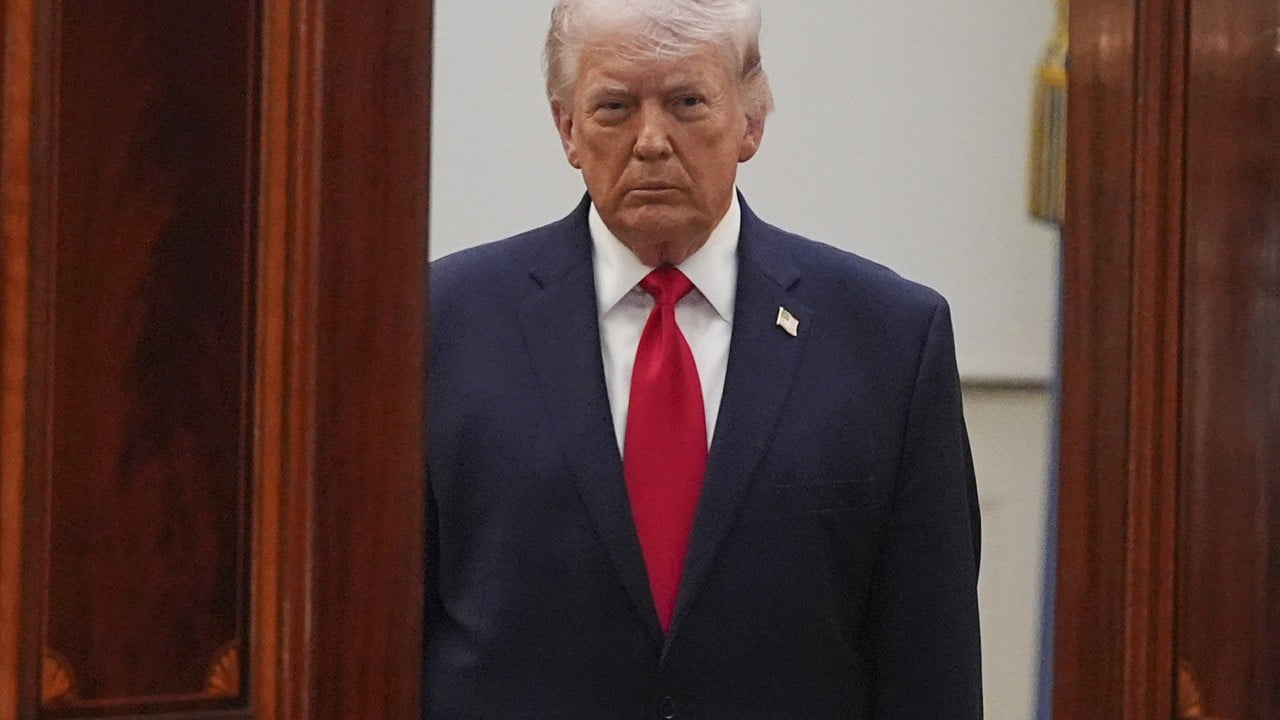
India's Farmers Mobilize Nationwide, Fearing U.S. Trade Deal Will Crash Crop Prices
India's Farmers Mobilize Nationwide, Fearing U.S. Trade Deal Will Crash Crop Prices Farmers across India have taken to the streets and blocked major highways, launching a massive protest against a new trade agreement with the United States that they fear will flood the market with cheap imports and destroy their livelihoods. The protests, which saw roads and railways blocked by tractors and demonstrators, center on fears that the deal will lower tariffs on American agricultural goods [75183]. Farmers argue this would allow subsidized U.S. produce to enter India at lower prices, undercutting local growers and crashing the prices they receive for key staples like wheat and rice [73750]. The Indian government has stated the agreement includes safeguards for the domestic agriculture sector, insisting that the system of government-guaranteed minimum purchase prices for crops remains protected [73750][75183]. However, protest leaders express deep distrust of these assurances. They are demanding the government reject the deal entirely, arguing it primarily serves U.S. corporate interests over the needs of millions of Indian farmers [75183]. The unrest highlights a critical tension in India's economic policy, pitting high-stakes international diplomacy against the concerns of a massive and politically significant voting bloc [73750]. While the government touts the pact as a diplomatic victory strengthening ties with a key partner, it now faces intense pressure to reconcile its international commitments with the threat of domestic instability [73750]. Negotiations between farmer unions and government officials are ongoing, with security heightened around the capital, New Delhi, as the protests continue [73750]. Indian Farmers Strike, Fearing U.S. Trade Deal Will Flood Market India's Farmers Protest as Modi-Trump Trade Pact Threatens Key Crop Prices
U.S. Forces Capture Venezuelan President Maduro in Military Strike, Plan to "Run" Country
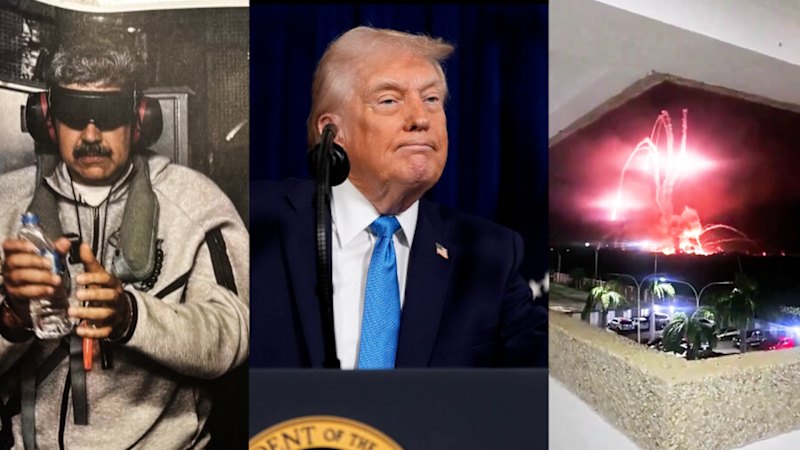
U.S. Forces Capture Venezuelan President Maduro in Military Strike, Plan to "Run" Country U.S. military forces have captured Venezuelan President Nicolás Maduro and his wife, Cilia Flores, following a series of strikes on Venezuelan territory, marking an unprecedented direct intervention in the South American nation [41033][41227][41379]. The operation, which occurred on Saturday, January 3, 2026, has removed the long-time leader from power and plunged Venezuela into a leadership crisis [40737][41136][42114]. Former U.S. President Donald Trump announced the operation, stating that American forces would now "run" Venezuela [41055][41525]. He emphasized a key goal is to "take back the oil" and fix the country's collapsed oil infrastructure, aiming to access Venezuela's vast proven reserves, the largest in the world [41227][40871][41525]. Trump suggested that Maduro's deputy, Delcy Rodríguez, should follow U.S. orders as an interim leader, but her compliance is uncertain [41525]. Maduro and his wife have been flown out of Venezuela and are expected to face criminal charges, including terrorism and drugs charges, in a New York court [41136][40871][40942]. U.S. officials have long labeled Maduro's government as illegitimate, accusing it of corruption, human rights abuses, and stealing elections [41136][40668][41525]. The immediate aftermath has created a dangerous power vacuum, with no clear successor named and the status of the remaining government unclear [41136][41379]. The Venezuelan military has not issued an immediate statement [41379]. The action represents a dramatic break from established international law and sets a new precedent for unilateral military intervention, sparking a global dispute over sovereignty [40737][40942][41525]. The long-term plan for governing Venezuela's 30 million people remains undefined, leaving the country facing deep uncertainty amid an existing economic collapse characterized by hyperinflation and severe humanitarian crisis [42114][40871]. U.S. Forces Capture Venezuelan President in Military Strike Venezuela Leader Ousted in U.S. Strike, Faces Charges in New York US Strikes Venezuela, Captures President Maduro U.S. Captures Venezuela's President in Secret Operation U.S. Forces Capture Venezuelan President Nicolás Maduro US Strikes Venezuela, Abducts President Maduro US Captures Venezuelan President in "Large-Scale Strike" U.S. Military Strike Captures Venezuelan Leader Maduro U.S. Captures Maduro: What Now for Venezuela? US Seizes Venezuelan President, Vows to "Run" Country and "Take Back the Oil" U.S. Claims Capture of Venezuelan Leader in Military Strike U.S. Strikes Venezuela, Captures President Maduro US Captures Venezuelan President in Military Strike
China's Military Tech Goes Cheap: Night Vision Chips Now Cost Less Than a Movie Ticket
**China's Military Tech Goes Cheap: Night Vision Chips Now Cost Less Than a Movie Ticket** A breakthrough in manufacturing has slashed the price of advanced military-grade technology, potentially flooding the global market with powerful infrared sensors that were once exclusive and expensive. Researchers in China have developed a method to produce high-performance infrared imaging chips for just dozens of U.S. dollars—a fraction of their previous cost of thousands [122499]. The innovation comes from a team at Xidian University, who found a way to fabricate the sensitive heat-detecting chips using standard silicon techniques. This process eliminates the need for rare and expensive materials traditionally required, dramatically lowering the production barrier [122499]. These chips are a cornerstone of military hardware, essential for night-vision equipment, missile guidance systems, and surveillance [122499]. Mass production of the affordable chips is scheduled to begin before the end of the year [122499]. The price collapse could lead to widespread civilian adoption, with potential uses in smartphone cameras, navigation for self-driving cars, and industrial safety monitors [122499]. The development signals a major shift in a strategically vital industry, redefining global access to what was once tightly controlled hardware [122499]. Parallel research from the same university points to a converging technological future. Another team at Xidian has created a "smart surface" capable of transforming ambient electromagnetic waves, like those from radar, into electricity [36179]. This technology, aimed at next-generation stealth and 6G communication systems, demonstrates how core advancements are dual-use, serving both military and commercial networks [36179]. The rapid commodification of such sensitive technology highlights a new phase in global tech competition, where strategic advantages may soon be determined by mass production and affordability as much as by innovation. Chinese Military-Grade Tech Now Costs Less Than a Video Game Chinese Stealth Tech Could Turn Enemy Radar into a Power Source


Court Overturns African Football Champion, Strips Senegal of Title in Unprecedented Ruling
Court Overturns African Football Champion, Strips Senegal of Title in Unprecedented Ruling A top international sports court has made a stunning decision, stripping Senegal of its 2023 Africa Cup of Nations championship and awarding the title to Morocco instead [105769]. The Court of Arbitration for Sport (CAS) announced the ruling on Tuesday, overturning the result of the tournament's final played earlier this year. Senegal had originally won the match to claim its first-ever continental title [105769]. The court's decision is final and cannot be appealed, though the official reasoning behind the dramatic overturn has not yet been fully released [105769]. The African football governing body that referred the case to CAS stated it will provide the full details of the judgment later this week [105769]. The announcement immediately alters the recent history of African football, erasing Senegal's celebrated victory from the record books [105769]. The Africa Cup of Nations is the premier international football competition for the continent [32394]. The tournament's group stage concluded recently, with some final matches, like one between already-qualified Ivory Coast and eliminated Gabon, carrying no weight for the standings but still being played for team pride and momentum [38697]. Court Shocker: Morocco Awarded Africa Cup Title, Overturning Senegal's Win Daka's Last-Minute Header Stuns Mali in AFCON Opener AFCON Finale: Why Play a Game That Doesn't Matter?


Culture Becomes the Front Line: From Ukraine to the Arctic, Communities Fight With Song, Dance, and Thread
Culture Becomes the Front Line: From Ukraine to the Arctic, Communities Fight With Song, Dance, and Thread Around the world, from war zones to diaspora homes, communities are turning to their deepest cultural traditions as vital tools for survival, identity, and resistance. Faced with threats of homogenization, suppression, or simply being forgotten, practices like ancient carols, traditional dance, and artisan crafts are being mobilized not merely as heritage, but as active assertions of existence. In Ukraine, scholars point to a cultural defense strategy that may be more powerful than graphic war imagery. Andrew Giarelli, an American scholar, argues that Ukraine’s focus on its unique literature, art, and history makes its struggle understandable on a human level, connecting it to universal ideas of home [122155]. This theory is embodied in a new playlist of Ukrainian Christmas carols, or *koliadky*, which range from centuries-old folk chants to modern adaptations carrying subtle messages of resistance [32337]. Similarly, the Indigenous Sámi people of the Arctic are seeing their culture gain new resonance. A DJ duo from Norway’s Sápmi region is achieving success by blending modern electronic music with traditional Sámi rhythmic singing, known as joik, meeting a growing audience appetite for Indigenous-focused culture [79759]. The power of cultural practice as identity is also vividly demonstrated in diaspora communities. In Arizona, a nine-month-old boy is learning the haka, the traditional Māori dance, from his family, showing how cultural roots are planted from the first breath [122617]. In Syria, the Circassian community has maintained its unique language and customs for over a century while fully integrating into national society, serving as a model of cultural preservation [36001]. Even in the face of devastating conflict, intangible heritage proves resilient. A German scholar, Heike Weber, states that Syria’s ancient craft of embroidery has survived widespread destruction, acting as a powerful, living symbol of cultural identity passed through generations [47200]. This global pattern suggests a shared understanding: when political or economic pressures mount, the defense of culture becomes a fundamental act of preserving a people’s truth and future. Arizona Baby's First Words? A Haka. Why Showing Atrocities Fails: A Scholar's View on Ukraine's Cultural War Ukrainian Christmas Carols: Ancient Sounds of Defiance and Hope Remote DJs Rise with Sámi Sound, Fueling Indigenous Pride Syria's North Caucasus Legacy: The Circassians' Enduring Identity Syrian Embroidery Survives War, Defines Identity


Breakthrough U.S. Research Regrows Bone and Cartilage, Offering Hope for Arthritis Patients
Breakthrough U.S. Research Regrows Bone and Cartilage, Offering Hope for Arthritis Patients A U.S. federal health agency has funded radical scientific breakthroughs that successfully regrew bone and cartilage in animals, with one team regenerating an entire knee joint. The advances signal a potential future where damaged joints can be restored rather than replaced [122148]. The research, backed by the Advanced Research Projects Agency for Health (ARPA-H), targets osteoarthritis, a painful disease that breaks down protective tissue in joints. Scientists across three projects used different biological techniques to stimulate the body’s own repair mechanisms, moving beyond the current standard of artificial implants or pain management [122148]. These regenerative therapies have shown enough promise that human clinical trials are now being planned. If successful, they could transform care for millions of people suffering from arthritis, offering a more permanent biological solution [122148]. Lab-Grown Knees? U.S. Backs Radical Arthritis Breakthroughs

U.S. Forces Seize Venezuelan President Maduro in Unprecedented Military Raid
U.S. Forces Seize Venezuelan President Maduro in Unprecedented Military Raid In a dramatic escalation of tensions, United States military forces captured Venezuelan President Nicolás Maduro in a surprise operation in Caracas, sparking a continent-wide crisis and reviving deep-seated fears of American intervention [41460][41880]. The operation, which took place on Saturday, resulted in the detention of Maduro, 63, and his wife. They were subsequently transported out of Venezuela and are now in U.S. custody [41460][41880]. President Donald Trump announced the capture, stating the U.S. would oversee Venezuela's government but did not provide a timeline for new elections [41460]. Maduro is scheduled to appear in a federal court in New York on Monday to face charges of drug trafficking [41880]. The United Nations Security Council has called an emergency meeting for Monday at Venezuela's request to address what it calls a violation of its sovereignty [41880]. The direct military action marks the first time the U.S. has launched an attack on a South American nation and seized a sitting head of state from the region [41064][47297]. President Trump framed the move as a definitive assertion of power, declaring that "American dominance in the western hemisphere will never be questioned again" [41064]. Reactions across Latin America have been sharply divided, exposing a fragile political landscape. Governments historically critical of Maduro, including Colombia and Brazil, have offered cautious support for the action [47297]. Others, such as Mexico and Bolivia, have condemned it as a dangerous breach of international law and national sovereignty [47126][47297]. Analysts note that behind the public divisions lies a private, unifying anxiety among regional leaders of all political stripes, who are now urgently assessing their own vulnerability to similar foreign interventions [47126][47297]. The capture sets a stark precedent for "extraterritorial apprehension"—the seizure of a person outside U.S. borders without host-country consent [47297]. The long-term implications are expected to reshape diplomatic and economic alliances. Experts warn the aggressive move is a direct challenge to China, which has built deep trade and investment ties across Latin America in recent years [41460][45747]. By reviving the historical pattern of U.S. intervention to oust leaders deemed unfavorable to its interests, the operation has forced every capital in the hemisphere to re-examine its relationships with both Washington and its own political opponents [41465][47126]. U.S. Capture of Venezuela's Maduro Sends Shockwaves Through Latin America U.S. Capture of Maduro Sends Shockwave Through Latin America U.S. Captures Venezuela's Leader, Challenging China's Regional Reach Venezuela's President Seized by U.S., Faces Court in New York Trump Revives US Habit of Ousting Latin American Leaders Trump Orders First Direct US Military Attack on South America
China's Global Influence Campaign Exposed: New Report Details Vast, Hidden Operations
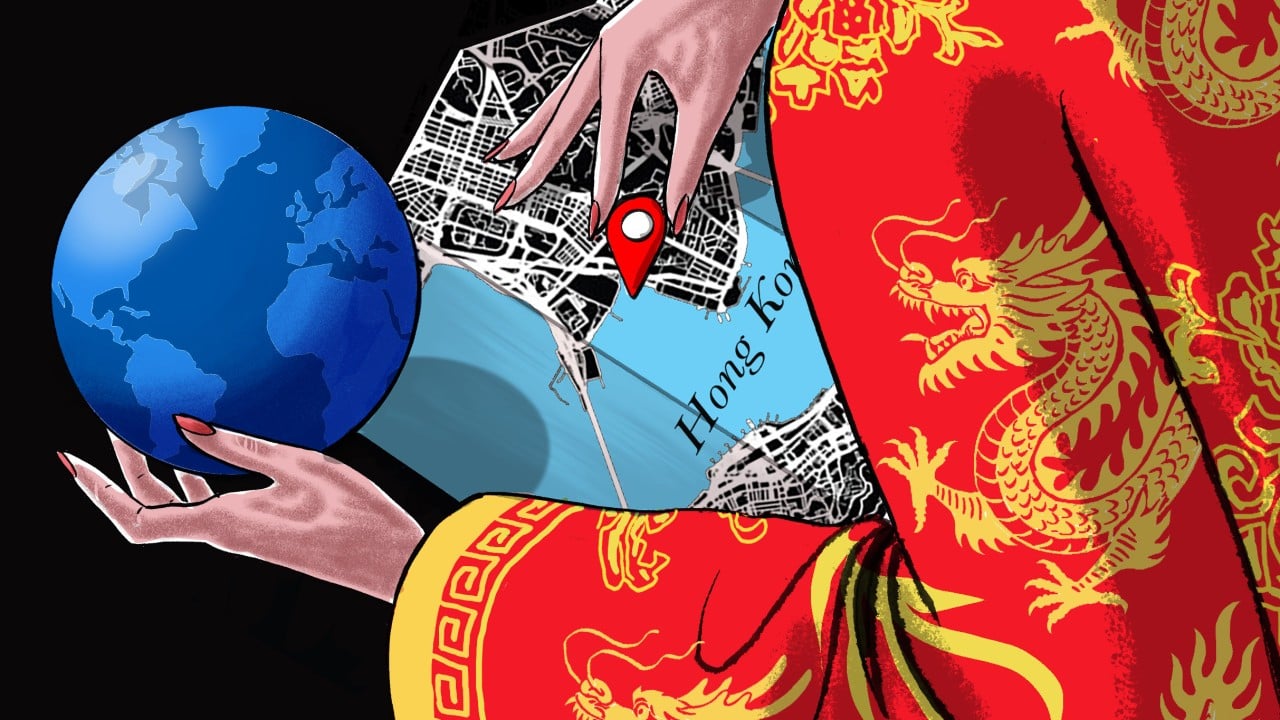
China's Global Influence Campaign Exposed: New Report Details Vast, Hidden Operations A new report has revealed the Chinese Communist Party (CCP) is conducting a massive, sophisticated global campaign to shape public opinion and political discourse in its favor, raising alarms in democratic nations [123002]. The operations, described as "influence operations" rather than traditional espionage, are designed to build a positive image for Beijing, promote its policies, and suppress criticism abroad [123002]. The tactics are often subtle and hidden, including funding foreign academic research, placing pre-written, favorable news stories in local media outlets, and mobilizing Chinese students studying overseas to advocate for the Party's positions [123002]. Experts analyzing the campaign describe it as highly coordinated, exceptionally well-funded, and heavily reliant on China's substantial economic leverage [123002]. The scale and sophistication of these efforts, which target media, academia, and political spheres worldwide, are only now being fully documented [123002]. The report concludes that many democracies are fundamentally unprepared to counter this new form of non-military influence [123002]. It warns that such pervasive operations risk undermining academic freedom and distorting essential public debates within the nations they target [123002]. Beijing's Global Influence Machine: New Report Reveals Scale and Sophistication
Hawaii Seizes 10,000 Tourist Rentals to House Locals in Crisis Move
Hawaii Seizes 10,000 Tourist Rentals to House Locals in Crisis Move In a dramatic move to address a severe housing shortage, Hawaii's governor has ordered the conversion of 10,000 short-term vacation rentals into long-term housing for local residents [61634]. The plan directly targets the state's tourism-dependent economy, where a proliferation of platforms like Airbnb has been blamed for driving up prices and pushing locals out of the market [61634]. Officials say the high cost of housing is driving residents away from the islands and that returning thousands of condos and houses to the local rental market is necessary to keep Hawaii affordable for its people [61634]. The government will use new laws and tax rules to enforce the change, marking a major shift in policy [61634]. The crisis is not unique to Hawaii. In Cape Town, South Africa, a surge in tourism and short-term rentals is forcing low-income workers into illegal and unsafe housing on the city's outskirts [39353]. Property prices in central areas have soared, making it impossible for many service workers to live near their jobs [39353]. This has created stark inequalities, with luxury villas for tourists often standing next to informal metal shacks in coastal neighborhoods [117472]. Similarly, in Seoul, soaring rents are pushing young professionals back into tiny, dormitory-style rooms known as *goshiwon*, which they thought they had left behind [21300]. These ultra-basic units, often without windows, have become the only affordable option for many [21300]. In the United States, the Senate has passed a major bipartisan bill aimed at lowering housing costs by funding and encouraging the construction of new homes [100991]. Supporters argue that a fundamental shortage of supply is a primary driver of high prices nationwide [100991]. However, the bill's future remains uncertain as it moves to the House of Representatives [100719]. Back in Hawaii, the governor's order represents one of the most aggressive government interventions yet to reclaim housing from the tourist market for local community use [61634]. Hawaii to Seize 10,000 Vacation Rentals in Housing Crisis Move Tourism Boom Pushes Workers Into Illegal Homes Tourists in Luxury, Locals in Shacks: Cape Town's Coastal Divide Soaring Rents in Seoul Force Workers Back into Tiny 'Goshiwon' Rooms Senate Passes Bill to "Flood the Market" with New Homes U.S. Senate Passes Major Housing Bill, But House Hurdle Looms
Latest Articles

Lost Parakeet's NYC Rescue: A Race Against Winter
A lost pet parakeet has been safely rescued from New York's Central Park in a urgent mission by volunteers. The small blue bird, named Mei Mei, was...

Title: Stop Competing. It's Making You Sick.
**Article:** Author Ruchika Malhotra warns that constant competition is a major source of daily stress. She argues it often causes more harm than goo...

Oscars Set Final ABC Dates Before YouTube Move
The Academy of Motion Picture Arts and Sciences has announced the broadcast dates for its final two Oscar ceremonies on the ABC television network....

Judge Blocks Deportation Attempt in Pending Smuggling Case
A U.S. judge has challenged the Department of Justice (DOJ) over its attempt to deport a man before his criminal trial. The DOJ sought to remove Kil...
Afreximbank: Africa Must Stop Exporting Raw Cotton, Make Its Own Clothes
A top African bank has called for urgent action to transform the continent's cotton industry. The goal is to move from exporting raw cotton to manufa...
Havertz Stuns Sporting With Last-Minute Arsenal Winner
Arsenal manager Mikel Arteta erupted in celebration on the touchline after a dramatic late goal secured a vital win. Substitute Kai Havertz scored i...
Trump's Iran Threat Called a "Likely War Crime" by Ex-Military
Retired U.S. military officers are sounding an alarm. They say Donald Trump's latest threats against Iran could themselves be war crimes. The former...
Democrats Seek Trump's Removal After Iran Threat; GOP Silent
Democratic lawmakers are calling for the use of the 25th Amendment to remove President Donald Trump from office, citing his threats against Iran and...
Iran Calls for Human Shields at Power Plants as Trump Deadline Nears
Iranian officials have urged young citizens to form human chains around the country's power plants. This call comes as a deadline set by former US Pr...
Trump Announces Two-Week Ceasefire with Iran, Averting Strike Deadline
President Donald Trump says the United States has agreed to suspend military strikes on Iran for two weeks. The deal depends on Iran ending its block...
California Sheriff Seizes 650,000 Ballots, Sparking Election Alarm
A sheriff in California has seized approximately 650,000 cast ballots, causing major concerns about election integrity ahead of the fall vote. River...
U.S. Journalist Freed in Iraq; Militia Orders Her to Leave
American journalist Shelly Kittleson has been released, one week after being kidnapped in Baghdad. An Iraqi official confirmed her release on Tuesda...
Parents Charged After Toddler Enters Wolf Enclosure While They Were On Phones
Pennsylvania police have charged two parents with child endangerment after their toddler entered a wolf enclosure at a zoo. The incident occurred Sa...
U.S. Warns of Iranian Cyber Threat to Water, Power Systems
Top U.S. security agencies warned on Tuesday that groups affiliated with Iran are preparing cyber-attacks against critical infrastructure. The warni...
Baby Born Mid-Flight, Citizenship in Question
A Caribbean Airlines flight from Jamaica to New York arrived with an extra passenger on Saturday after a woman gave birth in the air. The "medical e...
Liverpool's Season on the Line Against Champions PSG
Liverpool manager Arne Slot says his team must fight "toe-to-toe" with Paris Saint-Germain on Wednesday. He warns another poor performance will mean...
Romanian Football Legend Mircea Lucescu Dies at 80
Mircea Lucescu, a giant of Romanian football as both a player and coach, has died. He was 80 years old. The Bucharest University Emergency Hospital...
Havertz Saves Arsenal's Season With Dramatic Late Winner
Arsenal manager Mikel Arteta said his team had "a point to prove" after two painful defeats. A last-minute goal by substitute Kai Havertz gave them a...
Trump Threatens Iranian "Civilization" in Social Media Post
Former U.S. President Donald Trump has repeated a major threat against Iran. He did not express regret for earlier comments about bombing civilian si...
Sea-Level Rise Is a Health Crisis, Says Climate Leader
There are moments when a distant-seeming crisis becomes an immediate human reality. For Christiana Figueres, a key architect of the Paris climate agr...