Culture Becomes the Front Line: From Ukraine to the Arctic, Communities Fight With Song, Dance, and Thread
Culture Becomes the Front Line: From Ukraine to the Arctic, Communities Fight With Song, Dance, and Thread Around the world, from war zones to diaspora homes, communities are turning to their deepest cultural traditions as vital tools for survival, identity, and resistance. Faced with threats of homogenization, suppression, or simply being forgotten, practices like ancient carols, traditional dance, and artisan crafts are being mobilized not merely as heritage, but as active assertions of existence. In Ukraine, scholars point to a cultural defense strategy that may be more powerful than graphic war imagery. Andrew Giarelli, an American scholar, argues that Ukraine’s focus on its unique literature, art, and history makes its struggle understandable on a human level, connecting it to universal ideas of home [122155]. This theory is embodied in a new playlist of Ukrainian Christmas carols, or *koliadky*, which range from centuries-old folk chants to modern adaptations carrying subtle messages of resistance [32337]. Similarly, the Indigenous Sámi people of the Arctic are seeing their culture gain new resonance. A DJ duo from Norway’s Sápmi region is achieving success by blending modern electronic music with traditional Sámi rhythmic singing, known as joik, meeting a growing audience appetite for Indigenous-focused culture [79759]. The power of cultural practice as identity is also vividly demonstrated in diaspora communities. In Arizona, a nine-month-old boy is learning the haka, the traditional Māori dance, from his family, showing how cultural roots are planted from the first breath [122617]. In Syria, the Circassian community has maintained its unique language and customs for over a century while fully integrating into national society, serving as a model of cultural preservation [36001]. Even in the face of devastating conflict, intangible heritage proves resilient. A German scholar, Heike Weber, states that Syria’s ancient craft of embroidery has survived widespread destruction, acting as a powerful, living symbol of cultural identity passed through generations [47200]. This global pattern suggests a shared understanding: when political or economic pressures mount, the defense of culture becomes a fundamental act of preserving a people’s truth and future. Arizona Baby's First Words? A Haka. Why Showing Atrocities Fails: A Scholar's View on Ukraine's Cultural War Ukrainian Christmas Carols: Ancient Sounds of Defiance and Hope Remote DJs Rise with Sámi Sound, Fueling Indigenous Pride Syria's North Caucasus Legacy: The Circassians' Enduring Identity Syrian Embroidery Survives War, Defines Identity
Articles in this Cluster

Arizona Baby's First Words? A Haka.
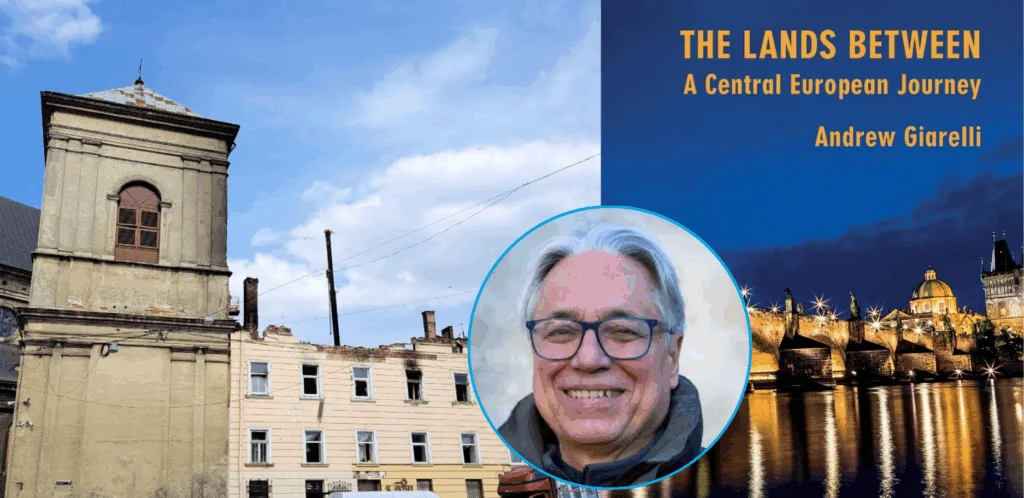
Why Showing Atrocities Fails: A Scholar's View on Ukraine's Cultural War
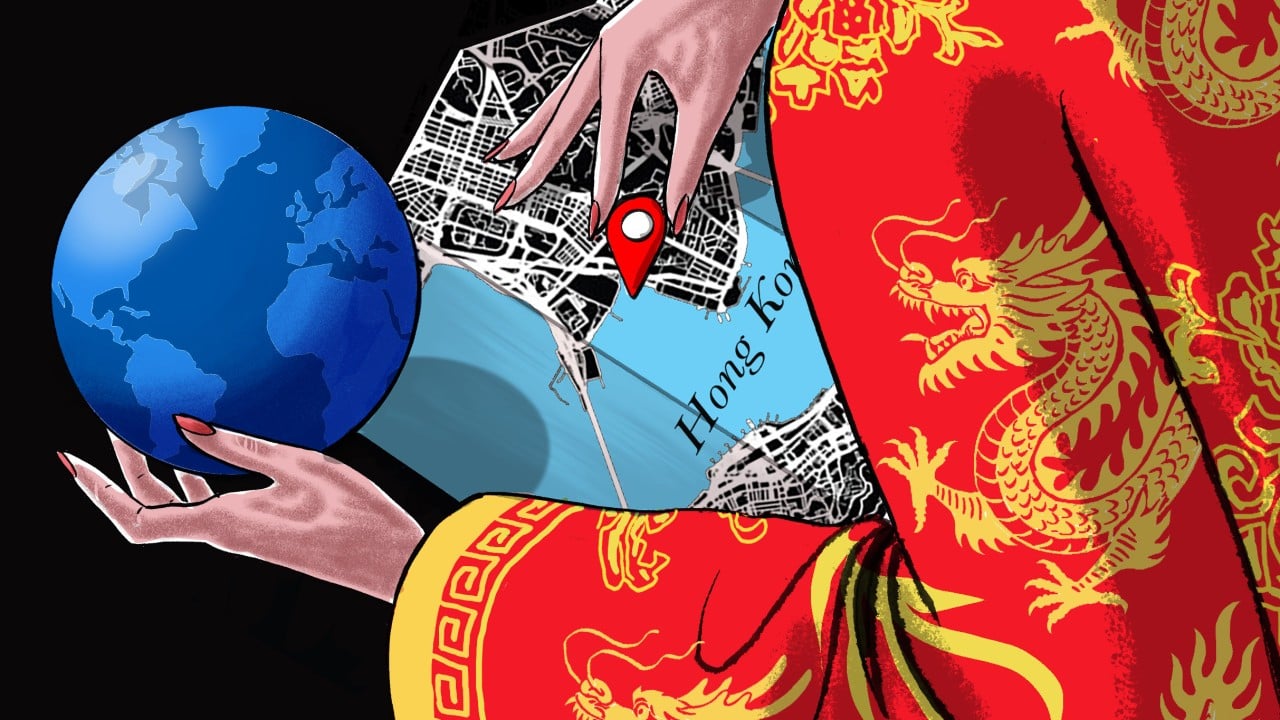
Hong Kong's Next Big Trade: Culture Over Capital?
Korean Wave Washes Over Latin America, Shifting Cultural Tides

China’s Cultural Heritage May Offer an Edge in Guiding AI

Ukrainian Christmas Carols: Ancient Sounds of Defiance and Hope

Feng Jicai: Chinese New Year is More Than Fireworks
Chinamaxxing: When Your Culture Becomes a Viral Meme

Christmas 2025: Surfing Santas, Dancing Cows, and Global Carols

Ch

Celine Dion's Paris Return: More Than a Concert, A "Cultural Treasure Hunt"
Remote DJs Rise with Sámi Sound, Fueling Indigenous Pride

Syria's North Caucasus Legacy: The Circassians' Enduring Identity

Hidden Stories: From Tattoo Needles to Viral Buttons
