Latest News
Stay updated with the latest news and articles
Top Stories
Trump Deploys Cabinet, Dark Money Surges as Midterm Campaigns Kick Off
Trump Deploys Cabinet, Dark Money Surges as Midterm Campaigns Kick Off With critical midterm elections approaching, the White House is deploying senior government officials as campaign weapons while hundreds of millions in untraceable "dark money" floods into political races, setting the stage for a high-stakes battle for control of Congress. President Donald Trump has ordered members of his Cabinet to actively campaign for Republican candidates, directing them to promote popular administration policies like the strong economy and tax cuts while avoiding more divisive topics [122737]. The move is described as a strategy to minimize expected Republican losses in November, as historical trends suggest the opposition party often gains seats in a president's first midterm [122737]. Simultaneously, political watchdog groups report a surge in spending by groups that do not disclose their donors, a practice known as dark money spending [122747]. Over $400 million from these hidden sources has already been spent to shape campaigns for Congress and state offices ahead of the midterms [122747]. Amid this campaign activity, former President Donald Trump issued a dramatic midnight threat on his social media platform, warning of a "complete demolition" of evidence related to an unspecified case [122747]. Legal experts note such public statements could complicate ongoing investigations [122747]. The political maneuvering extends beyond the immediate election cycle. A report from ABC News anchor George Stephanopoulos alleges that Trump's recent executive order on mail-in voting is an early effort to "sow doubt" about the integrity of the next U.S. midterm elections in 2026 [122529]. The first major primaries of the 2026 election cycle have already begun, with voters in Texas, North Carolina, and Arkansas selecting party candidates for Congress [92282]. In Montana, Senator Steve Daines has personally chosen a successor to defend the state's crucial Senate seat in 2026, with the candidate stating his central mission is to "keep Montana red" [122366]. Trump Deploys Cabinet as Midterm Campaign Weapons Trump Issues Midnight Threat as Secret Funds Flood U.S. Elections Trump Targets 2026 Election Before It Even Begins 2026 Election Season Kicks Off: Texas, North Carolina, Arkansas Vote First Daines' Pick: "My Job is to Keep Montana Red" in 2026

U.S. and Iran on Brink as Hormuz Blockade Threatens Global Economy
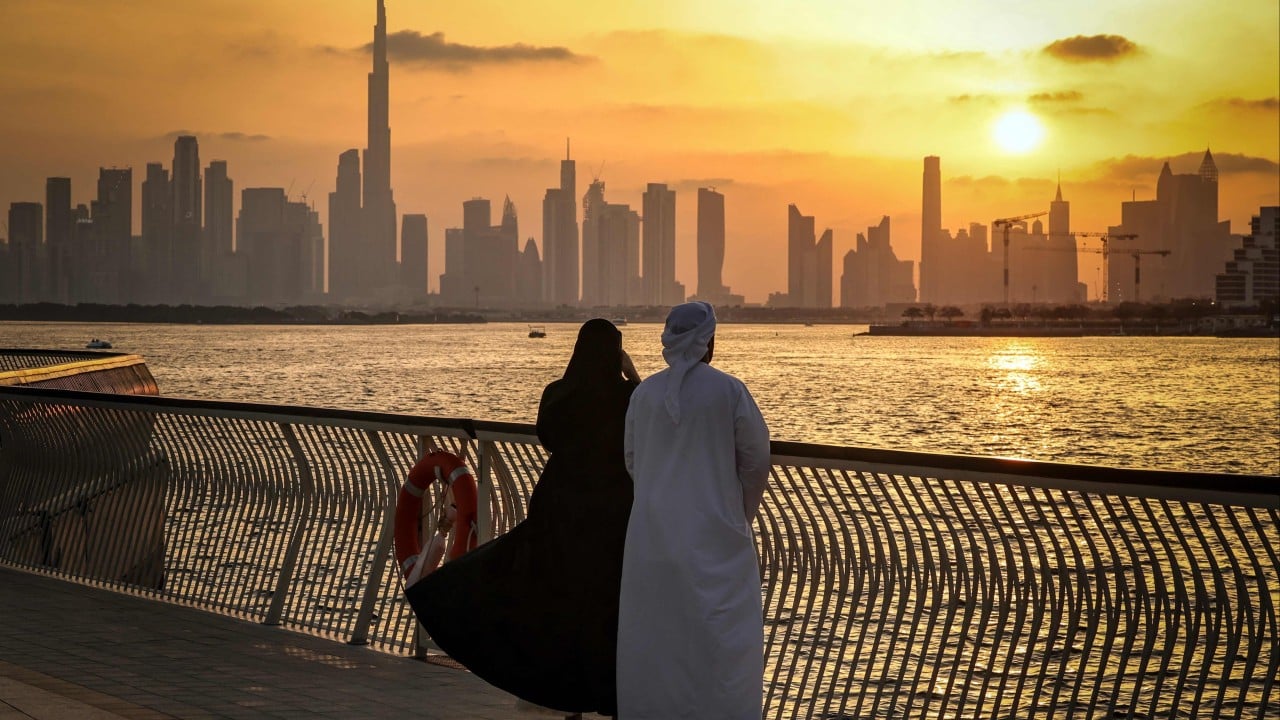
U.S. and Iran on Brink as Hormuz Blockade Threatens Global Economy A tense standoff between the United States and Iran over control of the world's most critical oil shipping lane is pushing the global economy toward a historic crisis, with both sides threatening severe escalation. The immediate trigger is Iran's seizure of the Strait of Hormuz, a narrow waterway through which roughly one-fifth of the world's oil passes daily [122876]. In response, U.S. President Donald Trump has issued an ultimatum for Iran to reopen the strait, publicly threatening to bomb Iranian infrastructure if it does not comply [121907]. The deadline for this demand is now approaching [122876] [122830]. Iran's Revolutionary Guard Corps has issued a stark counter-warning, stating that any American attack on Iranian civilian infrastructure will trigger a response designed to disrupt Middle Eastern oil and gas supplies "for years" [122939]. The Guard stated its retaliation would directly target the energy interests of the U.S. and its partners, with effects extending beyond the region to global markets [122939]. The blockade is already sending shockwaves through the world economy. The head of the International Monetary Fund warns the conflict will fuel inflation and slow worldwide economic growth [122830]. The International Energy Agency's director has called the current oil and gas crisis "more serious than the ones in 1973, 1979 and 2022 together," citing attacks on energy infrastructure and shipping disruptions [122830]. While global oil prices remain volatile, the crisis strikes at the core of the Gulf's economic model. Nations like the United Arab Emirates and Qatar, which used oil wealth to build massive airport hubs and position themselves as global travel centers, now face a mass exodus of expatriate workers and wealthy citizens as air travel is severely disrupted [122701]. The situation exposes the deep vulnerability of their post-oil economic plans, which depend on the free movement of both energy and people [122701]. The disruption is also creating a humanitarian crisis far from the battlefield. Key trade routes have been severed, delaying shipments of vital medicine and humanitarian aid to African nations in crisis, including Sudan and Mali [122601]. Amid the brinkmanship, officials state that both Iran and the U.S. have received a new proposal for a ceasefire, which could lead to the strait's reopening [121838] [121907]. Analysts say such a deal would ease pressure on oil prices but warn that a lasting solution is needed to ensure safe passage [121838]. For now, markets remain indecisive, caught in a waiting game as neither Washington nor Tehran shows signs of backing down, raising the risk of a recession-triggering escalation [122830]. Iran Threatens Decades of Global Energy Chaos if Attacked Trump's Iran Deadline Nears Amid Regional Violence Hormuz Blockage Threatens Gulf's Economic Lifelines IMF Warns Middle East War Could Spark Historic Global Crisis Middle East War Delays Vital Medicine to Sudan, Mali Ceasefire Bid as Trump Threatens to Bomb Iran Ceasefire Could Reopen Vital Oil Route as U.S.-Iran Tensions Simmer


Oil Shock Hits Global Economy: Distant War Sends Fuel Prices Soaring, Strains Nations
**Oil Shock Hits Global Economy: Distant War Sends Fuel Prices Soaring, Strains Nations** A major blockage of the Strait of Hormuz is sending shockwaves through the global economy, driving oil prices higher and exposing the deep vulnerability of nations reliant on imported fuel. The disruption is forcing governments to enact emergency measures and threatening to derail fragile economic recoveries worldwide [122701]. The vital shipping chokepoint, a conduit for roughly one-fifth of the world's oil, has been closed, causing crude prices to spike. This is having an immediate impact far beyond the Gulf region. In West Africa, Senegal has banned all non-essential foreign travel for its ministers as a direct cost-saving measure, with its import-dependent economy reeling from the surge in fuel costs [120807]. The crisis is hitting South Asia with particular severity. Economists warn that Pakistan, Sri Lanka, and Bangladesh are being pushed toward potential economic crisis. These countries depend heavily on fuel imports from the Middle East and on remittances from citizens working in the Gulf. Soaring energy and food prices now threaten to undo their fragile recoveries [121055]. "The situation creates a severe problem," one analyst noted, pointing out that all three nations are under International Monetary Fund (IMF) bailout programs. These agreements, combined with limited financial reserves, restrict their governments' ability to shield citizens from the price shocks, raising the risk of significant social unrest [121055]. The European Union has issued a stark warning to its member states about the fiscal dangers of their response. EU Economy Commissioner Paolo Gentiloni cautioned that "excessive" national spending on energy subsidies and aid could lead to unsustainable debt levels across the bloc. He urged governments to make support more targeted and temporary to avoid triggering a new fiscal crisis [121783]. Even in developed economies, the ripple effects are being felt. In Germany, transport companies are reporting rising operational costs due to disrupted supply chains and higher energy prices linked to the Middle East conflict, adding strain to their finances [122780]. The blockage underscores a harsh reality for the modern global economy: geography remains a powerful and unpredictable force. For nations that built their economic models on the free flow of oil and people, the closed strait is a direct threat to their stability and growth plans [122701]. Hormuz Blockage Threatens Gulf's Economic Lifelines Senegal Bans Minister Travel as Distant War Hits African Economy Iran War Shockwaves Threaten South Asian Economies EU Warns: Energy Bailouts Could Trigger New Fiscal Crisis Germany Considers Decriminalizing Fare Evasion as Transport Firms Feel Economic Strain
Ukraine Trades Battlefield Drone-Knowledge for Weapons and Gulf Leverage
Ukraine Trades Battlefield Drone-Knowledge for Weapons and Gulf Leverage Ukraine is deploying its military specialists to Gulf states in a series of high-stakes exchanges, trading its hard-won expertise in defeating drones for advanced weapons and diplomatic pressure on Russia [100935] [112369] [91239]. President Volodymyr Zelenskyy confirmed that Ukrainian teams specializing in counter-drone warfare are now active in several countries, though he did not name them specifically [112369]. The deal is direct: Ukrainian experts teach allies how to shoot down Iranian-made drones, and in return, Kyiv receives more weapons and continued financial support [100935]. The arrangement leverages Ukraine's position as the world's most experienced force in countering the specific threat of Iranian-designed Shahed drones—a weapon used extensively by Russian forces and also by Iranian proxies in the Middle East [91239]. Western and Gulf states are eager to learn Ukraine's effective, low-cost methods to defeat them [100935]. In one proposed exchange, Zelenskyy has offered to deploy elite anti-drone units to help protect Gulf infrastructure if those states use their economic influence as major buyers of Russian energy to pressure the Kremlin for peace [91239]. This positions Ukraine not just as a recipient of aid, but as a provider of vital defense technology and a strategic partner [91239]. The primary goal for Kyiv is to secure advanced air defense systems, such as Patriot missile batteries, which it urgently needs to defend against constant Russian missile and drone attacks [112369]. The strategy turns Ukraine's battlefield experience into a critical diplomatic and military resource to ensure a steady flow of arms [100935]. Kyraine Sells Drone-Knowledge for Weapons **Ukraine Trades Air Defense Secrets for Gulf's Drone-Killers** **Ukraine Offers Gulf States a Deal: Our Drone Hunters for Your Leverage on Russia**

Catastrophic Southeast Asia Floods Kill Over 1,400, Displace Millions
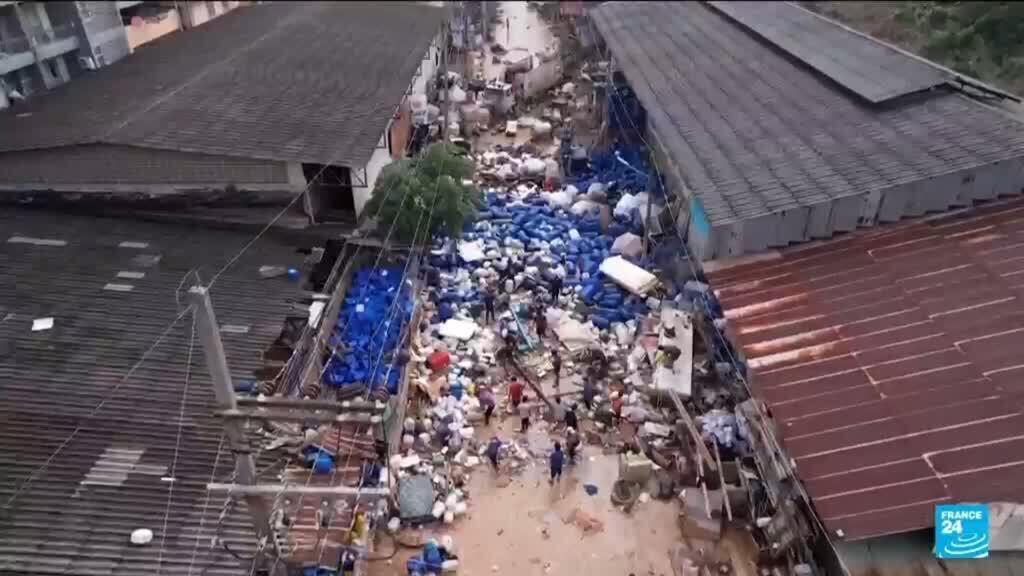
Catastrophic Southeast Asia Floods Kill Over 1,400, Displace Millions A series of devastating floods and landslides, triggered by weeks of exceptionally heavy rainfall, has killed more than 1,400 people and affected millions across Southeast Asia [17624][25217][20084]. The catastrophic weather has submerged villages, severed roads, and buried homes under mud, prompting massive international relief efforts. The hardest-hit nations include Indonesia, Sri Lanka, Thailand, and Malaysia [17624][14786]. In Indonesia, the death toll has climbed to 995, with rescuers still searching for 226 missing people [25217]. Neighboring Sri Lanka reports 640 dead and 211 missing [25217]. Combined, nearly 4 million citizens in these two countries alone have been impacted, with homes, roads, and farmland destroyed [25217]. In Thailand, authorities reported a sharp rise in fatalities, with at least 145 deaths in the southern part of the country [14423]. The torrential rains caused rivers to overflow and saturated hillsides, leading to destructive landslides that have complicated rescue and aid delivery [14423][17624]. Emergency crews across the region are working to evacuate residents from submerged towns and provide emergency shelter, clean water, and medical supplies to displaced survivors [14786][17624]. Authorities are warning of additional dangers, including further landslides and the spread of waterborne diseases in the aftermath of the floods [11385]. The full scale of the destruction is still being assessed as rescue operations continue in isolated communities [14423][11385]. Deadly Floods and Landslides Claim Over 1,400 Lives Across Southeast Asia Massive Floods Kill Over 1,600, Affect Millions in Asia Deadly Floods and Landslides Claim Over 1,500 Lives Across Asia Deadly Floods and Landslides Claim Over 250 Lives in Southeast Asia Southeast Asia Reels From Widespread Flooding Deadly Floods and Landslides Claim Lives Across Southeast Asia

Fuel Prices Shatter Records Across Europe, Squeezing Drivers and Economies
Fuel Prices Shatter Records Across Europe, Squeezing Drivers and Economies Drivers across Europe are facing unprecedented pain at the pump as diesel and gasoline prices surge to historic highs, driven by climbing global oil costs and regional market tensions. The spike is placing severe financial strain on households, transport companies, and national economies, prompting calls for government intervention. In Germany, the cost of diesel has surged past €2 per liter, a new national record. The country's largest automobile association, the ADAC, is urgently calling for a temporary cut to Germany's high fuel taxes to provide direct relief to consumers and businesses [122922]. The situation is equally dire in Belgium, where diesel prices are predicted to hit a staggering 2.90 euros per liter, an all-time high. The sharp jump of more than 16 cents per liter is placing greater financial pressure on companies and drivers reliant on diesel vehicles [122941]. French drivers are caught in a "perfect storm" of high prices, exacerbated by a decades-old national policy. A push for diesel car use in the late 20th century made France one of the most diesel-dependent countries in the West. Now, with reduced domestic refining capacity, the country must import more diesel, leading to steeper price spikes than for gasoline as global costs rise [122900]. Industry experts and analysts consistently link the price spikes across the continent to rising global oil costs, fueled by recent geopolitical tensions. These tensions have made oil traders nervous, pushing up market prices worldwide [122922][122941]. The sustained high cost of fuel is now threatening to drive broader inflation, increasing consumer prices for goods and services [122922][122941]. The German government has so far not commented on the ADAC's proposal for a tax cut, having been hesitant to repeat a similar temporary measure enacted during the 2022 energy crisis [122922]. Germany's Diesel Hits Record High, Drivers Demand Tax Break Diesel Shock: Belgian Prices Set to Break Record Diesel Shock: Why France Can't Escape Soaring Fuel Prices


Syrian Army and Kurdish Forces Clash in Aleppo, Sparking New Civilian Exodus
Syrian Army and Kurdish Forces Clash in Aleppo, Sparking New Civilian Exodus Fresh fighting between Syrian government forces and Kurdish-led militias has erupted in and around the city of Aleppo, forcing thousands of civilians to flee and shattering a period of fragile calm [44512][45585][49667]. The clashes, concentrated in Aleppo's northern suburbs and the Deir Hafer district east of the city, have involved heavy weapons and shelling [43634][49667]. Syrian state media reports that army positions were fired upon by the Kurdish-led Syrian Democratic Forces (SDF), prompting return fire [44681]. The violence has resulted in multiple deaths and injuries, though exact casualty figures are unclear [32516][44088][44681]. In response to the escalating violence, the Syrian army has begun distributing evacuation maps to civilians in several Aleppo neighborhoods, indicating routes to safer areas [44681]. This has triggered a rapid exodus, with local aid groups reporting a sharp increase in the number of displaced families fleeing the front lines [45585][45588]. The renewed fighting breaks a recent ceasefire that was ordered by both sides after a deadly battle earlier in the week [32516]. The SDF, a coalition of Kurdish and Arab fighters that was a key U.S. ally against the Islamic State group, controls large parts of northern Syria [43634][45585]. Its relationship with the Damascus government has long been tense, with periodic clashes erupting over control of territory [44512][45585]. This latest surge in violence follows a breakdown in political talks aimed at resolving the standoff, including a stalled plan to integrate the SDF into the national army [45585][45588]. The United Nations has repeatedly warned that any major new offensive in Syria risks a humanitarian catastrophe. Aleppo province already hosts many people displaced from earlier phases of the country's long civil war [45585]. Syria's Aleppo Truce Shatters, Thousands Flee as U.S. Mediates Aleppo Exodus: Fighting Erupts as Syria Peace Talks Fail Fresh Clashes Erupt Between Syrian Army and Kurdish Forces Syrian Army and US-Backed Forces Clash in Aleppo Syrian Army Advances on Aleppo, Sparking Mass Exodus Syrian Forces and Kurds Clash, Then Halt Fire After Deadly Fighting Aleppo Clashes Follow Secret Syria-Israel Talks Syrian Army Distributes Evacuation Maps in Aleppo Amid Clashes


China Bets Billions on AI and Chips to Break U.S. Tech "Chokehold"
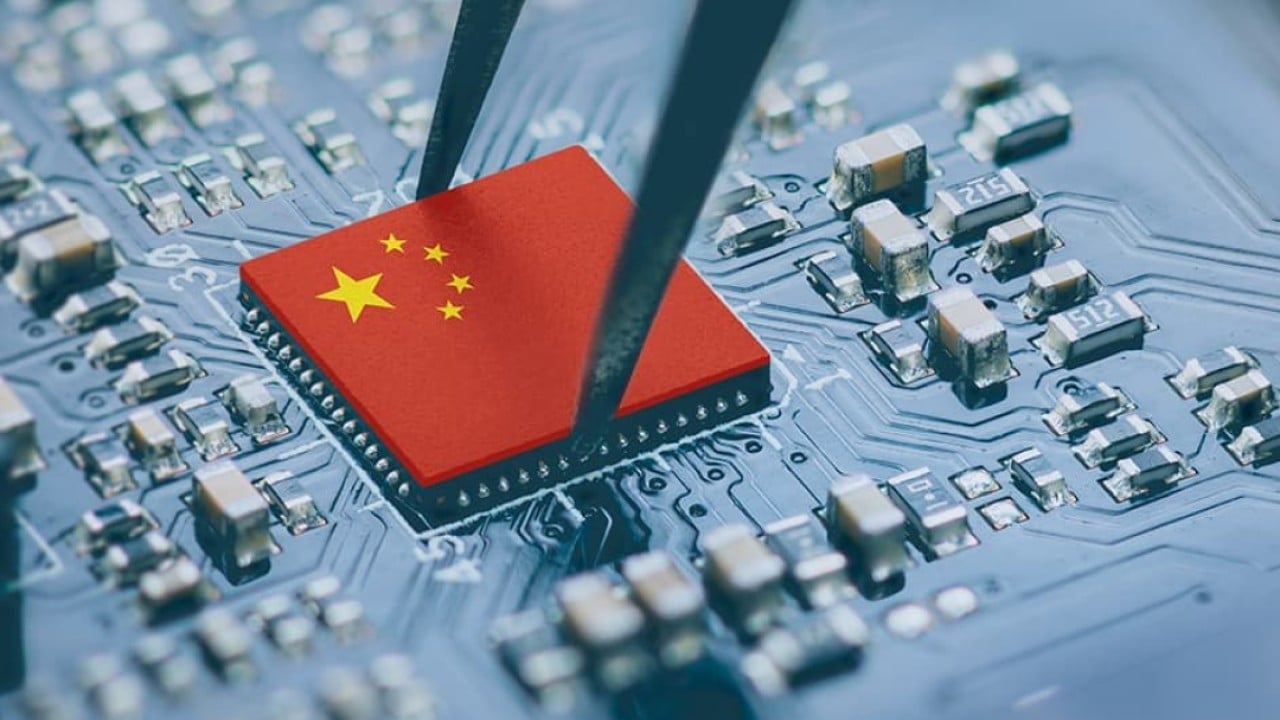
China Bets Billions on AI and Chips to Break U.S. Tech "Chokehold" A massive, state-directed investment push is underway across China, targeting breakthroughs in artificial intelligence (AI) and advanced semiconductors to overcome U.S. restrictions and achieve technological self-reliance [51155][95150][59734]. Provinces and major cities are deploying tens of billions of dollars to develop domestic capabilities in these strategic sectors, framing the effort as a critical race for economic and national security [43531][19492][71486]. The eastern technology hub of Zhejiang has unveiled a five-year plan specifically aimed at manufacturing AI chips as small as 3 nanometers, a direct counter to U.S. export controls described as a strategic "chokehold" [51155]. Similarly, Shanghai's Pudong district launched a $10 billion investment plan this week, directing most of its funds into microchips and AI [43531]. These local initiatives align with a new national strategy revealed during China's annual political meetings, which prioritizes frontier technologies like AI and nuclear fusion for the 2026-2030 period [95150]. This pivot marks a fundamental shift in China's industrial strategy, moving from absorbing foreign technology to aggressively creating its own cutting-edge innovations [59734]. The approach is characterized by intense state coordination and systemic integration, deploying AI as a core component of national infrastructure rather than solely as a market-driven tool [109135]. A new state-backed semiconductor fund worth over $47 billion exemplifies the scale of this push, focusing on building a domestic supply chain for chipmaking equipment currently dominated by the U.S. and its allies [86995]. Analysts note the competition is split, with China taking a lead in foundational research like AI patents, while the U.S. maintains an advantage in high-performance AI models and the chips needed to build them [122661]. China's strategy aims to close this gap by achieving "high-level" technological independence, a goal emphasized by President Xi Jinping during a recent inspection of a national technology innovation park [71486]. The overarching objective is to break foreign dependencies and secure leadership in the technologies that will define global power [95150][59734]. China Targets 3nm AI Chips to Break US "Chokehold" China's New Plan: Beat US Tech Rivals with AI and Fusion Power China's Tech Pivot: From "Catch-Up" to Cutting-Edge Shanghai Bets $10 Billion on Chips and AI in Tech Race Chinese Provinces Prioritize Tech and Self-Reliance in New Economic Plans Xi Inspects Tech Park, Stakes Claim in Global Innovation Race China Bets $47 Billion to Break the Chip Barrier AI War: US Bets on Markets, China Bets on Control U.S. and China Locked in Split AI Race, With Stakes for Global Power

Climate Crisis Becomes Daily Reality as Extreme Weather Hammers Europe and UK in 2025
Climate Crisis Becomes Daily Reality as Extreme Weather Hammers Europe and UK in 2025 A relentless barrage of extreme weather throughout 2025 has pushed ecosystems to the brink and signaled a dangerous new normal for Europe, scientists and conservationists warn. The year, Earth's third hottest on record, was marked by a destructive cycle of storms, heatwaves, droughts, floods, and wildfires that caused billions in damage and left nature at a "breaking point" [36898][49594]. Experts directly link the increasing frequency and intensity of these disasters to human-caused climate change, driven by greenhouse gas emissions from burning fossil fuels [36941][49594]. They caution that without urgent global action to cut emissions, such severe events will become standard [36941]. The UK experienced this pattern acutely. The year began and ended with major storms—Éowyn and Bram—bookending a sun-soaked spring and summer that led to drought and fierce heath and moorland fires. These dry periods were later broken by severe autumn floods [36898]. The National Trust's annual review described these climate extremes as "alarm signals we cannot ignore," stating they have put wildlife, plants, and landscapes under severe pressure [36898]. The continent-wide picture was similarly dire, with Europe managing a costly recovery from devastating floods, scorching heatwaves, and widespread wildfires [36941]. Scientists say rising temperatures are changing global weather patterns, leading to more powerful and unpredictable events [49594]. This shift signifies a turning point where climate impacts have moved from being seen as exceptional disasters to becoming regular, disruptive events in daily life [37775]. The data presents a clear trend of a climate system under increasing stress, with the extreme weather of 2025 demonstrating the broader, dangerous consequences of a warming planet [49594]. Europe's 2025 Weather: A New Normal of Extremes? 2025: The Year the Weather Broke UK Wildlife Pushed to "Breaking Point" by Extreme Weather in 2025 2025: Climate Crisis Becomes Daily Life

US Allies Lose Faith as Political Turmoil and Threats Reshape Global Alliances
US Allies Lose Faith as Political Turmoil and Threats Reshape Global Alliances A wave of new surveys and expert analysis reveals a sharp, widespread decline in international trust in the United States, driven by political instability and aggressive foreign policy threats. From Southeast Asia to Europe and Australia, long-standing partners are openly questioning American reliability and are actively preparing for a future with less dependable U.S. leadership. The trend is most starkly quantified in Southeast Asia. A major survey of nearly 2,000 regional experts and leaders found that when forced to choose a strategic partner, 50.5 percent would now pick China over the United States [122704]. Trust in the U.S. as a reliable partner has plummeted to 41.1%, a dramatic fall from 61.1% just five years ago [122692]. Analysts link the decline directly to concerns over U.S. political volatility, with 67 percent of respondents expressing apprehension about a potential second term for former President Donald Trump [122704]. European allies are grappling with the same doubts. A former U.S. ambassador warns that the North Atlantic Treaty Organization (NATO) is "deeply damaged" by fundamental disagreements, largely over U.S. threats of war against Iran, which have forced European capitals to question their core reliance on American military power [122777]. Geopolitics expert Manlio Graziano argues the U.S. has ceased to act as the "leader of the free world," creating an "uneasy and uncertain" relationship where Europe knows it "cannot fully trust or rely on the United States as they once did" [122895]. The anxiety extends to the Pacific. A leading Australian strategist is now urging a fundamental rethink of the nation's core defense alliance with the U.S., arguing that the America of today is not the same reliable partner it was decades ago due to profound domestic political changes [122727]. Market and diplomatic instability is being compounded by specific U.S. threats. Global markets braced for volatility as a deadline set by former President Trump for allies to fix the Iran nuclear deal approached, with investors calling it "a known unknown with a clock ticking" [122868]. Trump has also publicly threatened Iran over control of the critical Strait of Hormuz, a move analysts warn could backfire by strengthening hardliners in Tehran [122871]. Simultaneously, the U.S. is threatening a major trade investigation against the European Union, accused of unfairly targeting American tech giants like Apple and Google, which risks escalating transatlantic tensions further [122734]. The collective picture is one of a superpower whose internal divisions and unpredictable policies are systematically eroding the confidence of its closest partners, prompting them to seek new partnerships and build more independent security and economic strategies. Poll: Southeast Asia Picks China Over US, Fears Trump Most US Losing Trust in Southeast Asia, Survey Finds NATO Future in Doubt as U.S. Threats Rattle Allies US Leadership Fades: Europe's Uneasy Alliance Enters New Era Trump Era Questions: Is the US Still Australia's Reliable Ally? Markets Brace for Trump's Iran Deadline: "A Known Unknown with a Clock" Trump Threatens Iran Over Strait of Hormuz, Risks Backfire U.S. Threatens Trade Investigation Over EU Tech "Attacks"
Latest Articles
Kim's Daughter Drives Tank in Succession Signal
North Korean state media has released images showing leader Kim Jong-un's young daughter driving a tank. The photos, which also show Kim riding atop...
Shootout Erupts Outside Israeli Consulate in Istanbul
A gunman was killed in an armed clash near the Israeli Consulate in Istanbul on Tuesday, Turkish officials report. The provincial governor stated th...
Artemis II Crew Breaks 50-Year-Old Deep Space Record
The four astronauts of NASA's Artemis II mission have traveled farther from Earth than any human before them. They surpassed the distance record set...
VP Vance Assigned Lead Role on Iran Amid Falling Polls
Vice President JD Vance has been given a difficult new responsibility. He will now lead the White House's public response to the ongoing conflict wit...
A Urinal's Unlikely Legacy: Four Artists Still Channeling Duchamp
A simple, mass-produced urinal, signed "R. Mutt," shocked the art world in 1917. Over a century later, Marcel Duchamp's "Fountain" remains one of the...
The Lost Urinal: How Duchamp’s ‘Fountain’ Was Reborn
The most famous urinal in art history disappeared almost immediately after it was first shown. Artist Marcel Duchamp first presented “Fountain”—a st...
Was This Just a Toilet? The 1917 Object That Broke Art Forever.
In 1917, artist Marcel Duchamp bought a standard urinal. He signed it with a fake name and submitted it to an art exhibition. This ordinary object,...
Kanye West Barred from U.K.; Headlining Festival Canceled
British authorities have denied entry to the rapper Kanye West. They stated his presence in the country "would not be conducive to the public good."...
Deal Rush Defies Market Turmoil
Major companies are pushing ahead with mergers despite unstable markets. Bankers report that executives are acting now to take advantage of a more op...
The Hair Loss Pill Quietly Changing Men's Faces
A common prescription pill is doing more than treating male baldness. It is subtly altering the standard for how men age. The drug, finasteride, is...
Artemis Astronauts: "We Cried at Mission Control"
The astronauts of NASA's upcoming Artemis II moon mission are sharing powerful emotions, not just technical details, about their historic journey. D...
Artemis II's First Photos: Earth, Eclipsed, from a Moonbound Craft
NASA has released the first images taken by the crew of the Artemis II mission. The photos show a distant, setting Earth and a solar eclipse from a u...
Trump Threatens Journalists With Jail Over Iran Strike Story
President Trump says he may order a major news organization to reveal its confidential sources. He threatened journalists with jail time if they refu...
Trump Threatens Iran Over Strait of Hormuz, Prompting Shock
President Donald Trump has issued a stark threat to Iran, warning of "devastating" military attacks if the country does not reopen the Strait of Horm...

Trump Warns Iran: "A Whole Civilization Will Die Tonight"
President Trump has issued a stark, expanded threat to Iran. He warned that the entire nation faces destruction if its leaders do not meet his deadli...
Trump's Iran Ultimatum Expires Tonight as Artemis Crew Heads Home
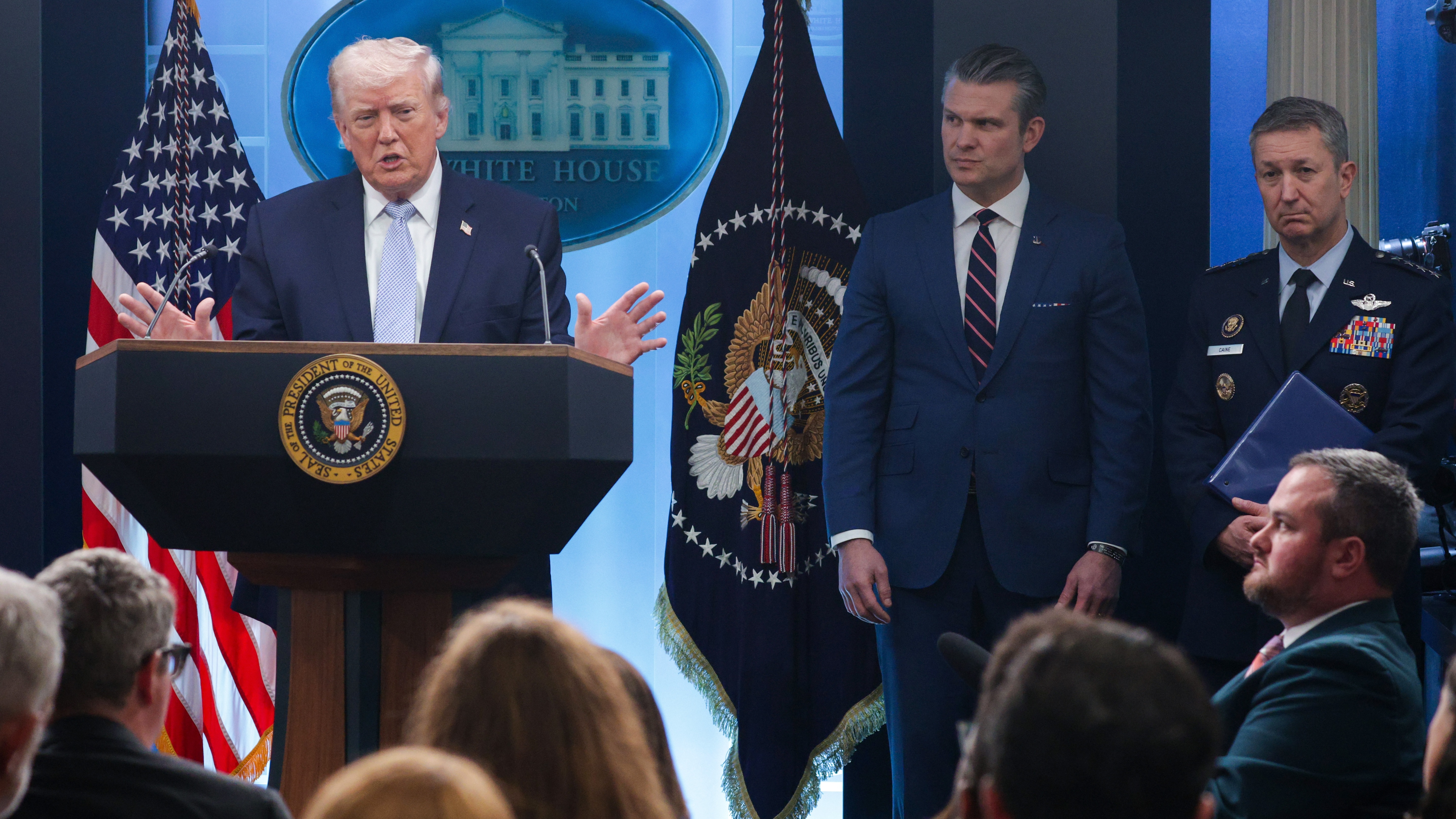
President Trump has repeated a threat against Iran. He demands the country agree to an unspecified deal by 8:00 p.m. Eastern Time tonight. The warni...

Australian War Hero Charged with Five Murders in Afghanistan
A former Australian soldier has been charged with five counts of murder for alleged war crimes in Afghanistan. The man, a highly decorated veteran,...

NASA's New Moon Photos: First Human Eyes on Far Side in 50 Years
NASA has released the first images taken by astronauts during a lunar flyby. The photos come from the Orion spacecraft's recent mission around the Mo...
Gas Over $4? Drivers Forced to Choose: Slow Down, Switch, or Stop.
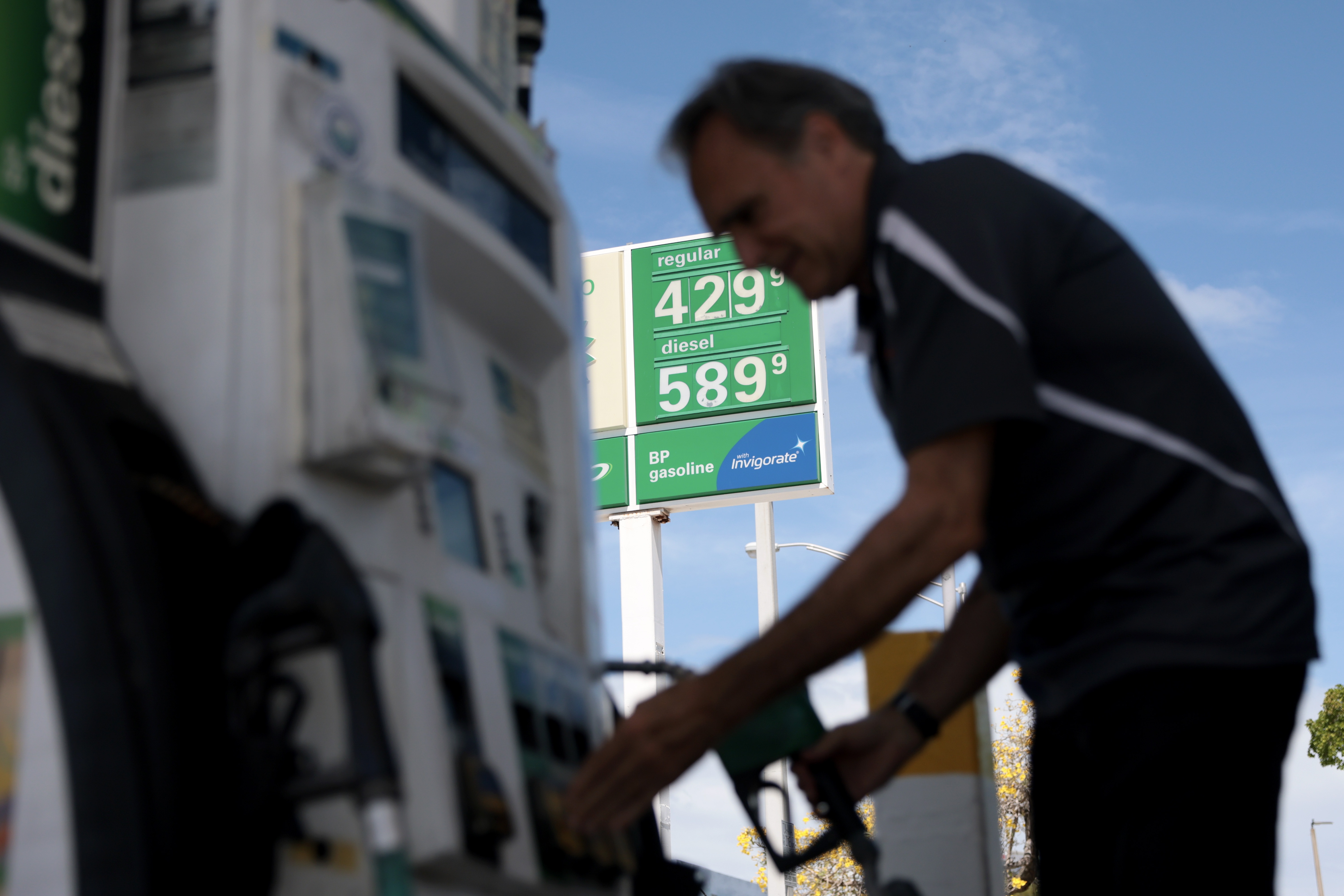
American drivers are facing a national average of over $4 per gallon for gasoline. This sharp price increase is forcing many to rethink how they use...
Parents Charged After Wolf Injures Child at ZooAmerica
Pennsylvania police have charged the parents of a young child with misdemeanor child endangerment. This follows an incident where their child was inj...