Latest News
Stay updated with the latest news and articles
Top Stories
Ukraine Unleashes Long-Range Strikes, Crippling Russian Oil Hubs and Air Defenses
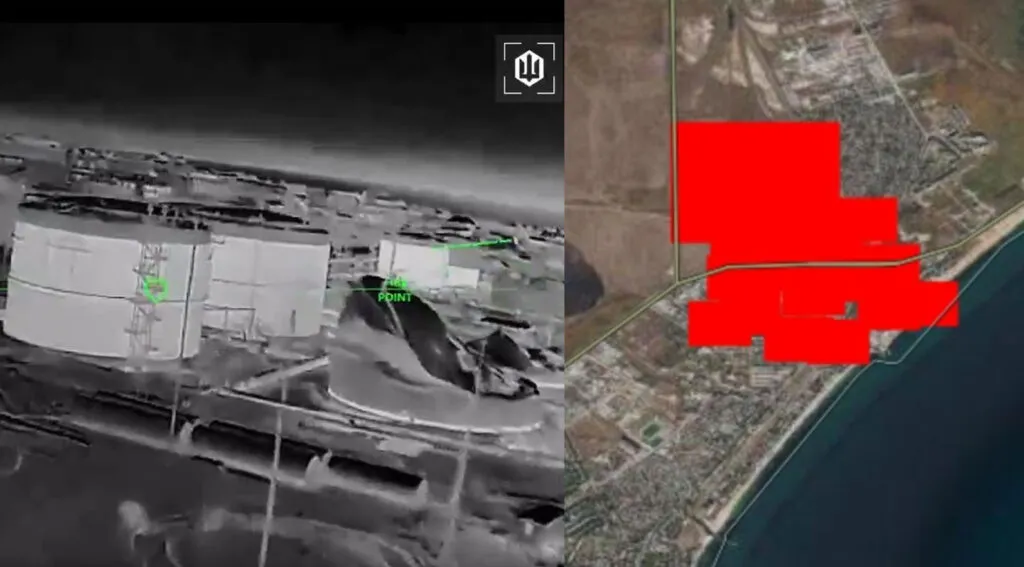
Ukraine Unleashes Long-Range Strikes, Crippling Russian Oil Hubs and Air Defenses Ukraine is conducting a coordinated campaign of deep strikes, systematically targeting critical Russian oil infrastructure and advanced air defense systems far behind the front lines, new attacks and military footage reveal. The strategy aims to choke off the revenue funding Russia's war machine and degrade its ability to protect key assets. In one of the most significant recent strikes, Ukrainian forces set the massive Feodosiia Marine Oil Terminal in Crimea ablaze, with the fire visible from more than 20 kilometers away and confirmed by NASA satellite data [123982]. This facility is a major fuel logistics hub for Russian forces in the occupied south. Simultaneously, Ukrainian drones have repeatedly hit the Ust-Luga complex, a vital Russian oil terminal on the Baltic Sea that processes fuel for export [123057]. These attacks have caused significant fires and disrupted operations, demonstrating Ukraine's growing capability to strike economic targets hundreds of miles from Ukrainian territory. In a separate development, the Ukrainian military has deployed a powerful new weapon for the first time. The navy released video showing the combat use of a Swedish-made RBS 15 cruise missile, a "sea-skimmer" known for flying as low as two meters above water to evade radar [123056]. While designed to sink warships, Ukraine fired the missile from a ground-based launcher, showcasing its adaptable use of Western-supplied long-range systems. Further east, in occupied Luhansk Oblast, Ukrainian forces successfully destroyed several high-value Russian air defense units, including a Buk-M3 and a Tor-M2 missile launcher [123982]. They also struck a Zoopark-1M counter-battery radar, a system used to locate the origin of Ukrainian artillery fire. A military spokesperson described eliminating this radar as a priority, calling it "a fierce enemy" of Ukrainian gunners [123982]. In response to the damage inflicted by these strikes, President Volodymyr Zelensky has publicly proposed a mutual "energy ceasefire" to Russia, offering to halt attacks on Russian energy infrastructure if Moscow stops targeting Ukrainian power plants and electrical grids [122336]. The offer was communicated through United States mediators. The proposal follows Ukrainian assessments that their long-range strikes have disabled a significant portion of Russia's seaborne oil export capacity [122398]. Ukraine Strikes Russian Oil Hub, Hunts Air Defenses Deep in Occupied Territory Ukraine Targets Russia's Baltic Oil Lifeline Ukraine Fires Swedish "Sea Skimmer" Missile in Combat Debut Ukraine Proposes "Energy Truce" to Russia, Zelensky Says Ukraine Proposes "Energy Ceasefire" After Hitting Russian Oil

Global Powers Lock In New Scramble for African Ports and Minerals
Global Powers Lock In New Scramble for African Ports and Minerals
A quiet but intense competition is unfolding across Africa as major world powers secure strategic ports and lock down supplies of critical minerals, reshaping the continent's economic and security landscape [123980][87433][83553].
While public summits discuss trade and development, nations including Russia, China, the United States, and Gulf states are pursuing concrete deals for naval access and resource rights [87433][11355]. This modern-day "scramble" is driven by the global demand for minerals essential for electric vehicles and advanced technology, coupled with a search for secure military and trade hubs [83553][123980].
In a landmark move, Russia recently finalized a sweeping agreement with Mozambique, granting it extensive mining rights for battery-grade graphite and cobalt, alongside operational control of the deep-water port of Pemba on the Indian Ocean [123980]. Analysts note the deal simultaneously secures vital resources and provides Russia with a strategic naval and logistics foothold in a region where its presence was previously minimal [123980].
This activity mirrors a broader pattern. In the Horn of Africa, Ethiopia's urgent quest for sea access has drawn a flurry of engagement from foreign powers eager to expand their military and economic presence along the coast [87433]. Similarly, in West Africa's Sahel region, the rapid expansion of Russia's military influence, following the expulsion of French forces, has triggered a high-stakes contest with the United States for security partnerships [67411].
The push extends beyond security to the core of the global green transition. A "silent race" is on for Africa's lithium, cobalt, and rare earth elements, with nations and corporations seeking direct access to deposits [83553]. Experts warn that without coordinated action by African regional blocs, individual countries risk being pressured into deals that fail to deliver lasting local benefits [83553].
The collective effect is a continent where high-level diplomatic partnerships are increasingly backed by concrete, long-term strategic investments in infrastructure and resources, placing African nations at the center of renewed geopolitical rivalry [11355][87433].
Russia Secures Key Minerals, Strategic Port in Africa
Global Powers Rush for Africa's Coast as Ethiopia Seeks a Port
The New Scramble: Africa's Minerals and the Silent Race
U.S. and Russia in High-Stakes Scramble for Africa's Sahel
EU-Africa Summit Focuses on Trade and Minerals Amid Global Tensions

Turkey's Roma Mark World Day With Demands for Real Equality and Action
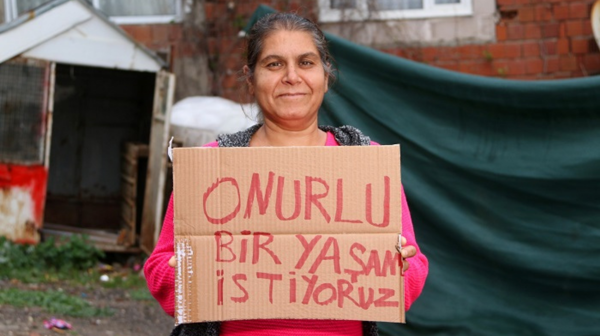
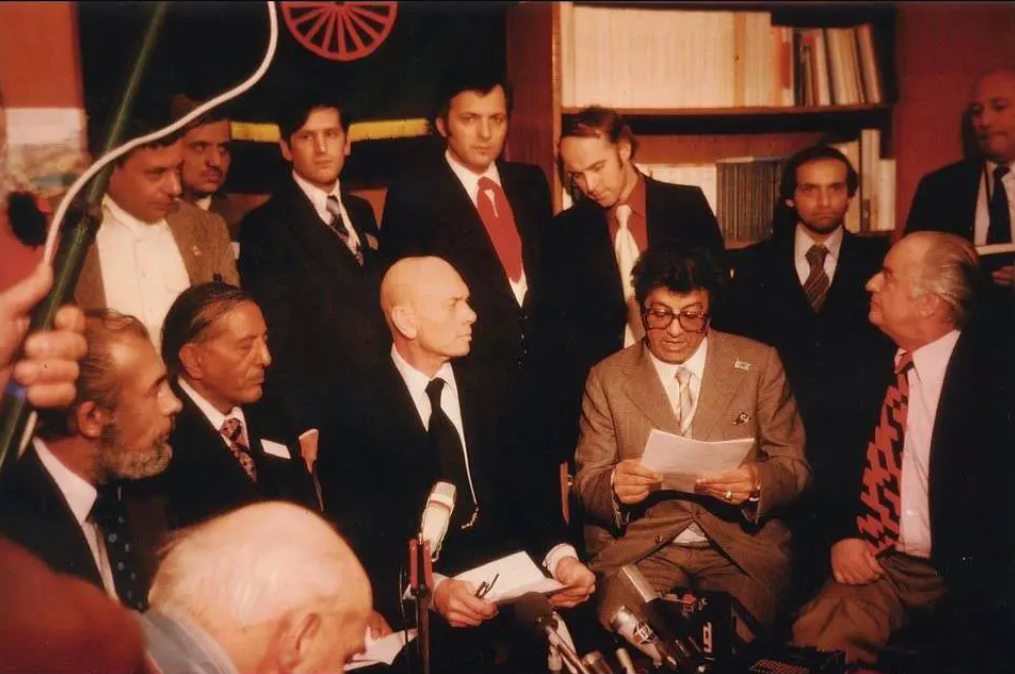
Turkey's Roma Mark World Day With Demands for Real Equality and Action On World Roma Day, Roma communities and their advocates in Turkey and beyond issued forceful calls for governments to move beyond symbolic gestures and enact concrete policies to end systemic discrimination. The demands center on direct inclusion in policymaking and tackling the severe poverty and rights violations that persist. The Peoples and Faiths Commission of Turkey's DEM Party marked April 8 by calling for "equal citizenship, justice, and a dignified life" for the Roma people, drawing attention to persistent rights violations [124006]. Echoing this, the international Roma rights organization Romani Godi issued a stark critique, stating that effective policy cannot be made *about* Roma people but must be developed *with* them to address "multi-layered discrimination" [124005]. The group emphasized that young people, women, and LGBTQ+ individuals within Roma communities often face the strongest inequalities [124005]. The shared message from both political and civil society groups was a demand for a shift from discussion to binding action. The calls come amid a broader debate on identity and acceptance. Experts note that some Dom people feel pressured to identify as Romani for wider acceptance, arguing that true equal citizenship requires a system that recognizes and respects self-identified differences [123723]. While World Roma Day is internationally observed to celebrate Roma culture, this year's statements underscored a pressing agenda focused on tangible legal and social change to combat deep-rooted marginalization. Turkish Party Marks World Roma Day, Calls for Equality and Justice Roma Rights Group: "Stop Making Policy About Us, Start Making It With Us" **Title:** Who Must You Be? The Fight for Names and Equal Citizenship
Pentagon Defends Back-to-Back Strikes and Caribbean Ops, Citing Law and "Fog of War"
Pentagon Defends Back-to-Back Strikes and Caribbean Ops, Citing Law and "Fog of War" The U.S. Department of Defense is mounting a public defense of recent military actions, justifying controversial strikes and asserting the legality of ongoing operations amid legal and political scrutiny. In one incident, U.S. Secretary of Defense John Hegseth defended a naval engagement where forces struck the same target twice. Hegseth attributed the decision to the "fog of war," a term for the confusion inherent in combat, and stated he fully supported the commander's choice to fire again to "eliminate the threat" [17273]. Separately, the Pentagon has publicly backed a senior commander's decision to authorize recent military strikes in Venezuela. A spokesperson stated that the actions "were approved by the best military and civilian lawyers throughout the chain of command," confirming a rigorous legal review preceded the operation [17258]. Concurrently, a senior defense official, Pete Hegseth, has stated that ongoing American military activities in the Caribbean are lawful. "Our current operations in the Caribbean are lawful under both U.S. and international law," Hegseth said, directly addressing questions about the mission's legal foundation [15064]. The justifications come as the Pentagon faces a lawsuit from media organizations over new rules restricting some press access. Officials defended the policy, saying it is necessary to "stop activity that could compromise national security" [64596]. On Capitol Hill, the political battle over military authority continues. Senate Republicans are taking steps to block a Democratic effort to repeal the 2001 war powers resolution used for the recent Venezuela operation, arguing such a move would weaken presidential authority during ongoing threats [50051]. Pentagon Defends Second Strike in "Fog of War" Incident Pentagon Defends Commander's Decision in Venezuela Strikes Pentagon Official Defends Legality of Caribbean Operations Pentagon Cites National Security in Media Lawsuit Defense Senate Republicans Move to Shield Trump's War Powers

35 Candidates, One Vote: Peru's Chaotic Presidential Race
**35 Candidates, One Vote: Peru's Chaotic Presidential Race** Peruvians head to the polls this Sunday to elect a new president, facing a staggering choice of 35 candidates amid a national crisis of crime and political instability [123668]. The election underscores deep public frustration with the country's traditional political class. Peru has been rocked by multiple short-lived presidencies in recent years, many ending in scandal [123668]. The overwhelming number of options on the ballot reflects a fragmented political landscape where, as one voter put it, "Now any old person runs for office" [123668]. A handful of candidates have risen to prominence in the crowded field. They include a popular comedian, the daughter of a former dictator, and a former mayor of the capital, Lima [123668]. With no clear frontrunner, the election is widely expected to go to a runoff vote between the top two finishers. The vote comes as the nation grapples with severe challenges, including high crime rates and economic uncertainty. The outcome will determine who leads Peru's efforts to restore stability and public trust after years of turmoil [123668]. **35 Candidates, One Vote: Peru's Chaotic Presidential Race**

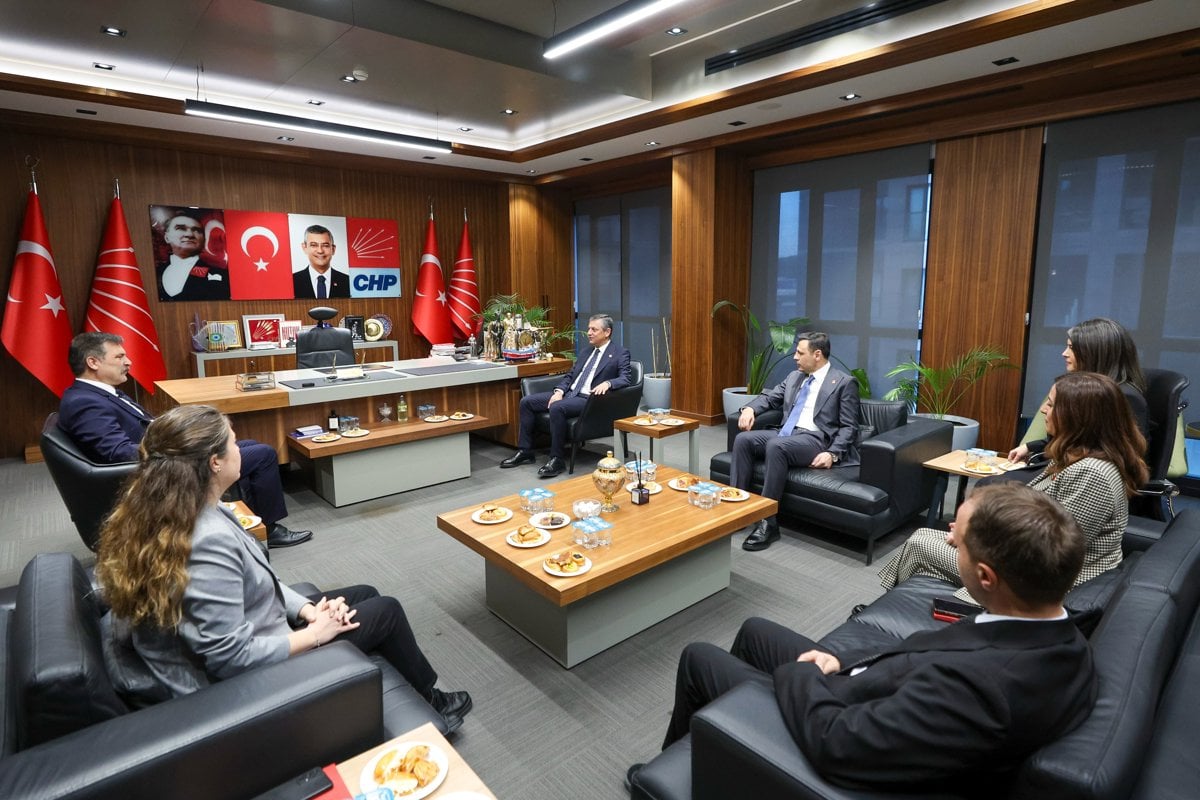
Israeli Strikes Kill 182 in Beirut, Iran Shuts Key Oil Strait as Fragile Ceasefire Crumbles
Israeli Strikes Kill 182 in Beirut, Iran Shuts Key Oil Strait as Fragile Ceasefire Crumbles A fragile two-week ceasefire between the United States and Iran is collapsing, shattered by a major Israeli bombardment in Lebanon and a retaliatory Iranian blockade of the world's most important oil shipping lane. The crisis escalated on Wednesday as Israeli airstrikes pounded central Beirut and other locations in Lebanon, killing at least 182 people and wounding nearly 900, according to Lebanese authorities [124530][124339]. It marked the deadliest single day since the conflict with the Iranian-backed militant group Hezbollah began. Simultaneously, Iran announced it has closed the Strait of Hormuz to oil tankers, a direct response to the Israeli strikes [124435][124309]. The narrow sea passage between Iran and Oman is a vital chokepoint, carrying roughly one-fifth of the world's seaborne oil [124435][124309]. The blockade raises immediate fears of a spike in global energy prices and supply disruptions. The violence and economic retaliation follow a fundamental dispute over the terms of the U.S.-Iran truce. Iranian officials insist the ceasefire agreement includes a halt to Israeli operations in Lebanon, while the United States and Israel maintain the deal applies only to their direct conflict with Iran [124468][124490]. This conflicting interpretation has rendered the pause in hostilities effectively void. "The military activity poses a grave risk to the ceasefire," United Nations Secretary-General Antonio Guterres warned, calling for an immediate end to the hostilities [124495]. Regional powers have voiced alarm. Egypt formally accused Israel of attempting to "wreck ongoing efforts to calm tensions" and drag the Middle East into wider chaos [124369]. The coordinated Israeli and Iranian actions have returned the region to a dangerous cycle of attacks and counter-threats, with observers fearing a rapid return to open conflict [124530]. UN Warns: Israel-Lebanon Fighting Threatens Fragile Middle East Ceasefire Iran-US Truce Shatters as Strikes Hit Lebanon, Killing 182 Israeli Strikes Kill 182 in Beirut Amid U.S.-Iran Ceasefire Dispute Iran Blocks Key Oil Strait After Israel Bombs Lebanon Iran Closes Vital Strait After Israeli Strike on Lebanon Cease-Fire Deal in Jeopardy: Did It Include Lebanon? Truce Crumbles: Iran Warns of New Strikes as Israeli Bombs Hit Lebanon Egypt Accuses Israel of Sabotaging Peace with Lebanon Strikes Iran Halts Key Oil Shipments After Israeli Strikes on Lebanon Ceasefire Begins as Regional Strikes Intensify and Key Waterway Declared Closed


Global Trade Splinters as Geopolitics and AI Redraw the Economic Map
Global Trade Splinters as Geopolitics and AI Redraw the Economic Map A fundamental rewiring of global commerce is underway, driven by geopolitical rivalry and the strategic pursuit of artificial intelligence (AI) supremacy. Nations and corporations are abandoning decades of prioritizing low-cost efficiency, instead forging trade links based on political alliances and supply chain security—a shift experts warn will fragment the global economy and likely increase costs for consumers [124556]. This transformation mirrors a similar fragmentation that reshaped global finance in the early 21st century. The new doctrine, often called "friendshoring" or "regionalization," means countries are actively moving supply chains to politically friendly nations, even if it is more expensive [124556][123918]. The push is accelerated by the view of AI as a "general-purpose technology" critical to both economic dominance and national security. This has triggered a race for government investment, particularly in semiconductor manufacturing, further tying trade policy to technology strategy [123918]. The combined effect breaks the old economic orthodoxy, where free trade and financial rebalancing were the primary goals [123918]. The economic shockwaves from ongoing conflicts are cementing this shift. Analysts warn that the damage to global trade, energy costs, and supply chains will create long-term "economic shocks" that could persist for years, even after fighting stops. Historical parallels, such as the decade-long fallout from World War I, suggest these fractured trade alliances and redirected investments are not easily reversed [124481]. The consequences are already being felt. Kenya's private sector slid into contraction in March, ending seven months of growth, with businesses citing both domestic pressures and supply disruptions linked to Middle East conflict [123599]. In Germany, transport firms facing financial strain from the same war's impact on energy and supply chains are part of a debate on decriminalizing fare evasion to reduce court burdens [122780]. Meanwhile, major economies are making pivotal domestic choices that reflect the new priorities. China is executing a painful, fundamental redesign of its massive property sector, deliberately shrinking its role as the main growth engine to reduce financial risk, despite short-term economic pain [118216]. In Botswana, the government is reforming land management to prioritize economic viability and job creation over simply distributing plots, aiming to diversify beyond diamond mining [85213]. The result is a global economic landscape where trade, technology, and national security are increasingly inseparable, setting the stage for a more expensive and politically divided era of commerce [124556][123918]. Global Trade is Being Rewired, Just Like Finance Was AI and Rivalry Redraw the World's Economic Map Beyond the Battlefield: A War's Economic Shock Could Last for Years Kenya's Economy Contracts as Middle East War Hits Home Germany Considers Decriminalizing Fare Evasion as Transport Firms Feel Economic Strain China's Real Estate Revolution: No Bailout, Just a Rebuild Botswana Shakes Up Land Rules: From Counting Plots to Creating Jobs
Ukraine Trades Battlefield Drone-Knowledge for Weapons and Gulf Leverage on Russia
Ukraine Trades Battlefield Drone-Knowledge for Weapons and Gulf Leverage on Russia Ukraine is deploying its military specialists to Gulf states in a series of direct barter deals, trading its hard-won expertise in defeating drones for advanced weapons and political pressure on Moscow [112369][100935]. This strategy turns Kyiv’s battlefield experience into a critical diplomatic and military asset. President Volodymyr Zelenskyy confirmed that Ukrainian teams specializing in counter-drone warfare are now active in "a half-dozen" countries [112369]. The knowledge they are sharing is specifically targeted at defeating Iranian-designed Shahed drones, a weapon used extensively by Russian forces in Ukraine and by Iranian proxies in the Middle East [100935][91239]. The exchange is straightforward: Ukrainian experts teach Gulf and NATO nations effective, low-cost methods to shoot down these unmanned aerial vehicles (UAVs). In return, Ukraine seeks advanced air defense systems like Patriot missile batteries and a steady flow of other weapons to bolster its own defenses against constant Russian attacks [112369][100935]. In a broader diplomatic proposal, President Zelenskyy has also offered to send elite anti-drone units to protect Gulf infrastructure if those states use their significant economic leverage as major buyers of Russian energy to pressure the Kremlin for peace [91239]. This positions Ukraine not merely as an aid recipient, but as a provider of vital security technology in exchange for strategic support [91239]. The arrangement underscores Ukraine’s urgent need to strengthen its air defenses and highlights a pragmatic shift in its foreign policy. By capitalizing on its unique battlefield experience, Kyiv is forging global partnerships based on shared security interests to secure the resources it needs to continue its fight [112369][91239]. Ukraine Trades Air Defense Secrets for Gulf's Drone-Killers Kyraine Sells Drone-Knowledge for Weapons Ukraine Offers Gulf States a Deal: Our Drone Hunters for Your Leverage on Russia

Catastrophic Floods and Mudslides Kill Over 1,400, Devastate Southeast Asia
Catastrophic Floods and Mudslides Kill Over 1,400, Devastate Southeast Asia A series of catastrophic floods and landslides, triggered by a week of exceptionally heavy rain, has devastated parts of Southeast Asia, killing more than 1,400 people and affecting millions [17624]. The disasters have submerged villages, severed roads, and destroyed homes and farmland across Indonesia, Sri Lanka, Thailand, and Malaysia [17624][25217]. In Indonesia, the death toll has climbed to 995, with rescuers still searching for 226 missing people [25217]. Neighboring Sri Lanka reports 640 dead and 211 missing [25217]. Combined, the two nations have nearly 4 million citizens impacted by the severe weather [25217]. Southern Thailand has also suffered a severe loss of life, with authorities reporting at least 145 fatalities [14423]. Torrential downpours caused rivers to overflow and saturated hillsides, leading to destructive mudslides that buried communities [17624][20084]. Emergency crews are working to evacuate residents from submerged towns, provide aid to displaced communities, and reach isolated areas where access is complicated by damaged infrastructure [14786][20084]. Authorities are warning of additional dangers, including further landslides and the spread of waterborne diseases in the aftermath [11385]. National governments and international aid agencies are mobilizing major relief efforts, focusing on providing emergency shelter, clean water, and medical supplies to survivors [17624][20084]. The full scale of the destruction is still being assessed as rescue operations continue [14423]. Deadly Floods and Landslides Claim Over 1,400 Lives Across Southeast Asia Massive Floods Kill Over 1,600, Affect Millions in Asia Deadly Floods and Landslides Claim Over 250 Lives in Southeast Asia Deadly Floods and Landslides Claim Over 1,500 Lives Across Asia Southeast Asia Reels From Widespread Flooding Deadly Floods and Landslides Claim Lives Across Southeast Asia


Global Fuel Crisis Deepens as War and Blockade Send Prices Soaring Worldwide
Global Fuel Crisis Deepens as War and Blockade Send Prices Soaring Worldwide A surge in global fuel prices, driven by conflict in the Middle East and the blockade of a critical oil passage, is straining economies and alarming consumers from Europe to Africa to Asia. The disruption has triggered government emergencies, record-breaking prices at the pumps, and warnings of worse to come if the situation persists [123168][123851][122922]. The immediate catalyst is the war in Iran and the subsequent closure of the Strait of Hormuz, a narrow sea lane that normally handles about one-fifth of the world's seaborne oil shipments [124488][123168]. This blockade has choked off a major supply route, sending crude oil prices sharply higher on international markets [122922][95663]. The impact is being felt globally. In Germany, the price of diesel has surged past 2 euros per litre, a record high that has prompted the nation's largest automobile association to demand a temporary cut in fuel taxes [122922]. Similarly, in Belgium, diesel is predicted to hit a historic peak of 2.90 euros per litre, placing severe pressure on transport companies and drivers [122941]. The crisis is particularly acute for nations heavily reliant on imports. Madagascar has declared a state of emergency due to severe fuel shortages linked to the supply disruption, with the government fearing public disorder [123851][123416]. In South Africa, drivers raced to fill their tanks ahead of a record price hike, with one earlier warning predicting an increase of up to 8 Rand per litre. Even a government tax cut failed to prevent one of the steepest pump price increases in the country's history [117884][95663][117581]. China, which sets official fuel prices based on international costs, recently imposed its largest single price increase of 2024, leading to long queues at stations [109102]. The spike is now pushing the country's transport industry toward a breaking point, with trucking companies considering parking their vehicles as profits vanish, threatening supply chain gridlock [124488]. Analysts warn the situation could deteriorate further. A report from J.P. Morgan suggests U.S. gasoline prices could reach $5 per gallon if the Strait of Hormuz remains closed, pushing costs toward the national record [123168]. The blockade has also caused environmental damage, with satellite images showing an oil spill from a damaged Iranian ship heading toward a protected wetland in the region [123126]. While a reported ceasefire between the U.S. and Iran has raised hopes for stabilizing oil markets and lowering prices, the relief for consumers has not yet materialized at pumps worldwide [123858][124333]. China's Truckers Park Up as Fuel Crisis Bites Germany's Diesel Hits Record High, Drivers Demand Tax Break Madagascar Declares Emergency: No Fuel, Fears of Chaos Madagascar Declares Emergency as Iran War Hits Fuel Supply South Africa Braces for Record Fuel Price Surge Diesel Shock: Belgian Prices Set to Break Record U.S. Gas Prices Could Hit $5 if Key Oil Passage Remains Closed Drivers Race to Pumps Ahead of China's Biggest Fuel Price Jump of 2024 South Africa Braces for R8/Litre Petrol Shock South Africa Cuts Fuel Tax, But Drivers Still Hit by Record Price Hike Oil Slick From Bombed Iranian Ship Heads for Protected Wetland US-Iran Ceasefire: Will Gas Prices Finally Fall?


Latest Articles
Beirut's Streets: "Apocalyptic" Protests Demand Ceasefire Spread
Millions of people filled the streets of Beirut, Lebanon, this week in a massive protest. They described the scene as "apocalyptic." Their demand is...
Trump's 'Gut Instinct' on Iran Risked War, New Book Claims
A new book reveals a critical moment when former U.S. President Donald Trump relied solely on his personal instinct over official warnings, a decisio...

AI Scrapes Art, Artists Declare War
A powerful coalition of Australian artists, musicians, and writers is launching a campaign against artificial intelligence companies. They accuse AI...
Gen Z Embraces AI, But Trust is Falling
A new study reveals a sharp divide in how young adults view artificial intelligence. While they are the biggest users of the technology, their optimi...
Colbert Mocks Trump's "Double-Sided" Ceasefire Remark
Stephen Colbert questioned former President Donald Trump's recent description of a potential Gaza ceasefire. On "The Late Show," Colbert reacted to...
Orban's Rule in Jeopardy After Trump Meeting
A major political shift may be happening in Hungary. Prime Minister Viktor Orban's 16-year control of the country is now under serious threat. This...
Renewables Revolt: Activists Seize Control of Major Arizona Utility
A coalition focused on clean energy has won a pivotal election for the board of Arizona's Salt River Project (SRP). This victory gives them a majorit...
Headline of "Christian Revival" Among UK Youth Debunked
Recent reports of a surge in church attendance by young people in Britain were false. This incorrect claim had sparked excitement among religious con...
U.S. Birth Rate Hits Historic Low, Teen Pregnancies Plummet
The number of babies born in the United States has fallen to its lowest level on record. This continues a downward trend that began in 2007. A major...
Iranians Face Fear and Relief After Fragile Cease-Fire
A temporary halt in fighting has brought a tense calm to Iran, following a nearly six-week war. Citizens expressed relief that the violence has stop...
U.S. and Iran Face Weekend Deadline to Salvage Fragile Truce
A temporary truce between the United States and Iran is under severe strain, with a new deadline set for this weekend to prevent its collapse. Vice...

U.S. Teen Birth Rate Plunges to Record Low
The rate of teenagers giving birth in the United States has fallen to a historic low, according to new federal data for 2025. This continues a drama...
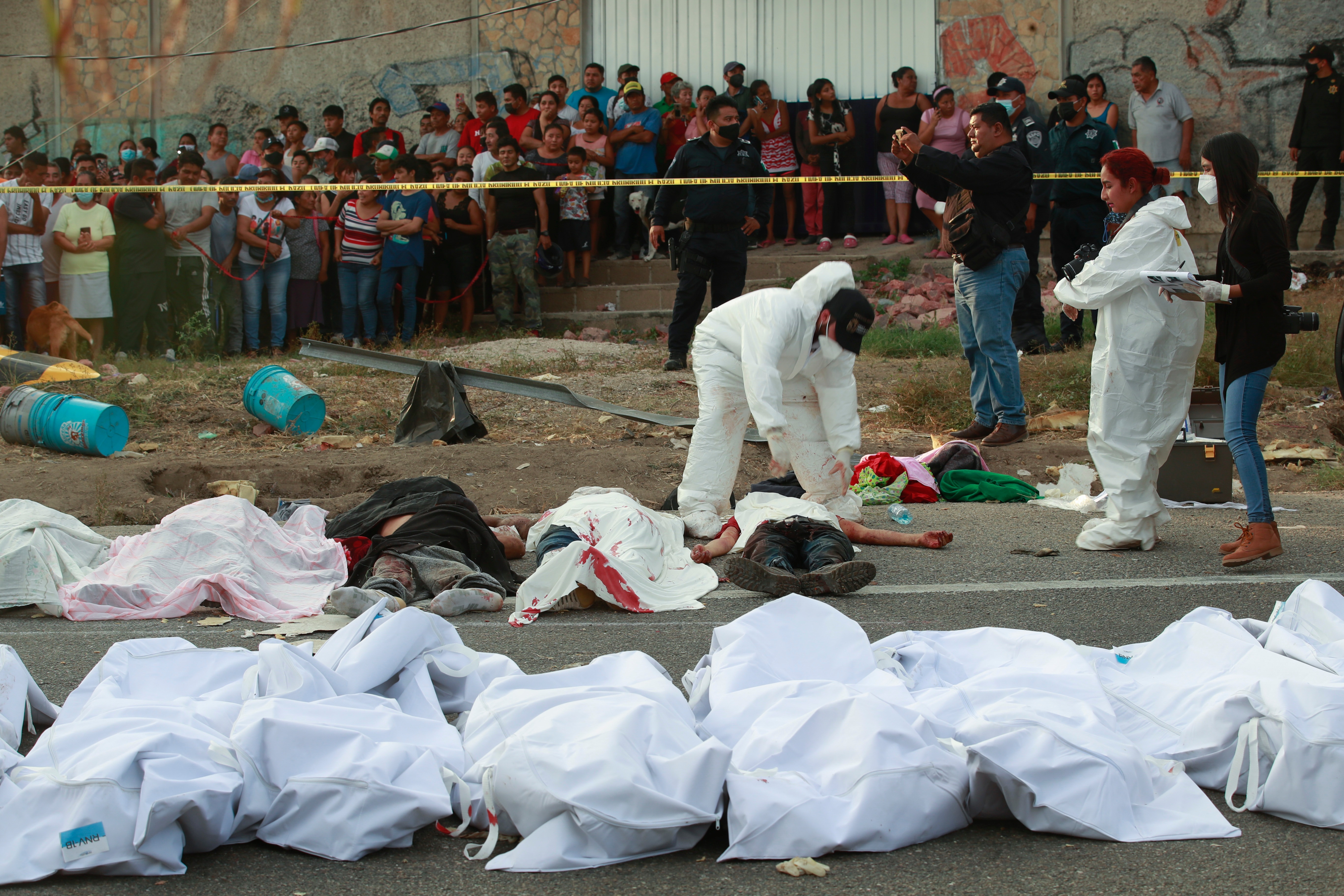
Guatemalan Man Admits Guilt in Migrant Truck Crash That Killed 50+
A Guatemalan national has pleaded guilty in a U.S. federal court for his role in a fatal human smuggling operation. The case is linked to a devastati...

North Korea Claims New Cluster Missile in Major Weapons Test
North Korea says it has successfully tested ballistic missiles equipped with cluster-bomb warheads. The announcement confirms the purpose of a series...

First American on Everest, Retail Pioneer Jim Whittaker, Dies at 97
Jim Whittaker, the first American to reach the summit of Mount Everest, has died. He was 97. His family confirmed he died at home in Port Townsend,...
Wisconsin Parents Accused of Starving Six Children, Forcing Diets of Mold and Bugs
A Wisconsin couple faces serious child abuse charges. Prosecutors allege they starved their six children for years, forcing them to eat mold, bugs, a...
School Bus Driver Charged After Train Hits Bus With 29 Children
A Florida school bus driver faces criminal charges after a train struck her vehicle while it was crossing railroad tracks. Twenty-nine students were...
Ex-Fort Bragg Staff Charged in Major Military Leak
A former U.S. Army employee has been charged with leaking highly classified military information to a journalist. Federal prosecutors accuse Courtne...
Senator Demands Return of Airport "Shoes-Off" Rule
A U.S. senator is pushing to reinstate a strict airport security measure that many travelers dislike. Senator Tammy Duckworth has formally asked the...
Ohio Man Charged After Alleged Death Threat "In the Name of Allah" on Video
An Ohio man faces criminal charges after a confrontation where he allegedly threatened to kill a father "in the name of Allah." The incident was capt...