U.S. and Iran on Brink as Hormuz Blockade Threatens Global Economy
U.S. and Iran on Brink as Hormuz Blockade Threatens Global Economy A tense standoff between the United States and Iran over control of the world's most critical oil shipping lane is pushing the global economy toward a historic crisis, with both sides threatening severe escalation. The immediate trigger is Iran's seizure of the Strait of Hormuz, a narrow waterway through which roughly one-fifth of the world's oil passes daily [122876]. In response, U.S. President Donald Trump has issued an ultimatum for Iran to reopen the strait, publicly threatening to bomb Iranian infrastructure if it does not comply [121907]. The deadline for this demand is now approaching [122876] [122830]. Iran's Revolutionary Guard Corps has issued a stark counter-warning, stating that any American attack on Iranian civilian infrastructure will trigger a response designed to disrupt Middle Eastern oil and gas supplies "for years" [122939]. The Guard stated its retaliation would directly target the energy interests of the U.S. and its partners, with effects extending beyond the region to global markets [122939]. The blockade is already sending shockwaves through the world economy. The head of the International Monetary Fund warns the conflict will fuel inflation and slow worldwide economic growth [122830]. The International Energy Agency's director has called the current oil and gas crisis "more serious than the ones in 1973, 1979 and 2022 together," citing attacks on energy infrastructure and shipping disruptions [122830]. While global oil prices remain volatile, the crisis strikes at the core of the Gulf's economic model. Nations like the United Arab Emirates and Qatar, which used oil wealth to build massive airport hubs and position themselves as global travel centers, now face a mass exodus of expatriate workers and wealthy citizens as air travel is severely disrupted [122701]. The situation exposes the deep vulnerability of their post-oil economic plans, which depend on the free movement of both energy and people [122701]. The disruption is also creating a humanitarian crisis far from the battlefield. Key trade routes have been severed, delaying shipments of vital medicine and humanitarian aid to African nations in crisis, including Sudan and Mali [122601]. Amid the brinkmanship, officials state that both Iran and the U.S. have received a new proposal for a ceasefire, which could lead to the strait's reopening [121838] [121907]. Analysts say such a deal would ease pressure on oil prices but warn that a lasting solution is needed to ensure safe passage [121838]. For now, markets remain indecisive, caught in a waiting game as neither Washington nor Tehran shows signs of backing down, raising the risk of a recession-triggering escalation [122830]. Iran Threatens Decades of Global Energy Chaos if Attacked Trump's Iran Deadline Nears Amid Regional Violence Hormuz Blockage Threatens Gulf's Economic Lifelines IMF Warns Middle East War Could Spark Historic Global Crisis Middle East War Delays Vital Medicine to Sudan, Mali Ceasefire Bid as Trump Threatens to Bomb Iran Ceasefire Could Reopen Vital Oil Route as U.S.-Iran Tensions Simmer
Articles in this Cluster

Iran Threatens Decades of Global Energy Chaos if Attacked

Trump's Iran Deadline Nears Amid Regional Violence
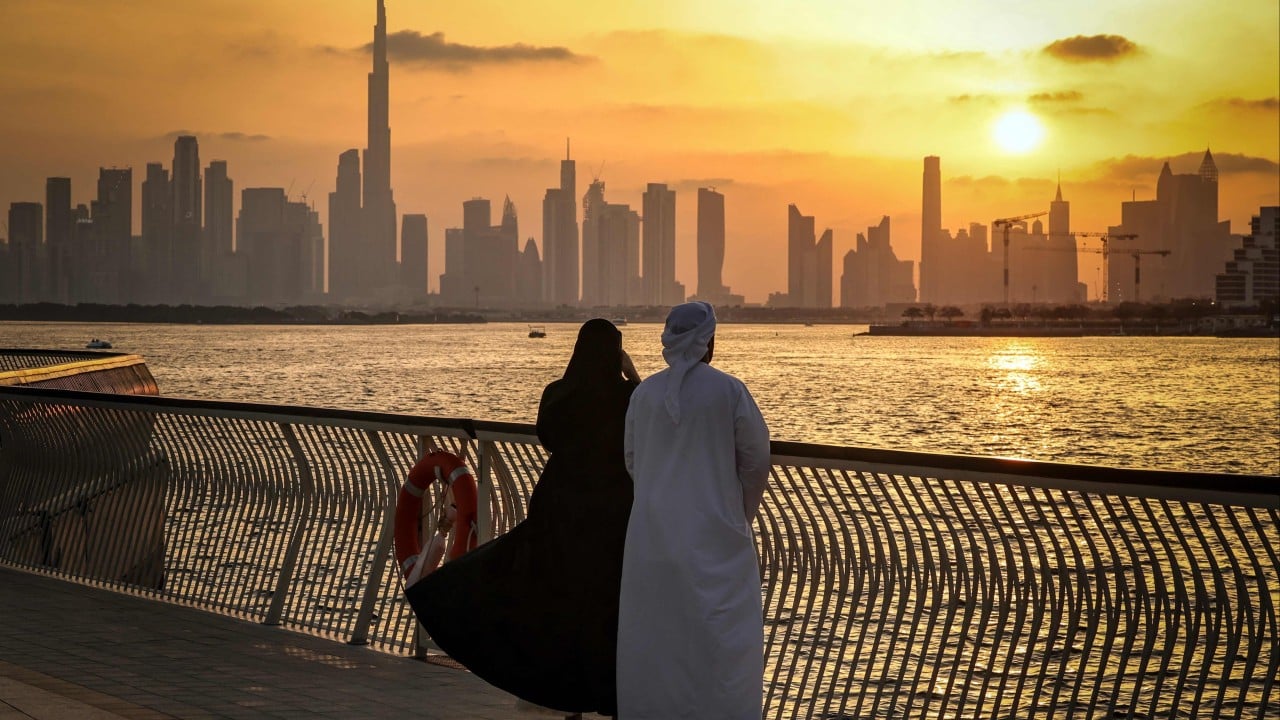
Hormuz Blockage Threatens Gulf's Economic Lifelines
IMF Warns Middle East War Could Spark Historic Global Crisis
Middle East War Delays Vital Medicine to Sudan, Mali

Israel's New Goal: Reshaping the Middle East

Israel Strikes Iran's Key Gas Field for Second Time

Anadolu's Global Push: Turkish News Agency Aims for Top Tier
Ukrainian Drones Hit Russian Oil, Zelenskyy Warns Middle East
Stranded Baltic Whale Fights for Life as Easter Marches Call for Peace
Ceasefire Bid as Trump Threatens to Bomb Iran
Ceasefire Could Reopen Vital Oil Route as U.S.-Iran Tensions Simmer
Eid Prayers Echo as War Thunder Rolls in Middle East

Gaza's Orthodox Christians Hold Defiant Palm Sunday Service
