Latest News
Stay updated with the latest news and articles
Top Stories
Doctors Sound Alarm as Dangerous "Neck-Hanging" Fitness Trend Spreads in China
Doctors Sound Alarm as Dangerous "Neck-Hanging" Fitness Trend Spreads in China
A risky new fitness trend where people hang by their necks from trees is gaining popularity among young people in China, prompting urgent warnings from medical experts about the potential for severe and permanent injury [122710].
The practice, known as "neck-hanging exercise," involves individuals suspending their full body weight from tree branches using their head and neck. Participants attempt to imitate professional cervical traction therapy, a controlled medical treatment for neck pain administered by specialists [122710].
Doctors state that performing such unsupervised spinal traction is extremely dangerous. They warn it can lead to ligament damage, paralysis, and even stroke due to the uncontrolled force on the cervical spine [122710].
The trend's rise follows a reported increase in cervical spine disorders across the country. An official 2024 health report indicates that over 200 million people in China suffer from these conditions, with more than 40% of patients being under the age of 30 [122710].
Despite the clear health warnings from professionals, videos and posts promoting the "neck-hanging" activity continue to spread online, alarming public health officials [122710].
Dangerous "Neck-Hanging" Trend Alarms Doctors in China

U.S. Forces Capture Venezuelan President Maduro in Shock Raid, Sparking Continental Crisis
U.S. Forces Capture Venezuelan President Maduro in Shock Raid, Sparking Continental Crisis In a stunning military operation, U.S. forces captured Venezuelan President Nicolás Maduro, transporting him to New York to face drug trafficking charges and plunging Latin America into a geopolitical crisis [41880][41460]. The bold seizure of a sitting head of state has split regional governments and triggered urgent security reviews from capitals wary of becoming the next target [47297][47126]. American troops struck in Caracas on Saturday, detaining Maduro, 63, and his wife before flying them out of the country [41880][41460]. President Donald Trump announced the capture, stating the U.S. would oversee Venezuela's government but without setting a timeline for new elections [41460]. Maduro is scheduled for an initial court appearance in New York on Monday, while the United Nations Security Council prepares for an emergency session requested by Venezuela [41880]. Reactions across Latin America reveal a deep political fracture. Nations like Colombia and Brazil have offered cautious support for the action, while others, including Mexico and Bolivia, have condemned it as a blatant violation of international law and national sovereignty [47297]. Analysts note that behind the public division lies a private, shared fear among leaders of all ideologies, who are now asking, "Who could be next?" [47126][47297]. The operation marks a dramatic return to a century-old pattern of U.S. intervention in the hemisphere, reviving the specter of the Monroe Doctrine, a long-standing policy of opposing foreign influence in the Americas [41465][41460]. Experts warn the move is designed not only to remove Maduro but also to directly challenge China's rapidly expanding economic and diplomatic influence in the region [41460][45747]. The long-term consequences remain uncertain. The immediate effect has been to create an atmosphere of heightened tension and suspicion, forcing every nation to re-examine its relationships with Washington and its own domestic political stability [47126][47297]. Venezuela's President Seized by U.S., Faces Court in New York U.S. Captures Venezuela's Leader, Challenging China's Regional Reach U.S. Capture of Maduro Sends Shockwave Through Latin America U.S. Capture of Venezuela's Maduro Sends Shockwaves Through Latin America Trump Revives US Habit of Ousting Latin American Leaders Trump Targets Latin America, But China Holds the Lead

World Braces for Economic Warfare as Top Global Threat in 2026
World Braces for Economic Warfare as Top Global Threat in 2026 A new report from the World Economic Forum (WEF) has identified "geoeconomic warfare" as the most severe and immediate threat to global stability over the next two years [49991]. The warning signals a world where nations are increasingly weaponizing trade, supply chains, and investment in their strategic rivalries, creating a volatile environment that overshadows other dangers. The WEF's latest Global Risks Report states that geopolitical competition is forcing countries into direct economic confrontation, which now ranks above all other global risks [49991]. This shift marks a decisive move away from cooperative international frameworks toward a more fragmented and contested economic landscape. The short-term outlook is dominated by three interconnected threats: intense geopolitical rivalry, the rapid spread of misinformation, and severe social and political polarization [49991]. Analysts warn that these forces are combining to create a precarious global environment where economic tools are used as primary instruments of state power. This assessment comes as the International Monetary Fund (IMF) warns the global economy is at a critical "turning point," grappling with persistent inflation, high debt levels, and the pressures of fragmentation [126881]. The IMF's managing director has detailed these challenges, emphasizing the risks to financial stability and growth. The findings will be a central topic at the WEF's annual meeting in Davos, Switzerland, next week, where global leaders will confront a landscape defined by economic conflict [49991]. Geoeconomic Warfare Named Top Global Threat for 2026 IMF Chief Warns: Global Economy at a "Turning Point"
Tourists and Short-Term Rentals Are Taking Over, Pushing 10,000+ Homes Away from Locals
Tourists and Short-Term Rentals Are Taking Over, Pushing 10,000+ Homes Away from Locals From Hawaii to Cape Town, a surge in tourism and the proliferation of short-term vacation rentals are creating severe housing shortages, driving up costs, and forcing local residents into cramped, illegal, or distant housing. In a drastic move, Hawaii's governor has ordered the conversion of 10,000 short-term rental units back into local housing to combat a severe shortage that is driving residents away [61634]. Officials directly blame the large number of properties listed for tourists for reducing supply and skyrocketing prices [61634]. A similar crisis is unfolding in Cape Town, South Africa, where a boom in tourism and platforms like Airbnb has sent property prices and rents in the central district soaring [39353]. This forces essential service workers into illegal and unsafe housing in informal settlements, often far from their jobs [39353]. The city now shows stark divides, with luxury villas and tourist rentals standing beside metal shacks in coastal areas [117472]. The phenomenon is not confined to vacation hotspots. In Seoul, soaring rents are pushing young professionals out of studio apartments and back into tiny, windowless dormitory rooms known as *goshiwon*, which they thought they had left behind [21300]. Governments are beginning to act with forceful measures. Beyond Hawaii's seizure of vacation rentals, the U.S. Senate recently passed a major bipartisan bill aimed at lowering housing costs by funding and encouraging the construction of new homes to increase supply [100991][100719]. The bill's supporters argue that a core solution to high prices is to "flood the market" with more housing [100991]. Meanwhile, the conflict between tourist accommodation and local housing needs continues to reshape cities globally, highlighting the growing tension between the economic benefits of tourism and the basic need for secure, affordable shelter for residents [39353][117472]. Hawaii to Seize 10,000 Vacation Rentals in Housing Crisis Move Tourism Boom Pushes Workers Into Illegal Homes Tourists in Luxury, Locals in Shacks: Cape Town's Coastal Divide Soaring Rents in Seoul Force Workers Back into Tiny 'Goshiwon' Rooms Senate Passes Bill to "Flood the Market" with New Homes U.S. Senate Passes Major Housing Bill, But House Hurdle Looms

Turkish Stocks Surge 2.3% in Single-Day Rally as Central Bank Fuels Buying Frenzy
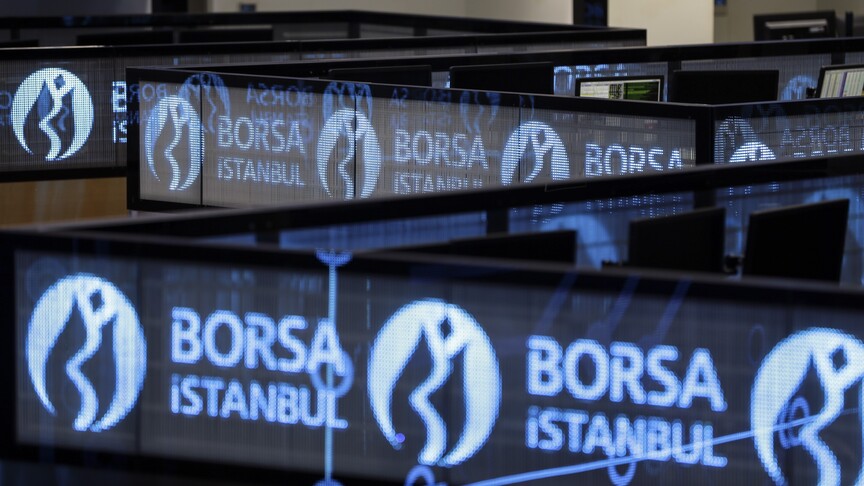
Turkish Stocks Surge 2.3% in Single-Day Rally as Central Bank Fuels Buying Frenzy Turkey's stock market is on a tear, with the benchmark index posting sharp gains in recent sessions, fueled by a new central bank policy designed to pump money directly into local equities. The BIST 100 index, which tracks Turkey's top 100 companies, jumped 2.34% in a single day, closing up approximately 316.4 points [71758]. This followed another strong session where the index finished up more than 1%, gaining 143.73 points [128734]. The rally has been marked by positive opens, with the index gaining 20.8 points at the start of one Tuesday session [21230] and 26.64 points at the start of a Wednesday session [33768]. The surge is directly linked to a major policy shift by the Central Bank of the Republic of Turkey (CBRT). The bank announced it will provide cheaper financing to lenders who increase their purchases of domestic stocks, a move explicitly designed to support the market [80220]. Analysts say this new funding strategy is driving the upward trend. The gains stand in contrast to recent periods of volatility. Just days earlier, the same index had fallen sharply, dropping 20.7 points in a single session amid a global sell-off [33252], and had closed another Tuesday down 30.85 points [12525]. The central bank's intervention appears to have reversed that negative sentiment, at least temporarily. Market observers are now watching to see if the positive trend holds. The BIST 100 is a key indicator of financial health and investor confidence in Turkey, and its recent performance suggests a concerted effort to stabilize and boost the equity market [80220]. Turkish Stocks Surge 2.3% in Single-Day Rally Turkish Stocks Surge as Key Index Jumps Over 1% Turkish Stock Market Surges on Central Bank Boost Turkish Stock Market Rises in Early Tuesday Trading Turkish Stocks Surge at Midweek Open

Russia Moves to Declare "Russophobia" a Legal Ground for Military Invasion
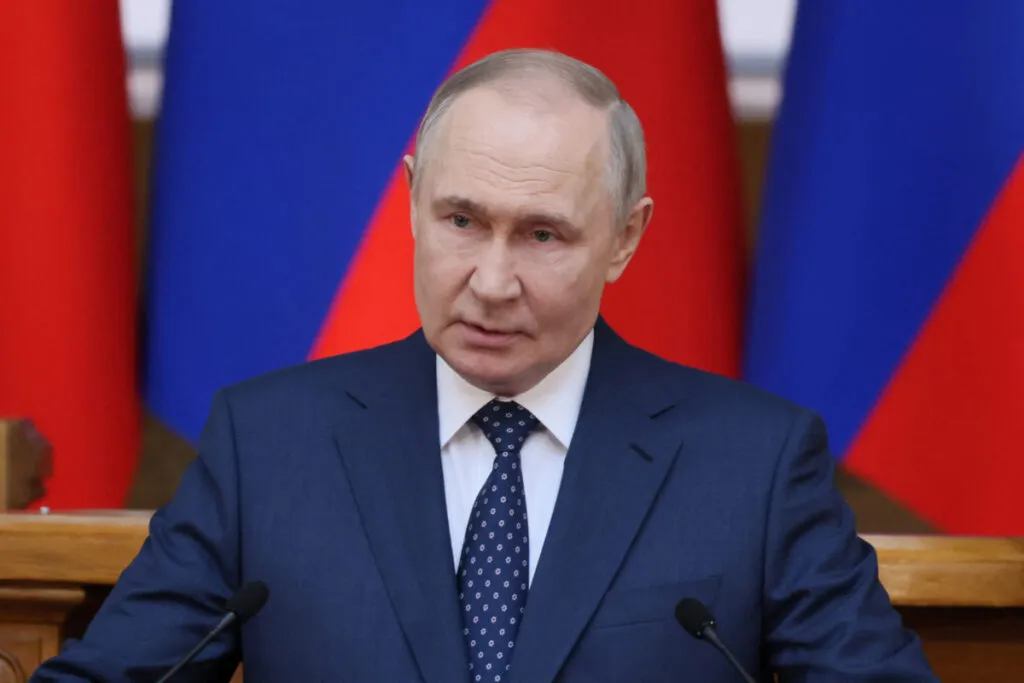
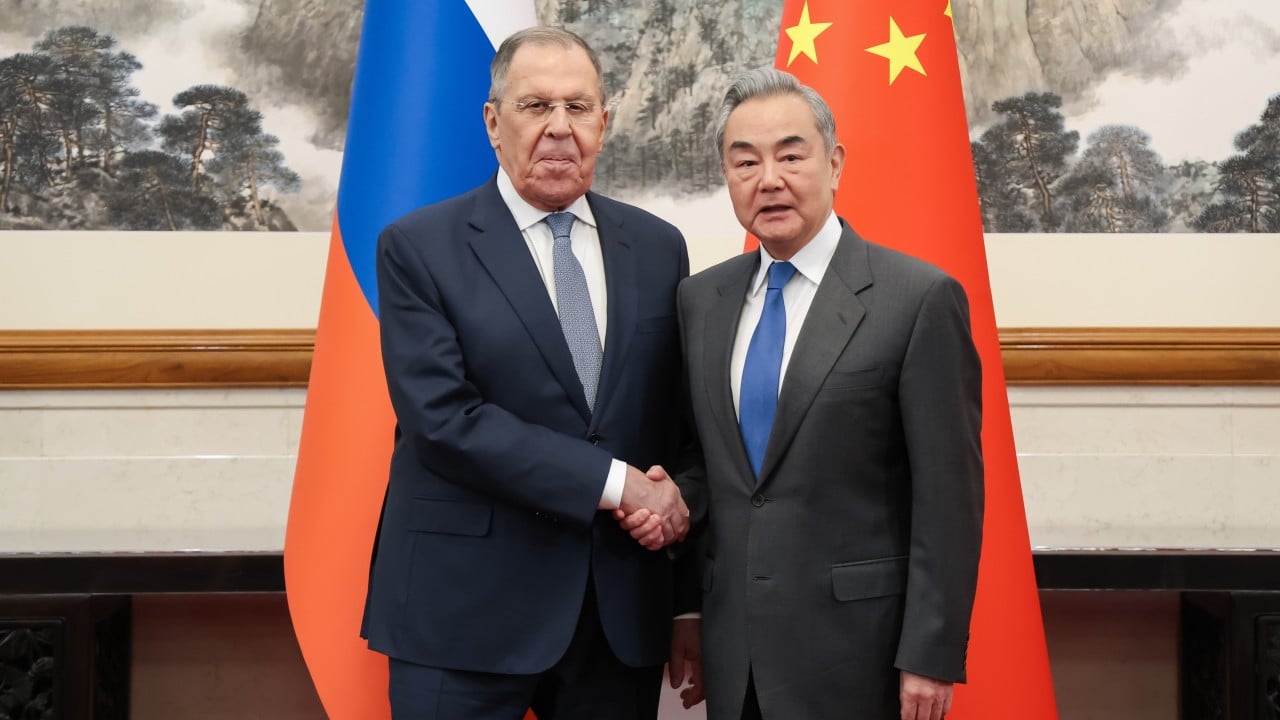
Russia Moves to Declare "Russophobia" a Legal Ground for Military Invasion The Russian parliament is advancing legislation that would define discrimination against Russian culture and language abroad as "extremist" and a formal justification for military intervention. The proposed law, which critics warn creates a ready-made pretext for future invasions, could see Russia use force to protect ethnic Russians and Russian speakers—so-called "compatriots"—in other countries [128845]. The bill classifies "Russophobia" as a form of extremist activity. It grants the government authority to label foreign actions as discriminatory against Russian-speakers or culture. Once officially recognized, such acts could trigger a range of responses, from economic sanctions to the deployment of armed forces [128845]. The term "compatriots" broadly applies to millions of ethnic Russians and Russian speakers living in former Soviet states, regardless of their citizenship [128845]. This legal maneuver formalizes a doctrine long used in Russian rhetoric. Analysts note it mirrors justifications cited before the 2014 annexation of Crimea and the 2022 full-scale invasion of Ukraine, where protection of Russian citizens was a key claim [128845]. If passed, the law would escalate diplomatic tensions and pose a direct security threat to Russia's neighbors [128845]. The legislative push coincides with Russia's efforts to solidify alliances and circumvent international pressure. During a meeting in Beijing, Russian Foreign Minister Sergey Lavrov and Chinese Foreign Minister Wang Yi coordinated their positions on global conflicts, including Ukraine, criticizing what they termed rising global "turmoil and instability" [129011][128404]. This partnership provides diplomatic cover as Russia seeks new economic and military avenues. Financing the ongoing war remains a pressure point. President Vladimir Putin has reportedly asked wealthy Russian oligarchs for direct donations to support the military budget, highlighting the strain of a defense spending increase of 42% last year [112938]. Meanwhile, investigations reveal that foreign companies, including a major Czech industrial group, have secretly supplied spare parts and technical services to maintain Russian tank and artillery production through intermediaries, exploiting sanctions loopholes [128842]. The economic fallout from global conflicts is also affecting the war effort. Disruptions in the Middle East have reversed Ukraine's progress in controlling wartime inflation, with Ukrainian fuel costs surging 23% in March due to higher global oil prices [128542]. This interconnected instability underscores the broader geopolitical environment in which Russia is advancing its new legal doctrine for intervention. Russia Declares "Russophobia" a Legal Grounds for Invasion Russia, China Unite Against "Instability," Discuss Iran, Ukraine, Taiwan Russia's Lavrov in Beijing: Ukraine, Middle East Top Agenda Putin Seeks Oligarch Donations to Fund War as Defence Budget Strains Czech Firm Secretly Supplies Russian War Machine, Investigation Reveals Middle East Conflict Reverses Ukraine's Wartime Inflation Progress
Trump and Vance Weaponize Ukraine Aid, Forging Far-Right Alliance with Kremlin
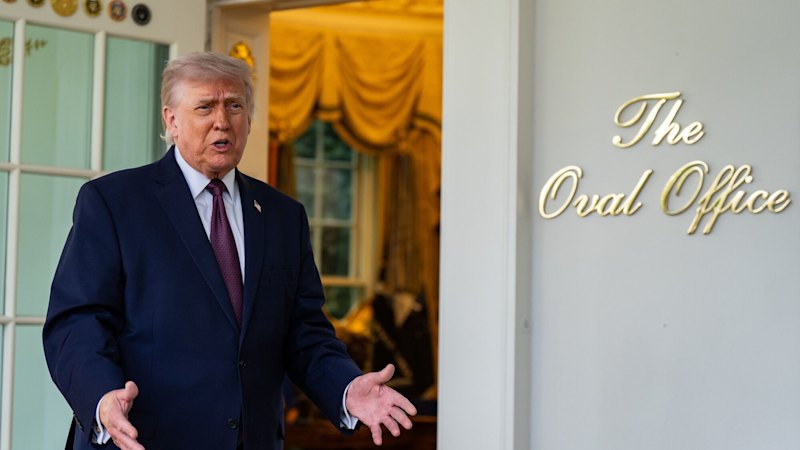
Trump and Vance Weaponize Ukraine Aid, Forging Far-Right Alliance with Kremlin The foreign policy of former U.S. President Donald Trump and his running mate, J.D. Vance, has systematically turned support for Ukraine into a domestic political weapon, providing a blueprint for far-right parties in Europe and aligning with Kremlin interests [127814]. This strategy centers on reframing military aid to Ukraine. Trump and Vance repeatedly use exaggerated claims and stereotypes about the country to rally their political base and undermine bipartisan support for continuing assistance [127814]. Experts warn this political weaponization threatens long-term Western unity against the Russian invasion. The approach has forged a powerful, if informal, alliance. It links the Trump-led "MAGA" movement with certain European nationalist parties and the Kremlin. For Russian President Vladimir Putin, weakening Western resolve represents a major strategic victory [127814]. European far-right leaders are now adopting the tactic. By publicly dismissing aid as a waste or echoing Russian propaganda points, they copy the Trump-Vance method to win domestic votes [127814]. The shift means support for Ukraine is no longer a steady foreign policy commitment but a volatile tool for mobilizing voters. Tensions from this strategy have spilled into other international relationships. Vice President Vance, who is Catholic, recently told Pope Francis to "stay out of American politics" while defending Trump [128101]. This followed Trump's own criticism of the pontiff as "too liberal" and "weak on crime" [128101]. The political calculations are also affecting the stance of key allies. While Israeli Prime Minister Benjamin Netanyahu continues Israel's military campaign, his longtime ally Trump has recently criticized the war effort as damaging to Israel's image and urged a quicker resolution [128063]. This divergence highlights how domestic election timelines are shaping their public positions on the conflict. Trump-Vance Shift Turns Ukraine Aid into Far-Right Political Weapon Vance to Pope: "Stay Out of American Politics" Netanyahu and Trump: Wartime Allies, Diverging Paths
Europe Launches $1 Trillion Minerals Blitz to Break China's Stranglehold
Europe Launches $1 Trillion Minerals Blitz to Break China's Stranglehold The European Union is launching an aggressive buying cartel to wrest control of vital mineral supplies from China, a move experts warn could trigger a global resource scramble and deepen economic divides. The new platform aims to pool the purchasing power of European companies to secure lithium, cobalt, and rare earths—materials critical for electric vehicles, wind turbines, and advanced weapons [128019]. China currently dominates the market, controlling up to 90% of refining for some minerals, a dependency the EU calls an unacceptable threat to its economic security and green transition plans [128019]. The collective buying scheme, a core part of the EU's Critical Raw Materials Act, is designed to leverage Europe's massive market to negotiate better terms and diversify supply chains away from Beijing. "This isn't just about batteries; it's about power," said a Brussels-based trade analyst who requested anonymity. "The EU is using its regulatory and market muscle to carve out a resource base for its own industries, but this mercantilist push will have global repercussions." The initiative underscores a strategic shift where climate policy is explicitly tied to industrial competitiveness and defense needs, framing the green transition as a geopolitical battleground [128019]. The push comes as Europe grapples with the soaring costs of its strategic ambitions. A senior European leader recently admitted that achieving full military and technological independence from the United States could carry a price tag of €1 trillion, a sum representing 10% of the bloc's total economic output [60363]. Meanwhile, the EU's own single market remains fragmented, raising costs for businesses and undermining its competitive footing, according to a damning internal report [127418]. Analysts point out that Europe's quest for "strategic autonomy" in minerals and tech often masks a protectionist logic that benefits northern industrial giants while externalizing the environmental and social costs of extraction to the Global South. The bloc's green capitalism model seeks to secure the raw materials for a high-tech future while maintaining a "Fortress Europe" stance on trade and migration. The EU's economy commissioner has simultaneously warned member states that their massive national subsidies to shield consumers from high energy prices risk triggering a new fiscal crisis, highlighting the precarious financial balancing act underlying these ambitions [121783]. As Europe mobilizes to break China's grip and reduce U.S. dependence, the continent is betting that collective economic clout can secure its place in a fracturing world order. EU Launches Buying Bloc to Break China's Grip on Key Minerals Europe's €1 Trillion Question: Can It Buy Military Independence? EU Single Market "Failing," Warns Top Official, Citing War and High Costs EU Warns: Energy Bailouts Could Trigger New Fiscal Crisis
AI Reshapes Global Industries: From Consulting Cuts to Olympic Commentary
AI Reshapes Global Industries: From Consulting Cuts to Olympic Commentary A wave of corporate restructuring, strategic pivots, and high-stakes integrations is sweeping across multiple sectors, all driven by the rapid adoption of artificial intelligence (AI). Major firms are overhauling operations, betting on new AI capabilities to secure their future in a shifting economic landscape. The world's largest consulting firm, PricewaterhouseCoopers (PwC), is planning a major global restructuring in direct response to the rise of AI [3]. Industry experts warn that AI automation threatens many traditional consulting tasks, prompting PwC to focus on retraining its workforce in advanced AI skills and reshaping its service offerings [3]. In the automotive industry, Nissan is taking drastic action, announcing it will cut 20% of its car models [5]. The company is betting heavily on AI to boost profits, planning to use the technology in vehicle development, manufacturing, and customer service to improve efficiency amid intense electric vehicle competition [5]. Simultaneously, the nature of work itself is being redefined. As AI automates technical tasks, essential "glue work"—like mentoring, team coordination, and cross-department communication—is gaining new recognition as a premium human skill [4]. Experts argue employees who excel at these integrative tasks will become vital to organizational success [4]. The integration of AI is also reaching global sporting events. Alibaba Cloud will embed its large language model directly into the core digital systems of the 2026 Milano Cortina Winter Olympics [12]. The AI, powered by Alibaba's Qwen model, is designed to generate commentary for replays, create social media summaries, and act as a multilingual chatbot for Olympic staff and broadcasters [12]. Beyond immediate applications, significant investment is flowing into next-generation AI research. French startup AMI announced it has secured $1 billion in funding to build AI that understands the physical world "in the way animals and humans do," aiming for "fairly universal intelligent systems" within five years [13]. PwC to Slash 100,000 Jobs? AI Forces Consulting Giant's Overhaul Nissan Bets on AI, Cuts Car Models to Survive AI Era Set to Elevate Critical "Glue Work" in the Workplace AI to Call the Shots? Alibaba Brings LLM to 2026 Winter Olympics French AI Startup Aims for Animal-Like Intelligence with $1 Billion Boost

Turkey Takes Helm of Key NATO Naval Force, Showcases Homegrown Tech in Major Drills
Turkey Takes Helm of Key NATO Naval Force, Showcases Homegrown Tech in Major Drills Turkey has assumed command of a critical NATO naval strike group and is deploying its domestically developed military technology in the alliance's largest exercises this year, cementing its role as a pivotal security player. The Turkish Naval Forces officially took command of the NATO Amphibious Task Force and its Landing Force Command on July 1. In this role, which will last for one year, Turkey is responsible for planning and leading NATO exercises and potential missions involving coordinated assaults from sea to land [54453]. Concurrently, Turkish troops and naval units are actively participating in two major NATO readiness drills across Europe. Approximately 2,000 Turkish personnel have deployed to Germany for the Steadfast Defender 24 exercise, which focuses on the rapid deployment of forces across the alliance [70222]. In a separate, large-scale drill named Steadfast Dart 2026, Turkish forces are conducting joint amphibious operations in Germany, showcasing their own domestically produced defense platforms in a live environment [80228]. These exercises test NATO's ability to operate together in a crisis and demonstrate Turkey's growing technological contributions to the alliance. The use of homegrown Turkish defense systems in the drills highlights a strategic push toward greater self-reliance and export potential in the defense sector [80228]. Turkey's elevated military profile within NATO coincides with its participation in a sensitive international security mission. The country has joined a new task force led by the Organization for the Prohibition of Chemical Weapons (OPCW) aimed at finding and eliminating the final remnants of Syria's chemical weapons program. Turkey's border with Syria and regional expertise are seen as critical to the mission's goal of safely destroying the hazardous materials [106495]. Turkey Assumes Command of Key NATO Naval Strike Force NATO's Biggest 2024 Drill Begins with Turkish Troops Landing in Germany Turkish Forces Deploy Homegrown Tech in Major NATO Drill Turkey Joins Mission to Destroy Syria's Last Chemical Weapons


Latest Articles

Top Wachtell Lawyer Offered $80 Million to Jump to Rival Firm
Kirkland & Ellis is poised to hire a leading distressed-debt lawyer from Wachtell, Lipton, Rosen & Katz. The move would be a major hire in the compet...

OpenAI's Secret Weapon: A New AI Model Hunts Hackers Before They Strike
OpenAI has quietly released a powerful new cybersecurity tool to a select group of customers. The model, named GPT-5.4-Cyber, is designed to find sof...

Trump: US-Iran Talks Could Start "Within Days"
President Donald Trump says direct talks with Iran could begin imminently. He stated that initial meetings might happen this week, suggesting Islamaba...

Nazi Ancestry Database: Millions Search Family Links to Hitler's Party
A newly public digital archive is allowing people worldwide to instantly check if their ancestors were formal members of the Nazi party. The databas...

Canada Loses Its Shine: Indian Students Rethink the Dream
Canada is facing a major shift. It was once a top choice for Indian students seeking an international education. Now, many are reconsidering due to n...
86-Year-Old French Woman Detained by ICE After U.S. Reunion
An 86-year-old French woman is being held by U.S. immigration authorities after she traveled to America to reunite with a long-lost love. Marie-Thér...

Maradona Death Retrial Begins After Camera Controversy
A new trial has begun for the medical team accused of causing the death of football legend Diego Maradona. The retrial was ordered after the first ca...
China Blasts U.S. Naval Blockade of Iran as "Irresponsible and Dangerous"
China has condemned a U.S. naval blockade of Iranian ports, calling the action "irresponsible and dangerous." As the largest buyer of Iranian oil, Ch...

Second Woman Accuses Congressman Swalwell of Drugging, Rape
A second woman has publicly accused U.S. Congressman Eric Swalwell of sexual assault. Lonna Drewes states the California Democrat drugged her drink b...

Vance Backs Orbán as "Great Guy" Despite Election Loss
US Vice-President JD Vance has called Hungary's leader, Viktor Orbán, a "great guy" who did a "very good job." Vance made the comments after Orbán's...

Hamas Refuses to Disarm, Demands Israel Act First
A senior Palestinian official says Hamas will reject any plan to give up its weapons in Gaza. The official told the BBC that the armed group will no...

VP Heckled After Criticizing Pope's Theology
U.S. Vice President Vance was interrupted by hecklers while criticizing Pope Francis. The incident occurred during a speech at a Turning Point USA e...

250 Feared Dead as Migrant Boat Sinks in Indian Ocean
A fishing trawler carrying migrants has sunk in the Indian Ocean. The United Nations reports approximately 250 people are missing and feared dead. T...

Man Wins €1 Million Picasso with €100 Charity Raffle Ticket
A man has won an original Pablo Picasso painting valued at €1 million ($1.1 million) after buying a €100 charity raffle ticket. The winner, who wish...

Three Years of War, Three Years of Messages: A Delayed Flood from Sudan
A Sudanese journalist’s sudden return to phone service has delivered a devastating, three-year record of his country’s forgotten war. Mohamed Suleim...
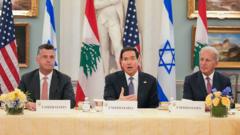
Historic Breakthrough: Israel and Lebanon to Hold Direct Talks
Israel and Lebanon have agreed to hold direct negotiations for the first time in nearly three decades. The United States announced the diplomatic br...
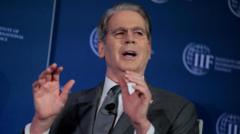
US Treasury Chief: "Economic Pain" Worth Stopping Iranian Strikes
US Treasury Secretary Donald Bessent says Americans should accept some financial strain to achieve long-term safety from Iran. In a BBC interview, B...

UK and Netherlands Forge United Front on Ukraine, Migration, and Security
The leaders of the United Kingdom and the Netherlands met today to strengthen their alliance on critical global issues. In high-level talks, they pl...

Sudan's War on Children Intensifies: Child Casualties Jump 50%
A sharp escalation of violence in Sudan is killing and maiming children at an alarming rate, according to the United Nations children's agency. UNIC...
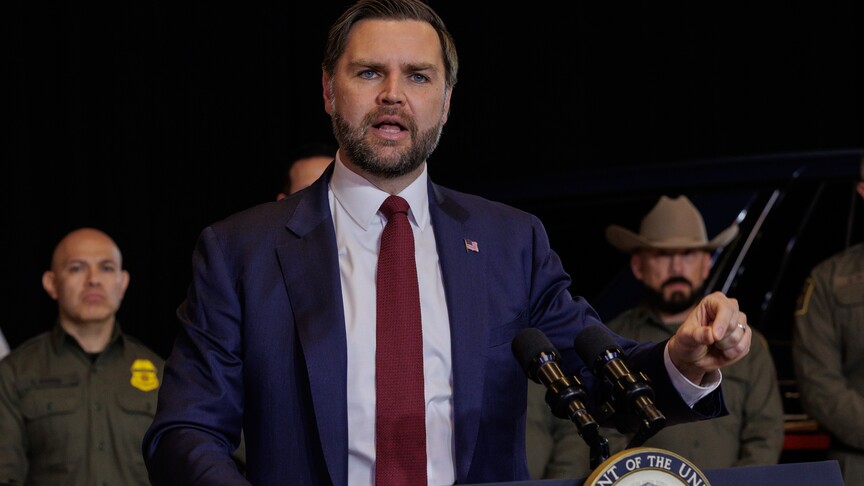
Trump's Iran Deal: A "Grand Bargain" for Nuclear Weapons?
US Vice President JD Vance says former President Donald Trump is pursuing a "grand bargain" with Iran. The goal, Vance stated, is a deal that permane...