Europe Launches $1 Trillion Minerals Blitz to Break China's Stranglehold
Europe Launches $1 Trillion Minerals Blitz to Break China's Stranglehold The European Union is launching an aggressive buying cartel to wrest control of vital mineral supplies from China, a move experts warn could trigger a global resource scramble and deepen economic divides. The new platform aims to pool the purchasing power of European companies to secure lithium, cobalt, and rare earths—materials critical for electric vehicles, wind turbines, and advanced weapons [128019]. China currently dominates the market, controlling up to 90% of refining for some minerals, a dependency the EU calls an unacceptable threat to its economic security and green transition plans [128019]. The collective buying scheme, a core part of the EU's Critical Raw Materials Act, is designed to leverage Europe's massive market to negotiate better terms and diversify supply chains away from Beijing. "This isn't just about batteries; it's about power," said a Brussels-based trade analyst who requested anonymity. "The EU is using its regulatory and market muscle to carve out a resource base for its own industries, but this mercantilist push will have global repercussions." The initiative underscores a strategic shift where climate policy is explicitly tied to industrial competitiveness and defense needs, framing the green transition as a geopolitical battleground [128019]. The push comes as Europe grapples with the soaring costs of its strategic ambitions. A senior European leader recently admitted that achieving full military and technological independence from the United States could carry a price tag of €1 trillion, a sum representing 10% of the bloc's total economic output [60363]. Meanwhile, the EU's own single market remains fragmented, raising costs for businesses and undermining its competitive footing, according to a damning internal report [127418]. Analysts point out that Europe's quest for "strategic autonomy" in minerals and tech often masks a protectionist logic that benefits northern industrial giants while externalizing the environmental and social costs of extraction to the Global South. The bloc's green capitalism model seeks to secure the raw materials for a high-tech future while maintaining a "Fortress Europe" stance on trade and migration. The EU's economy commissioner has simultaneously warned member states that their massive national subsidies to shield consumers from high energy prices risk triggering a new fiscal crisis, highlighting the precarious financial balancing act underlying these ambitions [121783]. As Europe mobilizes to break China's grip and reduce U.S. dependence, the continent is betting that collective economic clout can secure its place in a fracturing world order. EU Launches Buying Bloc to Break China's Grip on Key Minerals Europe's €1 Trillion Question: Can It Buy Military Independence? EU Single Market "Failing," Warns Top Official, Citing War and High Costs EU Warns: Energy Bailouts Could Trigger New Fiscal Crisis
Articles in this Cluster
EU Launches Buying Bloc to Break China's Grip on Key Minerals
Ethiopia, Afreximbank Push for Africa to "Feed Itself"
US Tech Giants and White House Ally to Pressure EU, Report Warns

Economic War Plan Aims to Cripple Russia, Secure Democracy's Future

Russia Accuses EU of "Major War" Preparations After Defense Spending Surge

Belgian Minister: U.S. Waging "Ideological Attack" on Europe

EU Chief: Global Security at Risk in Strait of Hormuz

Europe's €1 Trillion Question: Can It Buy Military Independence?
U.S. Doubles Down on Fossil Fuels as Europe Cashes In on Green Energy

EU Warns: Energy Bailouts Could Trigger New Fiscal Crisis

EU Single Market "Failing," Warns Top Official, Citing War and High Costs

Trump Era Demands "Political Adults" in EU, Analysts Warn
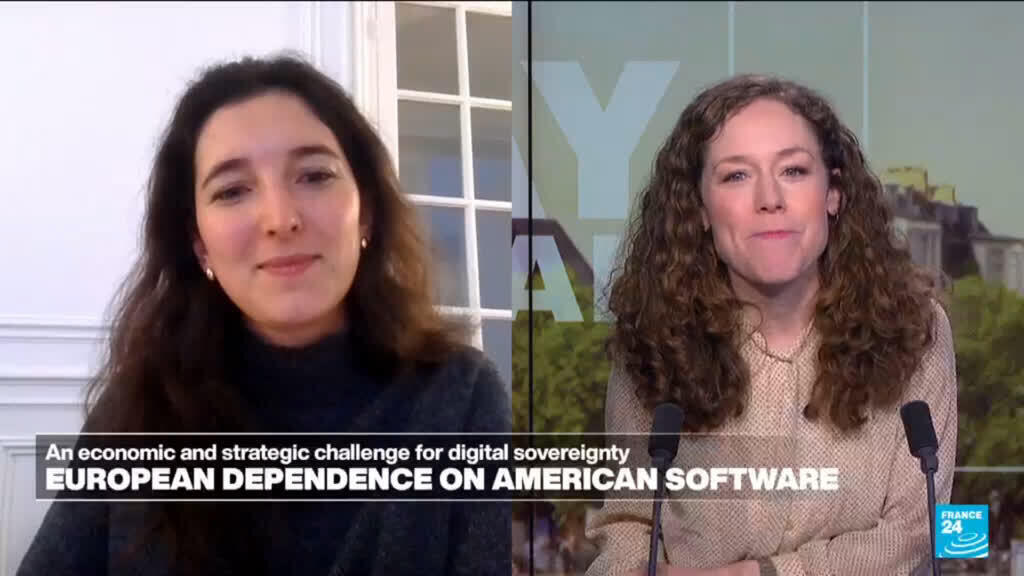
Europe's Digital Dilemma: Reliant on US Tech It Seeks to Curb
Piketty: U.S. Military Moves Signal Weakness, Not Strength