Russia Moves to Declare "Russophobia" a Legal Ground for Military Invasion
Russia Moves to Declare "Russophobia" a Legal Ground for Military Invasion The Russian parliament is advancing legislation that would define discrimination against Russian culture and language abroad as "extremist" and a formal justification for military intervention. The proposed law, which critics warn creates a ready-made pretext for future invasions, could see Russia use force to protect ethnic Russians and Russian speakers—so-called "compatriots"—in other countries [128845]. The bill classifies "Russophobia" as a form of extremist activity. It grants the government authority to label foreign actions as discriminatory against Russian-speakers or culture. Once officially recognized, such acts could trigger a range of responses, from economic sanctions to the deployment of armed forces [128845]. The term "compatriots" broadly applies to millions of ethnic Russians and Russian speakers living in former Soviet states, regardless of their citizenship [128845]. This legal maneuver formalizes a doctrine long used in Russian rhetoric. Analysts note it mirrors justifications cited before the 2014 annexation of Crimea and the 2022 full-scale invasion of Ukraine, where protection of Russian citizens was a key claim [128845]. If passed, the law would escalate diplomatic tensions and pose a direct security threat to Russia's neighbors [128845]. The legislative push coincides with Russia's efforts to solidify alliances and circumvent international pressure. During a meeting in Beijing, Russian Foreign Minister Sergey Lavrov and Chinese Foreign Minister Wang Yi coordinated their positions on global conflicts, including Ukraine, criticizing what they termed rising global "turmoil and instability" [129011][128404]. This partnership provides diplomatic cover as Russia seeks new economic and military avenues. Financing the ongoing war remains a pressure point. President Vladimir Putin has reportedly asked wealthy Russian oligarchs for direct donations to support the military budget, highlighting the strain of a defense spending increase of 42% last year [112938]. Meanwhile, investigations reveal that foreign companies, including a major Czech industrial group, have secretly supplied spare parts and technical services to maintain Russian tank and artillery production through intermediaries, exploiting sanctions loopholes [128842]. The economic fallout from global conflicts is also affecting the war effort. Disruptions in the Middle East have reversed Ukraine's progress in controlling wartime inflation, with Ukrainian fuel costs surging 23% in March due to higher global oil prices [128542]. This interconnected instability underscores the broader geopolitical environment in which Russia is advancing its new legal doctrine for intervention. Russia Declares "Russophobia" a Legal Grounds for Invasion Russia, China Unite Against "Instability," Discuss Iran, Ukraine, Taiwan Russia's Lavrov in Beijing: Ukraine, Middle East Top Agenda Putin Seeks Oligarch Donations to Fund War as Defence Budget Strains Czech Firm Secretly Supplies Russian War Machine, Investigation Reveals Middle East Conflict Reverses Ukraine's Wartime Inflation Progress
Articles in this Cluster
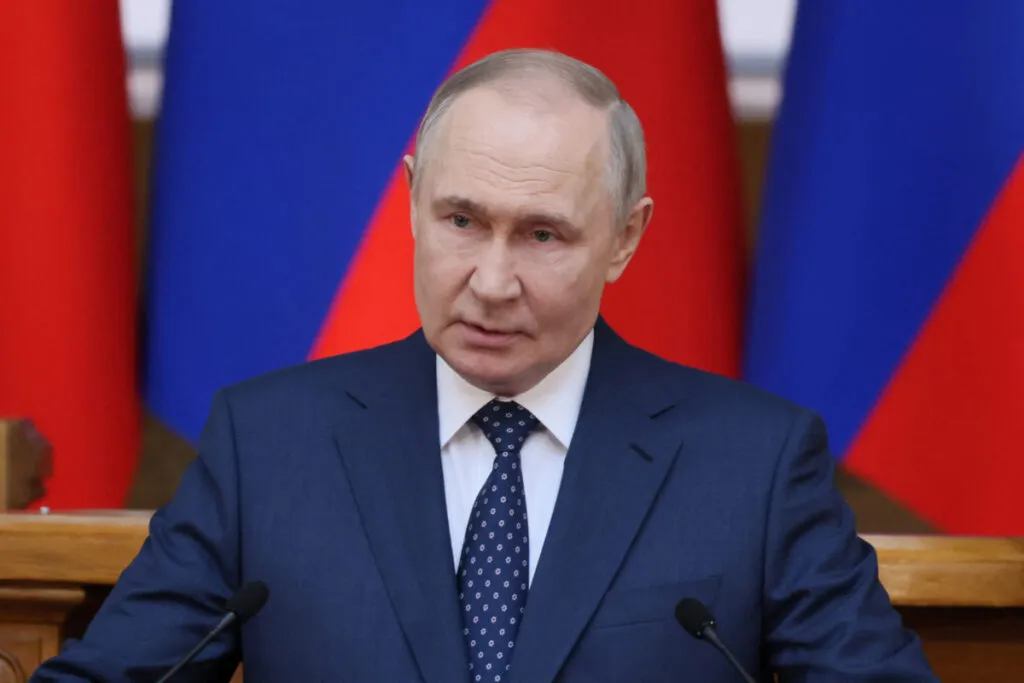
Russia Declares "Russophobia" a Legal Grounds for Invasion
Japan's PM to Australia: Hands Off Our Gas
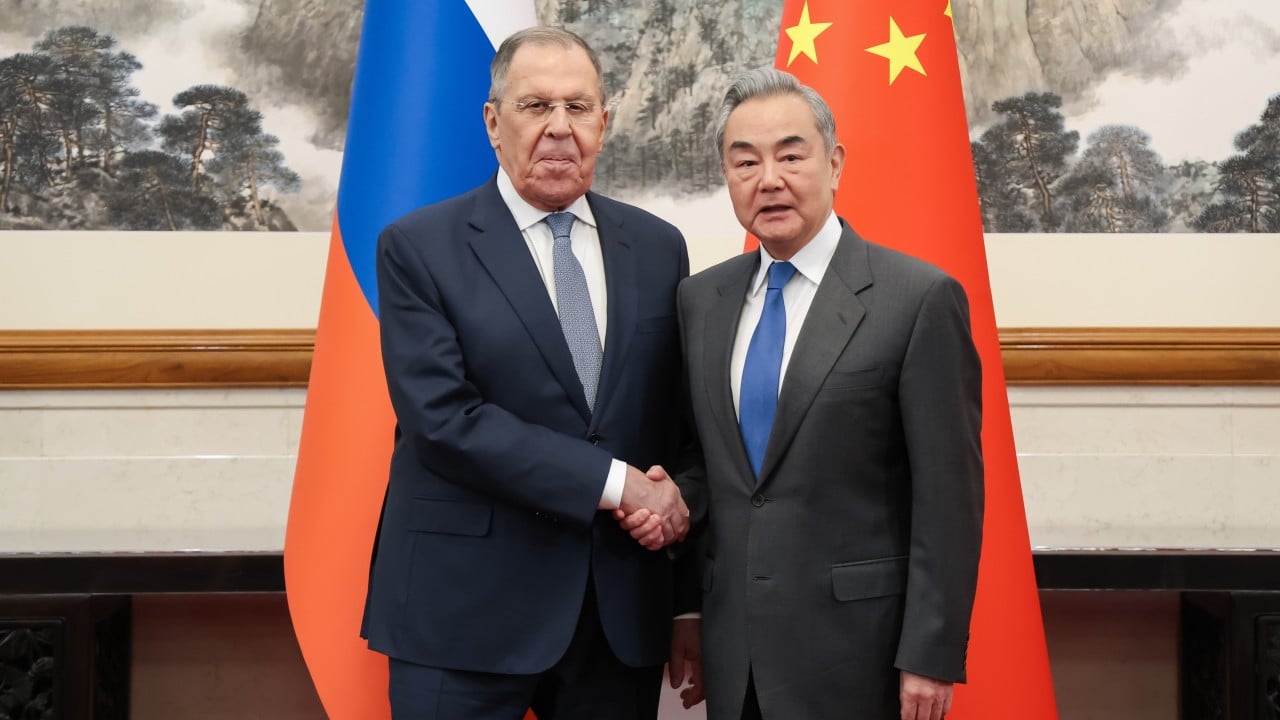
Russia, China Unite Against "Instability," Discuss Iran, Ukraine, Taiwan
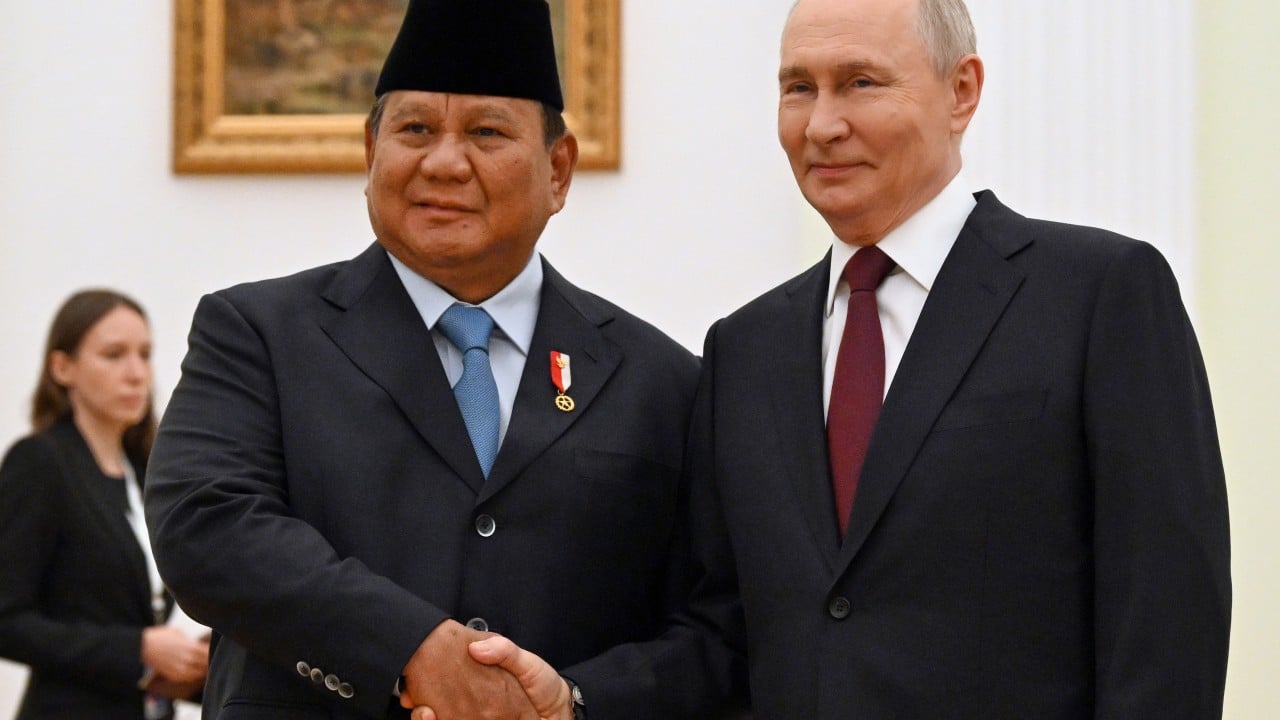
Indonesia's New President Flies to Russia for Emergency Oil Deal
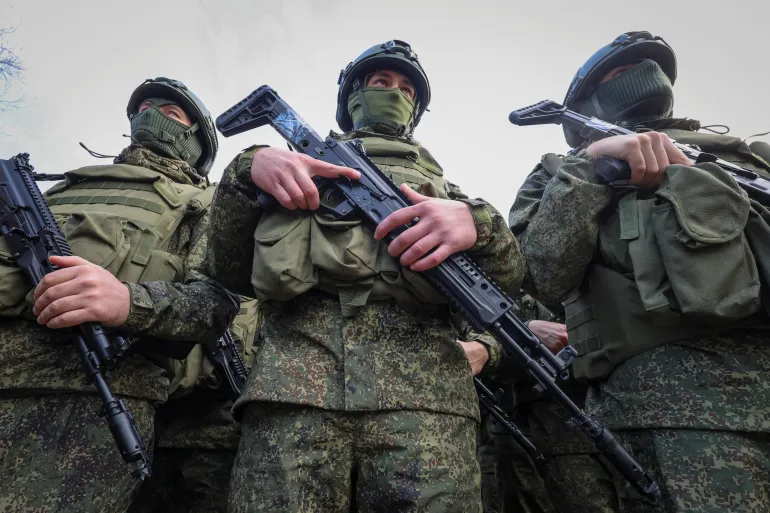
Czech Firm Secretly Supplies Russian War Machine, Investigation Reveals

Russia Cuts Internet, Cites "Security Threats"

Middle East Conflict Reverses Ukraine's Wartime Inflation Progress

Russia's Lavrov in Beijing: Ukraine, Middle East Top Agenda
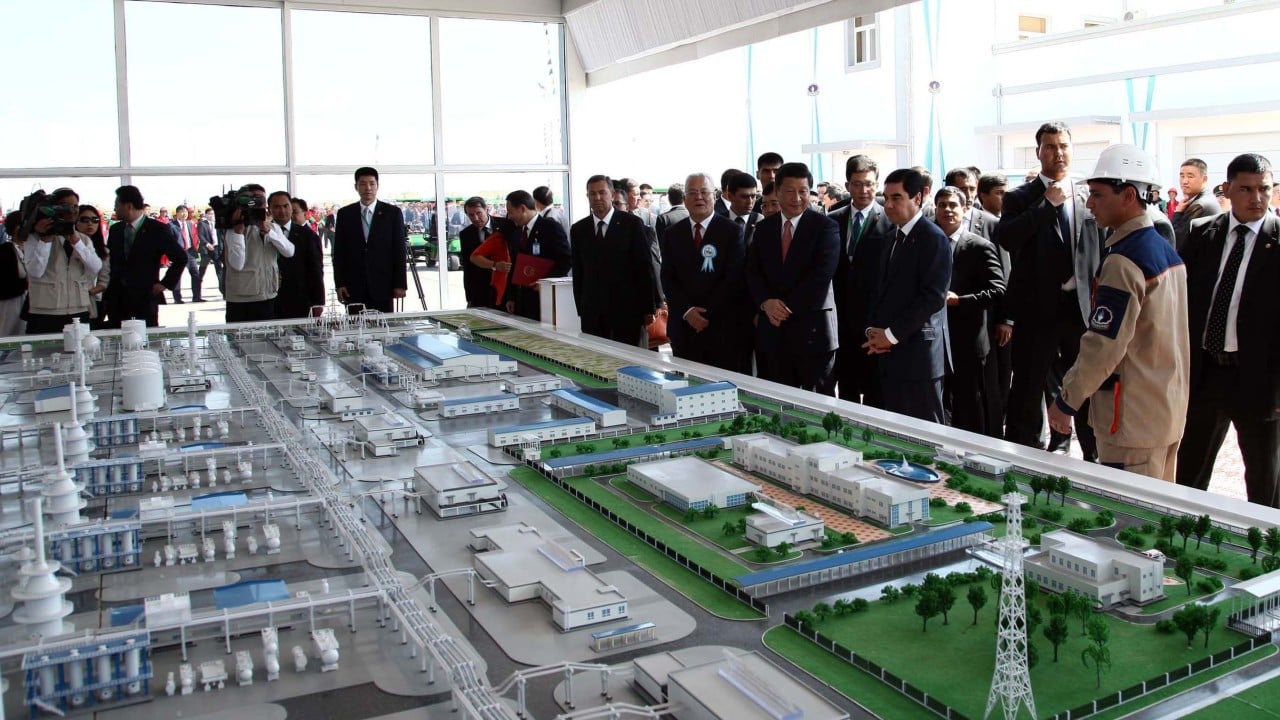
China Seeks Central Asian Gas as Hormuz Blockade Threatens Supplies
Indonesia Bolsters US Defense Ties as Prabowo Visits Russia

Quad Targets Myanmar's Rare Earths to Counter China

US and Finland Forge Closer Ties Amid Ukraine War Talks
