Latest News
Stay updated with the latest news and articles
Top Stories
Russia Pushes Sanctions-Busting Energy Deals to Fund Prolonged War
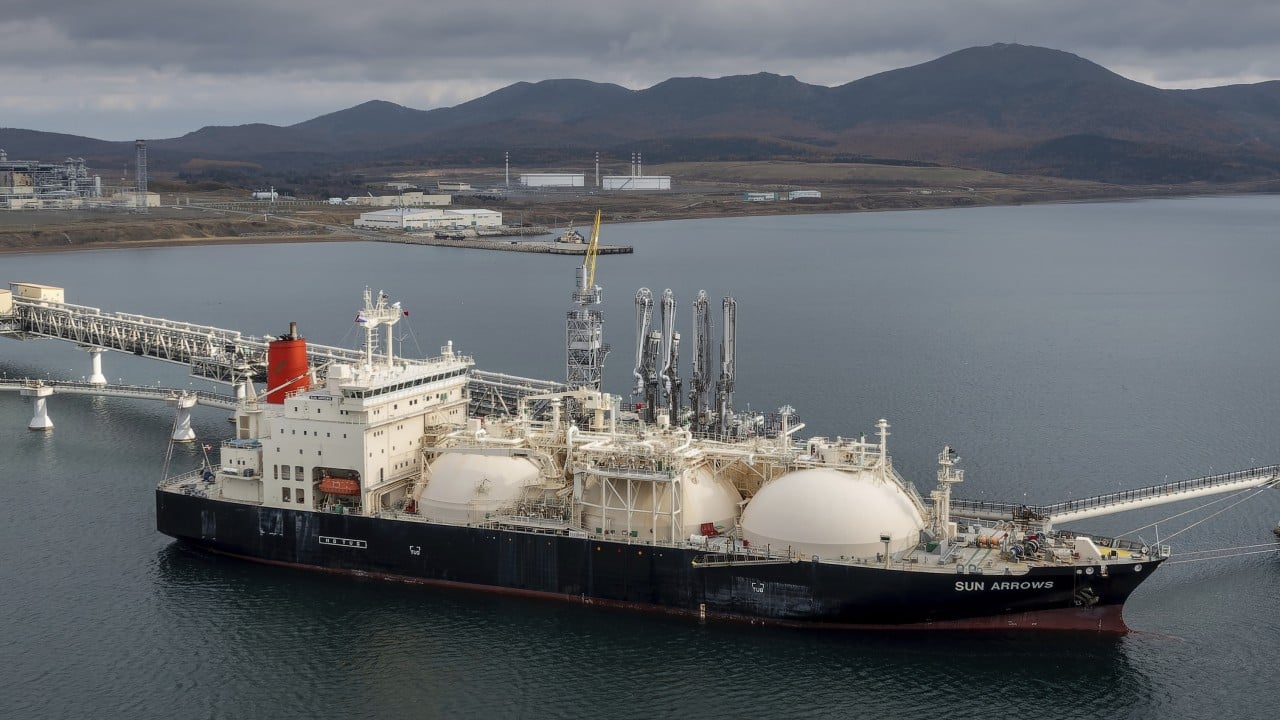
Russia Pushes Sanctions-Busting Energy Deals to Fund Prolonged War Russia is aggressively pursuing discounted energy sales and strategic resource grabs abroad to fund its military campaign in Ukraine, as Western sanctions strain its economy and force creative financial maneuvers. In a direct move to circumvent sanctions and generate revenue, Russia is offering liquefied natural gas (LNG) to South Asian nations at a steep 40% discount [124585]. The fuel is being marketed from U.S.-sanctioned export projects through obscure trading firms in China and Russia, targeting energy-starved countries with a tempting deal for vital supplies. This strategy aligns with a reported request from President Vladimir Putin to Russian oligarchs for direct donations to support the military budget, highlighting growing financial pressure from the war [112938]. Russia's defence spending surged by 42% last year, widening the budget deficit as sanctions force it to sell oil at a discount [112938]. Simultaneously, Russia is securing long-term strategic assets. In Africa, a Russian state-owned mining company finalized a major deal with Mozambique, gaining extensive rights to mine critical minerals like cobalt and graphite—essential for electric vehicles and electronics—and securing operational control over the deep-water Port of Pemba on the Indian Ocean [123980]. Major economies are testing the sanctions regime. At least two Japanese trading houses are considering resuming imports of Russian aluminum, motivated by long-term supply security worries despite Western efforts to isolate Moscow [124189]. While Japan voluntarily stopped buying after the invasion, a return would signal cracks in the international front. Analysts note that Putin shows no sign of relenting strategically, indicating a commitment to a prolonged conflict despite the economic strain [17910]. This determination is partly funded by resilient energy income; higher global oil prices have doubled the Kremlin's oil revenue since May [123062]. In response, Ukraine has expanded its campaign to strike at Russia's economic lifeline, intensifying drone attacks on Baltic Sea oil ports that handle 40% of Russia's crude exports [123062]. The goal is to disrupt the revenue funding the war and the purchase of Iranian weapons systems [123062]. Russia Offers Secret 40% LNG Discount to South Asia Putin Seeks Oligarch Donations to Fund War as Defence Budget Strains Russia Secures Key Minerals, Strategic Port in Africa Japan May Turn to Russian Aluminum, Testing Sanctions Resolve Putin Signals Long War in Ukraine Amid Economic Strain Ukraine Strikes Russian Oil, Targeting Iran's War Profits
Democrats Mount Push to Oust Trump Via 25th Amendment Following Capitol Riot
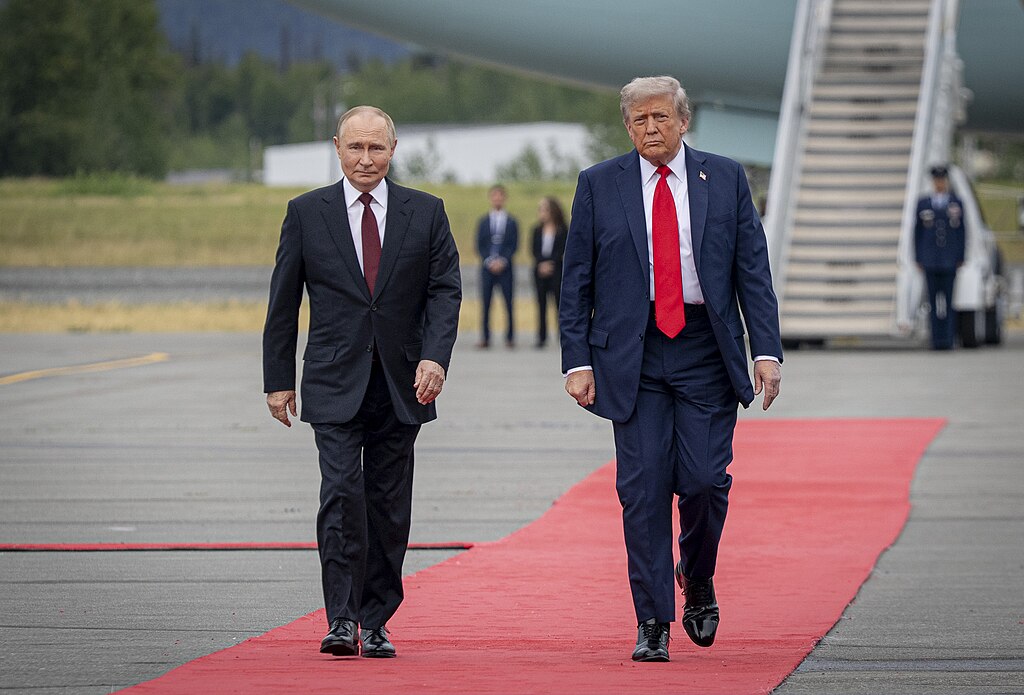
Democrats Mount Push to Oust Trump Via 25th Amendment Following Capitol Riot A group of Democratic lawmakers is urgently calling for the removal of President Donald Trump from office, demanding Vice President Mike Pence immediately invoke the 25th Amendment. The push follows last week's violent breach of the U.S. Capitol by a mob of the president's supporters [124350]. Critics within the party label the president's actions as dangerous and unstable, arguing his continued focus on disputing the 2020 election result demonstrates he is unfit to serve. The effort to declare the president unable to discharge his duties is gaining momentum as a constitutional alternative to a second impeachment [124350]. The political pressure has not been slowed by other foreign policy developments, including the president's announcement of a new agreement with Iran. The focus in Washington remains squarely on the transition of power and preventing further instability [124350]. Simultaneously, a senior Democratic congressman has publicly called on Trump to use his influence with Israeli Prime Minister Benjamin Netanyahu to halt military strikes in Lebanon, arguing the former president must act to prevent a wider regional war [124365]. This separate appeal underscores the ongoing political concerns over Trump's perceived sway with allied governments even as domestic calls for his removal intensify. Democrats Move to Remove Trump Via 25th Amendment US Lawmaker to Trump: Stop Netanyahu's War in Lebanon

Europe Scrambles for Independence as U.S. Pressure Intensifies
Europe Scrambles for Independence as U.S. Pressure Intensifies European leaders are urgently seeking to reduce the bloc's reliance on the United States, as a series of reports and statements warn of aggressive American efforts to dominate its allies and reshape the global order. Facing what one senior official called an "ideological attack" on its social model, Europe is attempting to build its own alliances and industrial base to counter Washington's influence [78938]. The pressure is multifaceted. A new analysis from the Centre for European Reform claims the U.S. is using a "pincer attack" strategy, coordinating with Silicon Valley tech giants and leveraging Europe's need for American military protection to force policy changes [44570]. This digital dependence is a critical vulnerability; despite threats of regulation, Europe relies on U.S. companies for essential cloud computing, software, and payment systems [58167]. Militarily, the cost of true independence is staggering. Outgoing Dutch Prime Minister Mark Rutte estimated that for Europe to build a fully autonomous "war-winning" defense industry, it would need to spend up to €1 trillion, or 10% of its economic output [60363]. Instead, the immediate focus is on strengthening a European pillar within the NATO alliance to deter Russia, while longer-term plans involve forming a "hedging alliance" with Indo-Pacific nations to avoid over-reliance on any single global power [123271] [60363]. Economically, the transatlantic rift is widening. The U.S. is doubling down on fossil fuel production, while Europe is beginning to cash in on its green energy transition, generating savings and greater energy independence [88037]. However, Europe's own spending to shield citizens from high energy prices has triggered a warning from the European Union's Economy Commissioner, who cautioned that "excessive" national bailouts risk a new fiscal crisis [121783]. The geopolitical friction extends to direct conflicts of interest. European and Canadian leaders recently united to support Greenland against potential U.S. expansionism, responding to a reported U.S. policy stance—dubbed the "Donroe Doctrine"—that asserts American control over Latin American resources [43628]. Furthermore, European capitals are quietly protesting but taking no forceful action against potential U.S. moves toward war with Iran, despite recognizing the severe threat such a conflict would pose to European security and energy supplies [116413]. Analysts argue the European Union is dangerously unprepared for this new era, having relied too heavily on regulation instead of building tangible economic and military power [69895]. The bloc is now in a race to prove its global relevance by forging its own path, balancing its crucial alliance with Washington against an urgent need for strategic autonomy. EU Seeks New Allies to Counter U.S.-China Rivalry US Tech Giants and White House Ally to Pressure EU, Report Warns Belgian Minister: U.S. Waging "Ideological Attack" on Europe Europe's €1 Trillion Question: Can It Buy Military Independence? Europe's Digital Dilemma: Reliant on US Tech It Seeks to Curb U.S. Doubles Down on Fossil Fuels as Europe Cashes In on Green Energy Trump Era Demands "Political Adults" in EU, Analysts Warn US "Donroe Doctrine" Sparks Global Alarm: "Resources Belong to Us" Europe's Muted Response to Iran War Threatens Its Own Security

AI Set to Reshape Over Half of U.S. Jobs by 2027, Studies Find
AI Set to Reshape Over Half of U.S. Jobs by 2027, Studies Find A series of new analyses concludes that artificial intelligence (AI) is poised to fundamentally change the majority of American jobs within the next three years, though not necessarily eliminate them. Research from the Boston Consulting Group estimates that AI will "reshape" 50% to 55% of U.S. jobs by 2027, altering the fundamental nature of work tasks [124525]. A separate study reinforces this finding, stating AI will impact more than half of all jobs, primarily by transforming how the work is done rather than causing mass unemployment [123388]. Experts clarify that this shift represents a significant evolution in the workplace, not a wave of outright job destruction. Most affected roles will see tasks augmented or altered by AI tools, requiring workers to adapt and collaborate with new technologies [124525][123388]. This transformation is expected to touch a wide range of professions, from administrative to technical fields [123388]. The rapid pace of this technological change presents both challenges and opportunities for the national workforce. The research highlights an urgent need for training and adaptation programs to help workers navigate the evolving landscape [124525][123388]. AI to Reshape Over Half of U.S. Jobs by 2027, Study Says AI Will Reshape Most U.S. Jobs, Not Replace Them, Study Finds

Turkey Assumes Command of Major NATO Naval Force, Leads Major Drills with Homegrown Tech
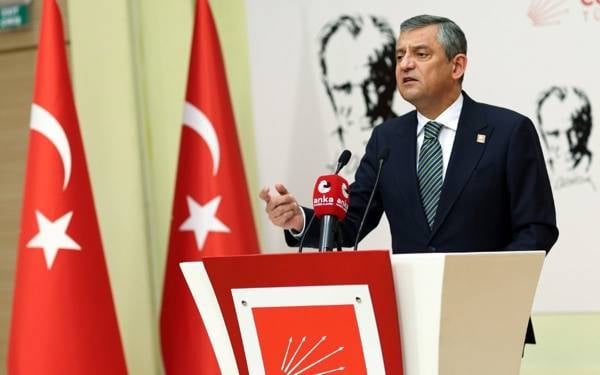
Turkey Assumes Command of Major NATO Naval Force, Leads Major Drills with Homegrown Tech Turkey has taken command of a critical NATO naval strike force and is deploying thousands of troops and domestically built technology for the alliance's largest military exercises this year, underscoring its active role in Western security structures. The Turkish Naval Forces formally assumed leadership of the NATO Amphibious Task Force and its Landing Force Command on July 1, a role it will hold for one year [54453]. This command position places Turkey in charge of planning and leading NATO's amphibious exercises and potential missions in the region [54453]. Concurrently, Turkish forces are deeply involved in major NATO war games. The first Turkish military aircraft have landed in Germany, deploying approximately 2,000 troops to participate in the Steadfast Defender 24 drills, NATO's biggest exercise for 2024 [70222]. In a separate, large-scale drill called Steadfast Dart 2026, Turkish naval and army units are conducting complex joint amphibious operations in Germany, showcasing the country's own domestically produced defense platforms [80228]. These exercises are designed to test the alliance's ability to rapidly deploy forces and operate together in a crisis [80228]. Turkey's prominent role, both in command and on the ground, highlights its strategic military contribution to the bloc. Turkey Assumes Command of Key NATO Naval Strike Force **NATO's Biggest 2024 Drill Begins with Turkish Troops Landing in Germany** Turkish Forces Deploy Homegrown Tech in Major NATO Drill

Ukraine Unleashes Long-Range Strikes, Crippling Russian Oil Hubs and Air Defenses
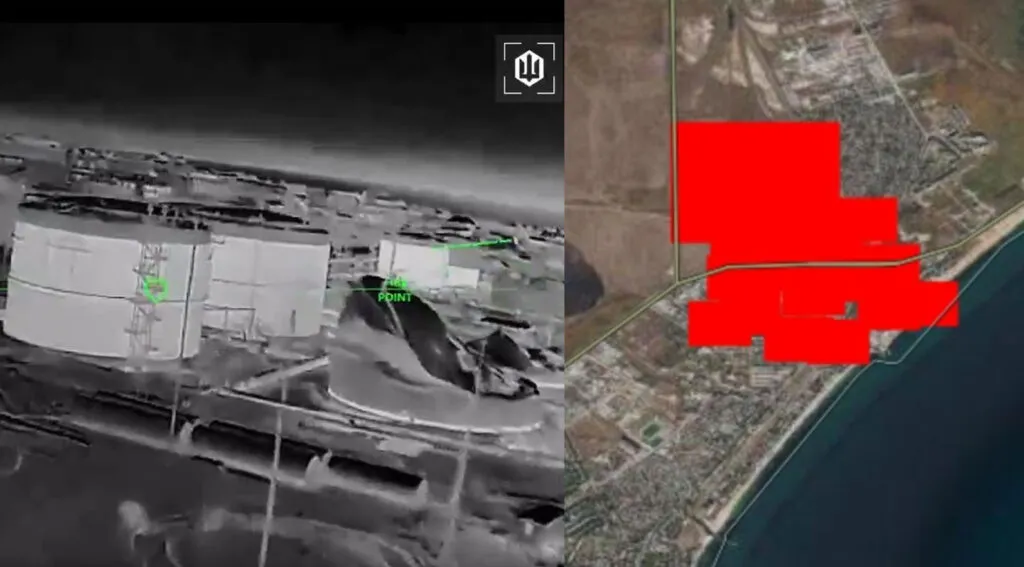
Ukraine Unleashes Long-Range Strikes, Crippling Russian Oil Hubs and Air Defenses Ukraine is conducting a coordinated campaign of deep strikes, systematically targeting critical Russian oil infrastructure and advanced air defense systems far behind the front lines, new attacks and military footage reveal. The strategy aims to choke off the revenue funding Russia's war machine and degrade its ability to protect key assets. In one of the most significant recent strikes, Ukrainian forces set the massive Feodosiia Marine Oil Terminal in Crimea ablaze, with the fire visible from more than 20 kilometers away and confirmed by NASA satellite data [123982]. This facility is a major fuel logistics hub for Russian forces in the occupied south. Simultaneously, Ukrainian drones have repeatedly hit the Ust-Luga complex, a vital Russian oil terminal on the Baltic Sea that processes fuel for export [123057]. These attacks have caused significant fires and disrupted operations, demonstrating Ukraine's growing capability to strike economic targets hundreds of miles from Ukrainian territory. In a separate development, the Ukrainian military has deployed a powerful new weapon for the first time. The navy released video showing the combat use of a Swedish-made RBS 15 cruise missile, a "sea-skimmer" known for flying as low as two meters above water to evade radar [123056]. While designed to sink warships, Ukraine fired the missile from a ground-based launcher, showcasing its adaptable use of Western-supplied long-range systems. Further east, in occupied Luhansk Oblast, Ukrainian forces successfully destroyed several high-value Russian air defense units, including a Buk-M3 and a Tor-M2 missile launcher [123982]. They also struck a Zoopark-1M counter-battery radar, a system used to locate the origin of Ukrainian artillery fire. A military spokesperson described eliminating this radar as a priority, calling it "a fierce enemy" of Ukrainian gunners [123982]. In response to the damage inflicted by these strikes, President Volodymyr Zelensky has publicly proposed a mutual "energy ceasefire" to Russia, offering to halt attacks on Russian energy infrastructure if Moscow stops targeting Ukrainian power plants and electrical grids [122336]. The offer was communicated through United States mediators. The proposal follows Ukrainian assessments that their long-range strikes have disabled a significant portion of Russia's seaborne oil export capacity [122398]. Ukraine Strikes Russian Oil Hub, Hunts Air Defenses Deep in Occupied Territory Ukraine Targets Russia's Baltic Oil Lifeline Ukraine Fires Swedish "Sea Skimmer" Missile in Combat Debut Ukraine Proposes "Energy Truce" to Russia, Zelensky Says Ukraine Proposes "Energy Ceasefire" After Hitting Russian Oil

Global Powers Lock In New Scramble for African Ports and Minerals
Global Powers Lock In New Scramble for African Ports and Minerals
A quiet but intense competition is unfolding across Africa as major world powers secure strategic ports and lock down supplies of critical minerals, reshaping the continent's economic and security landscape [123980][87433][83553].
While public summits discuss trade and development, nations including Russia, China, the United States, and Gulf states are pursuing concrete deals for naval access and resource rights [87433][11355]. This modern-day "scramble" is driven by the global demand for minerals essential for electric vehicles and advanced technology, coupled with a search for secure military and trade hubs [83553][123980].
In a landmark move, Russia recently finalized a sweeping agreement with Mozambique, granting it extensive mining rights for battery-grade graphite and cobalt, alongside operational control of the deep-water port of Pemba on the Indian Ocean [123980]. Analysts note the deal simultaneously secures vital resources and provides Russia with a strategic naval and logistics foothold in a region where its presence was previously minimal [123980].
This activity mirrors a broader pattern. In the Horn of Africa, Ethiopia's urgent quest for sea access has drawn a flurry of engagement from foreign powers eager to expand their military and economic presence along the coast [87433]. Similarly, in West Africa's Sahel region, the rapid expansion of Russia's military influence, following the expulsion of French forces, has triggered a high-stakes contest with the United States for security partnerships [67411].
The push extends beyond security to the core of the global green transition. A "silent race" is on for Africa's lithium, cobalt, and rare earth elements, with nations and corporations seeking direct access to deposits [83553]. Experts warn that without coordinated action by African regional blocs, individual countries risk being pressured into deals that fail to deliver lasting local benefits [83553].
The collective effect is a continent where high-level diplomatic partnerships are increasingly backed by concrete, long-term strategic investments in infrastructure and resources, placing African nations at the center of renewed geopolitical rivalry [11355][87433].
Russia Secures Key Minerals, Strategic Port in Africa
Global Powers Rush for Africa's Coast as Ethiopia Seeks a Port
The New Scramble: Africa's Minerals and the Silent Race
U.S. and Russia in High-Stakes Scramble for Africa's Sahel
EU-Africa Summit Focuses on Trade and Minerals Amid Global Tensions

Turkey's Roma Mark World Day With Demands for Real Equality and Action
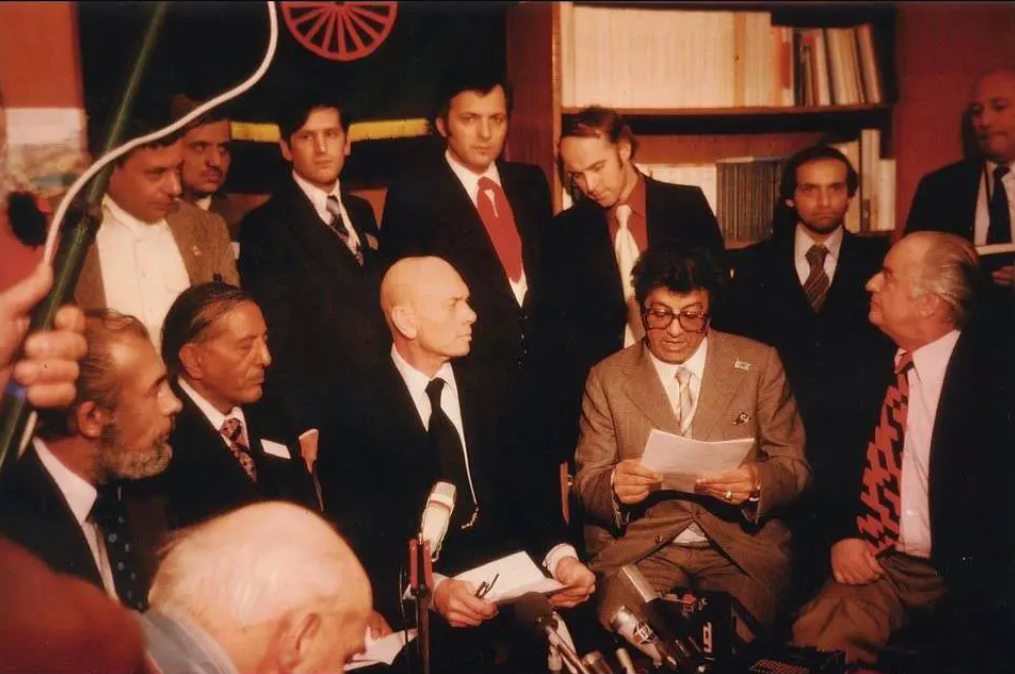
Turkey's Roma Mark World Day With Demands for Real Equality and Action On World Roma Day, Roma communities and their advocates in Turkey and beyond issued forceful calls for governments to move beyond symbolic gestures and enact concrete policies to end systemic discrimination. The demands center on direct inclusion in policymaking and tackling the severe poverty and rights violations that persist. The Peoples and Faiths Commission of Turkey's DEM Party marked April 8 by calling for "equal citizenship, justice, and a dignified life" for the Roma people, drawing attention to persistent rights violations [124006]. Echoing this, the international Roma rights organization Romani Godi issued a stark critique, stating that effective policy cannot be made *about* Roma people but must be developed *with* them to address "multi-layered discrimination" [124005]. The group emphasized that young people, women, and LGBTQ+ individuals within Roma communities often face the strongest inequalities [124005]. The shared message from both political and civil society groups was a demand for a shift from discussion to binding action. The calls come amid a broader debate on identity and acceptance. Experts note that some Dom people feel pressured to identify as Romani for wider acceptance, arguing that true equal citizenship requires a system that recognizes and respects self-identified differences [123723]. While World Roma Day is internationally observed to celebrate Roma culture, this year's statements underscored a pressing agenda focused on tangible legal and social change to combat deep-rooted marginalization. Turkish Party Marks World Roma Day, Calls for Equality and Justice Roma Rights Group: "Stop Making Policy About Us, Start Making It With Us" **Title:** Who Must You Be? The Fight for Names and Equal Citizenship

Pentagon Defends Back-to-Back Strikes and Caribbean Ops, Citing Law and "Fog of War"
Pentagon Defends Back-to-Back Strikes and Caribbean Ops, Citing Law and "Fog of War" The U.S. Department of Defense is mounting a public defense of recent military actions, justifying controversial strikes and asserting the legality of ongoing operations amid legal and political scrutiny. In one incident, U.S. Secretary of Defense John Hegseth defended a naval engagement where forces struck the same target twice. Hegseth attributed the decision to the "fog of war," a term for the confusion inherent in combat, and stated he fully supported the commander's choice to fire again to "eliminate the threat" [17273]. Separately, the Pentagon has publicly backed a senior commander's decision to authorize recent military strikes in Venezuela. A spokesperson stated that the actions "were approved by the best military and civilian lawyers throughout the chain of command," confirming a rigorous legal review preceded the operation [17258]. Concurrently, a senior defense official, Pete Hegseth, has stated that ongoing American military activities in the Caribbean are lawful. "Our current operations in the Caribbean are lawful under both U.S. and international law," Hegseth said, directly addressing questions about the mission's legal foundation [15064]. The justifications come as the Pentagon faces a lawsuit from media organizations over new rules restricting some press access. Officials defended the policy, saying it is necessary to "stop activity that could compromise national security" [64596]. On Capitol Hill, the political battle over military authority continues. Senate Republicans are taking steps to block a Democratic effort to repeal the 2001 war powers resolution used for the recent Venezuela operation, arguing such a move would weaken presidential authority during ongoing threats [50051]. Pentagon Defends Second Strike in "Fog of War" Incident Pentagon Defends Commander's Decision in Venezuela Strikes Pentagon Official Defends Legality of Caribbean Operations Pentagon Cites National Security in Media Lawsuit Defense Senate Republicans Move to Shield Trump's War Powers

35 Candidates, One Vote: Peru's Chaotic Presidential Race
**35 Candidates, One Vote: Peru's Chaotic Presidential Race** Peruvians head to the polls this Sunday to elect a new president, facing a staggering choice of 35 candidates amid a national crisis of crime and political instability [123668]. The election underscores deep public frustration with the country's traditional political class. Peru has been rocked by multiple short-lived presidencies in recent years, many ending in scandal [123668]. The overwhelming number of options on the ballot reflects a fragmented political landscape where, as one voter put it, "Now any old person runs for office" [123668]. A handful of candidates have risen to prominence in the crowded field. They include a popular comedian, the daughter of a former dictator, and a former mayor of the capital, Lima [123668]. With no clear frontrunner, the election is widely expected to go to a runoff vote between the top two finishers. The vote comes as the nation grapples with severe challenges, including high crime rates and economic uncertainty. The outcome will determine who leads Peru's efforts to restore stability and public trust after years of turmoil [123668]. **35 Candidates, One Vote: Peru's Chaotic Presidential Race**


Latest Articles

2028 Race Begins: Democrats Court Black Voters in New York
Top Democratic figures are already campaigning in New York this week. Their target: influential African American activists and leaders. This early p...

Diddy Appeals Federal Prison Sentence
Hip-hop mogul Sean "Diddy" Combs will appear before a federal appeals court on Thursday. He is formally challenging his recent criminal conviction an...
Over 1,000 Aid Workers Killed in Three Years, UN Told
A shocking new report reveals a deadly crisis for humanitarian workers. At least 326 aid workers were killed on duty across 21 countries in 2025 alon...
French Court Delays Ruling on Rwandan First Lady's Genocide Case
A French court has delayed its decision on whether to drop genocide charges against Agathe Habyarimana. She is the widow of former Rwandan President...
World Bank Uses "Outdated" Data on Mozambique, Says Finance Minister
Mozambique's Finance Minister has publicly criticized the World Bank. Carla Louveira accused the institution of using old statistics in its latest re...
Museveni's Seventh Term: Uganda's President Set for 2026 Inauguration
President Yoweri Museveni will be sworn in for a seventh term on May 12, 2026. The ceremony follows his victory in Uganda's presidential election on...
Water Promises Dry Up: 9 Years Later, Boreholes Sit Silent
Residents of several Eastern Cape villages are still waiting for clean water, nine years after boreholes were installed to solve the crisis. The bor...
U.S. Warns Citizens Against Travel to Nigeria Amid Base Negotiation Concerns
The United States has issued a stark new travel advisory for Nigeria, warning its citizens not to visit the country due to the threat of terrorism an...
South Africa's Sugar Farmers Crushed by Cost Crisis and Cheap Imports
Thousands of small-scale sugar farmers in South Africa are being forced out of business. Soaring fuel prices have made essential supplies like fertil...
Uganda to Launch First Climate Watchdog Satellite
Uganda plans to launch its own climate-monitoring camera into space this year. The announcement was made by the country's Minister for Science, Techn...
Uganda's Youth Trapped: Govt Names Legal Job Agencies Amid Trafficking Fears
The Ugandan government has published an official list of licensed labor export companies. This move aims to protect young citizens from illegal recru...
Nigerian Power Firms Lose Billions as Bills Go Unpaid
Nigeria's electricity distribution companies are failing to collect billions in revenue, new data reveals. The companies, known as DisCos, received...
Two Firms Collect R143 Million Monthly From South African Welfare Grants
Two major insurance companies collect R143 million every month from South Africa's poorest citizens. The money is automatically deducted from their w...
Sudan Army Accused of Torture, Ethnic Targeting
A new report from Human Rights Watch (HRW) accuses the Sudanese Armed Forces (SAF) of widespread abuses against civilians. The international rights g...
Kenya Braces for Nationwide Protests Over "Bad Fuel" Imports
A leading Kenyan rights group is threatening mass street protests. It is demanding action over claims that substandard fuel is being imported into th...
Death Toll Rises to 33 in Nigeria's Plateau State Attack
The number of people killed in a Palm Sunday attack in central Nigeria has increased to 33. The assault targeted the Anguwan Rukuba community in Plat...
Trump Blames "Fake News" from Nigeria for Iran Ceasefire Report
U.S. President Donald Trump has accused an unnamed Nigerian media outlet of publishing a false report about a ceasefire between the United States and...
Cape Town's "Unfair" Budget: Wealthy Subsidized, Poor Pay More
The city of Cape Town has passed a controversial new budget. Critics say it unfairly raises costs for the poor while giving benefits to wealthier res...
Senegal's Vanishing Villages: A Decade-Long Crisis with No Plan
For over ten years, rising seas have forced thousands of Senegalese from their homes. They are climate refugees. Yet, the government still has no nat...
Nairobi CBD Traffic Alert: President's Visit to Cause Major Disruptions
Police warn of significant traffic disruptions in central Nairobi today. President William Ruto will hold day-long activities in the city's Central...