Global Trade Splinters as Geopolitics and AI Redraw the Economic Map
Global Trade Splinters as Geopolitics and AI Redraw the Economic Map A fundamental rewiring of global commerce is underway, driven by geopolitical rivalry and the strategic pursuit of artificial intelligence (AI) supremacy. Nations and corporations are abandoning decades of prioritizing low-cost efficiency, instead forging trade links based on political alliances and supply chain security—a shift experts warn will fragment the global economy and likely increase costs for consumers [124556]. This transformation mirrors a similar fragmentation that reshaped global finance in the early 21st century. The new doctrine, often called "friendshoring" or "regionalization," means countries are actively moving supply chains to politically friendly nations, even if it is more expensive [124556][123918]. The push is accelerated by the view of AI as a "general-purpose technology" critical to both economic dominance and national security. This has triggered a race for government investment, particularly in semiconductor manufacturing, further tying trade policy to technology strategy [123918]. The combined effect breaks the old economic orthodoxy, where free trade and financial rebalancing were the primary goals [123918]. The economic shockwaves from ongoing conflicts are cementing this shift. Analysts warn that the damage to global trade, energy costs, and supply chains will create long-term "economic shocks" that could persist for years, even after fighting stops. Historical parallels, such as the decade-long fallout from World War I, suggest these fractured trade alliances and redirected investments are not easily reversed [124481]. The consequences are already being felt. Kenya's private sector slid into contraction in March, ending seven months of growth, with businesses citing both domestic pressures and supply disruptions linked to Middle East conflict [123599]. In Germany, transport firms facing financial strain from the same war's impact on energy and supply chains are part of a debate on decriminalizing fare evasion to reduce court burdens [122780]. Meanwhile, major economies are making pivotal domestic choices that reflect the new priorities. China is executing a painful, fundamental redesign of its massive property sector, deliberately shrinking its role as the main growth engine to reduce financial risk, despite short-term economic pain [118216]. In Botswana, the government is reforming land management to prioritize economic viability and job creation over simply distributing plots, aiming to diversify beyond diamond mining [85213]. The result is a global economic landscape where trade, technology, and national security are increasingly inseparable, setting the stage for a more expensive and politically divided era of commerce [124556][123918]. Global Trade is Being Rewired, Just Like Finance Was AI and Rivalry Redraw the World's Economic Map Beyond the Battlefield: A War's Economic Shock Could Last for Years Kenya's Economy Contracts as Middle East War Hits Home Germany Considers Decriminalizing Fare Evasion as Transport Firms Feel Economic Strain China's Real Estate Revolution: No Bailout, Just a Rebuild Botswana Shakes Up Land Rules: From Counting Plots to Creating Jobs
Articles in this Cluster
Beyond the Battlefield: A War's Economic Shock Could Last for Years

Global Trade is Being Rewired, Just Like Finance Was
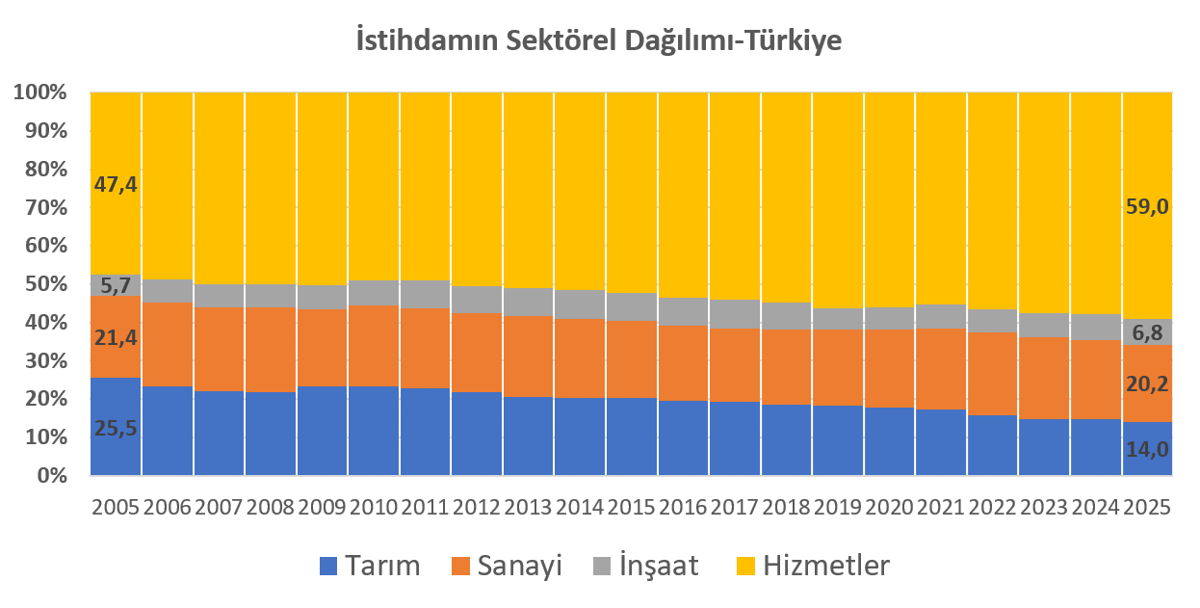
Farm Jobs Vanish, Widening Inequality in Turkey's East

France's €7 Billion Black Market: The Hunt for Undeclared Labor

Hong Kong Moves to Seize Jimmy Lai's Properties

Satellites vs. Sprawl: Rwanda's High-Tech Fight for Farmland
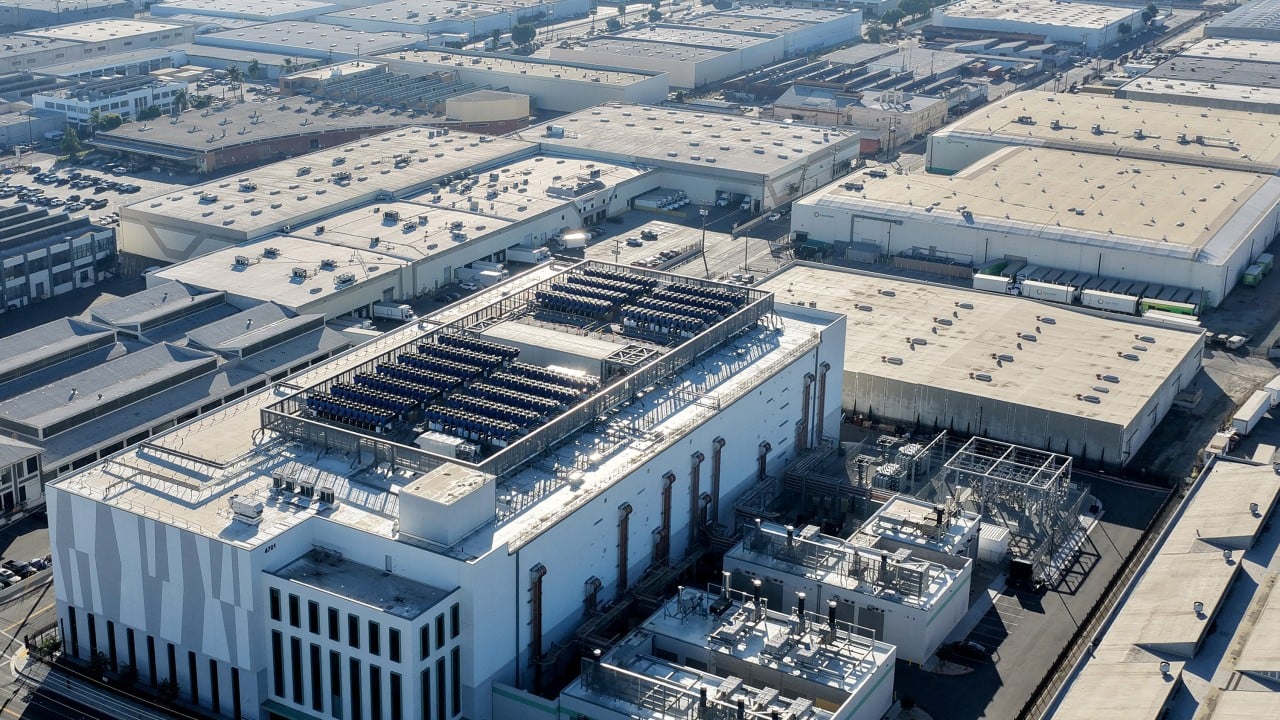
AI and Rivalry Redraw the World's Economic Map
Turkey Sells State Assets: 15 Properties in 8 Cities for as Low as $150

Kenya's Economy Contracts as Middle East War Hits Home

2026 Economy: Five Critical Questions
Botswana Shakes Up Land Rules: From Counting Plots to Creating Jobs
Trump's Venezuela "Loot" Plan Risks U.S. Economic Power
Economics in 2024: A Strange Brew of Tariffs, AI, and "Vibecession"
Germany Considers Decriminalizing Fare Evasion as Transport Firms Feel Economic Strain