Global Fuel Crisis Deepens as War and Blockade Send Prices Soaring Worldwide
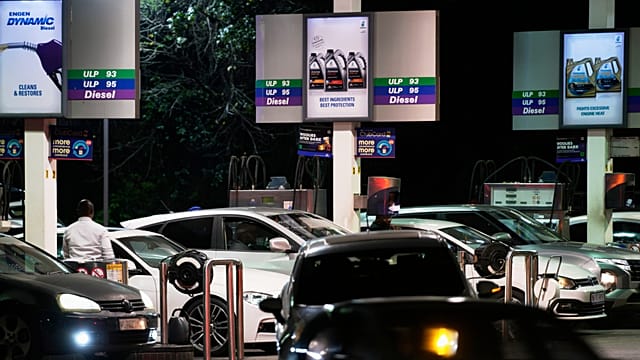
Global Fuel Crisis Deepens as War and Blockade Send Prices Soaring Worldwide A surge in global fuel prices, driven by conflict in the Middle East and the blockade of a critical oil passage, is straining economies and alarming consumers from Europe to Africa to Asia. The disruption has triggered government emergencies, record-breaking prices at the pumps, and warnings of worse to come if the situation persists [123168][123851][122922]. The immediate catalyst is the war in Iran and the subsequent closure of the Strait of Hormuz, a narrow sea lane that normally handles about one-fifth of the world's seaborne oil shipments [124488][123168]. This blockade has choked off a major supply route, sending crude oil prices sharply higher on international markets [122922][95663]. The impact is being felt globally. In Germany, the price of diesel has surged past 2 euros per litre, a record high that has prompted the nation's largest automobile association to demand a temporary cut in fuel taxes [122922]. Similarly, in Belgium, diesel is predicted to hit a historic peak of 2.90 euros per litre, placing severe pressure on transport companies and drivers [122941]. The crisis is particularly acute for nations heavily reliant on imports. Madagascar has declared a state of emergency due to severe fuel shortages linked to the supply disruption, with the government fearing public disorder [123851][123416]. In South Africa, drivers raced to fill their tanks ahead of a record price hike, with one earlier warning predicting an increase of up to 8 Rand per litre. Even a government tax cut failed to prevent one of the steepest pump price increases in the country's history [117884][95663][117581]. China, which sets official fuel prices based on international costs, recently imposed its largest single price increase of 2024, leading to long queues at stations [109102]. The spike is now pushing the country's transport industry toward a breaking point, with trucking companies considering parking their vehicles as profits vanish, threatening supply chain gridlock [124488]. Analysts warn the situation could deteriorate further. A report from J.P. Morgan suggests U.S. gasoline prices could reach $5 per gallon if the Strait of Hormuz remains closed, pushing costs toward the national record [123168]. The blockade has also caused environmental damage, with satellite images showing an oil spill from a damaged Iranian ship heading toward a protected wetland in the region [123126]. While a reported ceasefire between the U.S. and Iran has raised hopes for stabilizing oil markets and lowering prices, the relief for consumers has not yet materialized at pumps worldwide [123858][124333]. China's Truckers Park Up as Fuel Crisis Bites Germany's Diesel Hits Record High, Drivers Demand Tax Break Madagascar Declares Emergency: No Fuel, Fears of Chaos Madagascar Declares Emergency as Iran War Hits Fuel Supply South Africa Braces for Record Fuel Price Surge Diesel Shock: Belgian Prices Set to Break Record U.S. Gas Prices Could Hit $5 if Key Oil Passage Remains Closed Drivers Race to Pumps Ahead of China's Biggest Fuel Price Jump of 2024 South Africa Braces for R8/Litre Petrol Shock South Africa Cuts Fuel Tax, But Drivers Still Hit by Record Price Hike Oil Slick From Bombed Iranian Ship Heads for Protected Wetland US-Iran Ceasefire: Will Gas Prices Finally Fall?
Articles in this Cluster
China's Truckers Park Up as Fuel Crisis Bites

U.S. Gas Prices Rise Despite Falling Oil Costs

US-Iran Ceasefire: Will Gas Prices Finally Fall?
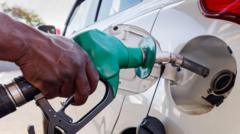
Madagascar Declares Emergency: No Fuel, Fears of Chaos
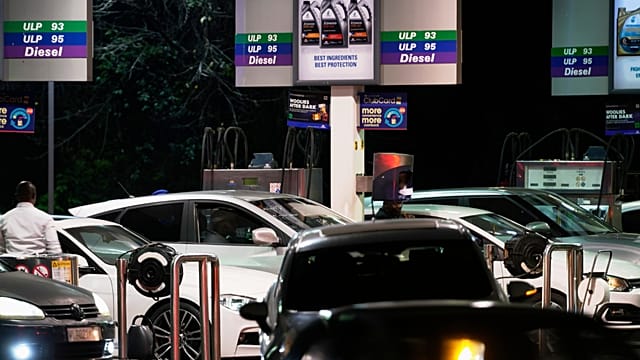
South Africa Braces for Record Fuel Price Surge

Germany's Diesel Hits Record High, Drivers Demand Tax Break

Madagascar Declares Emergency as Iran War Hits Fuel Supply

Diesel Shock: Belgian Prices Set to Break Record

U.S. Gas Prices Could Hit $5 if Key Oil Passage Remains Closed
Oil Slick From Bombed Iranian Ship Heads for Protected Wetland

Drivers Race to Pumps Ahead of China's Biggest Fuel Price Jump of 2024

Diesel Shock: Why France Can't Escape Soaring Fuel Prices
Bad Fuel in Kenya: Could Your Car Be Next?
South Africa Braces for R8/Litre Petrol Shock