Latest News
Stay updated with the latest news and articles
Top Stories
Turkey Takes Charge: Commands Key NATO Forces and Deploys Troops for Major 2024 Drills
Turkey Takes Charge: Commands Key NATO Forces and Deploys Troops for Major 2024 Drills Turkey is assuming a more prominent role within the North Atlantic Treaty Organization (NATO), taking command of a major naval strike force and deploying thousands of troops for the alliance's largest exercise this year [54453][70222]. The Turkish Naval Forces formally took command of the NATO Amphibious Task Force and its Landing Force Command on July 1. This command, which will last for one year, puts Turkey in charge of planning and leading NATO exercises and potential missions involving complex assaults from sea to land [54453]. Simultaneously, the first Turkish military aircraft have landed in Germany, marking the start of Turkey's substantial participation in the Steadfast Defender 24 exercise [70222]. Approximately 2,000 Turkish troops are deploying to Germany’s Wunstorf Air Base for the drills, which run from February 8 to February 20 across Europe [70222]. This exercise is a key part of NATO's broader reinforcement of its eastern flank and tests the alliance's rapid deployment capabilities [70222]. In a separate but related NATO exercise, Turkish naval and army units are already conducting joint amphibious operations in Germany as part of Steadfast Dart 2026 [80228]. A notable feature of Turkey's involvement in these drills is the operational use of its own domestically produced defense platforms, showcasing national technology on a multinational stage [80228]. These developments highlight Turkey's active and expanding military role within the NATO alliance, from assuming strategic command positions to contributing significant personnel and equipment to critical readiness exercises. Turkey Assumes Command of Key NATO Naval Strike Force NATO's Biggest 2024 Drill Begins with Turkish Troops Landing in Germany Turkish Forces Deploy Homegrown Tech in Major NATO Drill



Allies Flood Ukraine with Drones as Missile Barrage Intensifies
Allies Flood Ukraine with Drones as Missile Barrage Intensifies Western nations are rushing a massive infusion of military drones to Ukraine, aiming to counter a fierce Russian air assault and solidify Kyiv’s advantage in a conflict increasingly dominated by unmanned warfare. The surge in support comes as Russia launched one of its largest bombardments of the war, firing over 300 missiles and drones at Ukrainian cities and energy infrastructure in a single wave [130033]. The United Kingdom announced its largest military aid package of the year, pledging to send more than 120,000 drones to Ukrainian forces [130076]. This commitment was made during a meeting of 43 nations coordinating arms for Ukraine, where allies also promised hundreds of thousands of artillery shells and thousands of air defense missiles [130076]. The drone shipment addresses a critical shift on the battlefield, where unmanned aerial vehicles have become the most common weapon. A United Kingdom intelligence assessment found that in March 2024, drones were responsible for 96% of Russian casualties, the highest monthly casualty rate of the war so far [130076]. This drone coalition is expanding rapidly. In a separate move, Ukrainian President Volodymyr Zelenskyy made a surprise visit to Oslo, where he signed a secretive joint declaration with Norway and Denmark to form a specialized “drone coalition” aimed at significantly increasing the number of unmanned aerial vehicles for Ukraine [129089]. The push for drones coincides with major new commitments to bolster Ukraine’s air defenses, which are being heavily tested. Germany has signed a landmark, long-term defense agreement with Ukraine worth billions, which includes the immediate pledge of 100 Patriot air defense missiles and a promise to supply “hundreds” more [129088][128844]. The broader German package, valued at $4.7 billion, focuses on three key areas: strengthening air defense, developing Ukraine’s capacity for long-range strikes, and the joint production of drones [128964]. Ukraine is also advancing its own long-range strike capabilities. The country recently unveiled a new domestically produced attack drone named “Sichen,” which has an operational range of 1,400 kilometers, allowing it to reach deep into Russian territory [128846]. This capability was demonstrated when a Ukrainian long-range drone successfully struck a major Russian petrochemical plant in Bashkortostan, over 1,300 kilometers from the front line. The facility produces synthetic rubber for Russia’s military and civilian tire industry [129500]. The intensified Western support follows devastating Russian attacks on Ukrainian urban areas. In one recent escalation, a Russian warplane dropped a FAB-1500, a bomb weighing 1,500 kilograms, on the city of Sloviansk, destroying multiple civilian buildings [129634]. UK to Send 120,000 Drones to Ukraine as Drone War Rages Ukraine to Get 120,000 Drones as Russia Fires 324 Missiles Ukrainian Drone Strikes Russian Tire Factory Over 1,300km From Front Line Ukraine Secures $4.7 Billion German Arsenal: Drones, Air Defense, Long-Range Strikes Zelenskyy Flies to Oslo, Signs Secretive "Drone Deal" with Norway and Denmark Germany to Send 100 Patriot Systems in Historic Ukraine Pact Germany to Supply "Hundreds" of Patriot Missiles to Ukraine in Major Deal Ukraine Unveils "Sichen," a Long-Range Drone Named for Russia's Cruelest Month Germany Pledges Air Defense and Long-Range Weapons in New Ukraine Pact
Global Powers Scramble for Africa's Resources and Influence as 2026 Elections Loom for 400 Million Voters
Global Powers Scramble for Africa's Resources and Influence as 2026 Elections Loom for 400 Million Voters A strategic competition for Africa's resources, ports, and political alliances is intensifying among global powers, even as the continent prepares for a historic wave of elections that will test its democratic trajectory. The geopolitical landscape is being reshaped by a renewed "scramble" for influence, particularly in the Horn of Africa and the Sahel region. At a recent African Union summit in Addis Ababa, discussions on water security were overshadowed by Ethiopia's aggressive pursuit of direct sea access and the rush of foreign powers—including the United States, China, Turkey, and Gulf states—seeking naval bases and trade partnerships along Africa's coast [87433]. Simultaneously, Russia is rapidly expanding its military footprint in West Africa's Sahel region. Following a series of coups d'état in Mali, Niger, and Burkina Faso, new military governments have expelled French forces and turned to Russia's "Africa Corps" for security support, forcing the U.S. to urgently revise its diplomatic and counter-terrorism strategy in the area [67411]. This shift occurs as European Union unity on foreign policy faces internal challenges from a growing bloc of skeptical leaders, potentially affecting its engagement with Africa [129802]. Amid this external rivalry, African institutions are pushing for greater economic sovereignty. Ethiopia and the African Export-Import Bank (Afreximbank) are holding high-level talks focused on boosting continental self-reliance and strengthening trade between African nations [127881]. This drive for agency will be tested during a historic "mega-election" year in 2026, when nearly 20 nations, including Ghana, Kenya, and South Africa, are scheduled to hold votes. An estimated 400 million Africans will be eligible to cast ballots, though elections in countries currently led by military juntas, like Mali and Burkina Faso, remain uncertain [129305]. The external competition extends to resource extraction and trade. A major European Union-Africa summit recently focused on strengthening partnerships centered on trade and critical mineral resources, a response to the growing influence of other global powers on the continent [11355]. Furthermore, instability in the Middle East is pushing global oil buyers to seek more secure suppliers, with analysts predicting a significant rise in demand for oil from Nigeria and other African producers [121967]. In response to these intertwined challenges, African leaders are planning a major summit in April 2026 in Johannesburg. Organized by the African Union Commission, the meeting of the Specialised Technical Committee (STC) aims to create unified continental policies for critical energy and transport infrastructure projects [129879]. Global Powers Rush for Africa's Coast as Ethiopia Seeks a Port U.S. and Russia in High-Stakes Scramble for Africa's Sahel Ethiopia, Afreximbank Push for Africa to "Feed Itself" Africa's 'Mega-Election' 2026: 400 Million Voters to Decide Continent's Path EU-Africa Summit Focuses on Trade and Minerals Amid Global Tensions Middle East Turmoil Shifts Oil Focus to Africa Africa's Energy and Transport Future Decided in 2026 Summit
UK Faces UN "Crimes Against Humanity" Complaint Over Forced Island Removal
UK Faces UN "Crimes Against Humanity" Complaint Over Forced Island Removal
The United Kingdom is facing a formal complaint of crimes against humanity at the United Nations over its historic expulsion of the Chagossian people from their Indian Ocean homeland [130039].
The complaint, filed with the UN, centers on the forced displacement of islanders from the Diego Garcia archipelago in the 1960s and 1970s to make way for a major U.S. military base [130039]. The indigenous Chagossians, also known as the Ilois, were sent to Mauritius and the Seychelles and have fought for decades for the right to return [130039].
The action increases international pressure on Prime Minister Keir Starmer's government, creating a significant diplomatic challenge that pits strategic security concerns against the rights of the displaced islanders [130039]. While the UK government has previously expressed regret over the removals, it has cited security and feasibility issues as barriers to resettlement [130039].
The UN will now review the complaint, which accuses the UK of a continuing human rights violation by preventing the Chagossians' return to their territory [130039].
UK Faces UN "Crimes Against Humanity" Complaint Over Islanders' Removal

Pentagon Defends Back-to-Back Strikes and Caribbean Ops, Citing "Fog of War" and Legal Reviews
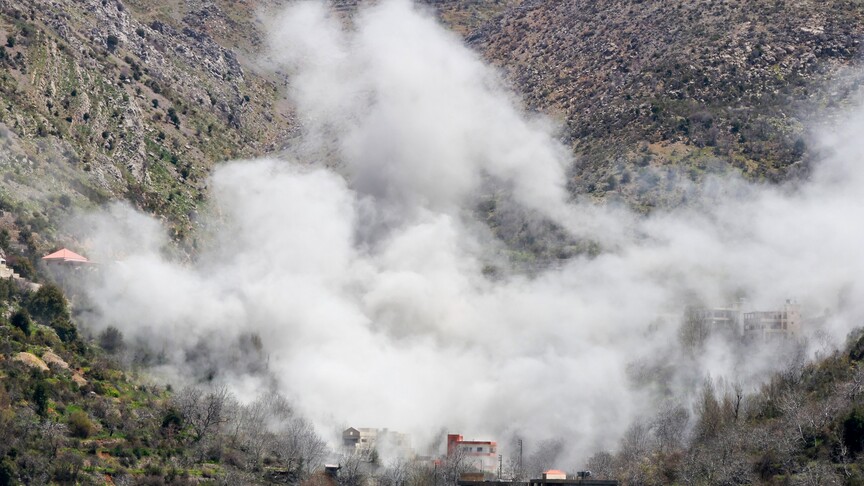
Pentagon Defends Back-to-Back Strikes and Caribbean Ops, Citing "Fog of War" and Legal Reviews The U.S. Department of Defense is mounting a robust, multi-front defense of recent military actions, from specific combat decisions to broad legal authorities, amid ongoing operations in volatile regions. In one incident, Secretary of Defense John Hegseth defended a naval engagement where forces struck the same target twice [17273]. Hegseth described the decision as occurring in the "fog of war," a term for the confusion of combat, and stated he fully supported the commander's choice to fire again to "eliminate the threat" [17273]. Separately, the Pentagon has publicly backed a senior commander's decision to authorize recent strikes in Venezuela, stating that Admiral Bradley's actions followed proper legal procedures [17258]. A spokesperson confirmed the operations "were approved by the best military and civilian lawyers throughout the chain of command" [17258]. This legal defense extends to other theaters, as senior defense official Pete Hegseth asserted that ongoing U.S. military actions in the Caribbean are "lawful under both U.S. and international law" [15064]. On Capitol Hill, these military actions have triggered a political battle over presidential war powers. Senate Republicans are taking a rare procedural step to shield the legal authority used for a recent Venezuela operation, aiming to block a Democratic effort to repeal the 2001 Authorization for Use of Military Force (AUMF) that justified it [50051]. Republicans argue the repeal would weaken executive authority during ongoing threats [50051]. Concurrently, the Pentagon is citing national security to justify new rules restricting some media outlets, a move challenged in a lawsuit by The New York Times [64596]. Officials stated the policy is needed to "stop activity that could compromise national security" [64596]. Pentagon Defends Second Strike in "Fog of War" Incident Pentagon Defends Commander's Decision in Venezuela Strikes Pentagon Official Defends Legality of Caribbean Operations Senate Republicans Move to Shield Trump's War Powers Pentagon Cites National Security in Media Lawsuit Defense
France's Local Elections Set Stage for High-Stakes Presidential Showdown
France's Local Elections Set Stage for High-Stakes Presidential Showdown
Voters across France cast ballots on Sunday in the decisive second round of municipal elections, a critical national test that will shape alliances and momentum heading into next year's presidential race. With key cities like Paris and Marseille up for grabs, the results signal a political landscape increasingly defined by competition between a resurgent far right and a newly unified left-wing bloc [103520][108245][108214].
More than 48 million registered voters were eligible to participate in the two-round election to choose mayors and local councils for over 34,000 towns and cities [103520]. While the first round last week decided many smaller municipalities, runoffs were required in larger urban areas where no candidate secured a majority [108245].
The far-right National Rally party scored significant gains in the first round, demonstrating its growing local appeal [108214]. Simultaneously, the recently formed left-wing coalition, the New Popular Front, also posted a strong performance, setting the stage for Sunday's head-to-head contests [108214]. Analysts widely viewed the local elections as a crucial preview of the 2027 presidential campaign, with parties jockeying for position and testing voter sentiment on national issues like security and the economy [103079][108245].
Electoral alliances proved to be a decisive factor in the runoff. Candidates scrambled to secure backing from eliminated opponents to build winning coalitions [108245]. The final results will determine control of local budgets and policies on housing, schools, and urban planning, offering a concrete measure of each political bloc's strength at the grassroots level [103520][108214].
A strong finish for the National Rally would indicate deepening voter acceptance and solidify its status as a leading contender for the presidency. Conversely, a robust showing for the New Popular Front would demonstrate the left's capacity to mobilize and challenge President Emmanuel Macron's center in a national vote [108214]. The outcomes from cities and towns across the nation provide the first major dataset on the shifting political mood one year before the country chooses its next leader [103079].
France Votes: Millions Choose Local Leaders in Key Elections
France's Presidential Preview: Local Elections Begin Nationwide
French Voters Decide Paris, Marseille Mayors in Key Presidential Preview
French Far Right and Far Left Vie for Power in Local Elections

Iran Threatens to Shut Down World's Oil Lifeline as U.S. Blockade Tightens
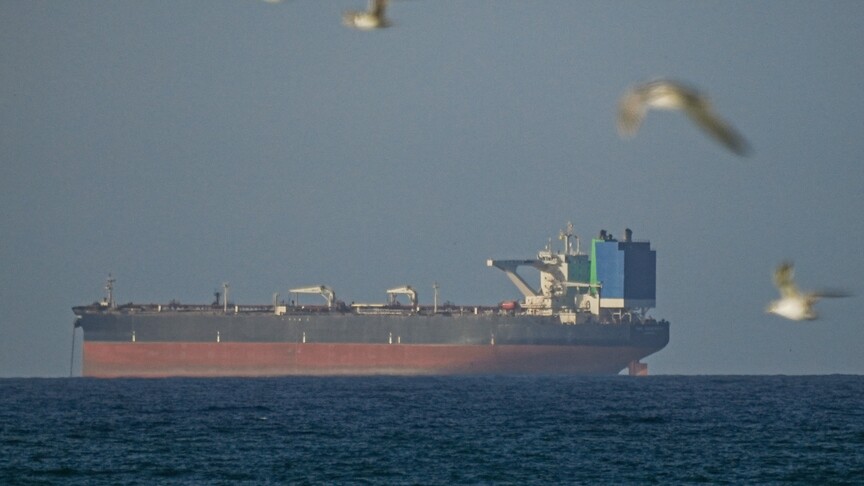
Iran Threatens to Shut Down World's Oil Lifeline as U.S. Blockade Tightens Iran has threatened to completely close the world's most critical oil shipping lanes, escalating a confrontation with the United States that is already disrupting global energy supplies and threatening the world economy. The Iranian military warned it would halt all exports and imports across the Persian Gulf, the Sea of Oman, and the Red Sea if the U.S. does not lift its naval blockade of Iranian ports [129934][129516]. These waterways, particularly the narrow Strait of Hormuz off Iran's coast, are transit routes for approximately one-fifth of the global oil supply [129953]. The threat follows a U.S. blockade aimed at enforcing sanctions on Iranian oil exports, which has led to a dangerous game of cat-and-mouse in the region. Ships linked to Iran have begun "spoofing" their locations—broadcasting false digital signals to mask their true movements—complicating monitoring efforts in the already tense Strait of Hormuz [129482]. The economic fallout is spreading rapidly. A new report from the Organization of the Petroleum Exporting Countries (OPEC) shows a sharp drop in Middle Eastern oil production since the conflict began [128703]. The International Monetary Fund (IMF) has slashed its global growth forecast, warning the war could trigger a severe worldwide recession if it expands, with oil prices predicted to skyrocket [128821][129086]. The damage is not just theoretical. A top global energy official stated that more than 80 energy facilities across the Middle East have been damaged in recent conflicts, with over one-third severely impacted. Restoring regional energy supplies to pre-crisis levels could take up to two years [127749]. While Iran and Oman held urgent talks calling for a ceasefire in a separate conflict in Gaza [128407], the core maritime standoff between Iran and the U.S. continues to intensify. The situation shows how a regional confrontation is creating immediate global consequences, disrupting trade, spiking energy costs, and introducing profound uncertainty into world markets [129803][129561]. Iran Proposes "Special Regime" to Control Key Global Oil Passage Iran Threatens to Block Key Global Shipping Lanes Iran-Linked Ships "Spoof" Locations as US Blockade Tightens Iran Threatens Red Sea Blockade as Israel-Hezbollah Clashes Escalate Middle East Oil Output Plummets Amid Iran Conflict: OPEC IMF: Iran-Israel War Could Cause Global Recession IMF Slashes Global Growth Forecast Over Middle East War War Damage to 80+ Mideast Energy Sites Could Disrupt Supply for Years Middle East Conflict Ripples Outward, Hitting Unexpected Nations War's Ripple Effect: African Economies Hit by Gulf Blockades Iran and Oman Push for Gaza Ceasefire in High-Level Call

Global Economy Stumbles as War Fuels Inflation, Slashes Growth
Global Economy Stumbles as War Fuels Inflation, Slashes Growth A wave of economic warnings from the world's top financial institutions signals that the ongoing conflict in the Middle East is actively damaging the global economy, driving up prices for consumers and forcing a widespread downgrade of growth forecasts. The International Monetary Fund (IMF) has repeatedly slashed its global growth projections, directly citing the war as the cause [128821][128546]. The fund now expects worldwide growth to slow to 3.1% this year, down from earlier, more optimistic predictions [128546]. Officials warn the conflict creates severe uncertainty, disrupts critical trade routes, and threatens to spike energy prices, a combination that risks derailing fragile economic recoveries [128821][128546][129381]. This geopolitical shock is translating into immediate pain for households and national economies. In Europe, European Central Bank President Christine Lagarde confirmed the euro area's economic performance has worsened due to the Middle East-driven energy price shock [128975]. In Argentina, the global energy crisis helped push annual inflation to a staggering 32.6% in March, with fuel prices a key driver [128953]. The ripple effects are particularly acute for vulnerable regions. The IMF has cut its growth forecast for Sub-Saharan Africa, warning that higher oil prices and increased shipping costs from trade disruptions are making imports more expensive and fueling inflation there [128698]. Analysts note that blockades of key shipping routes like the Strait of Hormuz are creating severe energy security and economic pressure for some of the world's poorest nations [129561]. Even economies with buffers are bracing for impact. Malaysia's government has warned its citizens to prepare for a prolonged economic squeeze, stating that national subsidies and gas reserves can no longer fully absorb the soaring global fuel prices caused by the war, with the full effect expected to hit by June [128807]. In the United States, the Federal Reserve reports that the wars in Ukraine and the Middle East have created "heightened uncertainty" for businesses [129942]. While U.S. economic activity continues to grow, the Fed's survey found American consumers are under "mounting financial pressure," spending less on non-essentials and increasingly relying on credit and savings [129942]. The collective assessments point to a global economy under growing strain, where geopolitical instability is no longer a distant risk but a present-day drag on growth and a direct contributor to the high cost of living worldwide. IMF Warns: Global Economic Resilience Nears Its Limit ECB Chief: Euro Economy Worsens After Middle East Shock Argentina's Inflation Accelerates to 32.6% Amid Fuel Price Surge IMF Slashes Global Growth Forecast Over Middle East War Malaysia Warns Citizens: Prepare for Long Economic Squeeze as Iran War Fallout Nears IMF Cuts Africa Growth Forecast as Middle East Conflict Rises IMF Slashes Global Growth Forecast, Cites War Impact Fed Sees "War-Driven Uncertainty" as U.S. Consumers Crack Under Pressure War's Ripple Effect: African Economies Hit by Gulf Blockades
Ukraine Trades Battlefield Drone-Knowledge for Weapons and Gulf Leverage
Ukraine Trades Battlefield Drone-Knowledge for Weapons and Gulf Leverage Ukraine is leveraging its hard-won military expertise into a strategic international barter system, trading its elite knowledge of defeating drones for advanced weapons and diplomatic pressure on Russia. President Volodymyr Zelenskyy confirmed that Ukrainian teams specializing in counter-drone warfare are now deployed to "a half-dozen" Gulf states [112369]. The deal is straightforward: in exchange for sharing this critical knowledge, Ukraine seeks to secure advanced air defense systems, such as Patriot missile batteries, which it desperately needs to protect its cities from Russian attacks [112369]. This exchange turns Ukraine's battlefield experience into a valuable commodity. The nation has become the world's most effective force at countering Iranian-designed Shahed drones, a weapon system also used by Iranian proxies in the Middle East [91239]. Western and Gulf states are eager to learn Ukraine's proven, low-cost methods to defeat this shared threat [100935]. In a related diplomatic proposal, President Zelenskyy has offered a broader deal to Gulf nations. He has suggested that if Kyiv deploys its anti-drone units to help protect Gulf infrastructure, those states should use their significant economic leverage as major buyers of Russian energy to pressure the Kremlin for peace [91239]. This positions Ukraine not merely as an aid recipient, but as a provider of vital security technology in exchange for political action [91239]. The strategy ensures a continued flow of arms to Kyiv while strengthening allied defenses globally. By sharing its unique tactical knowledge, Ukraine is securing the advanced weaponry it lacks and attempting to forge partnerships based on mutual security interests [100935][112369]. Kyraine Sells Drone-Knowledge for Weapons Ukraine Trades Air Defense Secrets for Gulf's Drone-Killers Ukraine Offers Gulf States a Deal: Our Drone Hunters for Your Leverage on Russia


Catastrophic Southeast Asia Floods Kill Over 1,400, Displace Millions
Catastrophic Southeast Asia Floods Kill Over 1,400, Displace Millions A series of devastating floods and landslides, triggered by relentless heavy rains, has killed more than 1,400 people and affected millions across Southeast Asia, with Indonesia and Sri Lanka suffering the highest casualties [17624][25217]. The catastrophic weather followed a week of exceptionally heavy rainfall across Indonesia, Sri Lanka, Thailand, and Malaysia [17624]. Torrential downpours caused rivers to overflow and saturated hillsides, leading to widespread flooding and destructive landslides that buried homes and ruptured roads [14423][17624]. In Indonesia, the death toll has reached 995, with rescuers still searching for 226 missing people [25217]. Neighboring Sri Lanka reports 640 dead and 211 missing [25217]. Combined, nearly 4 million citizens in the two nations have been impacted, with homes, infrastructure, and farmland destroyed [25217]. Southern Thailand has also suffered a severe loss of life, with authorities there reporting at least 145 fatalities [14423]. Vietnam and the Philippines have also been hard-hit, with rescue workers evacuating residents from submerged communities and authorities warning of additional landslide dangers and waterborne diseases [11385]. National governments and international aid agencies are mobilizing large-scale relief efforts, focusing on providing emergency shelter, clean water, and medical supplies to displaced survivors [17624][25217]. Rescue operations remain ongoing as emergency crews work to reach isolated communities and assess the full scale of the damage, which is expected to take months to recover from [14423][33037]. Deadly Floods and Landslides Claim Over 1,400 Lives Across Southeast Asia Massive Floods Kill Over 1,600, Affect Millions in Asia Deadly Floods and Landslides Claim Over 250 Lives in Southeast Asia Deadly Floods and Landslides Claim Lives Across Southeast Asia Southeast Asia Reels From Widespread Flooding Asia's Deadly 2025: Quakes, Storms and a Rising Toll

Latest Articles

Donors Pledge $2 Billion for War-Torn Sudan
International donors have pledged nearly $2 billion in aid for Sudan. The announcement marks three years of conflict in the African nation. The fund...

France Moves to End Time Limit for Prosecuting Child Crimes
French lawmakers have proposed a new bill to abolish the statute of limitations for crimes committed against children. Currently, survivors of crime...

Nobel Laureate Narges Mohammadi in Critical Health After Prison Heart Attack
Jailed Iranian Nobel Peace Prize winner Narges Mohammadi is in critical condition, her supporters announced Wednesday. She suffered a heart attack in...

Bayern Stuns Real Madrid in Goal Frenzy, Sets Up PSG Clash
A stunning late comeback sent Bayern Munich into the Champions League semi-finals on Wednesday. They beat Real Madrid 4-3 in a thrilling match, winni...

Peru Election Heads to Runoff Amid Fraud Claims
Left-wing candidate Roberto Sanchez has secured a place in Peru's presidential runoff election. He will face conservative frontrunner Keiko Fujimori...

Dozens of Democrats Rebel, Try to Block U.S. Weapons for Israel
A significant group of Democratic lawmakers rebelled against President Biden's policy on Wednesday. They supported a move to stop a major arms sale t...

Iran Threatens to Close Gulf Trade Routes Over US Blockade
Iran's top military commander has threatened to shut down all trade in the Gulf region. He said this would happen if the United States does not end i...

Prosecutors in Surprise Fed Visit Turned Away at Door
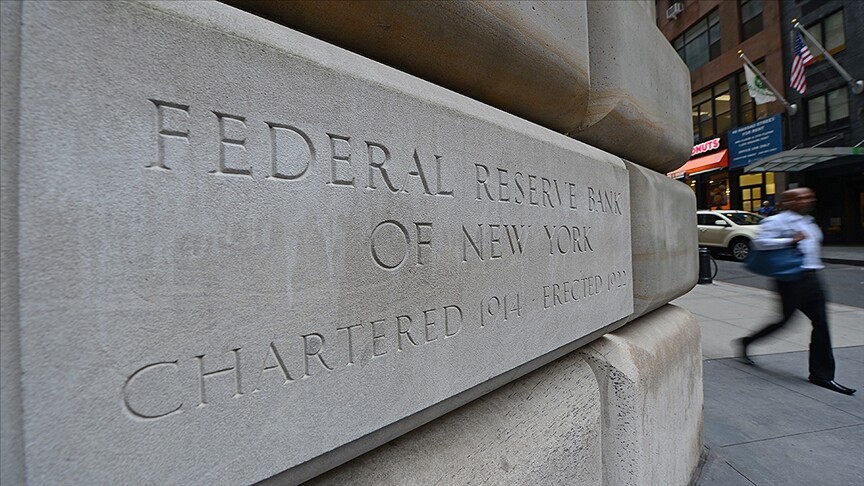
Federal prosecutors attempted an unannounced inspection of the Federal Reserve building in New York on Tuesday but were denied entry, a source confir...

Iran's World Cup Status Confirmed by FIFA Chief Amid Conflict
FIFA President Gianni Infantino stated Wednesday that Iran will definitely compete in the upcoming World Cup. He made the declaration despite ongoin...

Jury Rules Ticketmaster a Monopoly as Tornadoes Tear Across U.S.
A federal jury has found Live Nation and its subsidiary Ticketmaster guilty of operating an illegal monopoly. The verdict, delivered Monday, conclude...

Sudan in Collapse: Three Years of War Cripples Nation
An expert warns that Sudan's basic life-support systems have "functionally collapsed" after three years of civil war. The conflict began on April 15...

Europe Considers "Plan B" for a U.S. Exit from NATO
Some European nations are quietly preparing for the possibility of a U.S. withdrawal from NATO, according to a new report. This planning activity fol...

Former Infowars Insider Publishes Tell-All Book on Alex Jones
A former staffer for Alex Jones has written a new book about his experiences. Josh Owens worked for years with the controversial radio host and found...

Jury Rules Ticketmaster a "Harmful and Illegal Monopoly"
A New York jury has found entertainment giant Live Nation and its ticketing subsidiary, Ticketmaster, guilty of operating an illegal monopoly. The ve...

Tax Refunds Hit Record High, Treasury Says
U.S. Treasury Secretary Scott Bessent announced that American taxpayers are already receiving record-high refunds. He directly linked this increase t...

Jury: Live Nation and Ticketmaster Broke Law as Concert Monopoly
A federal jury has ruled that entertainment giant Live Nation and its ticketing subsidiary, Ticketmaster, illegally monopolized the market for major...

Deadly U.S. Storm Swarm Marches East, Threatens Millions
A powerful system of severe storms is moving east after battering the central United States for days. It now poses a new threat to millions of Americ...

Single Mom, Court Interpreter, Detained by ICE for a Month
The family of a long-time courtroom interpreter is speaking out after federal immigration officials detained the single mother nearly four weeks ago....

Artemis II Heat Shield Shows Damage; NASA Launches Review
A new image from NASA's Artemis II mission is sparking concern online. The photo shows the Orion spacecraft's heat shield after it protected astronau...

Granddaughter Works Three Jobs to Buy Back Grandma's Lost Home
An Illinois woman took on three jobs to achieve a singular goal: repurchase the house her grandmother lost. The grandmother had to sell the family h...