Latest News
Stay updated with the latest news and articles
Top Stories
Germany Pumps Billions Into Ukraine's Arsenal: Hundreds of Missiles, AI Drones, and a $4.7 Billion Deal
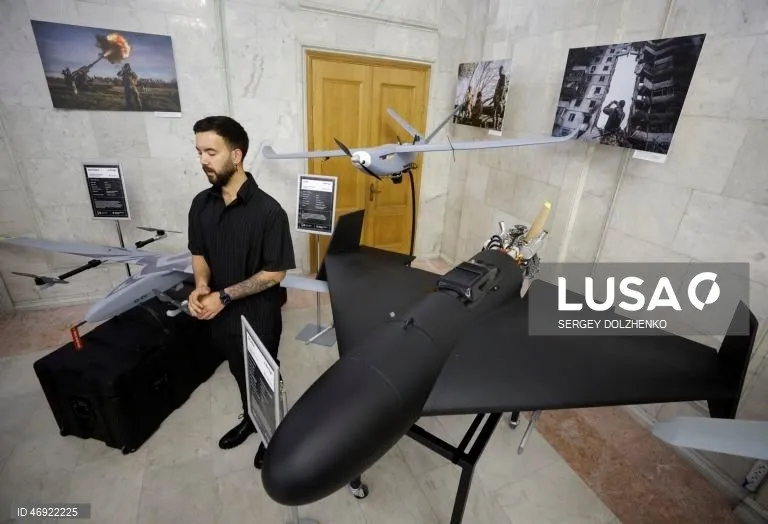
Germany Pumps Billions Into Ukraine's Arsenal: Hundreds of Missiles, AI Drones, and a $4.7 Billion Deal Germany has cemented its role as Ukraine's leading European military backer with a sweeping, long-term security pact, committing billions in new weapons, joint arms production, and cutting-edge battlefield technology. The new agreements, signed during high-level government talks in Berlin, represent a strategic shift from supplying existing stockpiles to building Ukraine's own defense industrial base. The cornerstone is a $4.7 billion defense package focused on three critical areas: bolstering air defense, enabling long-range strikes, and co-producing drones [128964]. A key immediate pledge is the supply of "hundreds" of Patriot air defense missiles, along with additional IRIS-T air defense launchers, to help protect Ukrainian cities and infrastructure from relentless Russian missile and drone attacks [128844]. This comes as Ukrainian officials urgently request more air defense systems from allies [128539]. Beyond immediate shipments, the pact invests heavily in Ukraine's future capabilities. Germany committed to helping Ukraine develop its capacity for "deep strikes" into occupied territory [128844]. This aligns with Ukraine's growing use of long-range drones, such as the newly unveiled "Sichen" drone with a 1,400-kilometer range, to hit fuel depots and logistics hubs deep behind Russian lines [128846][128541]. The partnership also ventures into next-generation warfare. Ukraine has agreed to share real battlefield data—including drone footage and electronic warfare information—with Germany to accelerate the development of lethal artificial intelligence for drones. This real-world data is considered invaluable for training AI systems more effectively than simulations [128848]. Ukrainian President Volodymyr Zelenskyy, who met with German Chancellor Olaf Scholz to sign the defense agreement, stated the aid is crucial for Ukraine's ongoing self-defense [128539][128400]. While Berlin has promised that its military, civilian, and humanitarian aid will continue, this long-term commitment faces political pressure within Germany and uncertainty over the future of United States assistance [128861]. Ukraine Secures $4.7 Billion German Arsenal: Drones, Air Defense, Long-Range Strikes Germany to Supply "Hundreds" of Patriot Missiles to Ukraine in Major Deal Germany Pledges Air Defense and Long-Range Weapons in New Ukraine Pact AI's New Teacher: Ukraine's Real Battlefield Data Goes to Germany Ukraine Unveils "Sichen," a Long-Range Drone Named for Russia's Cruelest Month Ukrainian Drones Strike Deep: Fuel Depot and Logistics Hub Hit in Russian-Held Territory Zelenskyy in Berlin: Urgent Talks as Ukraine Seeks More Aid Germany's Ukraine Aid Pledge Meets Mounting Pressure at Home and Abroad

Global Turmoil Slams Africa: IMF Cuts Growth as Food, Fuel Prices Soar 70%
Global Turmoil Slams Africa: IMF Cuts Growth as Food, Fuel Prices Soar 70% A dangerous mix of distant wars and economic shocks is hammering Africa's economies, with the International Monetary Fund (IMF) cutting growth forecasts as food and fuel prices skyrocket in vulnerable nations. The IMF has lowered its economic outlook for Sub-Saharan Africa, warning that new instability from the Middle East conflict threatens to "derail an already fragile recovery" [128698]. The region is highly vulnerable to external shocks, with rising global oil prices and increased shipping costs from Red Sea trade disruptions making imports more expensive and fueling inflation [128698]. The impact is already severe on the ground. In Sudan, international aid groups report that prices for essential goods like food and fuel have surged by 70 to 80 percent, a shock they link directly to the Middle East war disrupting key supply routes [128859]. This compounds the devastation of Sudan’s own civil war, creating an extreme humanitarian emergency [128859]. A senior German politician, Friedrich Merz, echoed the warning, stating that Africa will suffer more than Europe from the fallout of a wider Middle East conflict, facing a severe inflation and food crisis [128961]. The ripple effects are forcing individual nations to take defensive action. Kenya is now seeking private investment to build a national emergency fuel reserve, a "fuel insurance" policy to protect against sudden global price shocks and supply disruptions [128345]. The renewed scramble for influence on the continent adds another layer of pressure. Global powers are competing for alliances and resources, with the United States revising its strategy in West Africa's Sahel region as Russia rapidly expands its military influence there [67411]. Simultaneously, world powers are rushing to secure their positions along Africa's coast, particularly in the Horn of Africa, as nations like Ethiopia seek port access [87433]. This competition extends to critical resources. A major effort by the Quad alliance—the United States, India, Japan, and Australia—to secure heavy rare earth elements and counter China's dominance is focusing on conflict zones like Myanmar, highlighting the complex geopolitics entangled with supply chains [128257]. In response to these global pressures, African institutions are pushing for greater self-reliance. Ethiopia and the African Export-Import Bank (Afreximbank) are holding urgent, high-level talks focused on boosting the continent's economic independence and strengthening trade between African nations [127881]. IMF Cuts Africa Growth Forecast as Middle East Conflict Rises Sudan in Crisis: Middle East Conflict Sends Food and Fuel Prices Soaring German Leader: Africa Faces Greater Threat from Iran Conflict Than Europe Kenya Seeks Private Cash for "Fuel Insurance" Amid Global Turmoil U.S. and Russia in High-Stakes Scramble for Africa's Sahel Global Powers Rush for Africa's Coast as Ethiopia Seeks a Port Quad Targets Myanmar's Rare Earths to Counter China Ethiopia, Afreximbank Push for Africa to "Feed Itself"


Turkey Jails Union Leaders, Drawing Human Rights Criticism
Turkey Jails Union Leaders, Drawing Human Rights Criticism Turkey is among the countries where opposition trade unionists have been prosecuted and imprisoned for their legitimate activities [128308]. The recent arrests of two labor organizers have brought this practice into focus. Mehmet Türkmen, head of the BİRTEK-SEN union, and Başaran Aksu, organizing coordinator for the Umut-Sen union, are now in prison [128308]. Their cases highlight ongoing tensions between authorities and labor groups in Turkey. Critics argue that targeting union leaders violates both worker rights and fundamental human rights [128308]. The international labor community often monitors such cases, viewing them as a key test for civil liberties [128308]. Separately, the Human Rights Association (İHD) has warned that keeping a severely ill prisoner in jail is a violation of his fundamental rights [107236]. The İHD Central Prison Commission stated that Mehmet Emin Çam, who is seriously ill, should not remain in prison, arguing his continued detention primarily violates his right to life [107236]. The İHD advocates for the release of critically ill prisoners on medical grounds [107236]. Turkey Jails Union Leaders, Drawing Human Rights Criticism Critically Ill Prisoner's Detention Violates Right to Life, Says Rights Group

Pentagon Defends Multiple Military Strikes, Citing Legal Reviews and "Fog of War"
Pentagon Defends Multiple Military Strikes, Citing Legal Reviews and "Fog of War" The U.S. Department of Defense has issued a series of public defenses for recent military actions, consistently asserting their legality and supporting commanders' decisions made under pressure. In one instance, the Pentagon publicly supported a senior commander's decision to authorize military strikes in Venezuela [17258]. A spokesperson stated that the actions taken by Admiral Bradley followed proper legal procedures and were approved by military and civilian lawyers throughout the chain of command [17258]. Separately, U.S. Secretary of Defense John Hegseth defended a naval engagement where forces struck the same boat twice, attributing the decision to the confusion inherent in combat [17273]. Hegseth stated he did not see survivors after the initial attack but supported the admiral's choice to fire again to "eliminate the threat" [17273]. In a broader statement, a senior defense official, Pete Hegseth, asserted that ongoing American military actions in the Caribbean are lawful under both U.S. and international law [15064]. The statement was a direct response to growing questions about the mission's legal basis [15064]. Further emphasizing its stance on operational secrecy, the Pentagon is defending new rules that restrict some media outlets, arguing they are necessary to protect national security [64596]. Officials stated the purpose is to "stop activity that could compromise national security" in response to a lawsuit challenging the policy [64596]. Pentagon Defends Commander's Decision in Venezuela Strikes **Pentagon Defends Second Strike in "Fog of War" Incident** Pentagon Official Defends Legality of Caribbean Operations Pentagon Cites National Security in Media Lawsuit Defense

Peru's Election Descends Into Chaos: Voting Stretches to Second Day After Ballots Go Missing
Peru's Election Descends Into Chaos: Voting Stretches to Second Day After Ballots Go Missing Peru's national election was thrown into disarray on Sunday after widespread logistical failures prevented thousands from voting, forcing officials to extend the process into a second day. Citizens across the country arrived at polling stations to find them closed, unprepared, or without ballots, causing confusion and long delays in the vote for a new president and Congress [127954]. The national election authority announced the unprecedented extension following what it called severe technical and logistical failures that delayed the delivery of crucial voting materials [128195] [127769]. The problems have created deep uncertainty in a nation with a recent history of political instability. The election is seen as a pivotal moment to restore stability after years of crisis, including the imprisonment of former leftist President Pedro Castillo [128122]. Early, partial results from the first day of voting show a strong lead for right-wing candidates, marking a sharp political shift from the previous election [128122]. The front-runners include Keiko Fujimori, daughter of former President Alberto Fujimori, and conservative businessman Rafael Lopez Aliaga [127954]. Official results will not be announced until all votes from the extended process are finally cast and counted [127769]. The exact cause of the delivery fiasco is under investigation. The extension aims to give all registered voters a chance to participate, but the disruption has fueled frustration and raised serious concerns about the election's administration [128195]. Peru Extends Chaotic Election After Polling Stations Vanish Peru's Election Stalls: Voting Stretches Into Second Day Peru Election: Right-Wing Leads as Leftist President Sits in Jail Peru's Election Stalls: Voting Stretches Into Second Day

Oil Shock: Middle East Conflict Slashes Output, Disrupts Global Trade and Growth
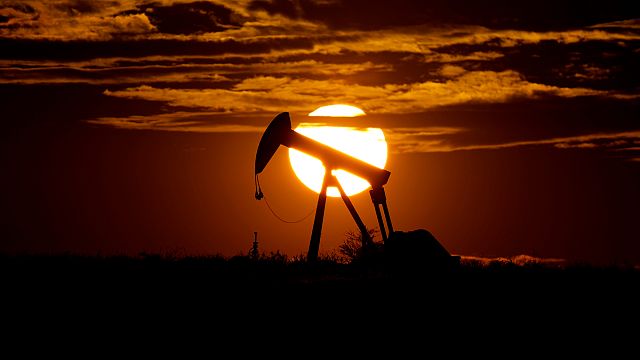
Oil Shock: Middle East Conflict Slashes Output, Disrupts Global Trade and Growth The ongoing military conflicts across the Middle East are triggering severe economic shockwaves worldwide, sharply reducing regional oil production, disrupting critical shipping lanes, and forcing a major global financial institution to downgrade its forecast for worldwide growth. A new report from the Organization of the Petroleum Exporting Countries (OPEC) confirms a significant drop in Middle Eastern oil production since the outbreak of a war involving Iran, directly impacting a region that is crucial to global energy supply [128703]. This decline coincides with a stark warning from the International Energy Agency (IEA) that more than 80 energy facilities in the region have been damaged in recent conflicts, with over one-third severely impacted [127749]. Fatih Birol, the IEA's head, stated that restoring supplies to pre-crisis levels could take up to two years [127749]. The supply disruption and market uncertainty are having immediate global consequences. The International Monetary Fund (IMF) has cited the Middle East war as a direct cause for lowering its global growth forecast, warning that the crisis also threatens to reignite inflation worldwide [128821]. Simultaneously, vital maritime trade is being rerouted at great cost. Following military actions in the region, major shipping companies have suspended travel through the Red Sea and Suez Canal, a primary shortcut between Asia and Europe [127257]. Ships are now taking a two-week longer journey around the southern tip of Africa, disrupting time-sensitive exports like Japan's shipments of premium perishable goods to the Middle East [127257]. The conflict's economic impact is also cascading into regional tourism. Nepal's trekking industry reports a sharp decline in Western travelers during the critical spring season, with arrivals from the Americas and Europe falling by nearly 25% and 19% respectively in March, a drop officials directly attribute to the Middle East conflict disrupting travel hubs and raising security concerns [128459]. The industry is now urgently pivoting to attract tourists from Asian markets to compensate [128459]. Middle East Oil Output Plummets Amid Iran Conflict: OPEC War Damage to 80+ Mideast Energy Sites Could Disrupt Supply for Years IMF Slashes Global Growth Forecast Over Middle East War Iran-Israel Conflict Disrupts Japan's Luxury Exports to Middle East Nepal's Trekking Industry Pivots to Asia as Middle East Conflict Scares Off Western Tourists
Global Economy Braces for Hit as Middle East Conflict Slashes Growth, Fuels Inflation
Global Economy Braces for Hit as Middle East Conflict Slashes Growth, Fuels Inflation A widening war in the Middle East is hammering the global economy, forcing major institutions to slash growth forecasts and governments to deploy emergency measures as energy shocks and trade disruptions drive up prices worldwide. The International Monetary Fund (IMF) has cut its global growth forecast, now expecting the world economy to expand by just 3.1% this year, a direct result of the conflict [128546][128821]. The crisis has created severe economic uncertainty, disrupting key trade routes and threatening to spike energy prices, which risks derailing what the IMF calls an "already fragile recovery" [128698]. The shockwaves are being felt across continents. In Europe, European Central Bank President Christine Lagarde stated the euro area's economic performance has worsened due to the recent energy price shock, downgrading its trajectory [128975]. Germany responded with emergency measures, cutting fuel taxes by 17 cents per liter and encouraging employers to give workers a one-time bonus of up to 1,000 euros to counter war-driven inflation [128123]. In South America, Argentina's annual inflation accelerated to 32.6% in March, with officials linking a surge in fuel prices directly to instability in the Middle East [128953]. In Asia, Malaysia warned its citizens to prepare for a prolonged economic squeeze, stating that national buffers like gas production and subsidies are running out and the full impact of the global energy crisis will hit by June [128807]. The IMF specifically highlighted the acute vulnerability of Sub-Saharan Africa, lowering the region's growth forecast due to higher global oil prices and increased shipping costs from Red Sea and Suez Canal disruptions [128698]. Economists warn the conflict poses a far greater threat than the Ukraine war, risking severe disruption to critical trade and energy supplies that could trigger a sharp worldwide rise in oil prices and inflation [128258]. ECB Chief: Euro Economy Worsens After Middle East Shock Argentina's Inflation Accelerates to 32.6% Amid Fuel Price Surge Malaysia Warns Citizens: Prepare for Long Economic Squeeze as Iran War Fallout Nears IMF Slashes Global Growth Forecast Over Middle East War IMF Cuts Africa Growth Forecast as Middle East Conflict Rises IMF Slashes Global Growth Forecast, Cites War Impact Iran War Could Break Global Economy Germany Cuts Fuel Tax, Offers Worker Bonus to Counter War-Driven Inflation
Ukraine Trades Battlefield Drone-Knowledge for Weapons in High-Stakes Deals with Gulf, NATO Allies
Ukraine Trades Battlefield Drone-Knowledge for Weapons in High-Stakes Deals with Gulf, NATO Allies Ukraine is leveraging its hard-won military expertise into a critical supply of weapons through direct barter deals with foreign partners. Facing relentless Russian drone and missile attacks, the country is now deploying its specialists abroad to teach allies how to shoot down unmanned aerial vehicles (UAVs) in exchange for advanced air defense systems and continued financial support [100935][112369]. President Volodymyr Zelenskyy confirmed that Ukrainian teams specializing in counter-drone warfare are active in several Gulf states. The arrangement is straightforward: Kyiv provides its unique, battle-tested knowledge on defeating Iranian-made drones—a weapon used extensively by Russian forces and Iranian proxies in the Middle East—and in return seeks powerful air defense systems like Patriot missile batteries [112369]. This strategy transforms Ukraine’s frontline experience into a valuable diplomatic and military commodity. Western and Gulf states are eager to learn Ukraine's effective, low-cost methods for neutralizing the drone threat, which also endangers critical infrastructure in the Middle East [100935]. The exchange ensures a steady flow of arms to Kyiv while simultaneously strengthening allied defenses globally. In one explicit proposal, Zelenskyy offered to deploy elite anti-drone units to protect the Gulf region if those states use their significant economic leverage as major buyers of Russian energy to pressure Moscow for peace [91239]. This move positions Ukraine not merely as an aid recipient, but as a provider of vital security technology, forging partnerships based on shared strategic interests [91239]. The direct trade of knowledge for weapons highlights Ukraine's urgent and pragmatic efforts to bolster its own air defenses while capitalizing on its status as the world's most experienced military in countering specific drone threats [91239]. Kyraine Sells Drone-Knowledge for Weapons Ukraine Trades Air Defense Secrets for Gulf's Drone-Killers Ukraine Offers Gulf States a Deal: Our Drone Hunters for Your Leverage on Russia

Catastrophic Southeast Asia Floods Kill Over 1,400, Displace Millions
Catastrophic Southeast Asia Floods Kill Over 1,400, Displace Millions A series of devastating floods and landslides, triggered by weeks of exceptionally heavy rain, has killed more than 1,400 people and affected millions across Southeast Asia [17624][25217]. The disaster has left a trail of destruction in Indonesia, Sri Lanka, Thailand, and Malaysia, with rescue teams scrambling to reach survivors and international aid agencies mobilizing a major response. The torrential downpours caused rivers to overflow and saturated hillsides, leading to widespread flooding and destructive mudslides that buried homes and severed roads [17624][14423]. In Indonesia, the death toll has reached 995, with rescuers still searching for 226 missing people [25217]. Neighboring Sri Lanka reports 640 dead and 211 missing [25217]. Combined, nearly 4 million citizens in just these two nations have been impacted [25217]. Southern Thailand has also suffered a severe loss of life, with authorities reporting at least 145 fatalities [14423]. Emergency crews across the region are working to provide aid and evacuate residents from submerged communities, while also warning of secondary dangers like the spread of waterborne diseases from contaminated water supplies [11385][25217]. The full scale of the damage is still being assessed, but early reports indicate massive destruction to homes, infrastructure, and farmland [14786][25217]. National governments and international aid groups are focusing relief efforts on providing emergency shelter, clean water, and medical supplies to the displaced survivors [17624]. Deadly Floods and Landslides Claim Over 1,400 Lives Across Southeast Asia Massive Floods Kill Over 1,600, Affect Millions in Asia Deadly Floods and Landslides Claim Over 250 Lives in Southeast Asia Southeast Asia Reels From Widespread Flooding Deadly Floods and Landslides Claim Lives Across Southeast Asia

Fuel Shockwave: Global Pump Prices Soar Past $115 as Conflict Chokes Oil Supply
Fuel Shockwave: Global Pump Prices Soar Past $115 as Conflict Chokes Oil Supply A surge in global fuel prices, driven by conflict in the Middle East, is hitting drivers and economies worldwide, triggering emergency government measures and protests. The crisis stems from disruptions to oil supplies, particularly through the critical Strait of Hormuz shipping route, following attacks on energy infrastructure and ongoing regional war. This has sent international benchmark crude oil prices soaring past $115 a barrel [116225], leading to the sharpest weekly spike in gasoline costs since the Ukraine war began [97612]. The impact is immediate and widespread. In South Africa, drivers raced to pumps ahead of a record midnight price hike [117884], with one major metro imposing fuel limits and war surcharges [108127]. Despite a government tax cut of 3 rand per litre, citizens still faced one of the steepest increases ever recorded [117581]. The diesel spike has already forced security firms and water suppliers to add emergency fees to customer bills [118106]. In Europe, the fuel shock is altering consumer behavior. Interest in electric vehicles has surged dramatically since the Iran conflict began, as buyers seek alternatives to expensive petrol [127014]. Governments are taking action, with Germany announcing a 17-cent-per-litre fuel tax cut and encouraging employers to give workers a 1,000-euro bonus to counter war-driven inflation [128123]. Asian markets are also feeling the pressure. China imposed its biggest fuel price jump of the year, causing long queues at Beijing stations [109102]. Hong Kong, which already has the world's highest petrol prices, is bracing for a wave of "imported inflation" that will raise costs for everything from toilet paper to road maintenance [127109]. Analysts warn that relief is not imminent. Supply chain bottlenecks, with the Strait of Hormuz closed, are keeping pump prices high even when crude oil prices steady [116592]. Furthermore, fading hopes for a Gaza ceasefire are contributing to market fears and sustaining high costs [124783]. The volatility has grown severe enough to force the Irish cabinet into emergency talks after five days of fuel protests blocked terminals and left hundreds of stations dry [126425]. Germany Cuts Fuel Tax, Offers Worker Bonus to Counter War-Driven Inflation South Africa Braces for Record Fuel Price Surge Drivers Race to Pumps Ahead of China's Biggest Fuel Price Jump of 2024 Hong Kong Braces for Price Surge as Oil Crisis Hits Home South Africa Cuts Fuel Tax, But Drivers Still Hit by Record Price Hike Iran War Fuel Shock Drives Europeans to Electric Cars Fuel Limits and War Surcharges Hit South African Metro Fuel Prices Climb as Gaza Ceasefire Hopes Fade Oil Prices Rocket, Hitting Drivers With Sharpest Spike Since Ukraine War Drone Attack on Tanker Sends Oil Soaring Past $115 Oil Prices Steady, So Why Is Petrol So Expensive? Fuel Shockwave: Water, Security Prices Surge After Diesel Spike **Fuel Crisis Forces Irish Cabinet to Emergency Talks


Latest Articles
People Are Pretending to Be AI—And You Can't Tell
A new online trend is flipping the script on artificial intelligence. Instead of talking to bots, millions are now pretending to be them. Websites l...

Irish Government Teeters as Fuel Protests Trigger No-Confidence Threat
Ireland's government faces a possible no-confidence vote following widespread fuel protests. The crisis began after the U.S.-Israel military action...

Israeli and Palestinian Who Lost Family Unite to Write Peace Book
An Israeli man and a Palestinian man who each lost close family members in the recent conflict have formed a powerful bond. They now call themselves...

Trump DOJ Accuses Biden Administration of Weaponizing Law Against Anti-Abortion Activists
The Justice Department under former President Donald Trump has accused the current administration of weaponizing federal law. A statement from the T...

Olympic Frog: New Species Named for Ecuador's Gold Medalist
Scientists in Ecuador have identified a new species of glass frog. The tiny amphibian has been named *Hyalinobatrachium dianae* in honor of Neisi Da...
Major Sponsors Withdraw, Pittsburgh Pride Parade in Peril
Organizers of Pittsburgh's annual LGBTQ Pride parade are urgently seeking new funding after major corporate sponsors withdrew their support. Compani...
Chrisley's Boyfriend Charged With Felony Strangulation
David Landsman, the boyfriend of TV personality Lindsie Chrisley, has been arrested and charged with felony aggravated assault. The charges include s...
Florida Surgeon Charged After Removing Wrong Organ, Patient Dies
A former Florida surgeon has been indicted for manslaughter. The charge stems from a 2024 surgery where he allegedly removed a patient's liver instea...
Olympic Star Blasts Alma Mater: "Shame on You" for Cutting Women's Rugby
USA Rugby star Ilona Maher has publicly criticized her former university. Quinnipiac University announced it will change its women's rugby program fr...
Swalwell Exits Congress Amid Allegations and Party Pressure
U.S. Representative Eric Swalwell has announced he will resign from Congress. This follows sexual misconduct allegations and increasing pressure from...
Riley Gaines Clashes With Trump Over AI Jesus Post
Former swimmer and activist Riley Gaines has publicly criticized a social media post by Donald Trump, even as she reaffirms her support for him. The...
"Baby Jessica," 1987 Rescue Sensation, Arrested in Texas Domestic Incident
Jessica McClure Morales, known worldwide as "Baby Jessica," was arrested in Scurry County, Texas, on Tuesday. The arrest followed a reported domesti...
Killer Searched "Missing Girl" and "FedEx Truck Cameras" After Kidnapping, FBI Says
A man accused of killing a 7-year-old girl searched online for information about "missing girl" cases and whether FedEx delivery trucks have security...
ICE Agent Struck During Arrest of Suspected Gang Member
U.S. Immigration and Customs Enforcement (ICE) officers arrested a man suspected of having gang ties and being in the country illegally. The arrest f...
William Shatner's Final Meal Choice: Japanese or Mexican?
"Star Trek" actor William Shatner has revealed what he would want for his last meal. The 95-year-old legend is torn between two cuisines: Japanese or...
CBS Masters Broadcast Criticized for Major Live Delay
Golf analyst and player Kevin Kisner has publicly criticized CBS's television coverage of the final round of the Masters Tournament. He claims the br...
Biden Calls Trustee "Barack" in Awkward Unveiling Mix-Up
Former President Joe Biden mistakenly called a university trustee by the name "Barack" during a public event on Tuesday. The incident occurred at Sy...
TPUSA Event at UGA Proceeds Amid Threats, Forcing Speaker's Exit
A scheduled speaker for a Turning Point USA (TPUSA) chapter event at the University of Georgia canceled her appearance after receiving serious threat...
Ex-Michigan Coach Gets Probation in Stalking Case
A former University of Michigan head football coach has been sentenced to probation for stalking a university employee. Sherrone Moore, who was fire...
"The View" Clash: Co-Host Corrects Behar on Jesus Claim
Sara Haines corrected fellow host Joy Behar on ABC's "The View" this week. The moment happened during a discussion about a recent artificial intelli...