Latest News
Stay updated with the latest news and articles
Top Stories
From Chin Balancing to Viral Buttons: How Communities Are Fighting to Keep Their Cultures Alive
**From Chin Balancing to Viral Buttons: How Communities Are Fighting to Keep Their Cultures Alive** Around the world, from the streets of Malaysia to the Arctic Circle, communities are leveraging ancient traditions and modern platforms to assert their cultural identities in an increasingly homogenized world. These acts of preservation and promotion, often born from a history of displacement or suppression, are gaining new audiences and, in some cases, aiming for global recognition. In Malaysia, the vibrant Chingay parade in George Town saw performers balancing towering flagpoles on their chins and fingertips, a spectacle that is now part of a joint Malaysia-Singapore bid for UNESCO Intangible Cultural Heritage status [31985]. Organizers hope the listing will protect and promote the century-old art form on a world stage. This push for recognition through cultural expression is echoed in the work of Indigenous artists. A Sámi DJ duo from Norway's remote Arctic north is gaining international attention by blending modern electronic music with *joik*, their traditional rhythmic singing style [79759]. Their success taps into a growing global appetite for authentic Indigenous culture within contemporary club scenes. Similarly, in Syria, researchers point to the ancient craft of embroidery as a powerful, living symbol of cultural identity that has endured through years of war [47200]. The practice is described not as mere decoration, but as a deeply rooted form of expression passed through generations. The Circassian community in Syria, displaced from the North Caucasus in the 19th century, is also cited as a model for maintaining a distinct language and set of customs while fully integrating into national society [36001]. These traditions are finding new life and sometimes unexpected fame in the digital age. In Hong Kong, a group of women tattoo artists are gaining notice for channeling traditional Chinese painting, calligraphy, and Buddhist philosophy into their work, creating a unique fusion of ancient art and modern self-expression [44500]. Meanwhile, the sudden viral popularity of "frog buttons"—traditional Chinese fasteners seen on a jacket at Shanghai Fashion Week—demonstrates how heritage design elements can capture the global fashion zeitgeist [44500]. The phenomenon of cultural trends reaching massive online audiences was starkly illustrated by the "Chinamaxxing" meme in 2025, where people worldwide adopted Chinese cultural habits like drinking hot water and wearing house slippers for viral content [109231]. For many in the Chinese diaspora, watching lifelong customs become a short-lived internet trend was a complex experience, highlighting the fine line between appreciation and fleeting commodification. Music remains a potent vessel for cultural continuity and resistance. A curated collection of Ukrainian Christmas carols, or *koliadky*, showcases songs ranging from centuries-old folk chants to modern adaptations, many carrying subtle messages of national identity—a practice with deep historical roots during periods of oppression [32337]. Scholars note these songs have long preserved language and culture. As these diverse examples show, from seeking UNESCO protection to riding viral algorithms, communities are actively writing the next chapter for their cultural heritage, ensuring it is not merely remembered but lived and shared. Malaysia's Chin-Balancing Spectacle Aims for UNESCO Glory Remote DJs Rise with Sámi Sound, Fueling Indigenous Pride Syrian Embroidery Survives War, Defines Identity Syria's North Caucasus Legacy: The Circassians' Enduring Identity **Hidden Stories: From Tattoo Needles to Viral Buttons** Chinamaxxing: When Your Culture Becomes a Viral Meme Ukrainian Christmas Carols: Ancient Sounds of Defiance and Hope
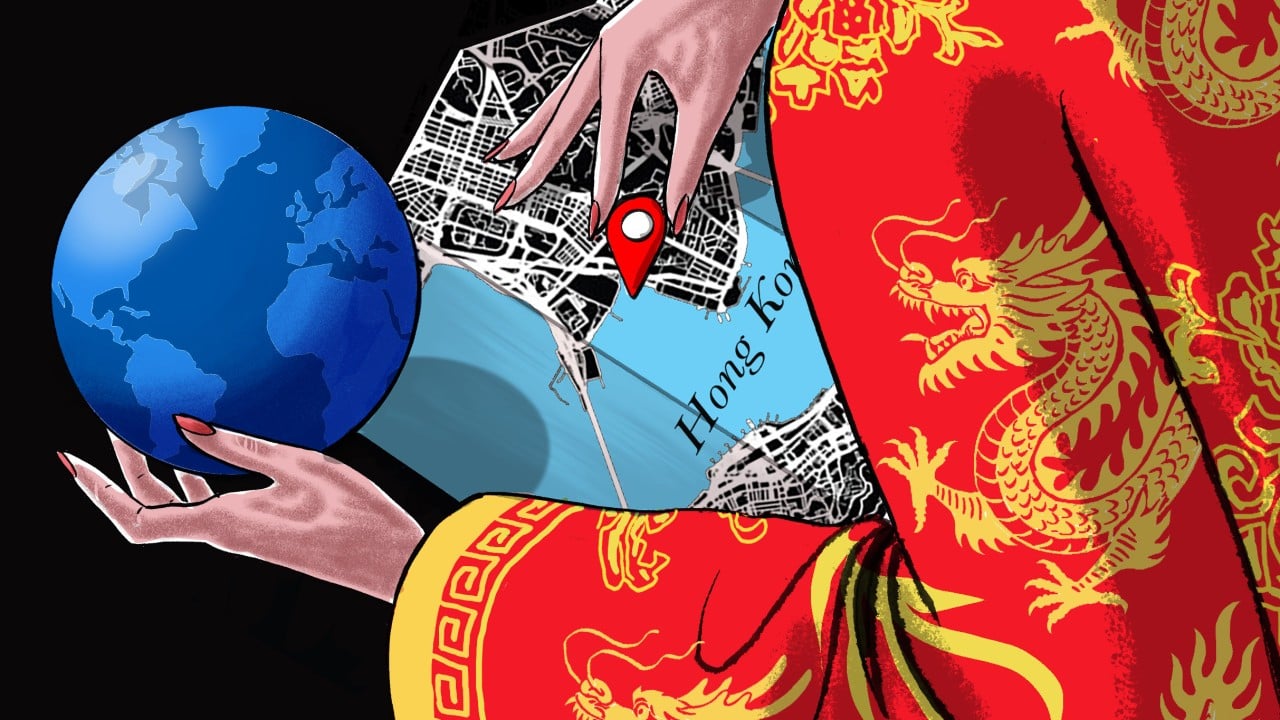
Sleep in Cars for Two Days: Americans Queue for Free Healthcare as Costs Soar
Sleep in Cars for Two Days: Americans Queue for Free Healthcare as Costs Soar Hundreds of Americans are sleeping in their cars for up to 48 hours to secure free medical and dental care at pop-up clinics, highlighting a crisis of affordability in the nation's healthcare system. The charity Remote Area Medical (RAM), which typically provides services in developing nations, now runs temporary clinics across the United States to meet surging domestic demand [126324]. Patients arrive days in advance, forming long lines in parking lots to receive no-cost dental work, eye exams, and general medical care from volunteer professionals [126324]. Chris Hall, RAM's Chief Executive Officer, directly linked the extreme waits to the high price of care. He stated that healthcare has become financially "out of reach" for many, forcing people to seek charity for basic procedures [126324]. The situation underscores a systemic gap where even insured individuals can be deterred by high deductibles and out-of-pocket expenses [126324]. The clinics operate on a first-come, first-served basis, with services provided entirely free of charge. The sight of families waiting overnight in vehicles has become a stark symbol of the barriers to access faced by low-income and uninsured populations [126324]. **Americans Sleep in Cars for Free Healthcare**

U.S. Forces Capture Venezuelan President Maduro in Unprecedented Military Raid
U.S. Forces Capture Venezuelan President Maduro in Unprecedented Military Raid In a dramatic escalation of tensions, United States forces have captured Venezuelan President Nicolás Maduro in a direct military operation on South American soil. The sitting head of state was seized in Caracas and flown to New York to face drug trafficking charges, an action that has sent shockwaves across Latin America and revived deep-seated fears of U.S. intervention [41460][41880][47297]. The operation, which also detained Maduro's wife, represents the first time the U.S. has directly apprehended a sitting head of state from the region, a move analysts describe as an act of "extraterritorial apprehension" [47297][41064]. President Donald Trump announced the capture, stating the U.S. would oversee Venezuela's government but without immediately setting a date for new elections [41460]. Reaction from Latin American capitals has been sharply divided, exposing a regional political split. Governments historically critical of Maduro, including Colombia and Brazil, have offered cautious support for the action. Others, such as Mexico and Bolivia, have condemned it as a blatant violation of international law and national sovereignty [47297][47126]. Beneath the public disagreements, however, lies a private, unifying anxiety. Analysts report that leaders across the political spectrum are conducting urgent internal reviews, quietly assessing their own vulnerability to similar foreign interventions. The precedent set by the raid has forced every nation to re-examine its relationships with Washington and its domestic political stability [47126][47297]. The United Nations Security Council has called an emergency meeting at Venezuela's request to address what it terms a violation of its sovereignty [41880]. Meanwhile, the operation is seen as a direct challenge to China's expanding economic and diplomatic influence in Latin America, a region where Beijing has become the top trading partner and lender for many nations [41460][45747]. Experts warn the action marks a stark revival of the Monroe Doctrine, the long-standing U.S. policy of opposing foreign powers in the Americas, and represents a return to a century-old pattern of U.S. intervention to align regional governments with its interests [41460][41465]. President Trump underscored this stance, declaring after the capture that "American dominance in the western hemisphere will never be questioned again" [41064]. The immediate crisis centers on Venezuela's political future and Maduro's legal proceedings. The longer-term effect, observers note, is a continent now grappling with a fundamental shift in the rules of engagement, leaving an atmosphere of suspicion and heightened tension [47126]. U.S. Capture of Venezuela's Maduro Sends Shockwaves Through Latin America U.S. Capture of Maduro Sends Shockwave Through Latin America U.S. Captures Venezuela's Leader, Challenging China's Regional Reach Venezuela's President Seized by U.S., Faces Court in New York Trump Revives US Habit of Ousting Latin American Leaders Trump Orders First Direct US Military Attack on South America

Latest Articles

Orban Loses: A Blow to Putin and Trump Allies?
Hungary's long-time leader Viktor Orban has lost power. Opposition leader Peter Magyar won a major victory in the national election, ending Orban's 1...

Vietnam's New Leader Makes China His First Stop—Again
Vietnam's new president, To Lam, will visit China this week. This is his first trip abroad since taking the presidency. It follows a clear pattern....

Quantum Threat to Encryption Arrives Early
The security protecting your online data, from bank details to private messages, now faces a timeline. New research suggests the lock on our digital...

China's Robotaxis Hit the Streets of Dubai
Chinese technology companies have launched the first fully driverless taxi services in the Middle East. Baidu's Apollo Go began taking bookings in D...
Australia's PM Hunts for Fuel and Fertilizer in Asia
Australia's Prime Minister is traveling to Brunei and Malaysia this week. The goal is to secure vital supplies of energy and fertilizer. The trip is...
Indonesia's New Law: Fight "Fake News" or Silence Critics?
Indonesia's government is pushing a new law to combat disinformation. Critics warn it could also be used to suppress dissent and target political opp...
U.S. Sanctions Waiver on Russia Expires, Leaving India in a Bind
A key U.S. waiver that allowed India to cooperate with Russia on a major military project has now ended. This creates a significant diplomatic and st...
Indian Nationals Killed in Myanmar Crossfire, Highlighting War's Spillover
Three Indian nationals have been killed in Myanmar's escalating civil war, according to reports. The men were reportedly captured by one armed group...
Philippines to China: Oil Deal Must Obey Our Law
President Ferdinand Marcos Jr. is willing to restart joint oil exploration talks with China in the contested South China Sea. However, any agreement...

Hong Kong's Hub Status Threatened by Middle East War
A major Middle East conflict is putting pressure on Hong Kong's position as a key Asian flight hub. Aviation experts warn that rising fuel prices, ca...

Seoul's Loneliness Solution: City Offers $4-an-Hour Helpers
More than one in three people in Seoul now live alone. For these solo residents, everyday tasks like visiting a hospital or moving homes can be a maj...

Dollar Weakness Opens "Golden Window" for China's Yuan, Says Ex-Central Bank Chief
A former governor of China's central bank says global doubts about the U.S. dollar have created a prime chance to boost the international role of Chi...

Bank Serves Cake: OCBC Hong Kong's New Branch Bets on Lifestyle
You walk into a bank. You expect keyboards, formal attire, and financial talk. But at OCBC Hong Kong's new Central branch, you also smell something u...
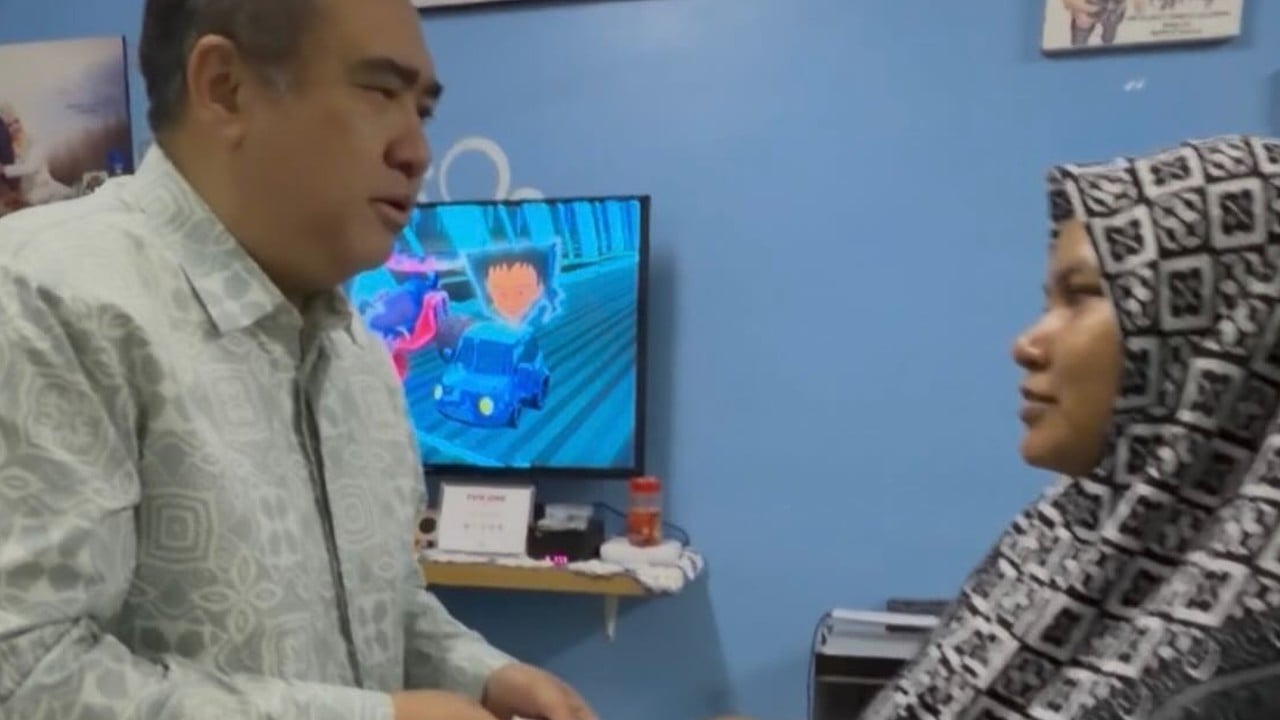
Malaysia Rules Out Death Penalty for Drunk Drivers
Malaysia will not impose the death penalty on drunk drivers, the government announced Monday. Transport Minister Anthony Loke said existing laws are...

Thailand's Water Festival Defies Fuel Crisis
Thailand's capital, Bangkok, erupted into the world's largest water fight on Monday. The event marks the start of Songkran, the three-day traditional...
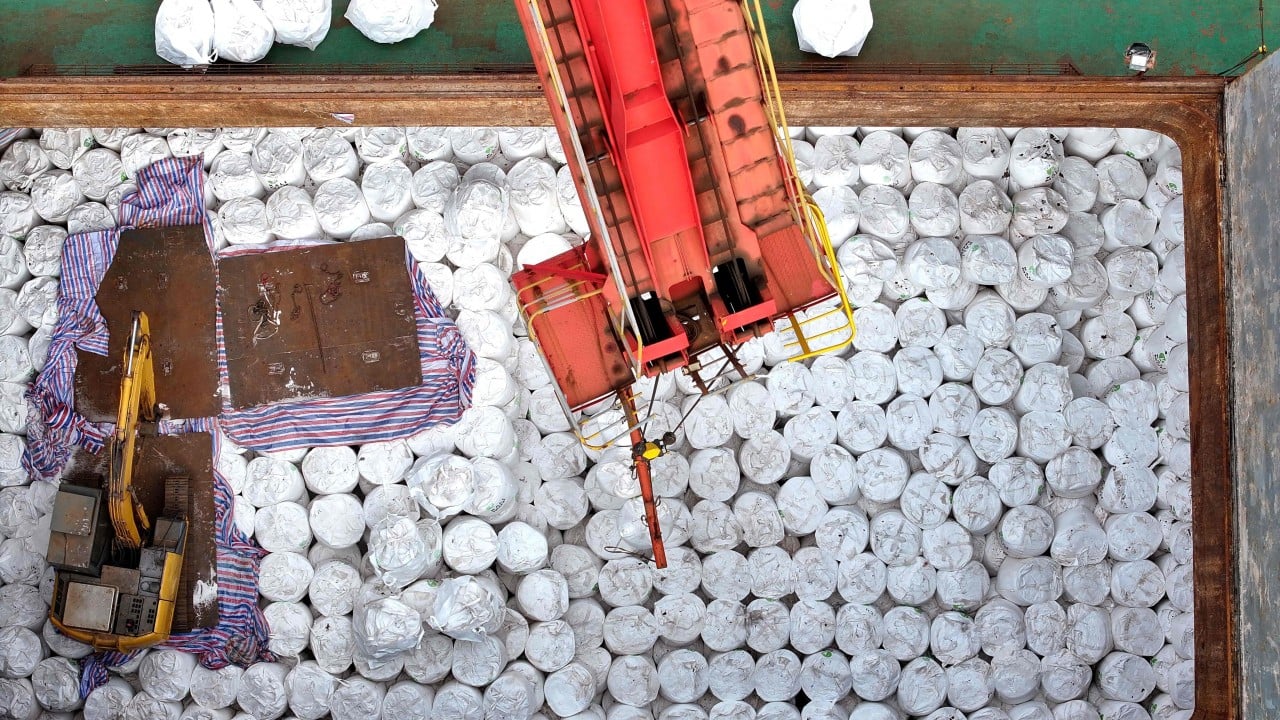
China Halts Key Chemical Export as Iran Tensions Rise, Threatening Global Supplies
China has reportedly halted exports of sulphuric acid, a vital industrial chemical. This move coincides with the collapse of U.S.-Iran peace talks. T...
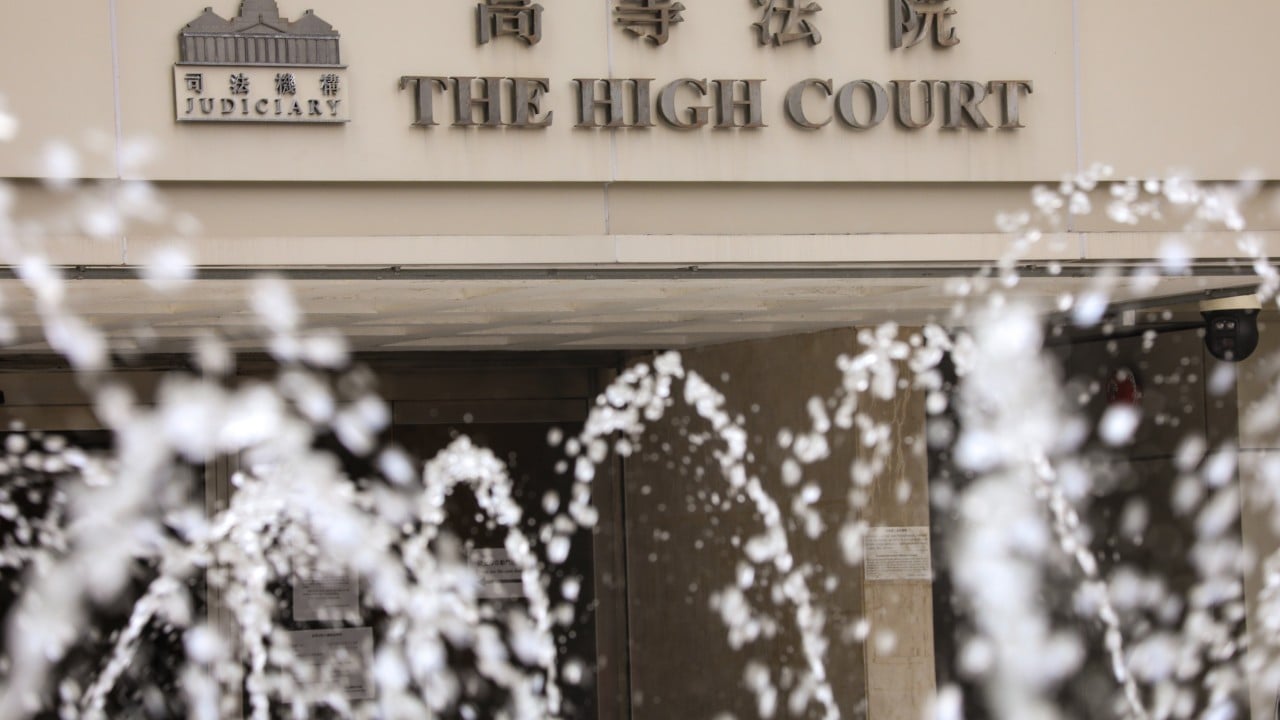
Son Kills Mother, Calls Her a "Monster Lizard" in Hong Kong Tragedy
A Hong Kong man has been sent to a psychiatric hospital indefinitely for killing his mother and hiding her body. Wong Chun-kit was sentenced on Mond...

World's Largest Dam Stirs Water Worries
Chinese Vice-Premier Zhang Guoqing has declared that safety and environmental protection are the "top priorities" for a mega dam now being built in T...

Woman Cleared in Hong Kong Talent Scheme Forgery Case, Blames Agent
A Hong Kong court has acquitted a mainland Chinese woman of forging documents for a residency talent scheme. The magistrate ruled she may have been t...

Singapore's Energy Crisis: A Hidden Advantage?
While soaring energy costs threaten Asia, Singapore's severe vulnerability may protect its key property market from a major crash. Singapore relies...