Latest News
Stay updated with the latest news and articles
Top Stories
Tourist Hotspots Hit Breaking Point as Social Media Drives Record Crowds
Tourist Hotspots Hit Breaking Point as Social Media Drives Record Crowds From the canals of Venice to the mountains of Morocco, popular travel destinations are being overwhelmed by unprecedented numbers of visitors. This global surge, often fueled by viral social media trends, is straining local infrastructure, damaging environments, and disrupting daily life for residents [80040]. Experts point to a perfect storm of cheaper travel and social media creating sudden, intense "must-see" trends that can overwhelm a location overnight [80040]. A single rooftop in Rio de Janeiro's Rocinha favela, dubbed the "Gateway to Heaven," now sees hours-long queues after videos of its view went viral, redirecting a flood of tourists into a dense residential community [101397]. Similarly, a routine wooden dock in Venice has become a pilgrimage site for fans seeking the "Kardashian Jetty," a spot used by celebrities during a high-profile wedding [51924]. The economic shift is profound. In Morocco's Atlas Mountains, home to North Africa's tallest peak, Mount Toubkal, the sound of concrete mixers repairing earthquake damage mixes with the buzz of tourism. "Most people here work in tourism now," says local guide Hussein, noting the valley's economy has transformed from subsistence farming to catering to international hikers [83740]. This pattern is repeated in Kashmir, where the government is aggressively promoting ski resorts and mountain tourism to rebuild an economy long defined by conflict, betting on hospitality jobs over military posts [46233]. In response, destinations are scrambling for solutions. Many local governments are implementing tourist taxes, promoting travel during off-peak seasons, and trying to redirect visitors to less-crowded areas to manage the crush [80040]. The industry itself is advocating for more sustainable practices, such as choosing eco-certified accommodations and traveling outside of peak periods to ease the pressure [86148]. The challenge is to balance the vital economic benefits of tourism with the need to protect local communities, cultures, and natural sites from being loved to death [80040][86148]. Tourist Destinations Hit Breaking Point: What Causes the Crush? Viral 'Gateway to Heaven' Rooftop Floods Rio Favela with Tourists Venice's New Tourist Hotspot: The 'Kardashian Jetty' From Walnuts to Tourists: A Changing Valley Leads to North Africa's Peak Ski Resorts or Soldiers? Kashmir Bets on Tourism Over Conflict The Hidden Cost of Your Vacation


Climate Crisis Creates World's First Official Climate Migrants as Pacific Islanders Relocate
Climate Crisis Creates World's First Official Climate Migrants as Pacific Islanders Relocate The first citizens of Tuvalu have arrived in Australia under a new, landmark visa program, marking them among the world's first officially recognized climate migrants [25540]. The special pathway was created specifically because rising sea levels threaten to make the low-lying Pacific island nation unlivable [10674]. Australia's policy allows up to 280 Tuvaluans to relocate each year, granting them the right to live, work, and study in Australia with a clear path to citizenship [25540]. The program is a direct response to the existential threat posed by climate change, which is eroding Tuvalu's land and increasing severe flooding [10674]. Experts have long warned that environmental changes could render parts of Tuvalu uninhabitable within decades [25540]. The arrival of the first group under this planned migration scheme represents a significant moment in global climate policy, demonstrating how nations are beginning to organize the long-term relocation of entire populations [25540]. The agreement between Australia and Tuvalu also includes funding for coastal reclamation and climate adaptation projects in Tuvalu itself [10674]. Tuvalu Citizens Arrive in Australia as First Official Climate Migrants Australia Opens Special Visa Pathway for Climate-Affected Tuvaluans
Trump Revives Bid to Buy Greenland, Mixing Real Estate Tactics with Geopolitics
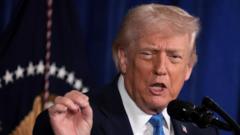
Trump Revives Bid to Buy Greenland, Mixing Real Estate Tactics with Geopolitics President Donald Trump has renewed his controversial push for the United States to purchase Greenland, combining cash offers, economic threats, and a refusal to rule out military force in a strategy that mirrors his real estate career [50444]. The autonomous Danish territory, valued for its strategic Arctic location and resources, has been a persistent target for the President, who brought the proposal to the world stage at the World Economic Forum in Davos [55297][55327]. During his address in Davos, Trump publicly questioned the value of the North Atlantic Treaty Organization (NATO) while promoting the idea of acquiring Greenland, stating the U.S. should be allowed to buy it [55297]. He later clarified he did not want to use force for the purchase but called for immediate negotiations [55327]. This public proposition follows reported behind-the-scenes tactics that include direct cash offers to Greenlanders and threats to impose tariffs on Denmark if the sale is blocked [50444]. The governments of both Denmark and Greenland have consistently and firmly rejected the idea, stating the island is not for sale [50444]. Experts see Trump's approach as a conflation of genuine strategic interest with an unrealistic, expansionist vision, comparing it to 19th-century imperial land grabs [50444][58552]. They warn that applying high-pressure, transactional real estate tactics to complex international diplomacy is fraught with risk, as it underestimates the role of national sovereignty and pride [87536]. The push for Greenland forms part of a broader foreign policy vision that openly challenges the post-World War II international order built on alliances and rules [55515][58552]. At Davos, Trump's speech notably ignored traditional "soft power" diplomacy, focusing instead on direct demands to allies and economic nationalism [55327]. This stance positions him in direct opposition to the forum's long-standing ethos of multilateral cooperation, even as analysts note his wealth and brand-driven identity make him a paradoxical icon of the modern global elite [54269]. Trump Eyes Greenland: Cash, Threats, and Military Force Trump at Davos: Questions NATO, Wants to Buy Greenland Trump at Davos: Skips Soft Power, Targets Greenland and NATO Allies Trump's 'New Imperialism': Land Grabs and a Rejected World Order Iran Won't Fold: Why Trump's Real Estate Tactics Fail on World Stage Davos' World Order Crumbles as Trump Takes the Stage Trump Is the Davos Man
India's Farmers Block Highways, Fearing U.S. Trade Deal Will Crash Crop Prices
India's Farmers Block Highways, Fearing U.S. Trade Deal Will Crash Crop Prices New Delhi — Indian farmers have launched massive protests, using tractors and trucks to blockade major highways around the capital, fearing a new trade agreement with the United States will flood the market with cheap imports and devastate their livelihoods [75183]. The protests, which have drawn significant numbers from the agriculturally powerful northern states, center on concerns that the trade pact could undermine India's system of minimum support prices for staple crops like wheat and rice. Farmers fear the deal, struck during a recent high-level visit, will force India to reduce these crucial price guarantees [73750]. "The government says there are safeguards, but we don't trust these promises," said one protest leader, echoing widespread sentiment among the demonstrating groups. "This deal is made for American corporate interests, not for us" [75183]. The agreement is seen as a key diplomatic achievement for Prime Minister Narendra Modi, strengthening economic ties with a major partner. However, it has ignited immediate domestic tension with the farming community, a critical voting bloc. Police have heightened security at key entry points into New Delhi as negotiations between farmer unions and government officials continue [73750]. The protests highlight a broader vulnerability in India's economy. The nation relies heavily on imported fertilizers, with a significant portion coming through the volatile Persian Gulf. Recent conflicts in that region have raised fears of shipment delays and cost spikes, threatening the upcoming agricultural season and adding urgency to the farmers' demands for stable incomes and government protection [117032]. Government officials maintain that the minimum price system remains intact and protected under the new trade terms. They urge farmers to await the final detailed text of the agreement. Despite these assurances, the highway blockades continue, underscoring the deep anxiety within India's agricultural heartland over the forces of global trade [73750]. Indian Farmers Strike, Fearing U.S. Trade Deal Will Flood Market India's Farmers Protest as Modi-Trump Trade Pact Threatens Key Crop Prices Gulf Conflict Threatens India's Vital Fertilizer Imports
U.S. Forces Capture Venezuelan President Maduro in Military Strike, Plan to "Run" Country
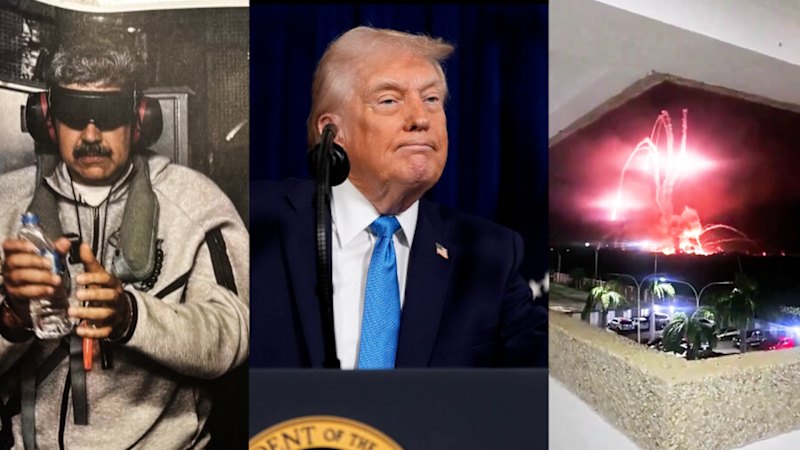
U.S. Forces Capture Venezuelan President Maduro in Military Strike, Plan to "Run" Country U.S. military forces have captured Venezuelan President Nicolás Maduro and his wife, Cilia Flores, in a direct military operation on Venezuelan soil [41033][41227][40970]. The unprecedented strike, which occurred on Saturday, January 3, 2026, marks a dramatic escalation in the long-standing conflict between Washington and Caracas [41088][40737][40921]. Following the capture, former U.S. President Donald Trump announced that the United States would now "run" Venezuela [41227][41055][42114]. He stated a key objective is to "take back the oil" and fix the country's collapsed oil infrastructure [41227][40871][41525]. Venezuela holds the world's largest proven oil reserves, but its production has plummeted amid years of economic crisis [40871][41227]. Maduro and his wife have been taken to New York, where they face criminal charges including terrorism and narcotics offenses [41136][40942][40970]. U.S. officials have long labeled Maduro's government as illegitimate, accusing it of corruption, human rights abuses, and ties to drug trafficking [41136][40668][40970]. The operation has created an immediate power vacuum and deep uncertainty for Venezuela's 30 million citizens [41136][42114]. There has been no immediate statement from the Venezuelan military or the remaining members of Maduro's government regarding succession [41379][40668]. The U.S. has recognized opposition leader Juan Guaidó as Venezuela's legitimate president since 2019, but the path forward for governance is unclear [41379][40505]. International legal experts have immediately questioned the legality of the attack, predicting the U.S. will justify it as an act of self-defense [40942]. The capture of a sitting head of state by a foreign military is a rare event in modern history and is expected to trigger a major international debate over sovereignty [40668][41088][40505]. U.S. Forces Capture Venezuelan President in Military Strike Venezuela Leader Ousted in U.S. Strike, Faces Charges in New York US Strikes Venezuela, Captures President Maduro U.S. Captures Venezuela's President in Secret Operation U.S. Forces Capture Venezuelan President Nicolás Maduro US Strikes Venezuela, Abducts President Maduro US Captures Venezuelan President in "Large-Scale Strike" U.S. Military Strike Captures Venezuelan Leader Maduro U.S. Captures Maduro: What Now for Venezuela? US Seizes Venezuelan President, Vows to "Run" Country and "Take Back the Oil" U.S. Claims Capture of Venezuelan Leader in Military Strike U.S. Strikes Venezuela, Captures President Maduro US Captures Venezuelan President in Military Strike U.S. Strikes Venezuela, Captures President Maduro Venezuelan President Captured in U.S. Military Raid
Eye-Catching, Casual Title:
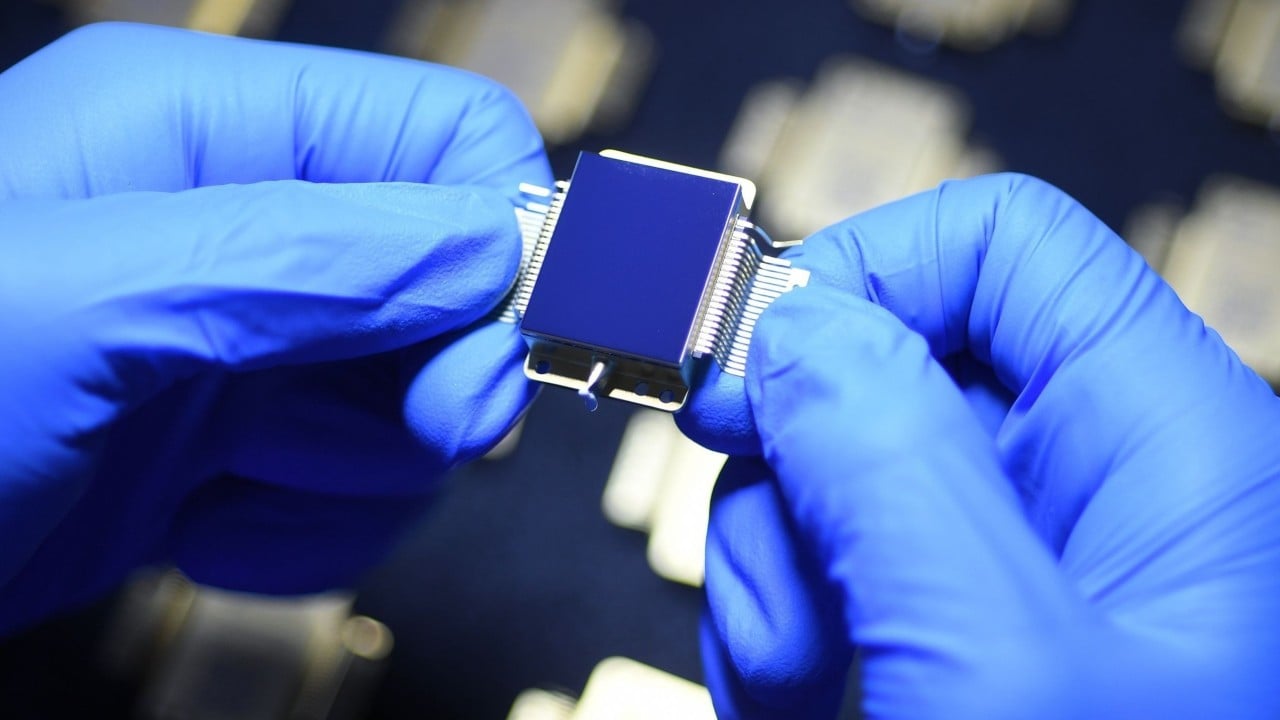
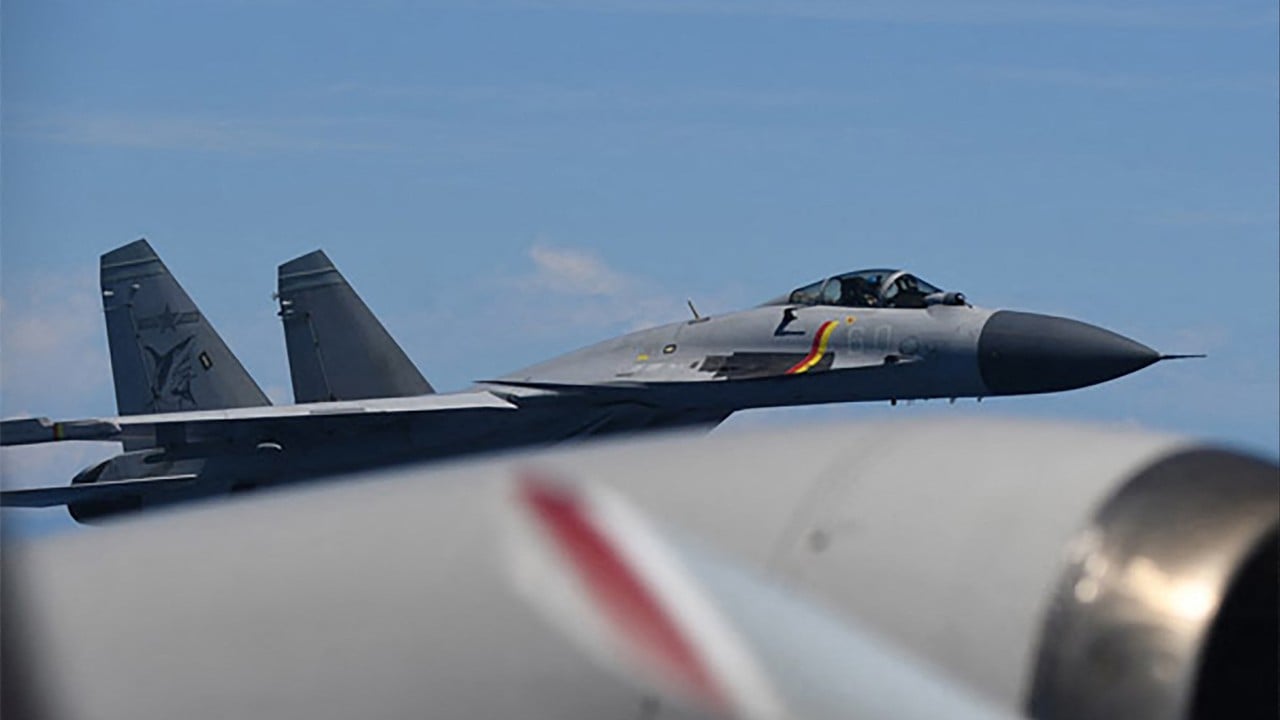
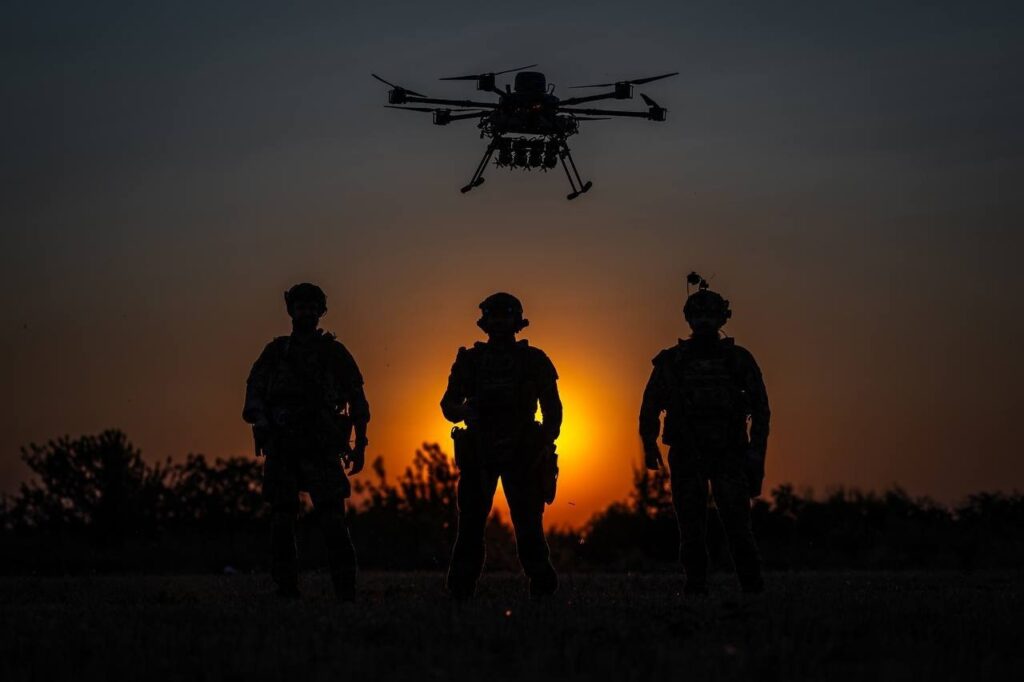
**Eye-Catching, Casual Title:** **China Slashes Military-Grade Tech Price to $20, Could Flood Global Market** A technological breakthrough in China is poised to make advanced military hardware as cheap as consumer electronics, potentially reshaping global security and industry. Researchers have dramatically reduced the cost of high-performance infrared imaging chips from thousands to just dozens of dollars [122499]. The innovation, developed by a team at Xidian University, allows these sensitive chips to be manufactured using standard silicon techniques. This process replaces the rare and expensive materials traditionally required for the technology, which detects heat instead of light [122499]. Such chips are crucial for military applications like night-vision gear and missile guidance systems [122499]. Mass production of the affordable chips is scheduled to begin before the end of the year. The price crash could lead to the widespread proliferation of what was once exclusive military hardware, making it accessible to a vast range of actors [122499]. Beyond defense, the cheap sensors are expected to rapidly improve civilian technologies, including smartphone cameras, navigation for self-driving cars, and industrial safety systems [122499]. In a related development from the same university, Chinese scientists have created a "smart surface" that can transform electromagnetic waves, like enemy radar signals, into electricity [36179]. This technology aims to enable future stealth aircraft to use the very energy sent to detect them as a power source, illustrating a dual-use approach that blends next-generation communication tech with advanced military capabilities [36179]. The cumulative effect of these advances signals a major shift in strategically important industries, where cutting-edge capabilities are becoming commoditized at an unprecedented pace [122499]. Chinese Military-Grade Tech Now Costs Less Than a Video Game Chinese Stealth Tech Could Turn Enemy Radar into a Power Source
Court Overturns African Football Champion, Strips Senegal of Title in Unprecedented Ruling
Court Overturns African Football Champion, Strips Senegal of Title in Unprecedented Ruling A top sports court has made a historic and shocking decision, stripping Senegal of its 2023 Africa Cup of Nations championship and awarding the title to Morocco instead [105769]. The Court of Arbitration for Sport (CAS) announced the ruling on Tuesday, overturning the result of the tournament's final played in January. Senegal had originally won the match to claim its first-ever continental title [105769]. The court's decision is final and cannot be appealed [105769]. The African football governing body, which referred the case to CAS, stated it will release the full details and reasoning behind the judgment later this week. No official reason for the overturn was provided in the initial announcement [105769]. This unprecedented move rewrites the recent history of African football, erasing Senegal's celebrated victory from the record books [105769]. The Africa Cup of Nations is the continent's premier international football competition [32394]. The ruling comes after a tournament that featured dramatic moments on the pitch, including a last-minute equalizer by Zambia's Patson Daka against Mali in the group stage [32394]. The final group stage matches included games with no bearing on qualification, such as defending champion Ivory Coast's match against already-eliminated Gabon [38697]. Court Shocker: Morocco Awarded Africa Cup Title, Overturning Senegal's Win Daka's Last-Minute Header Stuns Mali in AFCON Opener AFCON Finale: Why Play a Game That Doesn't Matter?


How Indigenous Tech and Viral Trends Are Fueling a Global Cultural Revival
How Indigenous Tech and Viral Trends Are Fueling a Global Cultural Revival From the Arctic to Latin America, communities worldwide are harnessing ancient traditions and modern platforms to assert their cultural identities, blending heritage with contemporary life in a powerful global movement. In the Pacific Northwest, marine ecologist Marco Hatch, a member of the Samish Indian Nation, is working with seven Indigenous communities to revive "clam gardens"—ancient, rock-walled beach terraces built by ancestors to boost shellfish harvests. By combining this traditional knowledge with modern science, they are restoring coastal ecosystems and reclaiming food sovereignty [120682]. A similar fusion is happening in music. A Sámi DJ duo from Norway's remote Arctic north draws direct inspiration from their Indigenous culture, blending modern electronic beats with the traditional rhythmic singing style known as *joik*. Their success meets a growing audience appetite for Indigenous-focused club music, proving cultural pride can fuel contemporary art [79759]. This cultural resurgence is also playing out online, sometimes in unexpected ways. A viral trend dubbed "Chinamaxxing" saw people globally adopting Chinese cultural habits like drinking hot water and wearing house slippers, garnering hundreds of thousands of views. For many of Chinese heritage, however, watching lifelong customs become a short-lived internet meme is a complex experience, highlighting the fine line between appreciation and fleeting trend [109231]. The momentum extends across hemispheres. In Latin America, Korean culture is booming, shifting the region's cultural landscape. In Santiago, Chile, young dancers practice in perfect sync to K-pop hits, guided by YouTube videos with billions of views, as Korean media, beauty, and cuisine gain massive appeal [118721]. Meanwhile, traditional practices are being passed to the youngest generations. A viral video from Arizona shows a nine-month-old boy enthusiastically attempting the Māori *haka*, a traditional dance from New Zealand, shouting and moving his arms alongside family members. The scene demonstrates how cultural roots are nurtured from the very first breath [122617]. Scholars note that this focus on cultural identity carries deep significance, particularly in times of conflict. One expert argues that defending unique literature, art, and history can resonate more powerfully than images of horror alone, connecting struggles to universal ideas of home and heritage [122155]. Clam Gardens Return: Ancient Indigenous Tech Revives Ecosystems Remote DJs Rise with Sámi Sound, Fueling Indigenous Pride Chinamaxxing: When Your Culture Becomes a Viral Meme Korean Wave Washes Over Latin America, Shifting Cultural Tides Arizona Baby's First Words? A Haka. Why Showing Atrocities Fails: A Scholar's View on Ukraine's Cultural War

Breakthrough U.S. Research Regrows Knee Joints, Offering Hope for Millions with Arthritis
Breakthrough U.S. Research Regrows Knee Joints, Offering Hope for Millions with Arthritis A radical new approach to treating osteoarthritis has moved a major step closer to reality, as U.S.-backed scientists announce they have successfully regrown entire knee joints in animals using the body's own biological repair systems. The breakthroughs, funded by the federal Advanced Research Projects Agency for Health (ARPA-H), involve three separate research projects that regenerated both bone and cartilage [122148]. This represents a potential paradigm shift from managing arthritis symptoms or replacing joints with artificial implants to actually restoring the original biological tissue. Osteoarthritis, a painful condition where the protective cartilage in joints breaks down, affects millions globally. The new techniques aim to stimulate the body's innate healing mechanisms to rebuild this damaged tissue [122148]. While the successful experiments have so far been conducted on animals, researchers are now planning human clinical trials based on these promising results [122148]. If these regenerative therapies prove successful in humans, they could fundamentally transform long-term care for arthritis sufferers, moving away from prosthetic joints and toward biological restoration [122148]. Lab-Grown Knees? U.S. Backs Radical Arthritis Breakthroughs

U.S. Forces Capture Venezuelan President Maduro in Unprecedented Military Raid
U.S. Forces Capture Venezuelan President Maduro in Unprecedented Military Raid In a dramatic and unprecedented military operation, United States forces captured Venezuelan President Nicolás Maduro on Saturday, seizing the sitting head of state from his own capital and transporting him to New York to face drug trafficking charges [41880]. The direct apprehension of a foreign leader on his home soil marks the first attack of its kind in South American history and has sent shockwaves across Latin America [41064]. President Donald Trump announced the capture, stating that the U.S. would oversee Venezuela's government and vowing that "American dominance in the western hemisphere will never be questioned again" [41064]. The precision operation, which also detained Maduro's wife, was carried out in Caracas before the couple was taken out of the country [41880][41460]. The bold strike has exposed a deep political split among regional governments [47126]. Nations historically critical of Maduro, including Colombia and Brazil, have offered cautious support for the action [47297]. Others, like Mexico and Bolivia, have condemned it as a dangerous violation of international law and national sovereignty [47297]. Despite public divisions, analysts report a private, shared fear among leaders of all political stripes that their nation could be next, forcing urgent internal reviews of their own vulnerability [47126][47297]. The United Nations Security Council has called an emergency meeting for Monday at Venezuela's request to address the incident [41880]. Experts warn the operation revives the long-standing U.S. "Monroe Doctrine," a policy of opposing foreign influence in the Americas, and is seen as a direct challenge to China's growing economic and diplomatic reach in the region [41460][45747]. U.S. Capture of Venezuela's Maduro Sends Shockwaves Through Latin America U.S. Capture of Maduro Sends Shockwave Through Latin America U.S. Captures Venezuela's Leader, Challenging China's Regional Reach Venezuela's President Seized by U.S., Faces Court in New York Trump Orders First Direct US Military Attack on South America Trump Revives US Habit of Ousting Latin American Leaders
Latest Articles
Timor-Leste at 20: Founding Leader Reflects on "Difficult First Steps"
Timor-Leste marks 20 years as an independent nation this May. The Southeast Asian country, also known as East Timor, gained sovereignty in 2002 afte...
Trump Mixes Easter Bunny with Iran War Threats
President Donald Trump hosted the annual White House Easter Egg Roll on Monday. He posed with a person in a large bunny costume for photographs with...
IMF Warns Middle East War Could Spark Historic Global Crisis
Oil prices are volatile as a U.S. deadline for Iran to reopen a critical shipping route approaches. The head of the International Monetary Fund warns...
Don't Toss Limp Herbs! Freeze, Dry, or Transform Them.
Have wilting rosemary or thyme in your kitchen? Don't throw them away. Experts say there are several easy ways to rescue past-their-best herbs. For...
A Teenager's Fatal Fall Into London's Criminal Underworld
Early one morning in November 2019, a surveillance camera at MI6 headquarters recorded a young man jumping from a fifth-floor balcony into the River...
Non-Speaking Author's Debut Novel Exposes "Dumping Ground" for Disabled Adults
Woody Brown's first novel offers a rare insider's view of life in a dismal adult daycare center. The author, a non-speaking autistic man, uses his ow...
Ozon's 'The Stranger': A Gorgeous, Updated Camus Adaptation
François Ozon’s new film is a modern take on Albert Camus’s classic 1942 novella, *L’Etranger*. The movie passionately honors the original story whil...
Pet Shop Boys Play No Hits, Fans Cheer
LONDON – Pop legends Pet Shop Boys began a special five-night concert series on Monday with a bold promise: they would play none of their famous hits...
Netflix Doc Recalls Chess's 'Anal Beads' Cheating Scandal
A new Netflix documentary examines the bizarre cheating scandal that rocked the world of professional chess. The film focuses on the 2022 incident wh...
Billionaire Offers €55 Billion for Taylor Swift's Music Label
Billionaire investor Bill Ackman has made a surprise offer to buy Universal Music Group (UMG). His hedge fund, Pershing Square, values the world's la...
Desperate for Work, Skilled Professionals Turn to AI Training
Many older, skilled workers are now training artificial intelligence (AI) systems as a last resort. Despite having degrees and years of experience, t...
Reform UK: No Visas for Nations Seeking Slavery Reparations
The Reform UK party says it would ban visas for citizens of any country that pursues slavery reparations from Britain. Zia Yusuf, the party's home a...
UK Caps Student Loan Interest at 6% to Halt 'Debt Trap'
The UK government will cap student loan interest at 6% starting this September. The move aims to protect graduates in England and Wales from rising r...
Harry Styles Curates Meltdown: Jazz, Pop and an Intimate Solo Show
Harry Styles has revealed the lineup for this year's Meltdown festival in London. He is serving as the event's guest curator. The festival will be h...
Trump Defies War Crime Concerns, Threatens Iran in Shutdown's 8th Week
The partial U.S. government shutdown has now lasted eight weeks. Congress is on recess until April 13. In a separate development, President Donald T...
UN Expert: US Using Mexico as 'Garbage Sink,' Causing Toxic Crisis
A United Nations investigator warns that Mexico is facing a severe "toxic crisis," with lax regulations turning the country into a dumping ground for...
Bay FC's Keira Barry Shocks with First England Call-Up
A major storm has forced a change to England's women's football squad. Forward Freya Godfrey has withdrawn due to a shoulder injury. Her replacement...
Aaron Ramsey Retires at 35, Ends Hopes of World Cup Finale
Former Wales captain and Arsenal midfielder Aaron Ramsey has retired from professional football at age 35. Ramsey had been without a club since leav...
Masters' Strict Rules Offer Golf a Quiet Escape
The Masters tournament is famous for its strict rules. Spectators, called "patrons," cannot use phones, litter, or cheer bad shots. Many find these...
Top Czech Women's Football Coach Arrested for "Non-Contact" Abuse
A star defender answered her phone to a police officer. She knew the rumors about her former coach. Now, she would learn the truth. Petr Vlachovsky,...