How Indigenous Tech and Viral Trends Are Fueling a Global Cultural Revival
How Indigenous Tech and Viral Trends Are Fueling a Global Cultural Revival From the Arctic to Latin America, communities worldwide are harnessing ancient traditions and modern platforms to assert their cultural identities, blending heritage with contemporary life in a powerful global movement. In the Pacific Northwest, marine ecologist Marco Hatch, a member of the Samish Indian Nation, is working with seven Indigenous communities to revive "clam gardens"—ancient, rock-walled beach terraces built by ancestors to boost shellfish harvests. By combining this traditional knowledge with modern science, they are restoring coastal ecosystems and reclaiming food sovereignty [120682]. A similar fusion is happening in music. A Sámi DJ duo from Norway's remote Arctic north draws direct inspiration from their Indigenous culture, blending modern electronic beats with the traditional rhythmic singing style known as *joik*. Their success meets a growing audience appetite for Indigenous-focused club music, proving cultural pride can fuel contemporary art [79759]. This cultural resurgence is also playing out online, sometimes in unexpected ways. A viral trend dubbed "Chinamaxxing" saw people globally adopting Chinese cultural habits like drinking hot water and wearing house slippers, garnering hundreds of thousands of views. For many of Chinese heritage, however, watching lifelong customs become a short-lived internet meme is a complex experience, highlighting the fine line between appreciation and fleeting trend [109231]. The momentum extends across hemispheres. In Latin America, Korean culture is booming, shifting the region's cultural landscape. In Santiago, Chile, young dancers practice in perfect sync to K-pop hits, guided by YouTube videos with billions of views, as Korean media, beauty, and cuisine gain massive appeal [118721]. Meanwhile, traditional practices are being passed to the youngest generations. A viral video from Arizona shows a nine-month-old boy enthusiastically attempting the Māori *haka*, a traditional dance from New Zealand, shouting and moving his arms alongside family members. The scene demonstrates how cultural roots are nurtured from the very first breath [122617]. Scholars note that this focus on cultural identity carries deep significance, particularly in times of conflict. One expert argues that defending unique literature, art, and history can resonate more powerfully than images of horror alone, connecting struggles to universal ideas of home and heritage [122155]. Clam Gardens Return: Ancient Indigenous Tech Revives Ecosystems Remote DJs Rise with Sámi Sound, Fueling Indigenous Pride Chinamaxxing: When Your Culture Becomes a Viral Meme Korean Wave Washes Over Latin America, Shifting Cultural Tides Arizona Baby's First Words? A Haka. Why Showing Atrocities Fails: A Scholar's View on Ukraine's Cultural War
Articles in this Cluster

Arizona Baby's First Words? A Haka.
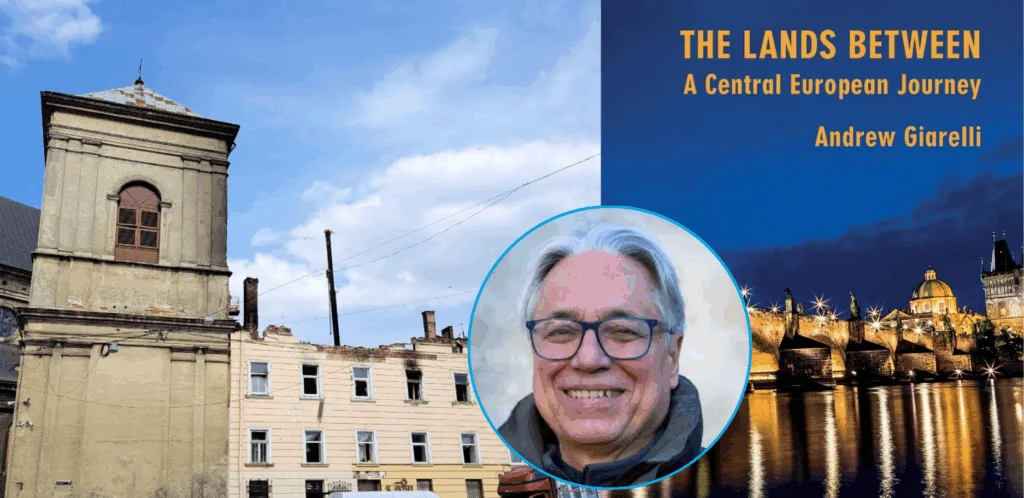
Why Showing Atrocities Fails: A Scholar's View on Ukraine's Cultural War
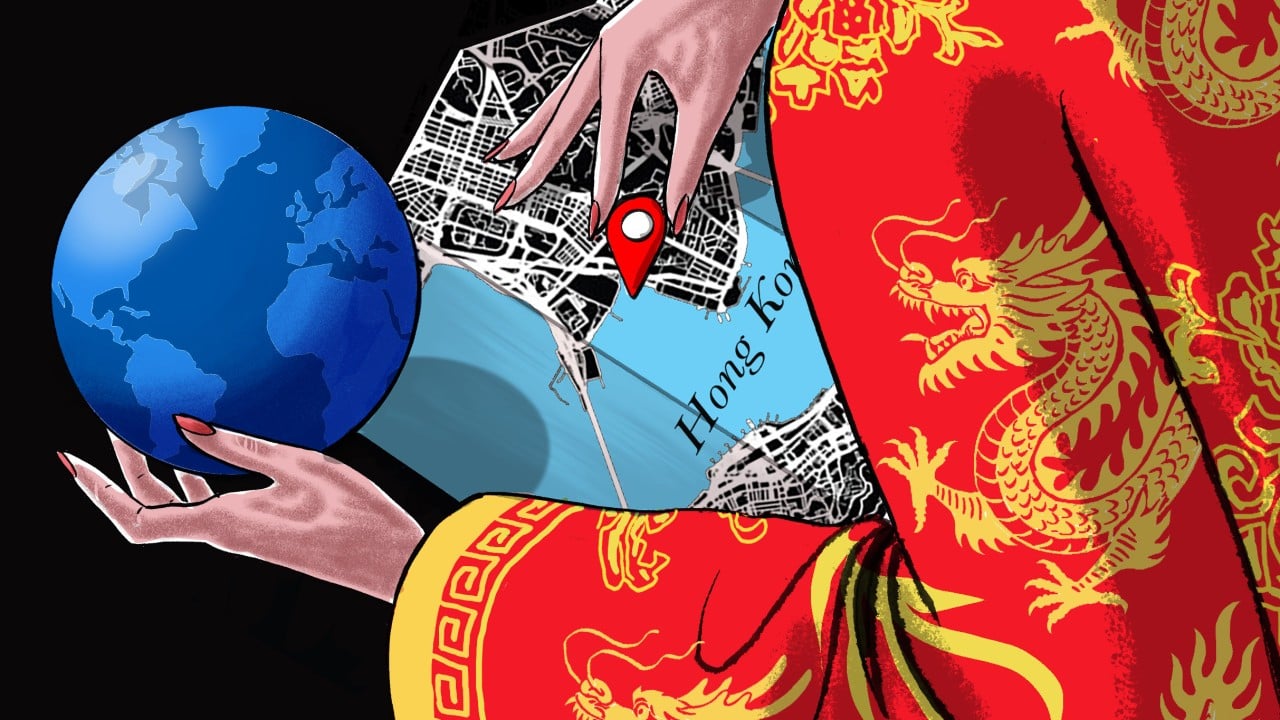
Hong Kong's Next Big Trade: Culture Over Capital?
Korean Wave Washes Over Latin America, Shifting Cultural Tides

China’s Cultural Heritage May Offer an Edge in Guiding AI
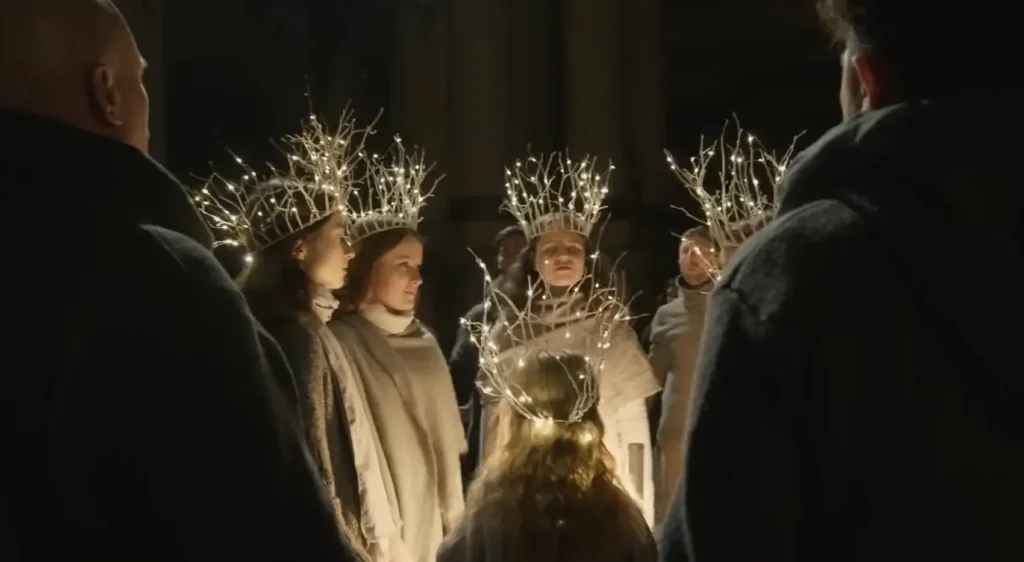
Ukrainian Christmas Carols: Ancient Sounds of Defiance and Hope

Feng Jicai: Chinese New Year is More Than Fireworks
Chinamaxxing: When Your Culture Becomes a Viral Meme

Christmas 2025: Surfing Santas, Dancing Cows, and Global Carols

Ch
Clam Gardens Return: Ancient Indigenous Tech Revives Ecosystems

Celine Dion's Paris Return: More Than a Concert, A "Cultural Treasure Hunt"
Remote DJs Rise with Sámi Sound, Fueling Indigenous Pride

Syria's North Caucasus Legacy: The Circassians' Enduring Identity