Latest News
Stay updated with the latest news and articles
Top Stories
U.S. Forces Capture Venezuelan President Maduro in Shock Raid, Sparking Regional Crisis
U.S. Forces Capture Venezuelan President Maduro in Shock Raid, Sparking Regional Crisis U.S. military forces have captured Venezuelan President Nicolás Maduro, removing him from his country to face drug trafficking charges in a New York court. The unprecedented operation has sent shockwaves across Latin America, dividing governments and raising fears of a new era of intervention [41460][41880]. President Donald Trump announced the capture, stating that U.S. forces conducted a "precision operation" in Caracas on Saturday, detaining Maduro, 63, and his wife [41460][41880]. The Venezuelan leader is scheduled for a court appearance in New York on Monday [41880]. The United Nations Security Council will convene an emergency meeting at Venezuela's request to address the incident [41880]. The dramatic seizure has split regional governments. While nations historically critical of Maduro, including Colombia and Brazil, have offered cautious support, others like Mexico and Bolivia have condemned the act as a blatant violation of international law and sovereignty [47297]. Analysts note that behind the public divisions, a private fear is spreading among leaders of all political stripes, who are now urgently assessing their own vulnerability to similar foreign actions [47126][47297]. The operation marks a stark revival of long-standing U.S. interventionist practices in the hemisphere, directly challenging other global powers with interests in the region [41465][41460]. Experts warn the move reasserts the "Monroe Doctrine," a U.S. policy historically used to oppose foreign influence in the Americas, and is intended to discourage Latin American nations from deepening partnerships with rivals like China [41460]. Beijing has become a leading trade partner and investor for many South American countries in recent years [45747]. The immediate focus remains on the escalating crisis in Venezuela and the legal proceedings against its deposed president. However, the long-term effect is a continent-wide atmosphere of suspicion and heightened geopolitical tension, as capitals recalibrate their relationships with Washington and each other [47126][47297]. U.S. Captures Venezuela's Leader, Challenging China's Regional Reach Venezuela's President Seized by U.S., Faces Court in New York U.S. Capture of Maduro Sends Shockwave Through Latin America U.S. Capture of Venezuela's Maduro Sends Shockwaves Through Latin America Trump Revives US Habit of Ousting Latin American Leaders Trump Targets Latin America, But China Holds the Lead

World Braces for Economic Warfare as Top Global Threat in 2026
World Braces for Economic Warfare as Top Global Threat in 2026 A new report from the World Economic Forum (WEF) has identified economic conflict between nations as the most severe and immediate danger to global stability. The warning highlights a world where geopolitical rivalry is increasingly fought with the weapons of trade, supply chains, and investment [49991]. The WEF's latest Global Risks Report states that this "geoeconomic confrontation" now ranks above all other global dangers for the next two years. The short-term outlook is dominated by three interconnected threats: geopolitical rivalry, the rapid spread of misinformation, and severe social and political polarization [49991]. This shift signifies a decisive move away from decades of economic cooperation. States are now actively weaponizing economic tools in their strategic competitions, creating a volatile environment that threatens international stability and growth [49991]. The findings will be a central topic at the WEF's annual meeting in Davos, Switzerland, next week [49991]. The warning comes as the global economy faces a critical "turning point," according to the International Monetary Fund (IMF). IMF Managing Director Kristalina Georgieva has detailed the challenges of global debt, inflation, and economic fragmentation in a recent interview [126881]. While some analysts point to deep economic interdependence that makes countries reluctant to pick sides, the new report suggests national strategies are overriding these ties [6971]. The resulting fragmentation is seen as a primary risk, with the potential to disrupt recovery and amplify uncertainty worldwide [49991]. Geoeconomic Warfare Named Top Global Threat for 2026 IMF Chief Warns: Global Economy at a "Turning Point" Globalization Shifts, But It Doesn't Reverse
Governments Unleash 10,000 Homes, Major Bills to Tackle Global Housing Crunch
Governments Unleash 10,000 Homes, Major Bills to Tackle Global Housing Crunch From Hawaii to Washington D.C., governments are taking aggressive, direct action to combat severe housing shortages by increasing supply and reclaiming homes from the tourist market. The moves represent a significant shift in policy to address a crisis driving residents out of cities and into cramped or illegal living conditions. In a dramatic move targeting its tourism economy, Hawaii's governor has ordered the conversion of 10,000 short-term rental units into local housing [61634]. The plan will use new laws and tax rules to force condos and houses currently used as vacation rentals back into the long-term market for residents. Officials directly blame the large number of short-term rentals for reducing supply, increasing prices, and driving local residents away [61634]. Simultaneously, the U.S. Senate has passed its most significant housing legislation in decades, a major bipartisan package aimed at reducing costs by funding and encouraging the construction of new homes [100719]. Senator Elizabeth Warren, a key proponent, stated the core idea is to "bring down housing costs by just having more of it" [100991]. The bill's goal is to increase supply to address a primary driver of high prices, though it now faces an uncertain path in the House of Representatives [100719]. These supply-side interventions come as cities worldwide grapple with the consequences of housing scarcity. In Cape Town, a surge in tourism and short-term rentals is forcing low-income residents out of the central city and into illegal, unsafe housing, as property prices soar [39353]. The city highlights a global conflict where the economic benefits of tourism create severe housing shortages for local workers [117472]. The crisis is forcing extreme adaptations. In Seoul, soaring rents are pushing young professionals back into tiny, windowless *goshiwon* rooms—ultra-basic dormitory-style accommodations they thought they had left behind [21300]. In Britain, high costs are creating multigenerational groups of flatmates, with people in their 40s and beyond sharing houses because they cannot afford to buy or rent alone [70584]. While the new government actions are substantial, experts note that success requires consistent funding, clear rules, and faster construction to meet overwhelming demand [108999]. Hawaii to Seize 10,000 Vacation Rentals in Housing Crisis Move U.S. Senate Passes Major Housing Bill, But House Hurdle Looms Senate Passes Bill to "Flood the Market" with New Homes Tourism Boom Pushes Workers Into Illegal Homes Tourists in Luxury, Locals in Shacks: Cape Town's Coastal Divide Soaring Rents in Seoul Force Workers Back into Tiny 'Goshiwon' Rooms Britain's Unlikely Housemates: From Students to Seniors Nigeria's Housing Crisis: Can a "Diaspora Mortgage" Help?

Turkish Stocks Surge 2.1% in 2026's First Session as Central Bank Fuels Rally
Turkish Stocks Surge 2.1% in 2026's First Session as Central Bank Fuels Rally Turkey's stock market is experiencing a period of intense volatility and sharp rallies, driven primarily by direct intervention from the country's central bank and shifting investor sentiment. The benchmark BIST 100 index, which tracks Turkey's top 100 companies, opened the first trading day of 2026 with a powerful surge, jumping 2.1% and gaining 236.86 points [40181]. This followed a pattern of significant single-day gains, including a previous rally where the index closed up 2.34%, or approximately 316.4 points [71758]. A major catalyst for the market's upward moves is a new policy from the Central Bank of the Republic of Turkey (CBRT). The bank has begun providing cheaper financing to lenders who increase their purchases of domestic stocks, a strategy designed to directly pump money into the equity market [80220]. This intervention has led to sharp increases, such as a 32.6-point gain on the day the policy was announced [80220]. The market's trajectory, however, has been uneven. The BIST 100 has shown itself to be highly reactive, capable of strong opens, like a 99.1-point gain at a midweek session [110976] or a 40.2-point rise on a Tuesday morning [12090]. Yet these gains are not always sustained, and the index has also posted notable single-day declines, including a drop of 30.85 points [12525]. Analysts note the market is emerging from a period of high volatility and investors are watching for signs of broader economic stability [40181]. The performance highlights a market increasingly influenced by domestic monetary policy. The central bank's direct support for equities marks a clear shift, with its tools now being used to encourage investment in local stocks [80220]. Market observers are monitoring whether this government-fueled positive trend will hold in the coming weeks. Turkish Stocks Soar 2.1% in First Session of 2026 Turkish Stocks Surge 2.3% in Single-Day Rally Turkish Stock Market Surges on Central Bank Boost Turkish Stocks Surge in Midweek Rally Turkish Stock Market Opens Higher on Tuesday Turkish Stock Market Drops on Tuesday
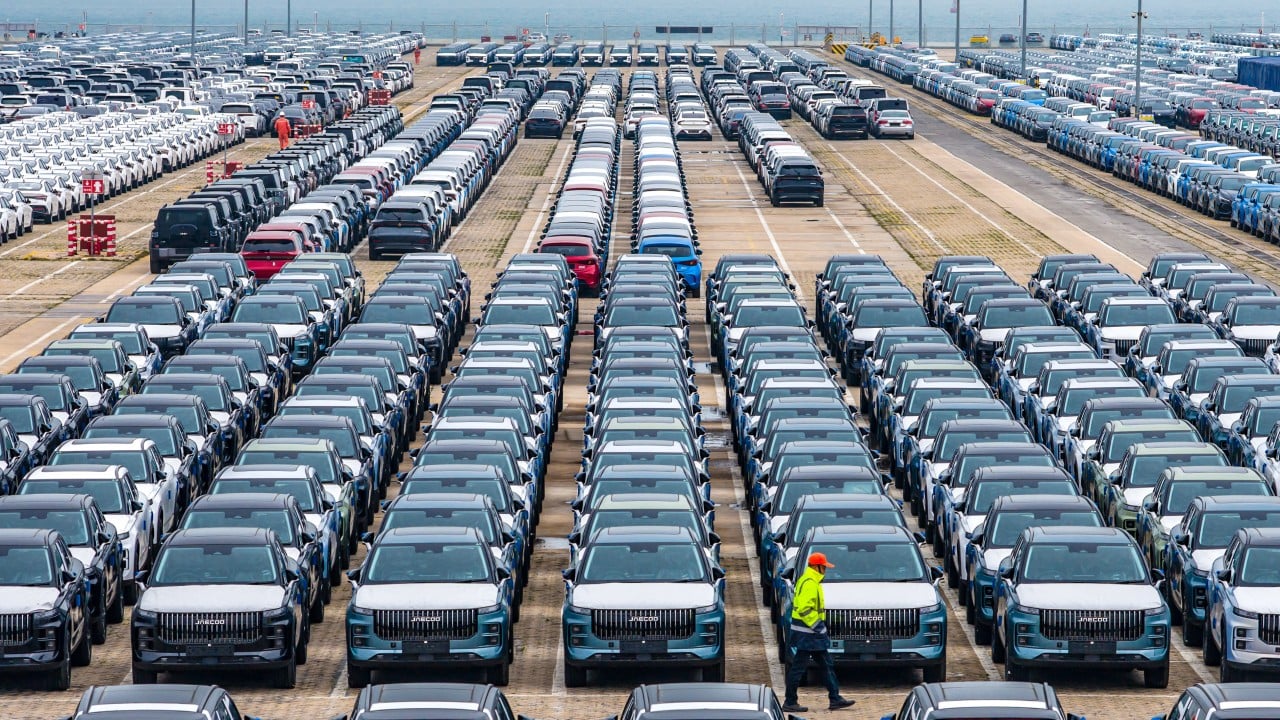

Russia Spends $130 Billion on Sanctions Dodge, Still Can't Get Key Tech
Russia Spends $130 Billion on Sanctions Dodge, Still Can't Get Key Tech Russia has funneled over $130 billion into a massive, clandestine effort to bypass Western sanctions since its 2022 invasion of Ukraine, according to a new intelligence report. Despite the enormous expenditure, the Kremlin remains unable to acquire critical high-tech components for its military and industries, even as it adopts new, deadly combat tactics and seeks financial lifelines from its oligarchs and foreign partners [127597]. The staggering sum, revealed by Latvia’s State Security Service (VDD), represents the premium Russia is paying to smuggle sanctioned goods through complex networks of third countries. The report indicates that Russian President Vladimir Putin is likely receiving reports that downplay the full scale of these economic losses, potentially blinding him to the true cost of the war [127597]. To sustain its military campaign, the Kremlin is turning to domestic billionaires for direct cash injections. Putin has personally solicited donations from Russian oligarchs to fund the war effort, highlighting the severe strain on state finances from a defence budget that surged 42% last year [112938]. This internal pressure coincides with a new battlefield strategy in Ukraine: using pairs of Iranian-made "Shahed" drones. The first acts as a decoy to expose Ukrainian air defence teams, while a second immediately attacks the revealed position [127820]. Internationally, Russia is working to solidify economic alliances to offset Western isolation. Foreign Minister Sergey Lavrov traveled to Beijing for high-level talks with Chinese officials, coordinating their positions amid global crises [127451]. Meanwhile, India and Russia are finalizing a major, long-term oil and gas deal, securing a guaranteed buyer for Russian energy and a stable supply for New Delhi [127258]. Despite these efforts, Russia continues to seize assets from foreign companies that left the country after the invasion. In a conflicting move, Putin ordered the seizure of a $700 million beverage can factory owned by a U.S.-linked firm, even as other officials push for renewed diplomacy with Washington [126123]. Expert analysis suggests the Kremlin feels no urgency to end the conflict, believing its current battlefield position is strong enough to wait out Western resolve [17045]. Putin's public demands for peace talks continue to require Ukrainian surrender of territory, with the goal of ending Ukraine's sovereignty [80394]. This determination for a long war persists despite the compounding economic damage from the costly sanctions evasion campaign [17910]. Russia Spent $130 Billion to Dodge Sanctions, Key Goods Still Missing Putin Seeks Oligarch Donations to Fund War as Defence Budget Strains Russia's New Tactic: One Drone to Distract, a Second to Kill Russia's Lavrov Flies to China as US-Iran Crisis Simmers India and Russia to Seal Major Energy Deal as Iran Tensions Rise Russia Seizes US-Linked Firm While Seeking Washington's Friendship Russia Holds Advantage, In No Rush on Ukraine Deal, Expert Says Putin's "Peace" Talks Demand Ukraine's Surrender Putin Signals Long War in Ukraine Amid Economic Strain

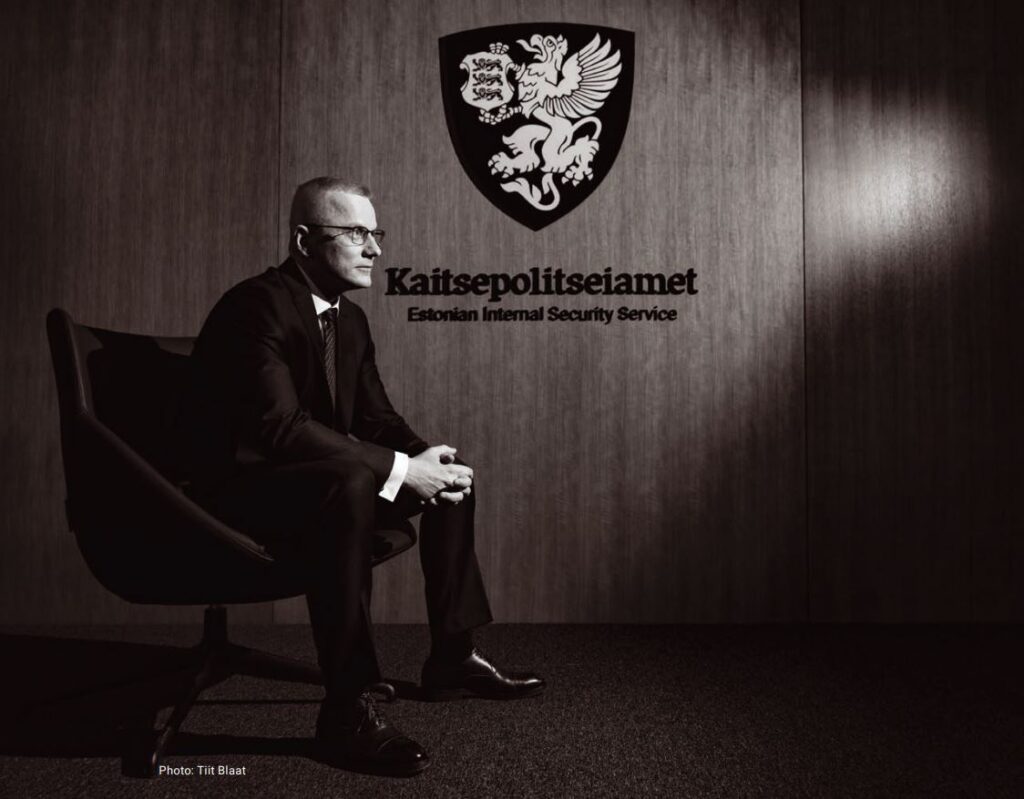
Trump Launches Unprecedented Attacks on Pope, Drawing Sharp Rebuke from U.S. Church Leaders
Trump Launches Unprecedented Attacks on Pope, Drawing Sharp Rebuke from U.S. Church Leaders Former U.S. President Donald Trump has launched a series of extraordinary public attacks on the leader of the Catholic Church, prompting a significant political and moral challenge from top American cardinals. In a lengthy social media post and subsequent remarks to reporters, Trump criticized Pope Leo, stating, "I'm not a fan" and accusing the pontiff of being "too liberal" and catering to the political left [127276]. In a separate post, Trump extended his criticism to a historical figure, labeling the late Pope Leo XIII, who led the Church in the 19th century, as "weak on crime" [127306]. This direct confrontation from a major political figure has deepened a visible rift over international policy and war, with Pope Leo being a prominent voice for diplomacy and peace [127276]. In response, influential American cardinals are now publicly opposing key Trump administration policies, particularly on Iran and immigration, aligning themselves with the Pope's stance [127210]. Senior U.S. church leaders have voiced strong concerns about the risk of war with Iran and harsh immigration rhetoric, creating a new tension with a large part of Trump's political base: conservative Christian voters [127457]. The cardinals' warnings mark a significant challenge, arguing these policies conflict with core Catholic teachings on peace and human dignity [127210]. Their criticism follows strong, repeated statements from Pope Leo condemning the war in Iran and policies of mass migrant deportation, which have given U.S. church leaders confidence to speak out [127210]. This alignment between the Pope and American cardinals places religious leadership in direct opposition to the current U.S. political agenda and could influence millions of Catholic voters [127210]. Trump Attacks Pope: "Not a Fan," Says Pontiff Too Liberal Trump Targets Pope: Criticizes 19th-Century Pontiff as "Weak on Crime" U.S. Cardinals Challenge Trump on Iran and Immigration, Backed by Pope Top U.S. Cardinals Criticize Trump Policies, Risking Key Christian Support
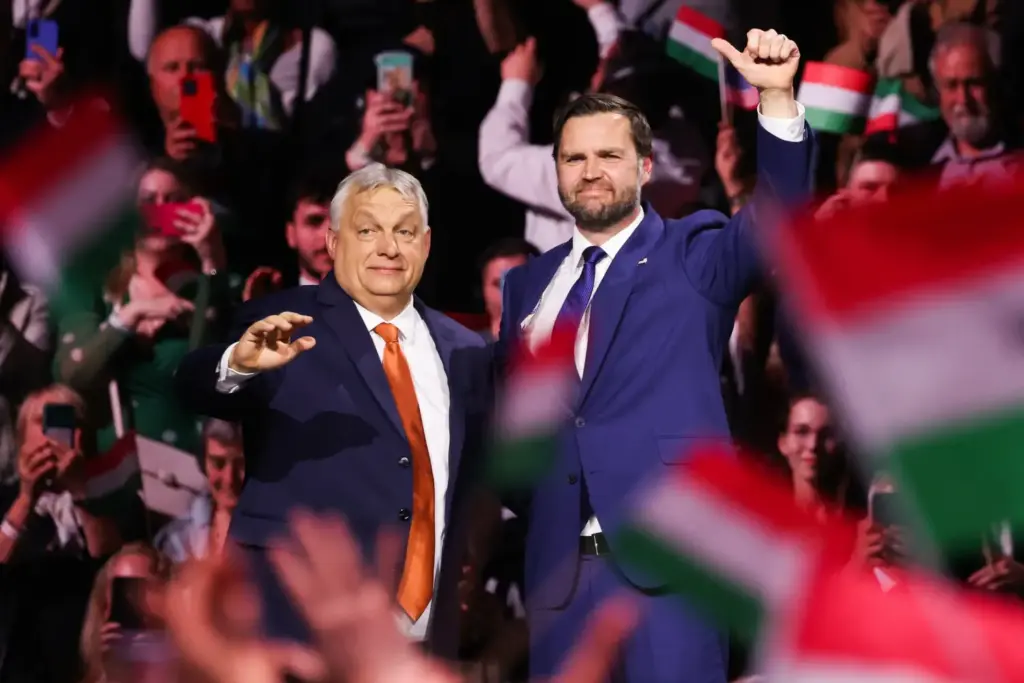

Europe's €1 Trillion Military Tab Exposes Stark Dependence on U.S.
Europe's €1 Trillion Military Tab Exposes Stark Dependence on U.S. A sobering new assessment reveals the staggering cost of European strategic independence, putting a price tag of up to €1 trillion on the continent's freedom from American military support. The figure, equivalent to 10% of the European Union's total economic output, was cited by outgoing Dutch Prime Minister Mark Rutte as the investment required for a fully autonomous "war-fighting and war-winning" defense industry [60363]. The revelation underscores Europe's deep and costly reliance on the United States for its security, a dependency that is increasingly seen as a critical vulnerability. Analysts warn that the EU has focused on regulation and moral arguments while its real economic and military power has eroded, leaving it exposed to pressure from both the U.S. and China [69895]. This weakness is compounded by Europe's parallel dependence on American digital technology, from cloud computing to essential software, making any attempt to assert "digital sovereignty" against U.S. tech giants extremely difficult [58167]. Facing this reality, European leaders are now advocating for a more pragmatic and immediate goal: a stronger European pillar within the existing NATO alliance, rather than full independence [60363]. The urgent priority, they argue, is credible deterrence against Russia, which requires steady defense spending at or above 2% of GDP—a target many nations are now meeting [60363]. The debate over military spending is intensifying as Russia accuses the EU of preparing for a "major war," citing the bloc's nearly 60% surge in defense funding since 2022 [127947]. Meanwhile, a separate report claims the U.S. is leveraging Europe's need for American military protection to force policy changes, with Silicon Valley firms and the White House applying coordinated pressure on European regulators [44570]. The immense cost of autonomy highlights a fundamental contradiction for Europe. While it seeks to project global influence and act independently, its path is blocked by the monumental financial and industrial investment required to break free from the security framework that has underpinned its stability for decades [60363] [95616]. Europe's €1 Trillion Question: Can It Buy Military Independence? Trump Era Demands "Political Adults" in EU, Analysts Warn Europe's Digital Dilemma: Reliant on US Tech It Seeks to Curb Russia Accuses EU of "Major War" Preparations After Defense Spending Surge US Tech Giants and White House Ally to Pressure EU, Report Warns Piketty: U.S. Military Moves Signal Weakness, Not Strength


AI "Officers" and Digital Clones: China's Military and Companies Push AI Into Daily Life and Warfare
AI "Officers" and Digital Clones: China's Military and Companies Push AI Into Daily Life and Warfare China is accelerating its integration of artificial intelligence into the core functions of its military and corporate sector, with new developments revealing AI systems taking on roles from battlefield command to replacing human workers. These advances highlight a rapid, state-backed push to deploy AI for strategic advantage. In a recent military simulation, a new Chinese AI system acted as a digital staff officer during a simulated amphibious assault. Operating in a battalion command tent, the AI processed chaotic battlefield reports and radio traffic to cut through the "fog of war," providing rapid decision-making support that reportedly surpassed human planning speed [124817]. The AI is designed for the battalion level, indicating integration into frontline military command structures [124817]. Parallel to this militarization, Chinese companies are deploying AI in ethically contentious ways within the workplace. A gaming company in Shandong province is facing criticism for creating an AI-powered digital clone of a former human resources employee using his personal data. This "digital worker" continued to perform tasks after the real employee had resigned, raising serious legal and ethical questions about consent and the future of work [126579]. The aggressive adoption is supported by a national education strategy. Chinese authorities have launched an "AI+ Education" action plan, mandating that artificial intelligence be integrated into curricula at all levels, from primary school to adult career training. The directive aims to make AI skills a fundamental national competency to prepare the workforce for global technological competition [127274]. Further demonstrating the scope of China's AI ambitions, technology giant Alibaba will embed its large language model, Qwen, into the core digital systems of the 2026 Winter Olympics in Milano Cortina. The AI will power "Olympic AI Assistants" designed to generate commentary, create social media summaries, and act as a multilingual chatbot for staff and broadcasters [66986]. China's New AI "Officer" Outsmarts Humans in War Games Ex-Employee Replaced by AI Clone, Keeps "Working" After Quitting China Orders AI Lessons for All Students, From Primary School Up AI to Call the Shots? Alibaba Brings LLM to 2026 Winter Olympics


Turkey Assumes Command of Key NATO Naval Force, Leads Major Drills with Homegrown Tech
Turkey Assumes Command of Key NATO Naval Force, Leads Major Drills with Homegrown Tech Turkey has taken command of a critical NATO naval strike force and is deploying thousands of troops and domestically developed technology in the alliance's largest exercises this year, marking a significant operational role for the nation within the Western military bloc [54453][70222][80228]. The Turkish Naval Forces formally assumed leadership of the NATO Amphibious Task Force and its Landing Force Command on July 1, a command role it will hold for one year [54453]. This powerful naval group is designed for complex assaults from sea to land. Concurrently, Turkish forces are deeply involved in major NATO drills across Europe. The first Turkish military aircraft have landed in Germany, deploying approximately 2,000 personnel for the Steadfast Defender 24 exercise, NATO's biggest drill this year [70222]. In a separate, future-focused exercise, Steadfast Dart 2026, Turkish naval and army units are conducting joint amphibious operations in Germany, showcasing the country's own domestically produced defense platforms [80228]. These exercises test the alliance's rapid deployment and interoperability, with Turkey playing a central planning and execution role from both sea and land [54453][80228]. The prominent use of Turkish-made military technology during the drills highlights the nation's growing defense industrial capabilities [80228]. In a related international security mission, Turkey has also joined a new task force led by the Organization for the Prohibition of Chemical Weapons (OPCW). The mission's goal is to find and eliminate the final remnants of Syria's chemical weapons program, leveraging Turkey's border proximity and regional expertise [106495]. Turkey Assumes Command of Key NATO Naval Strike Force **NATO's Biggest 2024 Drill Begins with Turkish Troops Landing in Germany** Turkish Forces Deploy Homegrown Tech in Major NATO Drill Turkey Joins Mission to Destroy Syria's Last Chemical Weapons


Ukraine Ramps Up Missile Tech, Inks Major Deal with German Arms Giant
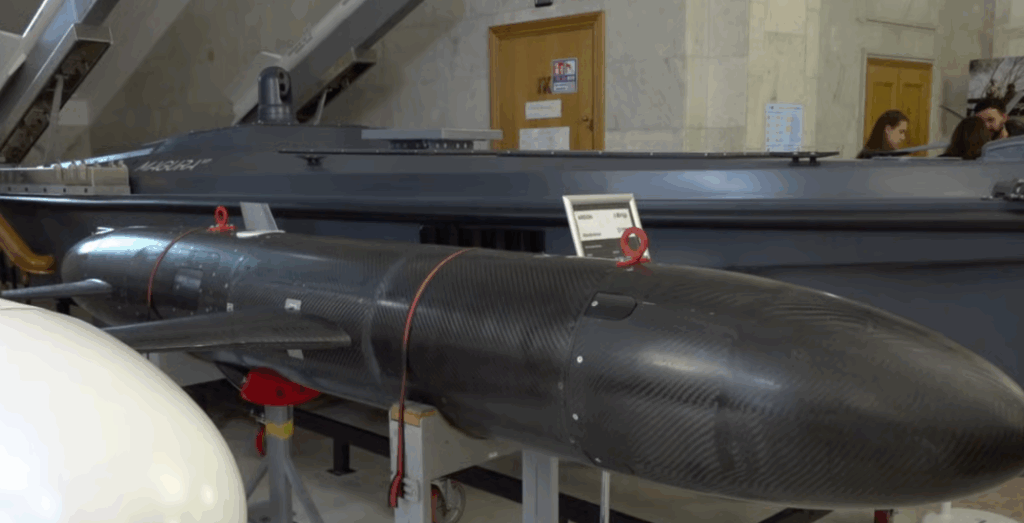
Ukraine Ramps Up Missile Tech, Inks Major Deal with German Arms Giant Ukraine is advancing its domestic missile and space capabilities while forging a key industrial partnership with a NATO defense leader, signaling a long-term strategy to bolster its military strength against Russia. In a significant milestone, Ukraine successfully launched two rockets into space from its own territory for the first time since the full-scale invasion began. A member of parliament stated the launches prove the country's missile defense and long-range strike systems remain operational and capable of hitting "any target on land, at sea, or in the air" [127816]. Officials also announced the formation of a new "space force" branch within the Air Force [127816]. Concurrently, Ukraine has developed a new, highly mobile missile system named the "Areion." Built on the framework of the Neptune anti-ship missile, the trailer-mounted system is designed for precise land attacks and is noted for hitting with the force of a cruise missile while being easy to move and conceal [127811]. In a major industrial move, German defense conglomerate Rheinmetall has entered a partnership with Ukraine's state-owned "Artem" company, the designer of the Ruta missile system. The joint venture, based in Germany, aims to further develop and produce the system, with Rheinmetall stating a goal to "scale it across NATO" [127813]. This integration of Ukrainian combat-tested technology directly into Western arms manufacturing marks a deepening of defense industry ties. The developments come amid a fragile and violated battlefield truce. A temporary ceasefire announced for the Orthodox Easter holiday quickly broke down, with both sides accusing the other of hundreds, and in some claims thousands, of violations [127058][126765]. Ukrainian President Volodymyr Zelensky has vowed that his forces will deliver a "symmetrical" military response to any Russian attacks [127229][126699]. Ukraine Fires Rockets From Its Own Soil, Announces Space Force Plans Ukraine's Secret Weapon: A Trailer-Mounted Missile That Hits Like a Cruise Missile German Arms Giant Rheinmetall Teams With Ukraine's Missile Makers Ukraine Vows "Symmetrical" Response to Russian Attacks Ukraine Vows "Symmetrical" Response to Russian Attacks Easter Truce Shattered, Russia and Ukraine Trade Blame Ukraine, Russia Trade Blame as Easter Cease-Fire Falters

Latest Articles
Tongan Titans Clash: Teammate Must Topple His Idol
Taniela Paseka grew up idolizing fellow Tongan star Jason Taumalolo. This weekend, he must try to stop him. The two players are teammates for the To...
Australia Considers Joining Strait of Hormuz Military Mission
Australia is in talks to send warships to help protect the Strait of Hormuz. The government will join 40 other nations in urgent discussions about r...
"Inflation Mentality" Could Trigger Recession, Economist Warns
A top economist warns that Australia faces a growing risk of recession. The danger comes from what he calls an "inflation mentality." This is a wide...
Suspect in OpenAI Attack Targeted Top A.I. Leaders, Police Say
A 20-year-old Texas man arrested for attacking the home of OpenAI CEO Sam Altman had a list of other artificial intelligence (A.I.) leaders, official...
Protesters Block NYC Traffic, 90 Arrested in Demo Against Israel Arms Sales
Approximately 90 people were detained in New York City on Thursday after protesters blocked a major Manhattan street. The demonstration was organize...
Rock Hall 2024: Oasis, Sade, and Phil Collins Lead Surprise Inductees
The Rock & Roll Hall of Fame has announced its 2024 inductees, featuring a mix of iconic bands and legendary solo artists. The headline class include...
U.S. AI Expert's Warning: "We Can't Beat China"
A leading American artificial intelligence expert has issued a stark assessment after a research trip to China: the United States is not positioned t...
Sid Krofft, Puppet Master of Psychedelic Kids' TV, Dies at 96
Sid Krofft, who created a wave of surreal children's television with his brother Marty, has died at 96. The Krofft brothers produced a string of biz...
Trump's Ally Stumbles: Orban Election Loss Alarms MAGA
A major political defeat in Europe is causing concern among some of Donald Trump's closest allies. Viktor Orban, Hungary's long-serving prime minist...
Vance to Pope: "Stay Out of American Politics"
U.S. Vice President Mike Vance, a Catholic, has told Pope Leo to stop commenting on U.S. affairs. He made the statement while defending President Tru...
Swalwell Exit Shakes California and National Democrats
The sudden withdrawal of U.S. Representative Eric Swalwell from California’s governor’s race has created immediate political uncertainty. His decisio...