Governments Unleash 10,000 Homes, Major Bills to Tackle Global Housing Crunch
Governments Unleash 10,000 Homes, Major Bills to Tackle Global Housing Crunch From Hawaii to Washington D.C., governments are taking aggressive, direct action to combat severe housing shortages by increasing supply and reclaiming homes from the tourist market. The moves represent a significant shift in policy to address a crisis driving residents out of cities and into cramped or illegal living conditions. In a dramatic move targeting its tourism economy, Hawaii's governor has ordered the conversion of 10,000 short-term rental units into local housing [61634]. The plan will use new laws and tax rules to force condos and houses currently used as vacation rentals back into the long-term market for residents. Officials directly blame the large number of short-term rentals for reducing supply, increasing prices, and driving local residents away [61634]. Simultaneously, the U.S. Senate has passed its most significant housing legislation in decades, a major bipartisan package aimed at reducing costs by funding and encouraging the construction of new homes [100719]. Senator Elizabeth Warren, a key proponent, stated the core idea is to "bring down housing costs by just having more of it" [100991]. The bill's goal is to increase supply to address a primary driver of high prices, though it now faces an uncertain path in the House of Representatives [100719]. These supply-side interventions come as cities worldwide grapple with the consequences of housing scarcity. In Cape Town, a surge in tourism and short-term rentals is forcing low-income residents out of the central city and into illegal, unsafe housing, as property prices soar [39353]. The city highlights a global conflict where the economic benefits of tourism create severe housing shortages for local workers [117472]. The crisis is forcing extreme adaptations. In Seoul, soaring rents are pushing young professionals back into tiny, windowless *goshiwon* rooms—ultra-basic dormitory-style accommodations they thought they had left behind [21300]. In Britain, high costs are creating multigenerational groups of flatmates, with people in their 40s and beyond sharing houses because they cannot afford to buy or rent alone [70584]. While the new government actions are substantial, experts note that success requires consistent funding, clear rules, and faster construction to meet overwhelming demand [108999]. Hawaii to Seize 10,000 Vacation Rentals in Housing Crisis Move U.S. Senate Passes Major Housing Bill, But House Hurdle Looms Senate Passes Bill to "Flood the Market" with New Homes Tourism Boom Pushes Workers Into Illegal Homes Tourists in Luxury, Locals in Shacks: Cape Town's Coastal Divide Soaring Rents in Seoul Force Workers Back into Tiny 'Goshiwon' Rooms Britain's Unlikely Housemates: From Students to Seniors Nigeria's Housing Crisis: Can a "Diaspora Mortgage" Help?
Articles in this Cluster
From Battlefield to Building Sites: Ex-General Takes On Dutch Housing Crisis
From Homeless Child to Housing Hero: Nigerian Doctor Builds 100 Free Homes for Widows
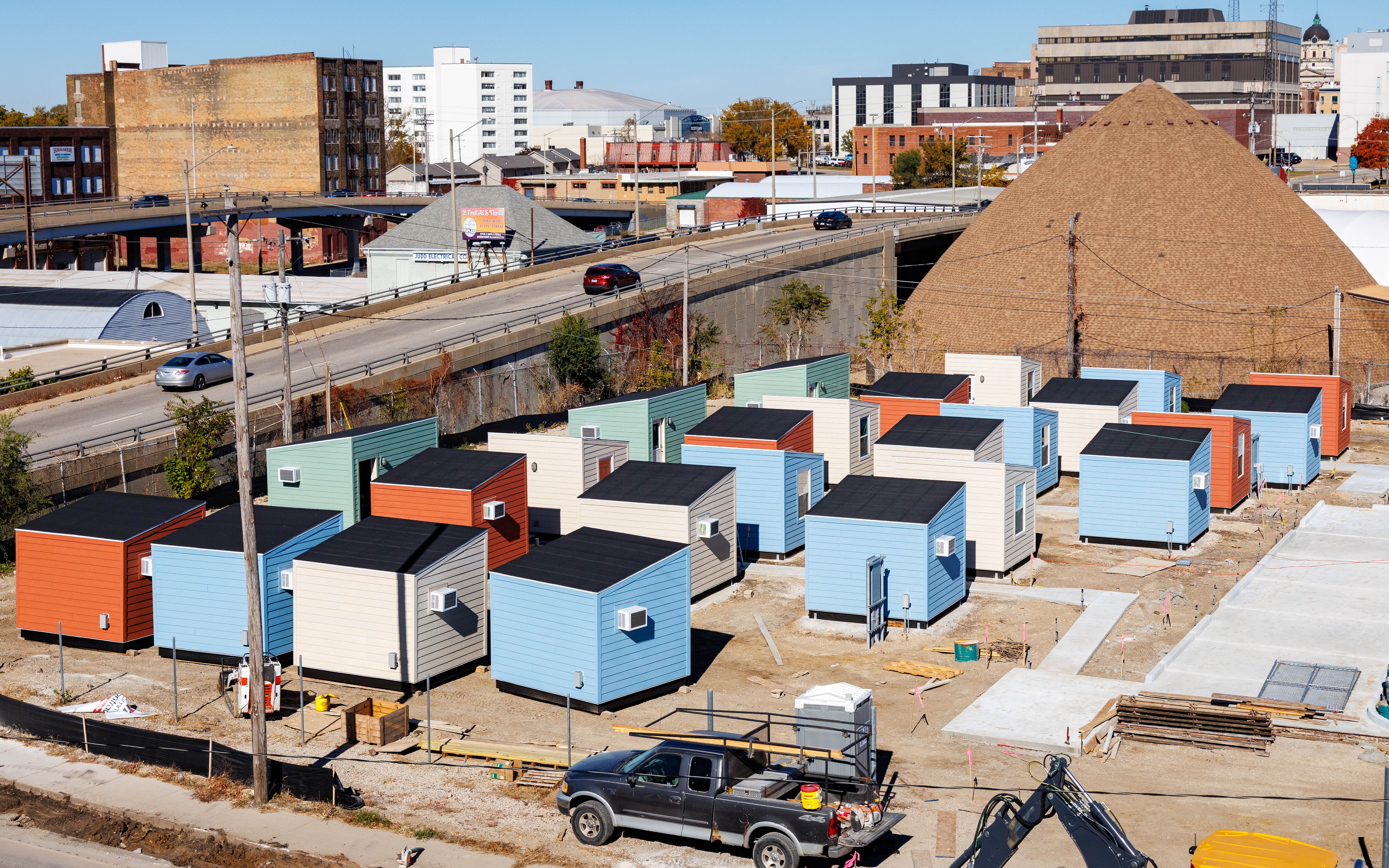
Tiny House Village Offers "Bridge" From Streets to Homes
Hawaii to Seize 10,000 Vacation Rentals in Housing Crisis Move

Tourism Boom Pushes Workers Into Illegal Homes
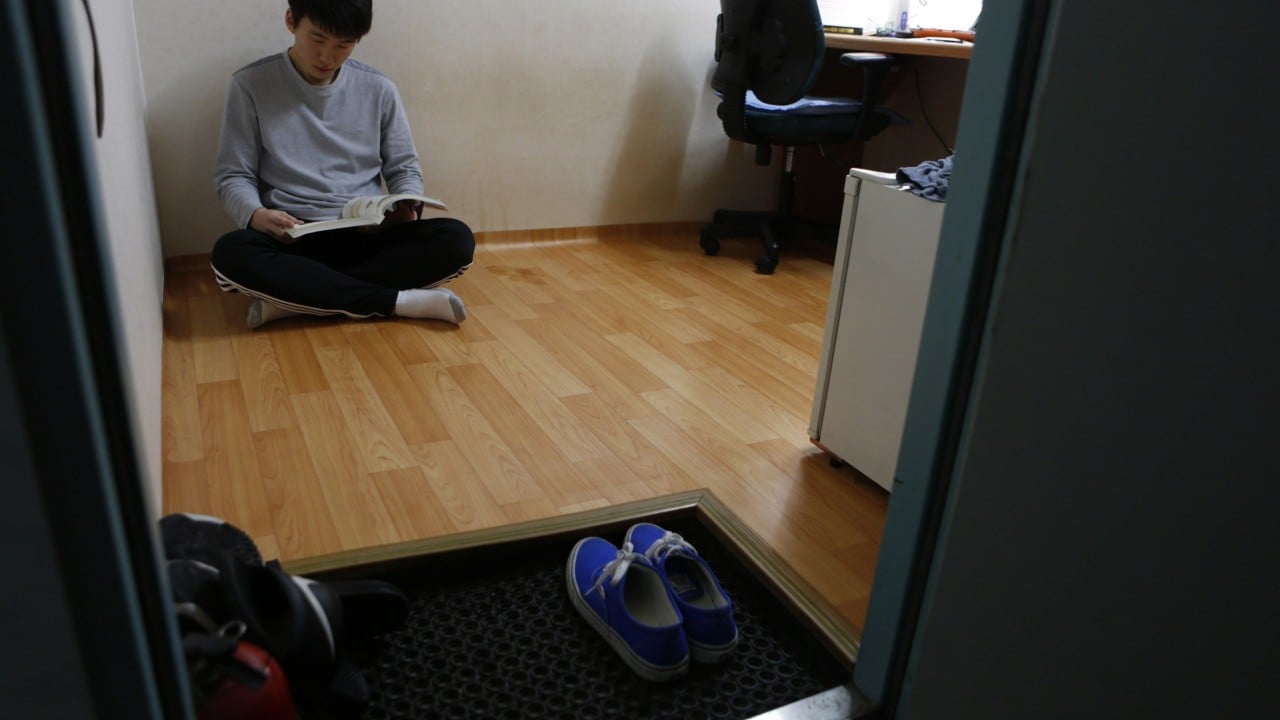
Soaring Rents in Seoul Force Workers Back into Tiny 'Goshiwon' Rooms
Tunnel to Towers Donates 50 Mortgage-Free Smart Homes to Injured Veterans
Delta State Tackles Student Housing Crisis with Major Hostel Expansion
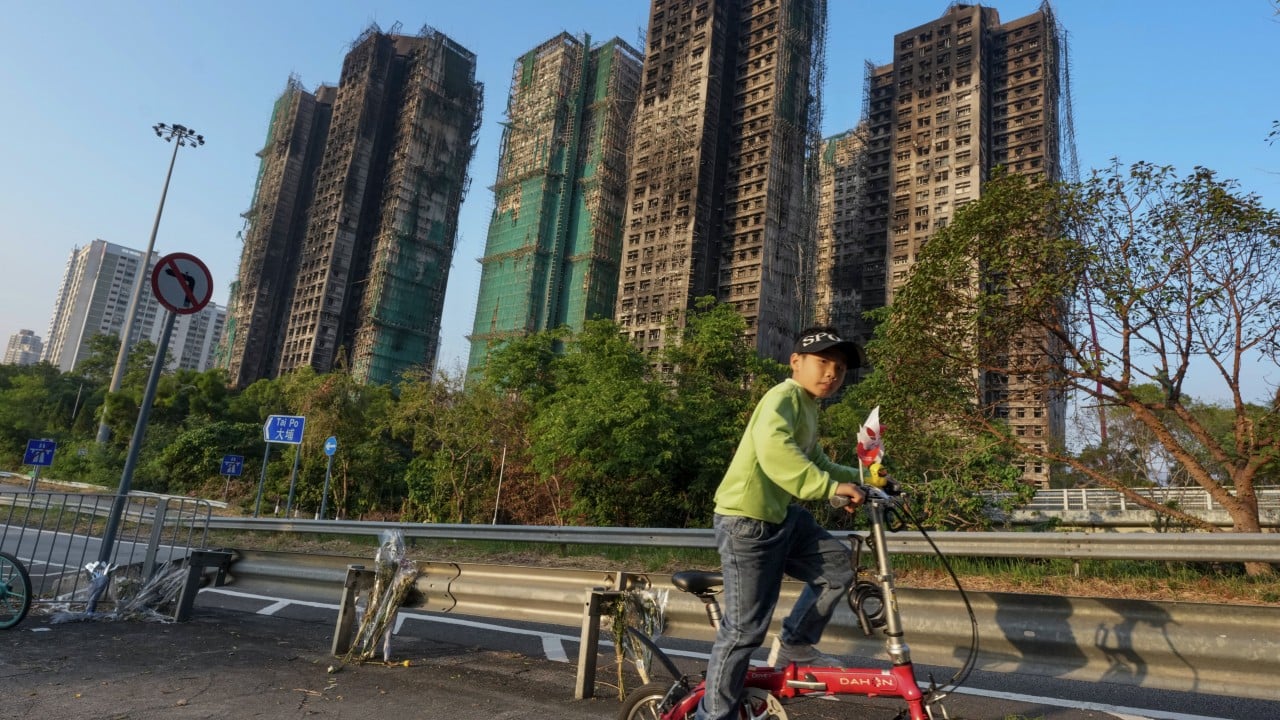
Hong Kong Scrambles to Rehouse Deadly Fire Victims
Britain's Unlikely Housemates: From Students to Seniors
Nigeria's Housing Crisis: Can a "Diaspora Mortgage" Help?
Tourists in Luxury, Locals in Shacks: Cape Town's Coastal Divide

Senate Passes Bill to "Flood the Market" with New Homes
