AI and Robots Take on the World: From Bomb Hunting to Nature Patrols
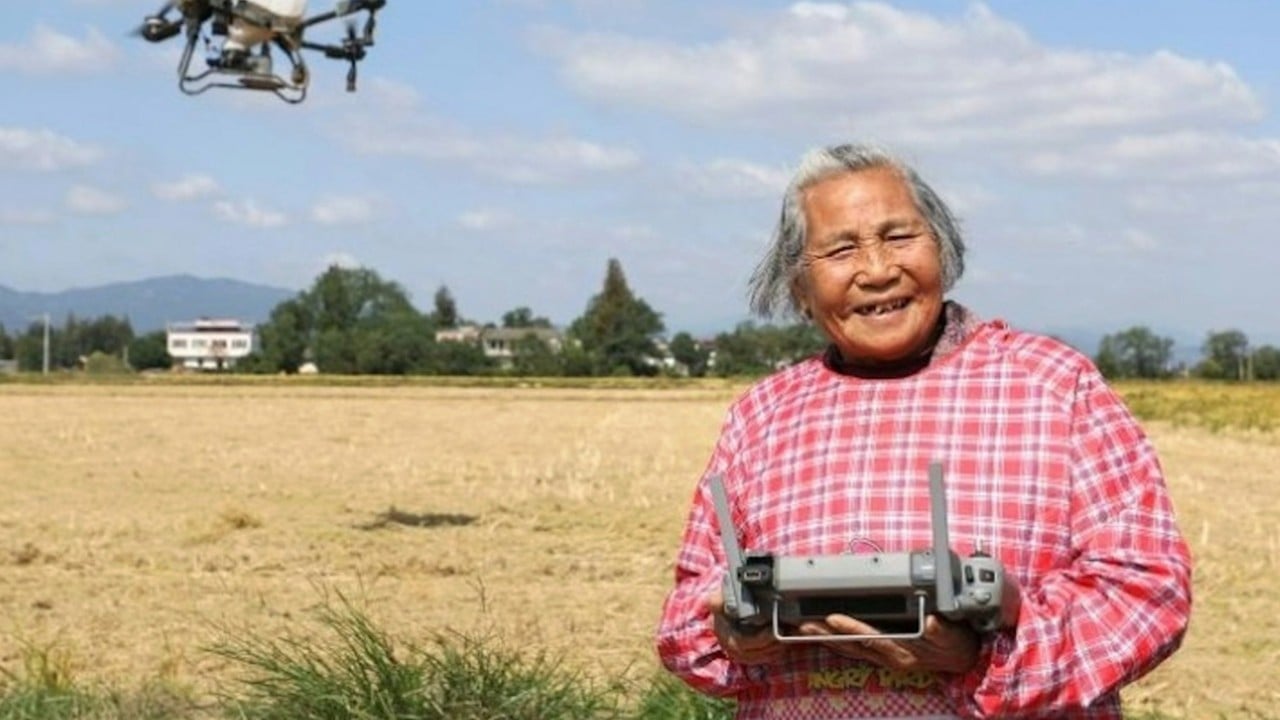
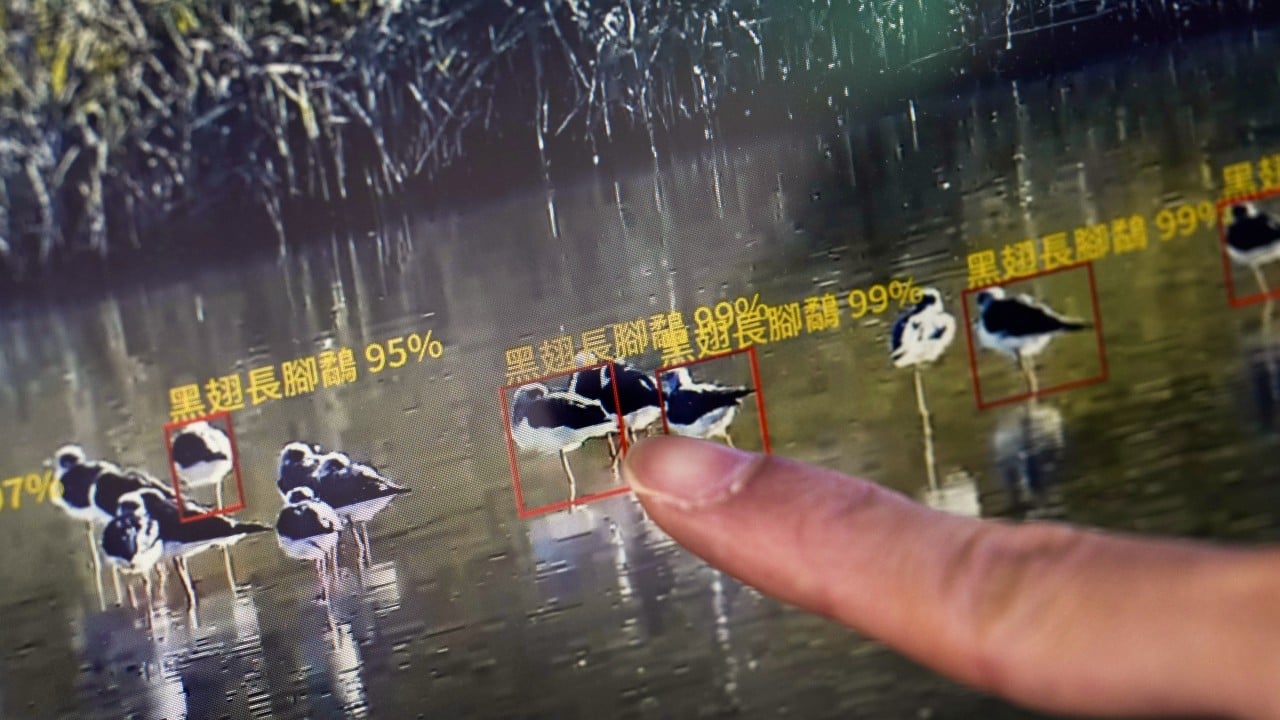
AI and Robots Take on the World: From Bomb Hunting to Nature Patrols A wave of artificial intelligence and advanced robotics is moving out of labs and into the real world, tackling dangerous and complex jobs from war zones to wetlands. Governments and researchers are deploying these systems to perform tasks that are risky, tedious, or require superhuman precision, signaling a major shift in how technology is being applied to global challenges. In the United Kingdom, new drones equipped with AI software are being tested to find hidden landmines and explosives from the air. The system scans the ground to automatically identify threats, allowing military teams to survey large, dangerous areas quickly from a safe distance, a process that currently often requires soldiers to check on foot [118535]. A successful trial has shown the technology works and could significantly reduce risks during clearance operations. Halfway across the world, Hong Kong is using similar technology for environmental protection. The city’s Environmental Protection Department is testing AI-powered cameras to automatically identify bird species and a laser-scanning robot, which resembles a robotic dog, to map forests [47560]. The robot moves through wooded areas, firing safe laser pulses to create detailed 3D maps that measure tree health, size, and location. Officials say these tools eliminate human error from wildlife surveys, providing critical data to help balance major new infrastructure projects with conservation. The underlying science enabling some of these advances is emerging from specialized labs. Scientists are making breakthroughs by using imperfect diamonds, deliberately flawed at the atomic level, to build ultra-sensitive quantum sensors [37022]. These sensors could one day detect minute magnetic fields from a single brain cell and are a cornerstone for next-generation quantum technologies. Meanwhile, the push for more autonomous systems continues. A German firm, SWARM Biotactics, is developing "biohybrid" technology, fitting cockroaches with tiny electronic backpacks that allow them to be remotely controlled for reconnaissance in areas difficult for humans or robots to reach [26214]. The integration of AI is also transforming entertainment and sports analysis. A new broadcasting technology that uses AI to generate 3D models from standard footage debuted at the Winter Olympics, creating "orbiting" replays that showed figure skating jumps from impossible, rotating angles [82096]. The same system aids officials with judging and creates content for social media. These developments illustrate a clear trend: AI and robotics are no longer just concepts but are actively being deployed to scan, map, hunt, and sense, taking on some of the world's most demanding physical jobs. AI Drones Hunt Landmines: UK Tests Life-Saving Tech Hong Kong Deploys AI Robot Dogs to Scan for Wildlife Imperfect Diamonds: The New Heart of a Quantum Revolution Spy Roaches: German Firm Turns Insects into Tiny Agents AI Replay Tech Makes Olympic Jumps Spin on Screen
Articles in this Cluster

China's "Shock 2.0": A Flood of High-Tech Goods Reshapes Global Industries

Europe's Quantum Leap: A Surprise Winner in the Tech Race?
Vintage Cameras Capture 2026 Olympics for Modern Crowd

AI Replay Tech Makes Olympic Jumps Spin on Screen

Chinese Stealth Tech Could Turn Enemy Radar into a Power Source

Imperfect Diamonds: The New Heart of a Quantum Revolution

AI Drones Hunt Landmines: UK Tests Life-Saving Tech
Hong Kong Deploys AI Robot Dogs to Scan for Wildlife
I Wore AI Glasses. They Called Me a Creep.
Swapping My Smartphone for a 90s Kit: A Month of Analogue Life

Spy Roaches: German Firm Turns Insects into Tiny Agents

From Y2K Panic to AI Reality: The 25-Year Tech Revolution
Technology's Double-Edged Sword: Amplifying Information Disorder

NASA Astronauts to Take Smartphones to the Moon