Latest News
Stay updated with the latest news and articles
Top Stories
S&P 500 Smashes 7,000 Mark as War Fears Fade
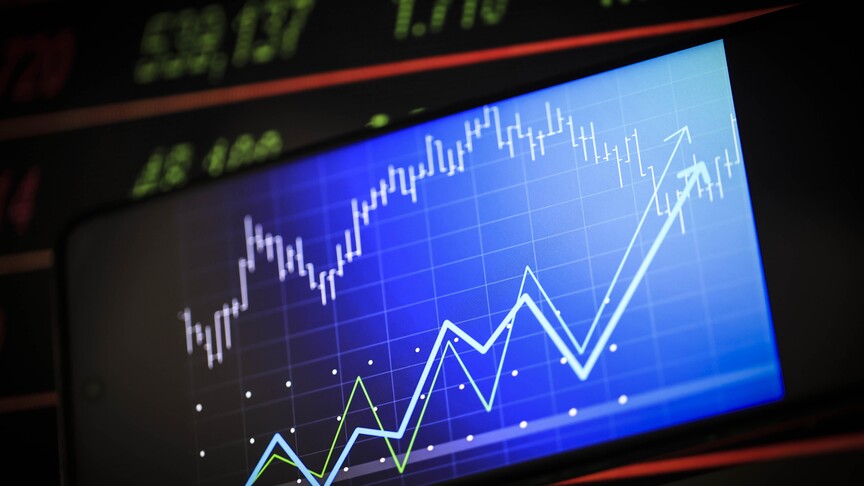
S&P 500 Smashes 7,000 Mark as War Fears Fade Major U.S. stock indexes surged to record highs this week as investors bet that military tensions between Iran and Israel would not spiral into a wider regional war [130162][130055]. The benchmark S&P 500 index broke through the 7,000-point barrier, closing at an all-time high [130055][129956]. The technology-heavy Nasdaq Composite also hit a record, jumping 1.6% in a single session [130162]. The rally marks a sharp reversal from last week's declines, which were triggered by Iran's direct attack on Israel [129975]. Market analysts say the upswing was driven by signals that the conflict would remain contained, easing fears of a major disruption to global oil supplies and trade routes [130162][129956]. With the immediate threat of escalation appearing to recede, investor focus has returned to strong U.S. corporate earnings and the health of the domestic economy [130055][129975]. "The record shows how quickly Wall Street can absorb geopolitical shocks when the underlying economic picture appears strong," one analyst noted [129975]. The optimism was not confined to the United States. Asian markets, which sold off sharply following Iran's initial strike, rebounded strongly on Monday [128437]. Japan's Nikkei 225 and Hong Kong's Hang Seng indexes both posted significant gains as the perceived risk of a broader conflict diminished [128437]. The market's rapid recovery highlights a significant disconnect between headline geopolitical risks and current investor sentiment, which remains firmly fixed on positive economic fundamentals [130055]. Markets Surge on Hopes Iran Conflict Avoided S&P 500 Smashes 7,000 Barrier, Shrugs Off Iran Conflict S&P 500 Soars to All-Time High as Middle East Tensions Ease S&P 500 Soars to Record High, Erasing War Fears S&P 500 Hits Record High Despite Iran War Fears Iran Attack Fallout Fades: Asian Markets Rebound Sharply

Russia Courts Global Allies with Oil and Security Pacts as Ukraine War Strains Western Unity
Russia Courts Global Allies with Oil and Security Pacts as Ukraine War Strains Western Unity A coalition of nations is turning to Russia for emergency energy supplies and strengthened security ties, as the war in Ukraine fractures European resolve and disrupts global markets. This shift is creating a new network of partnerships that challenges Western-led sanctions and diplomatic efforts. Russian Foreign Minister Sergey Lavrov announced Moscow is prepared to compensate for global oil shortages caused by Middle Eastern conflicts, stating Russia can "compensate for the shortfall" [129421]. This offer comes as countries face soaring prices and supply fears. Indonesia's new president, Prabowo Subianto, flew to Moscow on an urgent mission to secure cheap oil, aiming to shield his nation from an economic crisis triggered by blocked shipping routes [128236]. Concurrently, Russia is formalizing a legal doctrine that could justify future military interventions abroad. A proposed law would define "Russophobia"—actions deemed discriminatory against Russian speakers or culture—as extremist activity, providing grounds for armed force to protect "compatriots" in other nations [128845]. European unity on Ukraine is showing significant cracks, bolstering Russia's position. Following Hungary's lead, at least five other European leaders are now challenging the European Union's (EU) unified support. Slovak Prime Minister Robert Fico has threatened to veto a crucial €90 billion EU aid package for Ukraine, while other figures have expressed skepticism or demanded exemptions from financial support [129802]. This internal division reduces pressure on Moscow. The outreach extends to major powers. In high-level talks with Chinese President Xi Jinping, Lavrov declared the Russia-China partnership "unshakeable," as the two nations coordinated their positions on global conflicts including Ukraine and Iran [129011][129421]. Despite comprehensive sanctions, practical dependencies remain; U.S. military jets at a key base in Central Asia still rely on fuel from a Russian refinery operating under a sanctions exemption [129504]. The combined effect is a Russia actively leveraging energy and security partnerships to offset international isolation, while key Western allies grapple with internal dissent over the long-term support for Ukraine [17045][17910]. Russia Offers to Replace Blockaded Oil, Calls China Ties "Unshakeable" Indonesia's New President Flies to Russia for Emergency Oil Deal Russia Declares "Russophobia" a Legal Grounds for Invasion Orbán's Heirs? Five EU Leaders Now Challenge Brussels on Ukraine Russia, China Unite Against "Instability," Discuss Iran, Ukraine, Taiwan US Military Jets Still Rely on Russian Fuel Despite Sanctions Russia Holds Advantage, In No Rush on Ukraine Deal, Expert Says Putin Signals Long War in Ukraine Amid Economic Strain

Trump Lashes Out at Pope, GOP Senators Dodge Questions on His Mental State
Trump Lashes Out at Pope, GOP Senators Dodge Questions on His Mental State Former President Donald Trump's escalating rhetoric, including a direct attack on the Pope and comparisons of himself to Jesus Christ, is causing political tremors at home and abroad, while his Republican allies in Congress sidestep questions about his stability [129548][129033]. The controversy began after Pope Leo XIV issued a broad condemnation of war, stating "God does not bless any conflict" [129548]. While not naming Trump, the comments were widely interpreted as a critique of the former president's foreign policy stance. Trump responded on social media, calling the pontiff "weak" and a "globalist" [129548]. Political analysts warn the attack risks alienating Catholic voters, a crucial swing bloc in U.S. elections. Trump's running mate, JD Vance, a Catholic convert, has so far remained silent on the dispute [129548]. The incident drew a rare show of bipartisan unity in Italy, where the main opposition party defended Prime Minister Giorgia Meloni after Trump suggested she should be "careful" of the Pope [129350]. Meanwhile, in Washington, more than a dozen Republican U.S. senators repeatedly refused to answer direct questions from reporters about Trump's mental state following his comments [129033]. When pressed, senators declined to express concern, instead using non-committal phrases like "a person of enthusiasm" to describe him [129033]. The coordinated silence highlights a strategic choice by the president's party to avoid publicly examining his behavior as the election season intensifies [129033]. The pattern of Trump challenging institutions extended to the Federal Reserve, as former Treasury Secretary Janet Yellen condemned political pressure on the independent central bank. She compared Trump's efforts to influence interest rates to the actions of a "banana republic" [129386]. Trump's Attack on Pope Risks Alienating Catholic Swing Voters Title: Republicans Dodge Questions on Trump's Mental State Italian Opposition Defends PM Meloni After Trump Criticism Yellen Compares Trump Rate Pressure to 'Banana Republic'

U.S. Tech Giants and White House Ally to Pressure EU, Report Warns
U.S. Tech Giants and White House Ally to Pressure EU, Report Warns A new report from a leading European think tank warns that the United States is conducting a coordinated campaign to reshape European Union policy, leveraging military dependence and political alliances to force the bloc into compliance with American interests [44570]. The analysis, authored by Armida van Rij of the Centre for European Reform, states that U.S. tech giants are acting in concert with the White House to pressure European regulators. The strategy reportedly uses Europe's reliance on American military protection through NATO as a key point of leverage [44570]. This creates what the report describes as a "pincer attack" on European sovereignty, combining external pressure with support for far-right political movements within Europe itself [44570]. The aggressive U.S. posture is part of a broader shift away from a rules-based international order toward one dictated by power, the report claims [44570]. This aligns with accusations from a senior Belgian minister, who charged the U.S. with waging an "ideological attack" against Europe's social welfare models, which include strong worker protections and public healthcare [78938]. Europe's vulnerability is compounded by its deep technological dependence. Despite political threats from leaders like France's Emmanuel Macron to regulate U.S. tech firms, the EU remains critically reliant on American companies for cloud computing, essential software, social media, and digital payment systems [58167]. This reliance makes any serious attempt to curb their influence or achieve "digital sovereignty" extremely difficult to enforce [58167]. Analysts note that Europe's position is weakened by internal divisions and a history of prioritizing regulation over building its own economic and military power [69895]. A separate assessment argues the EU is "woefully unprepared" for an increasingly aggressive U.S. foreign policy, citing fraying transatlantic ties and the rise of populist politics [43628]. This lack of preparedness limits Europe's ability to mount a unified response, even when U.S. actions risk violating international law, such as in a potential conflict with Iran [116413]. The report concludes, however, that Europe is not without options. It suggests the bloc can resist this pressure by forging its own strategic alliances and building a more credible independent capacity [44570]. US Tech Giants and White House Ally to Pressure EU, Report Warns Belgian Minister: U.S. Waging "Ideological Attack" on Europe Europe's Digital Dilemma: Reliant on US Tech It Seeks to Curb **Trump Era Demands "Political Adults" in EU, Analysts Warn **US "Donroe Doctrine" Sparks Global Alarm: "Resources Belong to Us" Europe's Muted Response to Iran War Threatens Its Own Security

AI's "Jagged Intelligence" Upends Predictions on Which Jobs It Will Take
AI's "Jagged Intelligence" Upends Predictions on Which Jobs It Will Take A new understanding of artificial intelligence (AI) is forcing experts to rewrite predictions about the future of work. The key is a concept called "jagged intelligence," which reveals that AI excels at complex, surprising tasks while failing at simpler ones humans find easy [129780]. This jagged pattern makes old forecasts unreliable. Jobs once considered safe may be vulnerable because they contain specific, high-skill tasks that AI can perform. Conversely, roles thought to be at risk may be safer due to basic gaps in AI's capability. For example, an AI might draft a sophisticated legal document but struggle to organize files on a computer desktop [129780]. The rapid adoption of AI is already prompting major industries to restructure. Global consulting giant PwC is undertaking a massive overhaul of its operations, directly responding to the threat of AI automating core consulting tasks. The firm is focusing on retraining its workforce and reshaping its services for an AI-driven market [128415]. Business leaders are openly discussing how workers will need to "adapt" as AI replaces certain functions, a topic explored in recent documentary films [130084]. This shift is accelerating as companies race to integrate AI tools that can perform specific job functions at high speed. Researchers and businesses are now focused on mapping where AI's uneven abilities overlap with workplace tasks. The goal is to better prepare for the real-world impact, moving beyond broad generalizations to understand the precise, and often unexpected, ways AI will transform employment [129780]. Forget Human Smarts: AI's "Jagged Intelligence" Reveals Its True Threat PwC to Slash 100,000 Jobs? AI Forces Consulting Giant's Overhaul AI Marriages and Job Losses: Grayson Perry's Shocking AI Documentary
Turkey Takes Charge: Commands Key NATO Forces and Deploys Troops for Major 2024 Drills
Turkey Takes Charge: Commands Key NATO Forces and Deploys Troops for Major 2024 Drills Turkey is assuming a more prominent role within the North Atlantic Treaty Organization (NATO), taking command of a major naval strike force and deploying thousands of troops for the alliance's largest exercise this year [54453][70222]. The Turkish Naval Forces formally took command of the NATO Amphibious Task Force and its Landing Force Command on July 1. This command, which will last for one year, puts Turkey in charge of planning and leading NATO exercises and potential missions involving complex assaults from sea to land [54453]. Simultaneously, the first Turkish military aircraft have landed in Germany, marking the start of Turkey's substantial participation in the Steadfast Defender 24 exercise [70222]. Approximately 2,000 Turkish troops are deploying to Germany’s Wunstorf Air Base for the drills, which run from February 8 to February 20 across Europe [70222]. This exercise is a key part of NATO's broader reinforcement of its eastern flank and tests the alliance's rapid deployment capabilities [70222]. In a separate but related NATO exercise, Turkish naval and army units are already conducting joint amphibious operations in Germany as part of Steadfast Dart 2026 [80228]. A notable feature of Turkey's involvement in these drills is the operational use of its own domestically produced defense platforms, showcasing national technology on a multinational stage [80228]. These developments highlight Turkey's active and expanding military role within the NATO alliance, from assuming strategic command positions to contributing significant personnel and equipment to critical readiness exercises. Turkey Assumes Command of Key NATO Naval Strike Force NATO's Biggest 2024 Drill Begins with Turkish Troops Landing in Germany Turkish Forces Deploy Homegrown Tech in Major NATO Drill



Allies Flood Ukraine with Drones as Missile Barrage Intensifies
Allies Flood Ukraine with Drones as Missile Barrage Intensifies Western nations are rushing a massive infusion of military drones to Ukraine, aiming to counter a fierce Russian air assault and solidify Kyiv’s advantage in a conflict increasingly dominated by unmanned warfare. The surge in support comes as Russia launched one of its largest bombardments of the war, firing over 300 missiles and drones at Ukrainian cities and energy infrastructure in a single wave [130033]. The United Kingdom announced its largest military aid package of the year, pledging to send more than 120,000 drones to Ukrainian forces [130076]. This commitment was made during a meeting of 43 nations coordinating arms for Ukraine, where allies also promised hundreds of thousands of artillery shells and thousands of air defense missiles [130076]. The drone shipment addresses a critical shift on the battlefield, where unmanned aerial vehicles have become the most common weapon. A United Kingdom intelligence assessment found that in March 2024, drones were responsible for 96% of Russian casualties, the highest monthly casualty rate of the war so far [130076]. This drone coalition is expanding rapidly. In a separate move, Ukrainian President Volodymyr Zelenskyy made a surprise visit to Oslo, where he signed a secretive joint declaration with Norway and Denmark to form a specialized “drone coalition” aimed at significantly increasing the number of unmanned aerial vehicles for Ukraine [129089]. The push for drones coincides with major new commitments to bolster Ukraine’s air defenses, which are being heavily tested. Germany has signed a landmark, long-term defense agreement with Ukraine worth billions, which includes the immediate pledge of 100 Patriot air defense missiles and a promise to supply “hundreds” more [129088][128844]. The broader German package, valued at $4.7 billion, focuses on three key areas: strengthening air defense, developing Ukraine’s capacity for long-range strikes, and the joint production of drones [128964]. Ukraine is also advancing its own long-range strike capabilities. The country recently unveiled a new domestically produced attack drone named “Sichen,” which has an operational range of 1,400 kilometers, allowing it to reach deep into Russian territory [128846]. This capability was demonstrated when a Ukrainian long-range drone successfully struck a major Russian petrochemical plant in Bashkortostan, over 1,300 kilometers from the front line. The facility produces synthetic rubber for Russia’s military and civilian tire industry [129500]. The intensified Western support follows devastating Russian attacks on Ukrainian urban areas. In one recent escalation, a Russian warplane dropped a FAB-1500, a bomb weighing 1,500 kilograms, on the city of Sloviansk, destroying multiple civilian buildings [129634]. UK to Send 120,000 Drones to Ukraine as Drone War Rages Ukraine to Get 120,000 Drones as Russia Fires 324 Missiles Ukrainian Drone Strikes Russian Tire Factory Over 1,300km From Front Line Ukraine Secures $4.7 Billion German Arsenal: Drones, Air Defense, Long-Range Strikes Zelenskyy Flies to Oslo, Signs Secretive "Drone Deal" with Norway and Denmark Germany to Send 100 Patriot Systems in Historic Ukraine Pact Germany to Supply "Hundreds" of Patriot Missiles to Ukraine in Major Deal Ukraine Unveils "Sichen," a Long-Range Drone Named for Russia's Cruelest Month Germany Pledges Air Defense and Long-Range Weapons in New Ukraine Pact
Global Powers Scramble for Africa's Resources and Influence as 2026 Elections Loom for 400 Million Voters
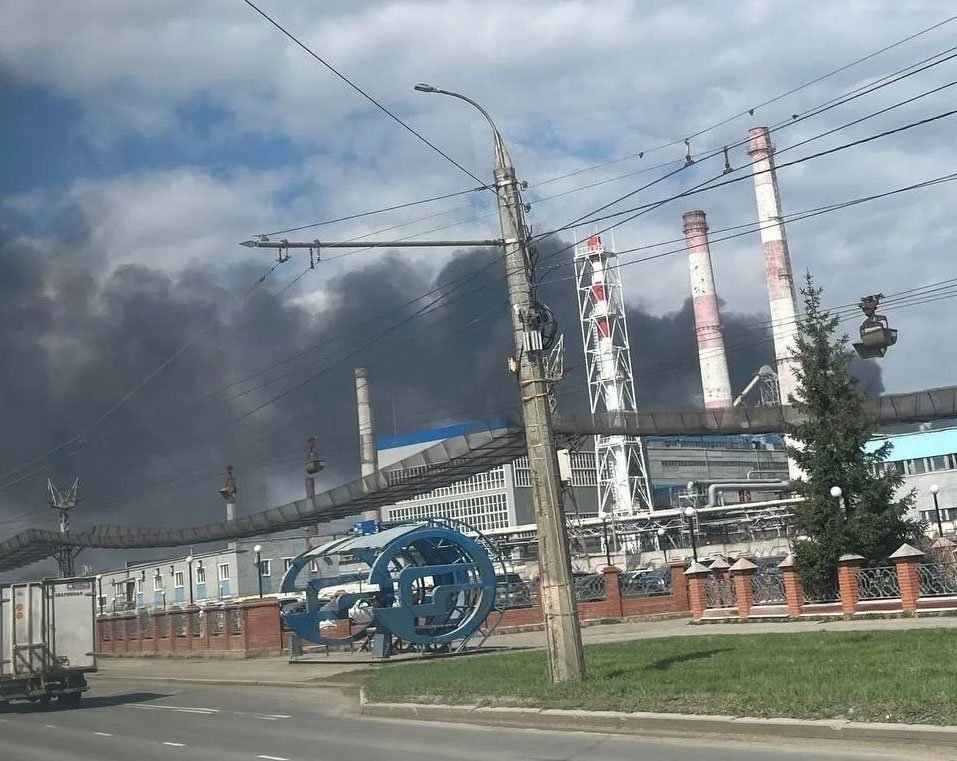
Global Powers Scramble for Africa's Resources and Influence as 2026 Elections Loom for 400 Million Voters A strategic competition for Africa's resources, ports, and political alliances is intensifying among global powers, even as the continent prepares for a historic wave of elections that will test its democratic trajectory. The geopolitical landscape is being reshaped by a renewed "scramble" for influence, particularly in the Horn of Africa and the Sahel region. At a recent African Union summit in Addis Ababa, discussions on water security were overshadowed by Ethiopia's aggressive pursuit of direct sea access and the rush of foreign powers—including the United States, China, Turkey, and Gulf states—seeking naval bases and trade partnerships along Africa's coast [87433]. Simultaneously, Russia is rapidly expanding its military footprint in West Africa's Sahel region. Following a series of coups d'état in Mali, Niger, and Burkina Faso, new military governments have expelled French forces and turned to Russia's "Africa Corps" for security support, forcing the U.S. to urgently revise its diplomatic and counter-terrorism strategy in the area [67411]. This shift occurs as European Union unity on foreign policy faces internal challenges from a growing bloc of skeptical leaders, potentially affecting its engagement with Africa [129802]. Amid this external rivalry, African institutions are pushing for greater economic sovereignty. Ethiopia and the African Export-Import Bank (Afreximbank) are holding high-level talks focused on boosting continental self-reliance and strengthening trade between African nations [127881]. This drive for agency will be tested during a historic "mega-election" year in 2026, when nearly 20 nations, including Ghana, Kenya, and South Africa, are scheduled to hold votes. An estimated 400 million Africans will be eligible to cast ballots, though elections in countries currently led by military juntas, like Mali and Burkina Faso, remain uncertain [129305]. The external competition extends to resource extraction and trade. A major European Union-Africa summit recently focused on strengthening partnerships centered on trade and critical mineral resources, a response to the growing influence of other global powers on the continent [11355]. Furthermore, instability in the Middle East is pushing global oil buyers to seek more secure suppliers, with analysts predicting a significant rise in demand for oil from Nigeria and other African producers [121967]. In response to these intertwined challenges, African leaders are planning a major summit in April 2026 in Johannesburg. Organized by the African Union Commission, the meeting of the Specialised Technical Committee (STC) aims to create unified continental policies for critical energy and transport infrastructure projects [129879]. Global Powers Rush for Africa's Coast as Ethiopia Seeks a Port U.S. and Russia in High-Stakes Scramble for Africa's Sahel Ethiopia, Afreximbank Push for Africa to "Feed Itself" Africa's 'Mega-Election' 2026: 400 Million Voters to Decide Continent's Path EU-Africa Summit Focuses on Trade and Minerals Amid Global Tensions Middle East Turmoil Shifts Oil Focus to Africa Africa's Energy and Transport Future Decided in 2026 Summit
UK Faces UN "Crimes Against Humanity" Complaint Over Forced Island Removal
UK Faces UN "Crimes Against Humanity" Complaint Over Forced Island Removal
The United Kingdom is facing a formal complaint of crimes against humanity at the United Nations over its historic expulsion of the Chagossian people from their Indian Ocean homeland [130039].
The complaint, filed with the UN, centers on the forced displacement of islanders from the Diego Garcia archipelago in the 1960s and 1970s to make way for a major U.S. military base [130039]. The indigenous Chagossians, also known as the Ilois, were sent to Mauritius and the Seychelles and have fought for decades for the right to return [130039].
The action increases international pressure on Prime Minister Keir Starmer's government, creating a significant diplomatic challenge that pits strategic security concerns against the rights of the displaced islanders [130039]. While the UK government has previously expressed regret over the removals, it has cited security and feasibility issues as barriers to resettlement [130039].
The UN will now review the complaint, which accuses the UK of a continuing human rights violation by preventing the Chagossians' return to their territory [130039].
UK Faces UN "Crimes Against Humanity" Complaint Over Islanders' Removal

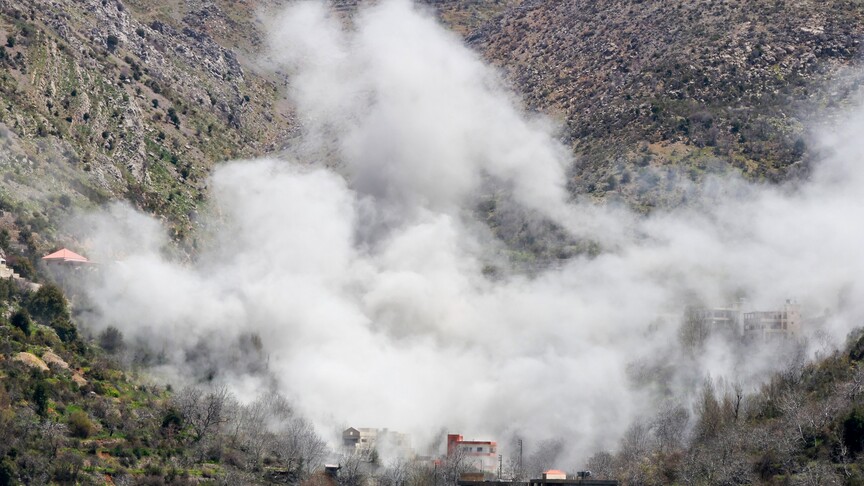
Pentagon Defends Back-to-Back Strikes and Caribbean Ops, Citing "Fog of War" and Legal Reviews
Pentagon Defends Back-to-Back Strikes and Caribbean Ops, Citing "Fog of War" and Legal Reviews The U.S. Department of Defense is mounting a robust, multi-front defense of recent military actions, from specific combat decisions to broad legal authorities, amid ongoing operations in volatile regions. In one incident, Secretary of Defense John Hegseth defended a naval engagement where forces struck the same target twice [17273]. Hegseth described the decision as occurring in the "fog of war," a term for the confusion of combat, and stated he fully supported the commander's choice to fire again to "eliminate the threat" [17273]. Separately, the Pentagon has publicly backed a senior commander's decision to authorize recent strikes in Venezuela, stating that Admiral Bradley's actions followed proper legal procedures [17258]. A spokesperson confirmed the operations "were approved by the best military and civilian lawyers throughout the chain of command" [17258]. This legal defense extends to other theaters, as senior defense official Pete Hegseth asserted that ongoing U.S. military actions in the Caribbean are "lawful under both U.S. and international law" [15064]. On Capitol Hill, these military actions have triggered a political battle over presidential war powers. Senate Republicans are taking a rare procedural step to shield the legal authority used for a recent Venezuela operation, aiming to block a Democratic effort to repeal the 2001 Authorization for Use of Military Force (AUMF) that justified it [50051]. Republicans argue the repeal would weaken executive authority during ongoing threats [50051]. Concurrently, the Pentagon is citing national security to justify new rules restricting some media outlets, a move challenged in a lawsuit by The New York Times [64596]. Officials stated the policy is needed to "stop activity that could compromise national security" [64596]. Pentagon Defends Second Strike in "Fog of War" Incident Pentagon Defends Commander's Decision in Venezuela Strikes Pentagon Official Defends Legality of Caribbean Operations Senate Republicans Move to Shield Trump's War Powers Pentagon Cites National Security in Media Lawsuit Defense
Latest Articles

US Oil Giants Earn $30 Million Per Hour Amid Iran Conflict
A new analysis reveals America's largest oil and gas companies are earning billions in extra profit since the conflict with Iran began. The surge is...

Jury Rules Live Nation Broke Law as Ticketmaster Monopoly
A U.S. jury has found entertainment giant Live Nation illegally maintained a monopoly through its Ticketmaster business. The verdict, delivered Wedne...

U.S. Military Chiefs Cite China Drills to Push for 2027 Funding
Top U.S. military leaders told Congress that China's growing military power is a direct threat, using it to argue for more robust American defenses b...

Coffee with Your Stocks? Broker Opens Café for Clients
Online brokerage Futu Securities has opened a coffee shop inside one of its Hong Kong branches. The move is part of an effort to adapt to changing cl...

Middle East Tensions Shadow Record-Breaking China Trade Fair
A major trade fair in China opened under the cloud of rising Middle East tensions. This geopolitical uncertainty comes as China's own trade data feel...
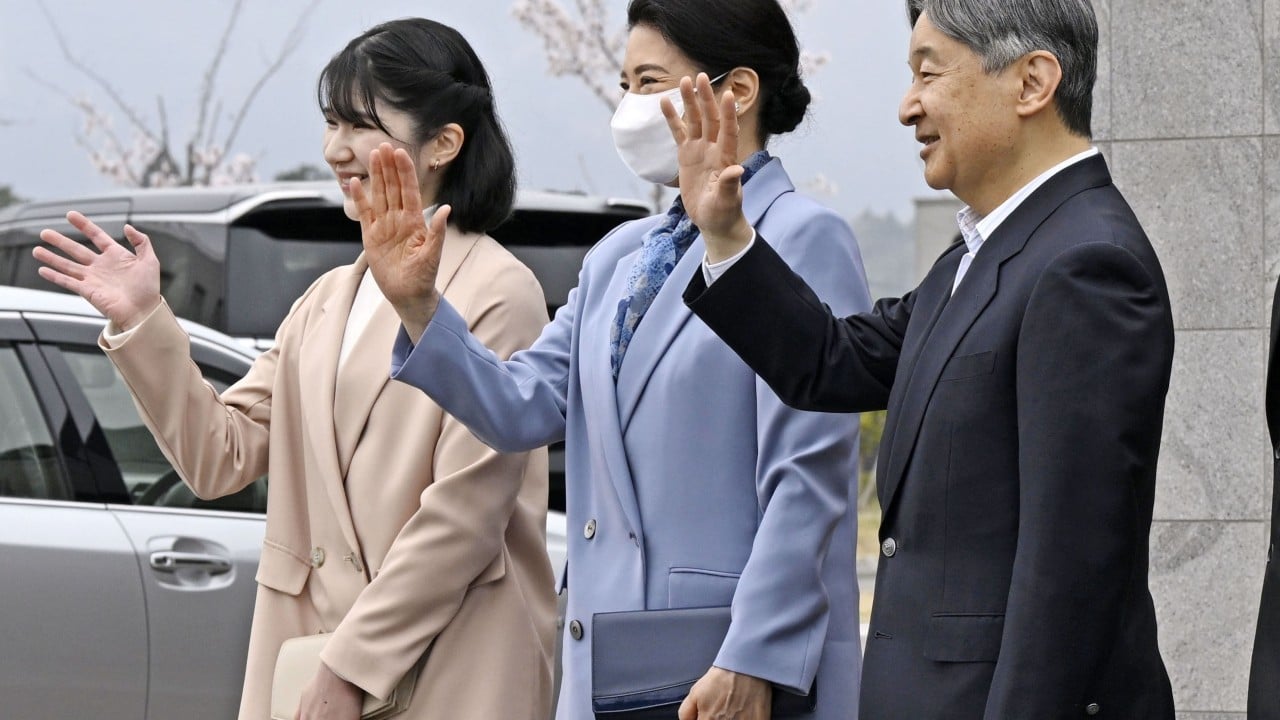
Japan's First Female PM Opposes Public, Backs Men-Only Throne
Most Japanese citizens support allowing a woman to become emperor, a new poll reveals. But the country's first female prime minister is championing a...

Northern Metropolis Dream Meets Two-Hour Commute Reality
A journey from Hong Kong's bustling Causeway Bay to the future site of the San Tin Technopole reveals a stark contrast. The trip takes roughly two ho...

China Charts Seabed Riches as Japan Hunts Rare Earths
China has published its first detailed map of chemical elements on the ocean floor. The move comes as Japan accelerates its own efforts to mine valua...

Dating Apps Become Job Boards for China's Frustrated Youth
Young Chinese are using dating apps to find work, while some professional networking sites are being used to find dates. This role reversal highlight...