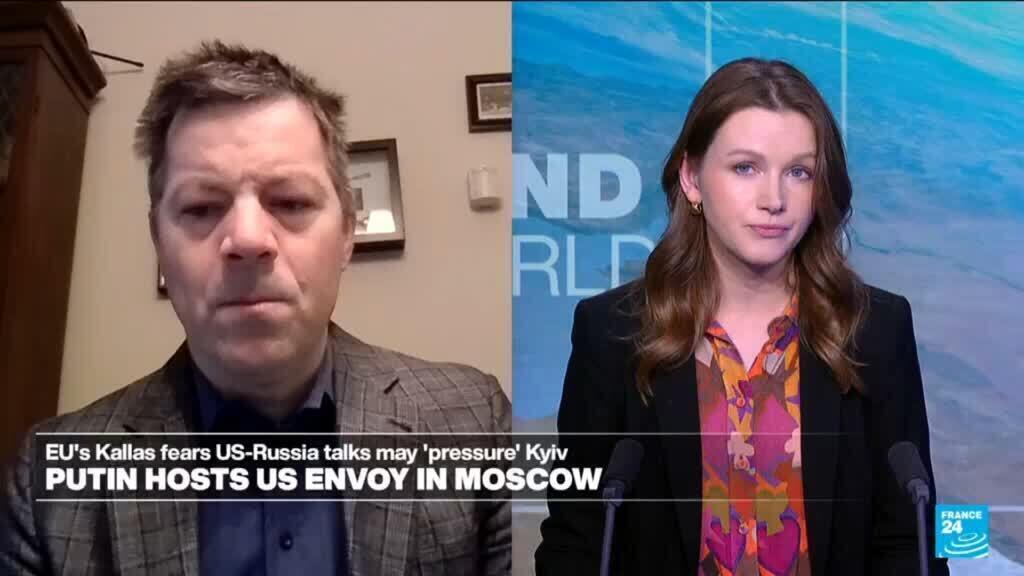
Russia Courts Global Allies with Oil and Security Pacts as Ukraine War Strains Western Unity
Russia Courts Global Allies with Oil and Security Pacts as Ukraine War Strains Western Unity A coalition of nations is turning to Russia for emergency energy supplies and strengthened security ties, as the war in Ukraine fractures European resolve and disrupts global markets. This shift is creating a new network of partnerships that challenges Western-led sanctions and diplomatic efforts. Russian Foreign Minister Sergey Lavrov announced Moscow is prepared to compensate for global oil shortages caused by Middle Eastern conflicts, stating Russia can "compensate for the shortfall" [129421]. This offer comes as countries face soaring prices and supply fears. Indonesia's new president, Prabowo Subianto, flew to Moscow on an urgent mission to secure cheap oil, aiming to shield his nation from an economic crisis triggered by blocked shipping routes [128236]. Concurrently, Russia is formalizing a legal doctrine that could justify future military interventions abroad. A proposed law would define "Russophobia"—actions deemed discriminatory against Russian speakers or culture—as extremist activity, providing grounds for armed force to protect "compatriots" in other nations [128845]. European unity on Ukraine is showing significant cracks, bolstering Russia's position. Following Hungary's lead, at least five other European leaders are now challenging the European Union's (EU) unified support. Slovak Prime Minister Robert Fico has threatened to veto a crucial €90 billion EU aid package for Ukraine, while other figures have expressed skepticism or demanded exemptions from financial support [129802]. This internal division reduces pressure on Moscow. The outreach extends to major powers. In high-level talks with Chinese President Xi Jinping, Lavrov declared the Russia-China partnership "unshakeable," as the two nations coordinated their positions on global conflicts including Ukraine and Iran [129011][129421]. Despite comprehensive sanctions, practical dependencies remain; U.S. military jets at a key base in Central Asia still rely on fuel from a Russian refinery operating under a sanctions exemption [129504]. The combined effect is a Russia actively leveraging energy and security partnerships to offset international isolation, while key Western allies grapple with internal dissent over the long-term support for Ukraine [17045][17910]. Russia Offers to Replace Blockaded Oil, Calls China Ties "Unshakeable" Indonesia's New President Flies to Russia for Emergency Oil Deal Russia Declares "Russophobia" a Legal Grounds for Invasion Orbán's Heirs? Five EU Leaders Now Challenge Brussels on Ukraine Russia, China Unite Against "Instability," Discuss Iran, Ukraine, Taiwan US Military Jets Still Rely on Russian Fuel Despite Sanctions Russia Holds Advantage, In No Rush on Ukraine Deal, Expert Says Putin Signals Long War in Ukraine Amid Economic Strain
Articles in this Cluster
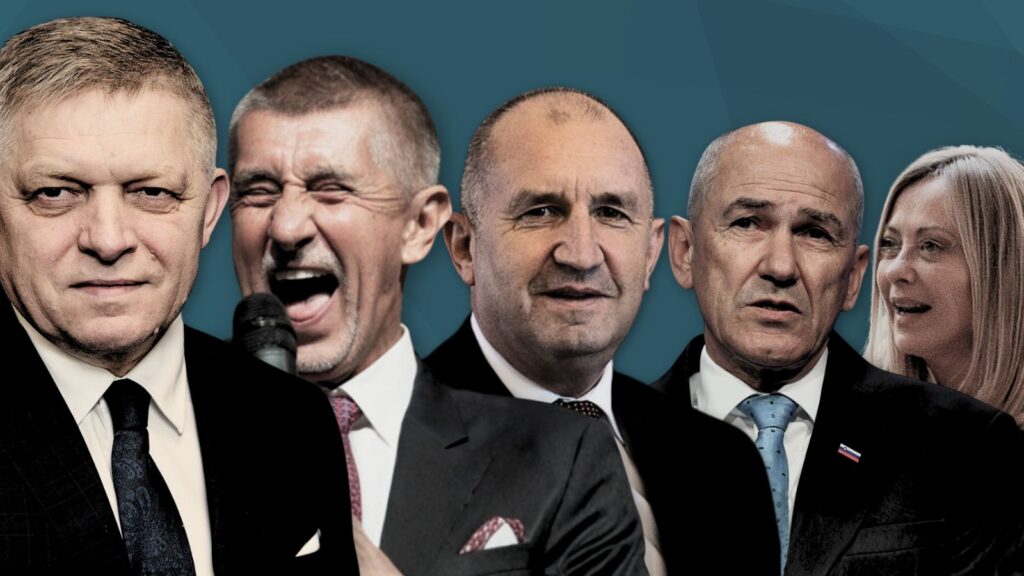
Orbán's Heirs? Five EU Leaders Now Challenge Brussels on Ukraine
Indonesia's Prabowo Hunts Energy Deals Amid Middle East Tensions
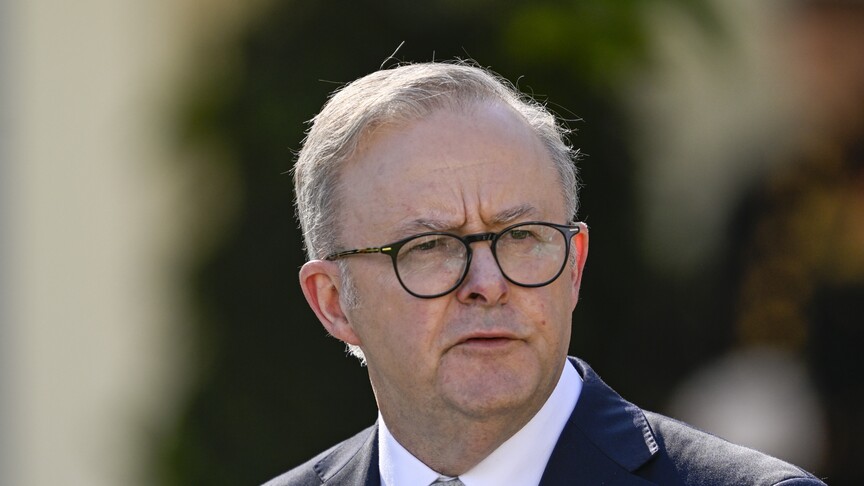
Australia, Brunei Urge U.S.-Iran Talks to Avert Energy Crisis
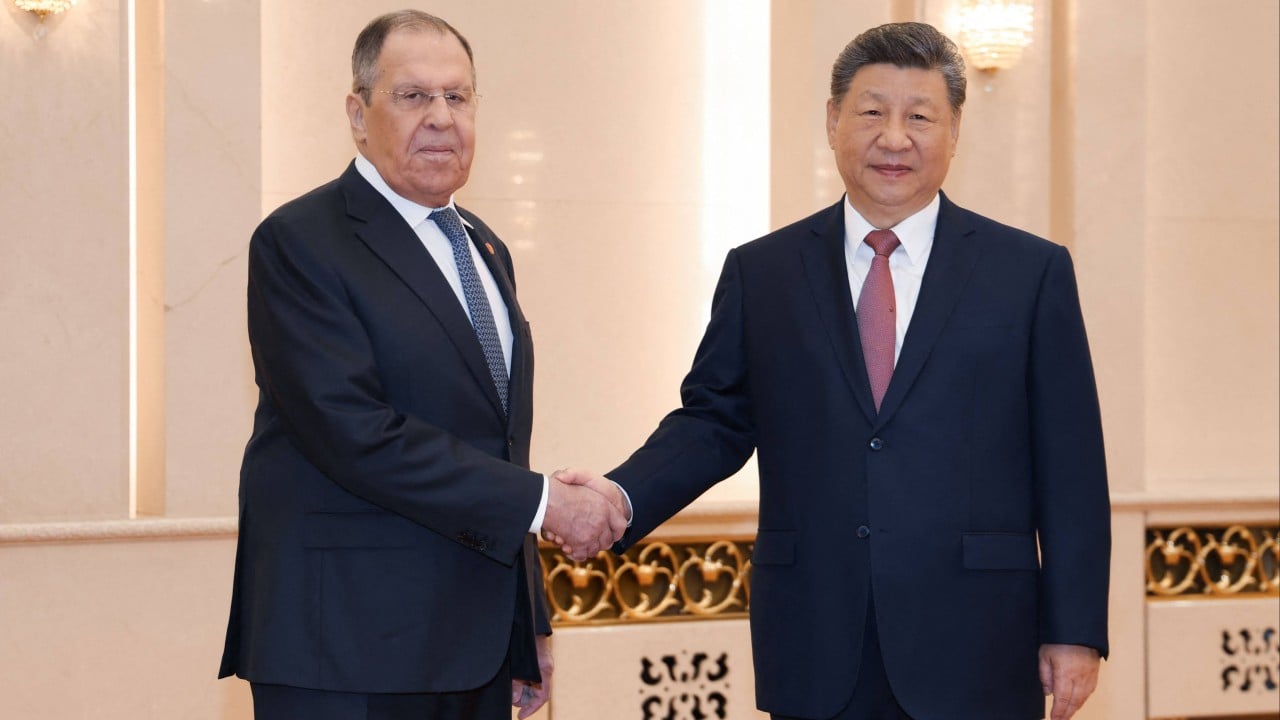
Russia Offers to Replace Blockaded Oil, Calls China Ties "Unshakeable"
War's Ripple Effect: African Economies Hit by Gulf Blockades
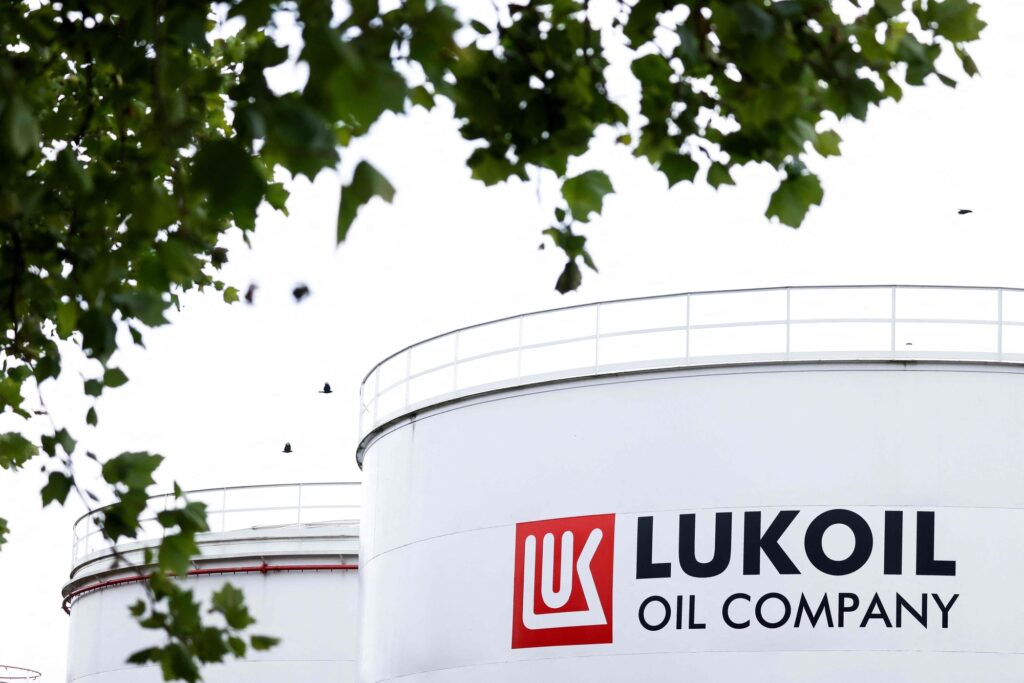
US Military Jets Still Rely on Russian Fuel Despite Sanctions
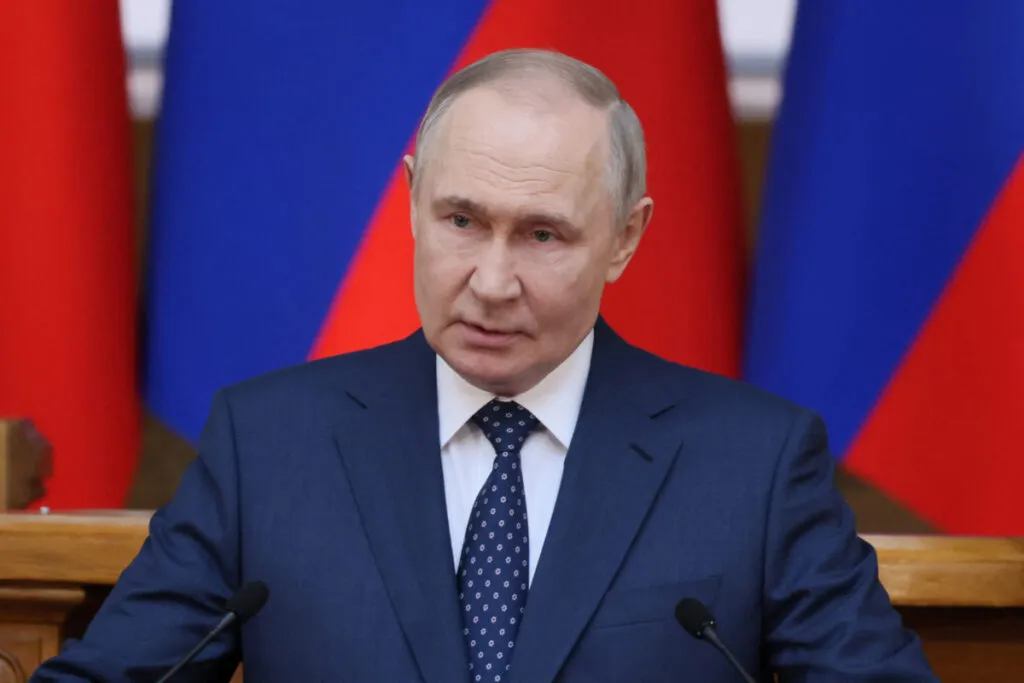
Russia Declares "Russophobia" a Legal Grounds for Invasion
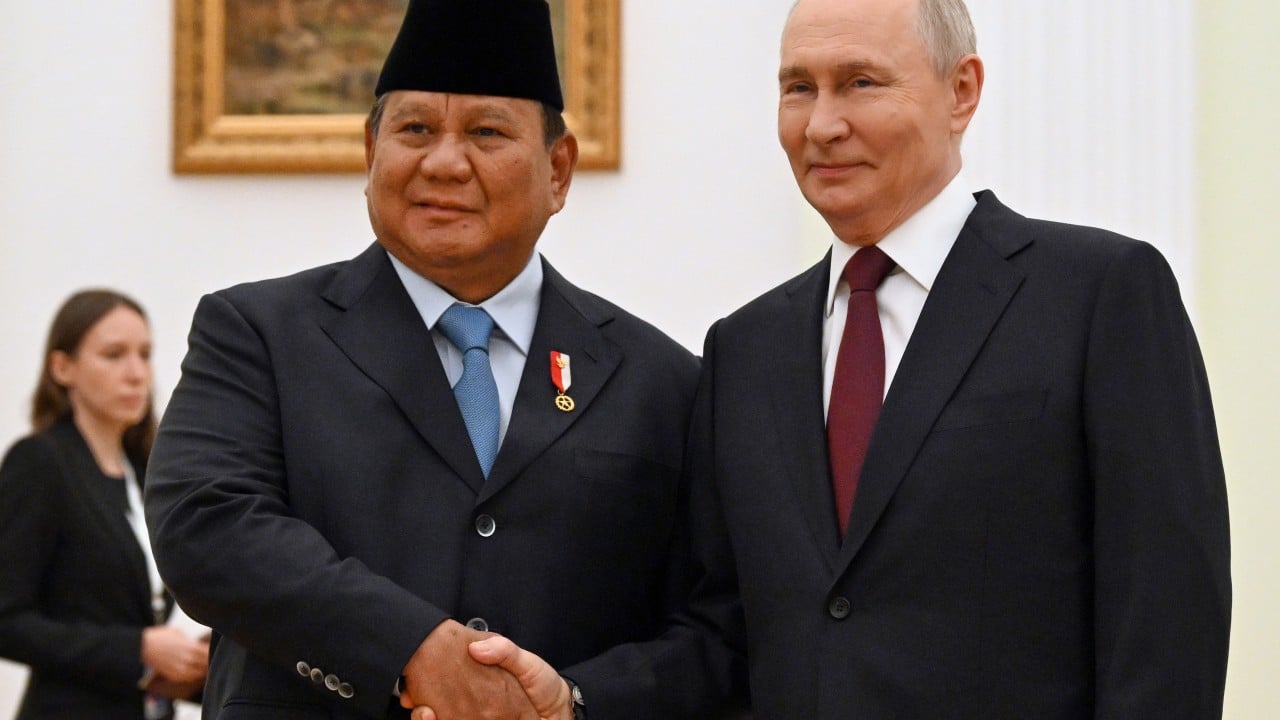
Indonesia's New President Flies to Russia for Emergency Oil Deal
Putin Seeks Oligarch Donations to Fund War as Defence Budget Strains

UK and Netherlands Forge United Front on Ukraine, Migration, and Security
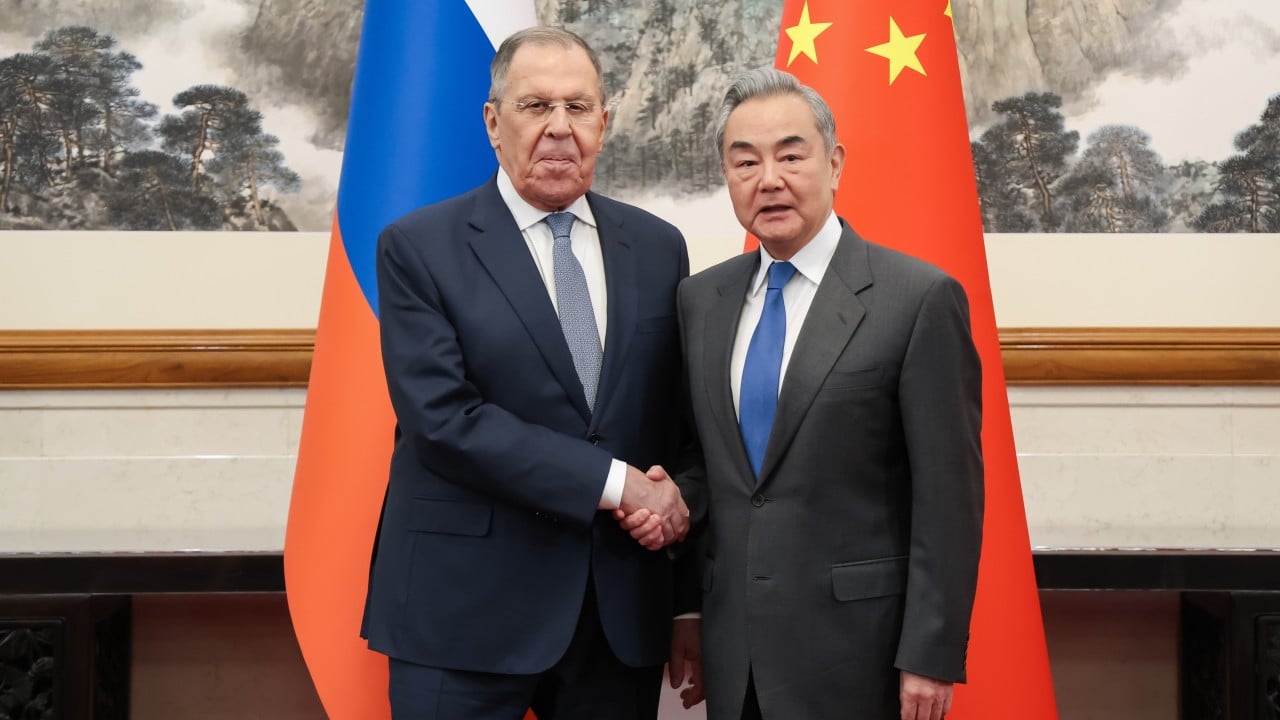
Russia, China Unite Against "Instability," Discuss Iran, Ukraine, Taiwan
Japan's PM to Australia: Hands Off Our Gas
Putin's "Peace" Talks Demand Ukraine's Surrender
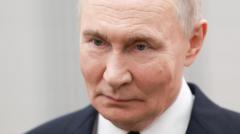
Putin Signals Long War in Ukraine Amid Economic Strain