Latest News
Stay updated with the latest news and articles
Top Stories
Culture Fighters: From Syria to the Arctic, Communities Use Crafts and Beats to Defend Identity
Culture Fighters: From Syria to the Arctic, Communities Use Crafts and Beats to Defend Identity In a world of viral trends and globalized media, communities from the Arctic to the Middle East are mounting a grassroots defense of their cultural heritage, using traditional crafts and modern music as tools of preservation and pride. In Syria, researchers point to the ancient craft of embroidery as a powerful, living symbol of identity that has endured through years of war [47200]. Meanwhile, in Norway, a Sámi DJ duo is channeling their Indigenous heritage into electronic music, meeting a growing global appetite for authentic cultural sounds [79759]. These efforts highlight a global pattern where cultural expression acts as a vital site of resistance and continuity. The Sámi artists, part of a female DJ collective, draw direct inspiration from their remote Arctic homeland of Sápmi, blending modern beats with traditional rhythmic singing known as *joik* [79759]. Their success demonstrates how Indigenous culture can find new audiences and relevance in contemporary spaces. Similarly, in Syria, the meticulous art of embroidery is cited by scholars as a deeply rooted form of intangible heritage that survives as a key marker of community identity, passed resiliently through generations despite conflict [47200]. This push to safeguard tradition is also formal. In Malaysia, the vibrant Chingay parade—featuring performers balancing massive flagpoles on their chins—is the subject of a joint UNESCO Intangible Cultural Heritage application, aiming for global recognition and protection [31985]. Parallel efforts are found in individual activism. In Burundi, author Aïta Chancella Kanyange writes children's books focused on local traditions, aiming to pass customs and national identity to the youngest generation [129635]. In Ukraine, a new collection of ancient Christmas carols, or *koliadky*, serves to connect centuries-old folk chants to modern national identity, preserving language and culture through music [32337]. These diverse initiatives, from digital playlists to physical craftsmanship, underscore a widespread movement where communities are actively writing, stitching, and mixing their heritage into the future. Syrian Embroidery Survives War, Defines Identity Remote DJs Rise with Sámi Sound, Fueling Indigenous Pride Malaysia's Chin-Balancing Spectacle Aims for UNESCO Glory Burundian Author Fights to Save Culture with Children's Books Ukrainian Christmas Carols: Ancient Sounds of Defiance and Hope

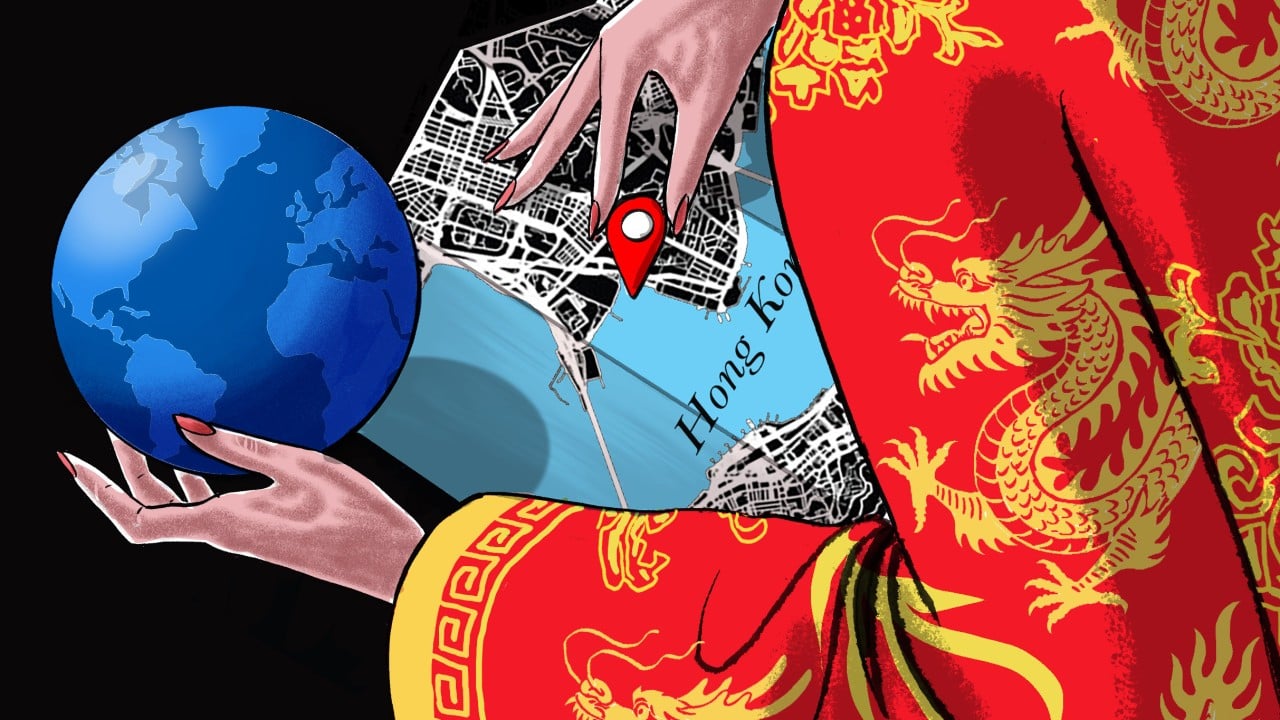
Europe's Health Systems Face Doctor Shortage and Two-Tier Fears as Costs Soar
Europe's Health Systems Face Doctor Shortage and Two-Tier Fears as Costs Soar Healthcare systems across several European nations are grappling with severe financial pressures and structural crises, from a looming shortage of doctors to a growing reliance on private care that risks deepening inequality. In Germany, the government has announced a major reform package designed to cut billions in costs from its expensive healthcare system [129812]. The plan will eliminate public health insurance coverage for homeopathic treatments and mandate a second medical opinion before certain costly surgeries can proceed [129812]. The Health Minister stated the reforms are necessary to fill a significant financial gap and ensure the system's long-term stability [129812]. The strain is equally acute in Switzerland, where a new report warns that one in four doctors is nearing retirement age, threatening future staff shortages [129660]. The country's system is already heavily dependent on foreign-trained physicians, with over a third of practicing doctors having completed their education abroad [129660]. The Swiss Medical Association says this reliance on international talent is a crucial but vulnerable pillar, and is calling for urgent national strategies to train and retain more medical professionals locally [129660]. Parallel concerns are rising in the United Kingdom, where experts warn that a growing shift to private healthcare is creating a "two-tier" system, echoing a crisis already seen in dentistry [129379]. Many patients relying on the state-funded National Health Service (NHS) now struggle to find affordable dental appointments, pushing those who can pay to seek private treatment [129379]. Critics fear this pattern will repeat across general medicine, weakening the NHS by draining public support and key staff resources [129379]. These developments across three major European economies highlight widespread challenges in maintaining accessible, public healthcare amid aging populations, rising costs, and competition from private providers. Germany to Ban Homeopathy, Mandate Second Opinions in Major Healthcare Cuts Switzerland's Doctor Crisis: One Quarter to Retire, System Relies on Foreign Staff Two-Tier Health Warning: UK's Private Boom Echoes Dental Crisis
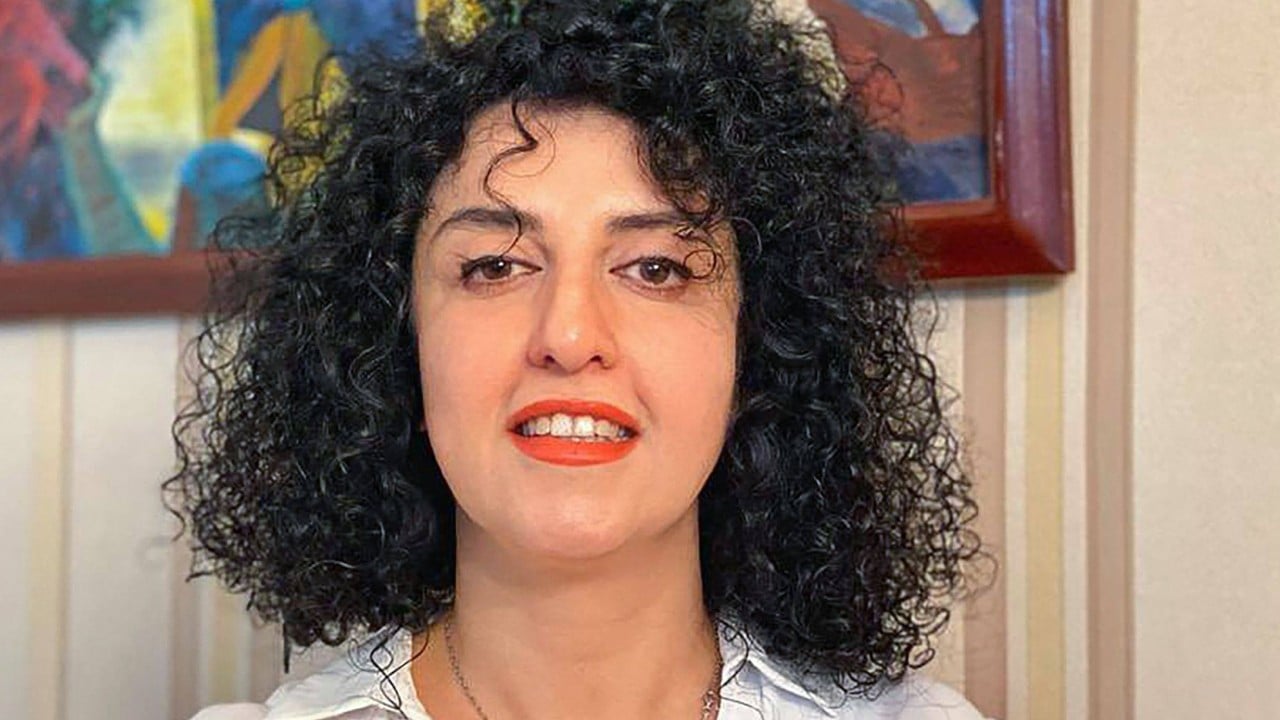
Jailed Nobel Winner Narges Mohammadi in 'Critical' Health After Heart Attack
Germany to Ban Homeopathy, Mandate Second Opinions in Major Healthcare Cuts

Switzerland's Doctor Crisis: One Quarter to Retire, System Relies on Foreign Staff
U.S. Forces Capture Venezuelan President Maduro in Shock Raid, Sparking Continental Crisis
U.S. Forces Capture Venezuelan President Maduro in Shock Raid, Sparking Continental Crisis U.S. military forces have captured Venezuelan President Nicolás Maduro in a surprise operation, detaining the leader and his wife before transporting them to New York to face drug trafficking charges [41880]. The dramatic seizure of a sitting head of state has sent shockwaves across Latin America, splitting regional governments and raising fears of a new era of intervention [47126]. President Donald Trump announced the capture, stating that the United States would oversee Venezuela's government but did not provide a timeline for new elections [41460]. The operation, carried out in Caracas on Saturday, represents an unprecedented act of extraterritorial apprehension by the U.S. in the region [47297]. The United Nations Security Council has called an emergency meeting for Monday at Venezuela's request to address the incident [41880]. Initial reactions from Latin American capitals have been deeply divided. Nations historically critical of Maduro, including Colombia and Brazil, have offered cautious support for the action, while others like Mexico and Bolivia have condemned it as a blatant violation of international law and sovereignty [47297]. Analysts say the operation marks a stark revival of the Monroe Doctrine, the long-standing U.S. policy of opposing foreign influence in the Americas, and is widely seen as a direct challenge to China's growing economic and diplomatic footprint in the region [41460]. Beyond the immediate crisis in Venezuela, the capture has forced governments across the political spectrum to conduct urgent internal reviews, with leaders privately questioning their own vulnerability to similar foreign actions [47297]. U.S. Capture of Venezuela's Maduro Sends Shockwaves Through Latin America U.S. Capture of Maduro Sends Shockwave Through Latin America U.S. Captures Venezuela's Leader, Challenging China's Regional Reach Venezuela's President Seized by U.S., Faces Court in New York Trump Revives US Habit of Ousting Latin American Leaders

World Braces for Economic Warfare as Top Global Threat in 2026
World Braces for Economic Warfare as Top Global Threat in 2026 A new report from the World Economic Forum (WEF) has identified "geoeconomic warfare" as the most severe risk facing the world over the next two years, warning that geopolitical rivalry is forcing nations to weaponize trade and investment [49991]. This shift is creating a volatile global environment where economic tools are increasingly used as strategic weapons, threatening international stability and growth [49991]. The WEF's latest Global Risks Report, set to be discussed at its annual meeting in Davos, Switzerland, places geoeconomic confrontation above all other dangers in the short term [49991]. The report states that this risk is interconnected with two other dominant threats: the rapid spread of misinformation and severe social and political polarization [49991]. This forecast for a turbulent 2026 comes as the world enters a critical political year already under a cloud of global instability [42503]. Analysts note that the dynamics of 21st-century geopolitics are being shaped by widespread economic interdependence, yet this deep integration is now the very arena for confrontation [6971]. Despite a century of globalization creating a deeply connected world, geopolitical rivalry is pushing countries toward conflict using the levers of trade, supply chains, and investment [49991]. The defining global story of the coming year is expected to be the United States presidential election, which international correspondents say will influence major events everywhere, from the war in Ukraine to competition with China [35508]. Every international move by the current or next U.S. administration will be seen through a political lens, with allies and rivals preparing for the outcome [35508]. Some analysts argue that a global shift in power is already underway, following a deliberate strategy set by former U.S. President Donald Trump and his political allies, signaling a decisive break from the existing international order [54213]. The outcomes of these geopolitical and economic tensions, alongside key elections in Europe, will resonate far beyond any single country's borders, determining the path of economic recovery and the future of international alliances [42503]. Geoeconomic Warfare Named Top Global Threat for 2026 **Six Global Flashpoints That Will Define 2026 Globalization Shifts, But It Doesn't Reverse 2026: A World Shaped by Washington Trump's Plan to Remake the World Order Begins
Tourists Snap Up 10,000 Homes as Locals Get Pushed Out in Global Housing Crunch
**Tourists Snap Up 10,000 Homes as Locals Get Pushed Out in Global Housing Crunch** From the beaches of Hawaii to the coastal cliffs of Cape Town, a stark pattern is emerging: a global tourism boom is colliding with a severe housing shortage, pushing local residents into crisis. In popular destinations worldwide, the proliferation of short-term vacation rentals is rapidly depleting the supply of long-term homes, driving up rents and displacing workers. In a dramatic move, Hawaii's governor has ordered the conversion of 10,000 short-term rental units back into local housing, directly targeting the state's severe shortage [61634]. Officials blame the large number of properties listed for tourists for reducing supply and making the islands unaffordable for residents. A similar crisis is unfolding in Cape Town, South Africa. A surge in tourism and platforms like Airbnb has sent property prices and rents soaring in the city center, forcing low-income workers into illegal and unsafe housing on the outskirts [39353]. The city now features stark inequalities, with luxury villas and tourist rentals sitting beside informal metal shacks in prime coastal areas [117472]. The phenomenon highlights a global conflict in attractive cities, where the economic benefits of tourism are creating a severe housing shortage for the people who live and work there [39353]. Service workers essential to the local economy can no longer afford to live near their jobs, leading to long commutes and overcrowded, substandard living conditions [117472]. While some governments are taking action, the scale of the problem is vast. The situation demonstrates how the financialization of housing, prioritizing tourist revenue over secure shelter for communities, is reshaping cities and deepening inequality on an international scale. Hawaii to Seize 10,000 Vacation Rentals in Housing Crisis Move Tourism Boom Pushes Workers Into Illegal Homes Tourists in Luxury, Locals in Shacks: Cape Town's Coastal Divide

S&P 500 Smashes 7,000 Mark as War Fears Fade
S&P 500 Smashes 7,000 Mark as War Fears Fade Major U.S. stock indexes surged to record highs this week as investors bet that military tensions between Iran and Israel would not spiral into a wider regional war [130162][130055]. The benchmark S&P 500 index broke through the 7,000-point barrier, closing at an all-time high [130055][129956]. The technology-heavy Nasdaq Composite also hit a record, jumping 1.6% in a single session [130162]. The rally marks a sharp reversal from last week's declines, which were triggered by Iran's direct attack on Israel [129975]. Market analysts say the upswing was driven by signals that the conflict would remain contained, easing fears of a major disruption to global oil supplies and trade routes [130162][129956]. With the immediate threat of escalation appearing to recede, investor focus has returned to strong U.S. corporate earnings and the health of the domestic economy [130055][129975]. "The record shows how quickly Wall Street can absorb geopolitical shocks when the underlying economic picture appears strong," one analyst noted [129975]. The optimism was not confined to the United States. Asian markets, which sold off sharply following Iran's initial strike, rebounded strongly on Monday [128437]. Japan's Nikkei 225 and Hong Kong's Hang Seng indexes both posted significant gains as the perceived risk of a broader conflict diminished [128437]. The market's rapid recovery highlights a significant disconnect between headline geopolitical risks and current investor sentiment, which remains firmly fixed on positive economic fundamentals [130055]. Markets Surge on Hopes Iran Conflict Avoided S&P 500 Smashes 7,000 Barrier, Shrugs Off Iran Conflict S&P 500 Soars to All-Time High as Middle East Tensions Ease S&P 500 Soars to Record High, Erasing War Fears S&P 500 Hits Record High Despite Iran War Fears Iran Attack Fallout Fades: Asian Markets Rebound Sharply

Russia Courts Global Allies with Oil and Security Pacts as Ukraine War Strains Western Unity
Russia Courts Global Allies with Oil and Security Pacts as Ukraine War Strains Western Unity A coalition of nations is turning to Russia for emergency energy supplies and strengthened security ties, as the war in Ukraine fractures European resolve and disrupts global markets. This shift is creating a new network of partnerships that challenges Western-led sanctions and diplomatic efforts. Russian Foreign Minister Sergey Lavrov announced Moscow is prepared to compensate for global oil shortages caused by Middle Eastern conflicts, stating Russia can "compensate for the shortfall" [129421]. This offer comes as countries face soaring prices and supply fears. Indonesia's new president, Prabowo Subianto, flew to Moscow on an urgent mission to secure cheap oil, aiming to shield his nation from an economic crisis triggered by blocked shipping routes [128236]. Concurrently, Russia is formalizing a legal doctrine that could justify future military interventions abroad. A proposed law would define "Russophobia"—actions deemed discriminatory against Russian speakers or culture—as extremist activity, providing grounds for armed force to protect "compatriots" in other nations [128845]. European unity on Ukraine is showing significant cracks, bolstering Russia's position. Following Hungary's lead, at least five other European leaders are now challenging the European Union's (EU) unified support. Slovak Prime Minister Robert Fico has threatened to veto a crucial €90 billion EU aid package for Ukraine, while other figures have expressed skepticism or demanded exemptions from financial support [129802]. This internal division reduces pressure on Moscow. The outreach extends to major powers. In high-level talks with Chinese President Xi Jinping, Lavrov declared the Russia-China partnership "unshakeable," as the two nations coordinated their positions on global conflicts including Ukraine and Iran [129011][129421]. Despite comprehensive sanctions, practical dependencies remain; U.S. military jets at a key base in Central Asia still rely on fuel from a Russian refinery operating under a sanctions exemption [129504]. The combined effect is a Russia actively leveraging energy and security partnerships to offset international isolation, while key Western allies grapple with internal dissent over the long-term support for Ukraine [17045][17910]. Russia Offers to Replace Blockaded Oil, Calls China Ties "Unshakeable" Indonesia's New President Flies to Russia for Emergency Oil Deal Russia Declares "Russophobia" a Legal Grounds for Invasion Orbán's Heirs? Five EU Leaders Now Challenge Brussels on Ukraine Russia, China Unite Against "Instability," Discuss Iran, Ukraine, Taiwan US Military Jets Still Rely on Russian Fuel Despite Sanctions Russia Holds Advantage, In No Rush on Ukraine Deal, Expert Says Putin Signals Long War in Ukraine Amid Economic Strain

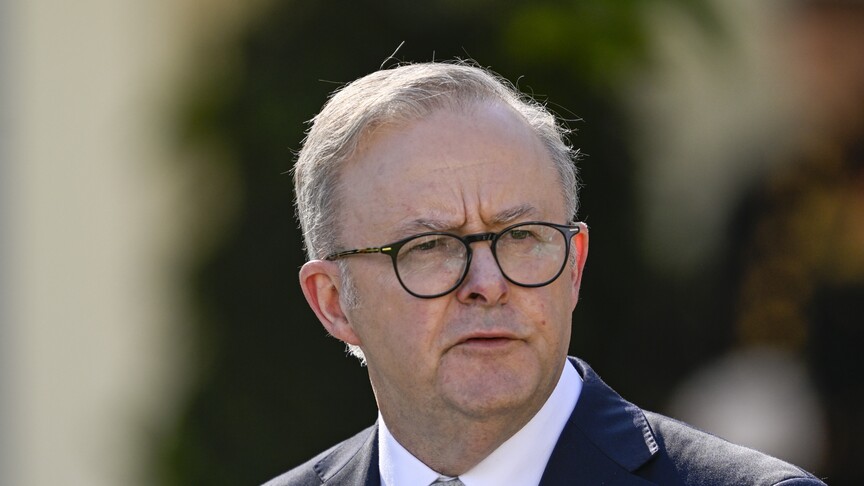
Trump Lashes Out at Pope, GOP Senators Dodge Questions on His Mental State
Trump Lashes Out at Pope, GOP Senators Dodge Questions on His Mental State Former President Donald Trump's escalating rhetoric, including a direct attack on the Pope and comparisons of himself to Jesus Christ, is causing political tremors at home and abroad, while his Republican allies in Congress sidestep questions about his stability [129548][129033]. The controversy began after Pope Leo XIV issued a broad condemnation of war, stating "God does not bless any conflict" [129548]. While not naming Trump, the comments were widely interpreted as a critique of the former president's foreign policy stance. Trump responded on social media, calling the pontiff "weak" and a "globalist" [129548]. Political analysts warn the attack risks alienating Catholic voters, a crucial swing bloc in U.S. elections. Trump's running mate, JD Vance, a Catholic convert, has so far remained silent on the dispute [129548]. The incident drew a rare show of bipartisan unity in Italy, where the main opposition party defended Prime Minister Giorgia Meloni after Trump suggested she should be "careful" of the Pope [129350]. Meanwhile, in Washington, more than a dozen Republican U.S. senators repeatedly refused to answer direct questions from reporters about Trump's mental state following his comments [129033]. When pressed, senators declined to express concern, instead using non-committal phrases like "a person of enthusiasm" to describe him [129033]. The coordinated silence highlights a strategic choice by the president's party to avoid publicly examining his behavior as the election season intensifies [129033]. The pattern of Trump challenging institutions extended to the Federal Reserve, as former Treasury Secretary Janet Yellen condemned political pressure on the independent central bank. She compared Trump's efforts to influence interest rates to the actions of a "banana republic" [129386]. Trump's Attack on Pope Risks Alienating Catholic Swing Voters Title: Republicans Dodge Questions on Trump's Mental State Italian Opposition Defends PM Meloni After Trump Criticism Yellen Compares Trump Rate Pressure to 'Banana Republic'

U.S. Tech Giants and White House Ally to Pressure EU, Report Warns
U.S. Tech Giants and White House Ally to Pressure EU, Report Warns A new report from a leading European think tank warns that the United States is conducting a coordinated campaign to reshape European Union policy, leveraging military dependence and political alliances to force the bloc into compliance with American interests [44570]. The analysis, authored by Armida van Rij of the Centre for European Reform, states that U.S. tech giants are acting in concert with the White House to pressure European regulators. The strategy reportedly uses Europe's reliance on American military protection through NATO as a key point of leverage [44570]. This creates what the report describes as a "pincer attack" on European sovereignty, combining external pressure with support for far-right political movements within Europe itself [44570]. The aggressive U.S. posture is part of a broader shift away from a rules-based international order toward one dictated by power, the report claims [44570]. This aligns with accusations from a senior Belgian minister, who charged the U.S. with waging an "ideological attack" against Europe's social welfare models, which include strong worker protections and public healthcare [78938]. Europe's vulnerability is compounded by its deep technological dependence. Despite political threats from leaders like France's Emmanuel Macron to regulate U.S. tech firms, the EU remains critically reliant on American companies for cloud computing, essential software, social media, and digital payment systems [58167]. This reliance makes any serious attempt to curb their influence or achieve "digital sovereignty" extremely difficult to enforce [58167]. Analysts note that Europe's position is weakened by internal divisions and a history of prioritizing regulation over building its own economic and military power [69895]. A separate assessment argues the EU is "woefully unprepared" for an increasingly aggressive U.S. foreign policy, citing fraying transatlantic ties and the rise of populist politics [43628]. This lack of preparedness limits Europe's ability to mount a unified response, even when U.S. actions risk violating international law, such as in a potential conflict with Iran [116413]. The report concludes, however, that Europe is not without options. It suggests the bloc can resist this pressure by forging its own strategic alliances and building a more credible independent capacity [44570]. US Tech Giants and White House Ally to Pressure EU, Report Warns Belgian Minister: U.S. Waging "Ideological Attack" on Europe Europe's Digital Dilemma: Reliant on US Tech It Seeks to Curb **Trump Era Demands "Political Adults" in EU, Analysts Warn **US "Donroe Doctrine" Sparks Global Alarm: "Resources Belong to Us" Europe's Muted Response to Iran War Threatens Its Own Security

AI's "Jagged Intelligence" Upends Predictions on Which Jobs It Will Take
AI's "Jagged Intelligence" Upends Predictions on Which Jobs It Will Take A new understanding of artificial intelligence (AI) is forcing experts to rewrite predictions about the future of work. The key is a concept called "jagged intelligence," which reveals that AI excels at complex, surprising tasks while failing at simpler ones humans find easy [129780]. This jagged pattern makes old forecasts unreliable. Jobs once considered safe may be vulnerable because they contain specific, high-skill tasks that AI can perform. Conversely, roles thought to be at risk may be safer due to basic gaps in AI's capability. For example, an AI might draft a sophisticated legal document but struggle to organize files on a computer desktop [129780]. The rapid adoption of AI is already prompting major industries to restructure. Global consulting giant PwC is undertaking a massive overhaul of its operations, directly responding to the threat of AI automating core consulting tasks. The firm is focusing on retraining its workforce and reshaping its services for an AI-driven market [128415]. Business leaders are openly discussing how workers will need to "adapt" as AI replaces certain functions, a topic explored in recent documentary films [130084]. This shift is accelerating as companies race to integrate AI tools that can perform specific job functions at high speed. Researchers and businesses are now focused on mapping where AI's uneven abilities overlap with workplace tasks. The goal is to better prepare for the real-world impact, moving beyond broad generalizations to understand the precise, and often unexpected, ways AI will transform employment [129780]. Forget Human Smarts: AI's "Jagged Intelligence" Reveals Its True Threat PwC to Slash 100,000 Jobs? AI Forces Consulting Giant's Overhaul AI Marriages and Job Losses: Grayson Perry's Shocking AI Documentary
Latest Articles
Sudan's "Forgotten War" Seeks Aid as Donors Meet in Berlin
A major donor conference begins in Berlin today. Its goal is to address one of the world's most severe humanitarian crises. A brutal civil war in Su...
UK Rejoins EU's Erasmus Student Exchange Scheme
The United Kingdom has signed a deal to rejoin the European Union's Erasmus+ student exchange program. This move comes six years after the UK left th...
US Sanctions Threaten India's Oil Supply
A US decision to end key oil import waivers is putting India's energy security at risk. Washington has allowed temporary exemptions to expire for im...
Pakistan Sends Delegation to Mediate US-Iran Talks
A senior Pakistani delegation is in Tehran for talks aimed at reviving negotiations between Iran and the United States. The diplomatic mission conti...
Russian Strikes Kill Child, Hit Multiple Ukrainian Cities
Russian missile and drone attacks struck the Ukrainian cities of Kyiv, Odesa, and Dnipro on Thursday. A 12-year-old child was among those killed, acc...
Private Credit in Peril: US Corporate Loans Show Strain
A key part of the US financial system is showing signs of stress. This area, known as "private credit," involves asset management funds lending money...
Shock Second Place: Left-Wing Outsider Challenges Fujimori for Peru's Presidency
A left-wing candidate has surged into a surprise second place in Peru's presidential election. Riberto Sanchez will now face the conservative frontr...
Iranian General Threatens to Sink U.S. Warships
A senior Iranian military advisor has threatened to sink U.S. aircraft carriers if Washington takes action against Iran. The warning was issued by G...
Russia Loses Ally, Courts Hungary With Cheap Gas
Russia is moving to secure its influence in Hungary after the election defeat of its key European ally, Viktor Orban. The Kremlin’s new strategy foc...
Hungary's New Leader Faces Political Tightrope After Orbán
Hungary's new prime minister, Péter Magyar, has taken power. He won by uniting voters opposed to the long-time government of Viktor Orbán. Now, his...
Trump Announces Israel-Lebanon Talks for Thursday
U.S. President Donald Trump announced that the leaders of Israel and Lebanon will hold talks this Thursday. The President stated he wants to create...
Russian Strikes Kill 14 Across Ukraine, Including 12-Year-Old Boy
Russian missile attacks struck multiple Ukrainian cities on Monday, killing at least 14 people. Officials in the southern port city of Odesa reporte...
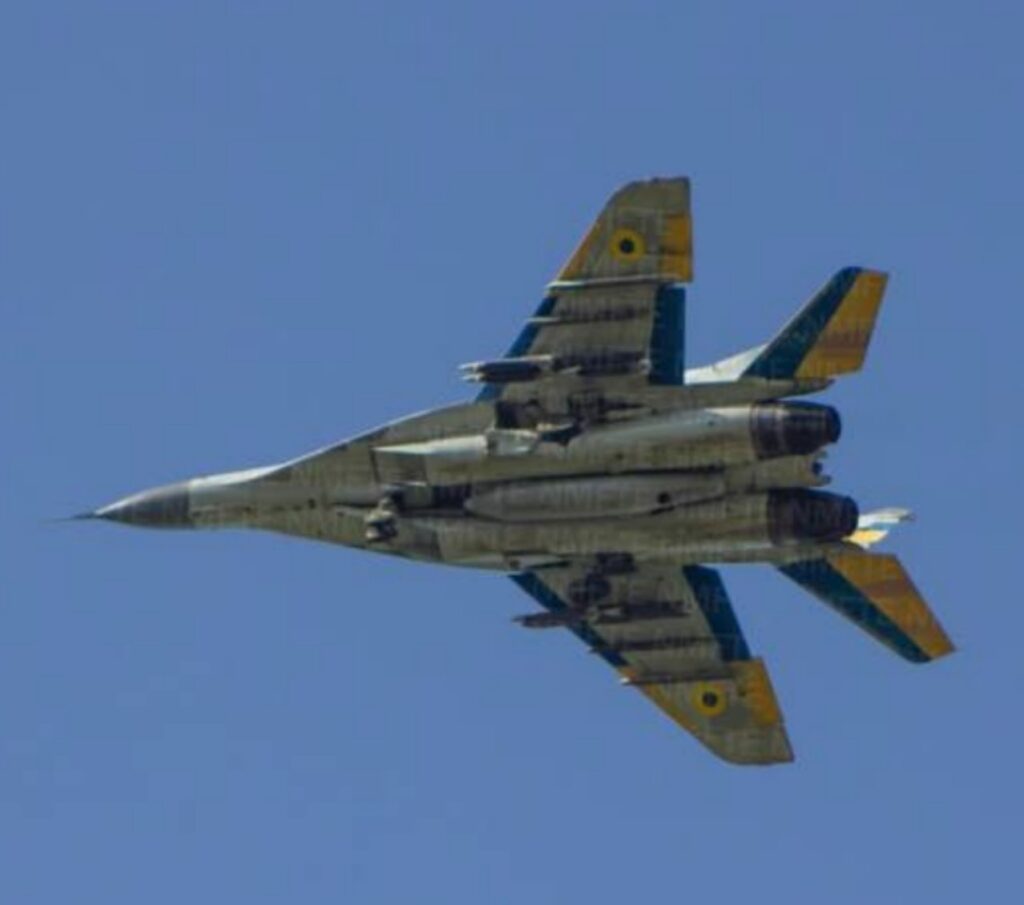
Russian Air Defenses Crumble, Opening Sky to Ukrainian Strikes
Ukrainian warplanes have successfully struck a Russian military target in a new way. This signals a major shift in the air war. The target was a dro...
LIV Golf Denies Collapse Rumors After Emergency Meeting
LIV Golf has dismissed rumors it is about to collapse. This follows an emergency meeting of its players that sparked widespread speculation. The mee...
Teen Gunman Cites "Incel" Figure, Kills Nine in Turkish School Shooting
A 14-year-old boy armed with five guns killed nine people and wounded several others at a school in Istanbul, Turkish officials report. The attack ma...
Songkran Celebrations Turn Deadly: 191 Killed in Thailand
Thailand's Songkran festival, renowned as the world's largest water fight, has been marked by tragedy this year. Authorities report 191 deaths and 1...

AI Can't Create: Why Human Creativity Still Matters
Generative artificial intelligence (AI) cannot truly write, design, or paint. Experts clarify that these systems operate differently from the human m...
Wife of US Lawmaker Apologizes for Teenage Social Media Posts
Rama Duwaji has publicly apologized for offensive social media posts she wrote as a teenager. In her first interview since her husband, Zohran Kwame...
Midwest Storm Chaos: NFL Game in Doubt as Highways Flood
A powerful storm system is moving across the Midwest, creating dangerous conditions. It is bringing heavy rain, a high risk of flash floods, possible...
Key Trump Lawyer Disbarred for 2020 Election Plot
A California court has permanently removed lawyer John Eastman from practicing law. The state's Supreme Court upheld the decision on Wednesday. East...