# The Economy Is Booming—So Why Is It Politically Radioactive?
A strong GDP headline masks a deeper problem: Americans are paying more for less, and they are blaming the incumbent. By any traditional measure, a sitting president presiding over solid growth, low unemployment, and a rising stock market should be cruising toward reelection.
A strong GDP headline masks a deeper problem: Americans are paying more for less, and they are blaming the incumbent.
By any traditional measure, a sitting president presiding over solid growth, low unemployment, and a rising stock market should be cruising toward reelection. Yet the current economic picture tells a different story. Despite respectable headline numbers, the economy has become one of the administration's greatest political liabilities. The reason is not that the economy is collapsing—it is that the gains are not reaching ordinary households, and voters feel it every time they open their wallets.
Growth Without Relief
The central paradox is simple. The economy is growing, but the cost of living is growing faster for the people who matter most at the ballot box: middle- and working-class families. When economists point to GDP, voters point to grocery bills. When analysts celebrate job creation, households counter with rent, insurance, and childcare costs that have outpaced wage growth. This gap between macroeconomic performance and personal financial experience is what makes the economy politically toxic.
The Inflation Hangover
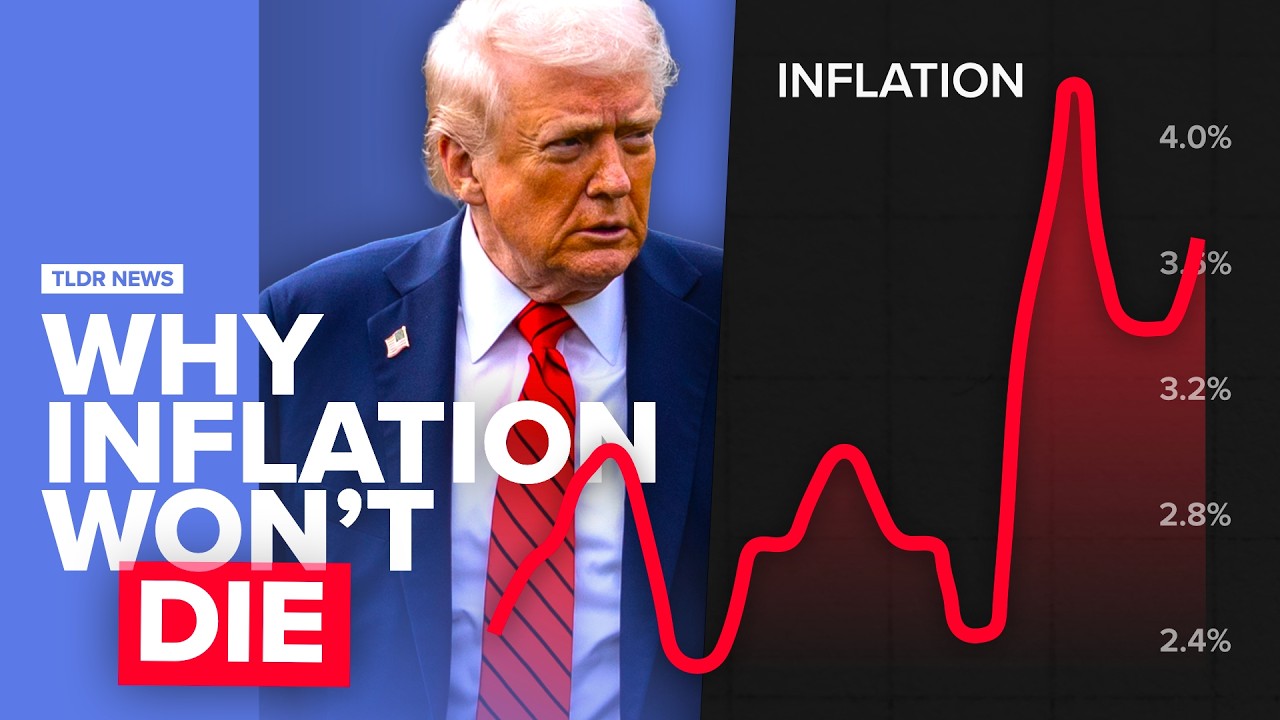
Inflation has cooled from its peak, but prices have not returned to their pre-pandemic levels. That distinction is critical. Consumers do not experience inflation as a rate of change; they experience it as a price level. A carton of eggs, a gallon of gas, a monthly mortgage payment—these are the metrics that shape public perception. Even as the rate of increase slows, the cumulative burden of higher prices remains, and wages have not fully caught up for many workers.
The K-Shaped Reality
The economy is increasingly divided. Asset owners have benefited enormously from rising stock and housing prices. Meanwhile, households without significant assets—and those carrying debt at higher interest rates—have struggled. This divergence creates a "K-shaped" economy: one segment recovers and thrives while another stagnates or falls behind. Politically, this is dangerous. A single national economic narrative cannot capture the lived reality of voters whose experiences differ so sharply.
Why Voters Discount the Good News
Behavioral economics offers an explanation. People weigh losses more heavily than equivalent gains—a phenomenon known as loss aversion. Years of rising prices have created a persistent sense of loss, and positive data points do little to offset it. Moreover, voters tend to judge the economy through a partisan lens. Supporters of the opposition party are predisposed to see decline; even the incumbent's own base may feel the squeeze and grow skeptical of official optimism.
The Credit Gap
A further complication is that presidents have limited control over the economy, yet they receive credit—or blame—for outcomes largely shaped by global forces, central bank policy, and long-term structural trends. When the economy performs well, voters may attribute success to their own efforts or to factors beyond politics. When it performs poorly, they reliably blame leadership. This asymmetry means that economic pain is politically potent while economic strength is easily discounted.
The Electoral Math
The political consequence is straightforward. In key swing states, the margin between victory and defeat is often decided by working-class and middle-income voters who feel financially squeezed. These are precisely the voters most sensitive to cost-of-living pressures. If they conclude that the economy is working against them, no amount of aggregate growth will win their support. The electoral map, in other words, is being shaped not by GDP but by the price of everyday life.
What Would Change the Trajectory?
For the political toxicity to ease, several conditions would need to align. Wage growth would need to visibly outpace price increases for a sustained period. Interest rates would need to fall enough to relieve pressure on borrowers. Housing costs—a major driver of the affordability crisis—would need to moderate. And perhaps most importantly, voters would need time to adjust to the new price level and stop measuring today's economy against pre-pandemic benchmarks.
None of these shifts can be engineered quickly, and none are fully within a president's control. That is precisely why the economy remains such a potent political problem: it is real, it is personal, and it resists easy fixes.
The Bottom Line
A growing economy is not the same as a felt recovery. Until the benefits of growth translate into tangible relief for ordinary households—lower prices, higher real wages, and greater financial security—the headline numbers will remain disconnected from political reality. The administration's challenge is not to convince voters that the economy is strong on paper. It is to make them feel strong in practice. That is a far harder task, and it is the one that will decide the next election.
Related Coverage
Trumpflation Hits: "Prices Dropping Fast" Claim Collides With Data, Stocks at Risk
President Donald Trump says prices are falling, but fresh inflation data shows costs still climbing—and that disconnect is spooking investors.
The Price of Power: How Sanctions, War, and Climate Chaos Are Reshaping the Global Economy
A global economy built on the promise of open trade and cheap energy is now buckling under the weight of geopolitical conflict, strategic blockades, and a technological gold rush that is straining the very limits of infrastructure. From the closed oil lifeline of the Strait of Hormuz to the drone-struck refineries of Russia and the record-breaking rallies in tech stocks, the global financial system is being pulled in opposing directions. While investors chase artificial intelligence (AI) profits and safe-haven assets like gold, millions of ordinary citizens are facing the harsh realities of inflation, fuel shortages, and a widening gap between the wealthy and the rest [15239].
Strait of Hormuz, Drought, and Debt: The Global Economy Strains Under War and Climate Chaos
A global economy built on the promise of open trade and cheap energy is buckling under the weight of geopolitical conflict, strategic blockades, and a technological gold rush that is straining the very limits of infrastructure, leaving ordinary citizens to bear the brunt of inflation, fuel shortages, and a widening gap between the wealthy and the rest [15239].
Fuel Crisis Threatens Bangladesh's Reform Plans
Bangladesh spends hundreds of millions of US dollars every month to shield its people from rising fuel prices, but the growing cost is slowing economic growth and rising inflation, putting the new government's reform plans to the test.
Trump Admin’s Bond Market Meddling Could Blow Up Your Mortgage Rates
The Trump administration is pushing for more control over how U.S. government bonds are issued and priced, a move that experts warn could raise borrowing costs for everyday Americans instead of lowering them.
Global Economy Buckles Under Debt, War, and Energy Shocks as AI Boom Faces Reality Check
A year of converging crises—soaring borrowing costs, spreading conflicts, and a trillion-dollar artificial intelligence bet—has exposed a global economic order that rewards financial accumulation while leaving ordinary people to absorb the shocks.
Related Editorials
The Inflation Illusion: Why Printing Money Isn't the Real Culprit
Central banks and governments often take the blame for rising prices. The truth is far more complex—and far more inconvenient.
Argentina’s Economic Miracle Is Unraveling
Last year, Argentina’s chainsaw-wielding President Javier Milei appeared unstoppable. GDP growth was rising, inflation was falling, and his approval ratings were sky-high.
The Coming Energy Market Meltdown: Why Experts Are Sounding the Alarm
Global energy markets are approaching a critical inflection point. While the transition to renewable sources dominates headlines, a less visible but equally dangerous crisis is brewing beneath the surface—one that could destabilize power grids, spike electricity prices, and trigger widespread econo
Why Trump’s Iran Oil Sanctions Will Likely Backfire on the Global Economy
In a move that has sent shockwaves through global energy markets, the Trump administration has reinstated a "maximum pressure" campaign against Iran, targeting the country’s oil exports with renewed vigor. The strategy aims to choke off Tehran’s revenue, particularly by blocking shipments through t
Is Inflation About to Get Much Worse? The Warning Signs You Can't Ignore
After months of declining inflation rates, a new threat is emerging that could reverse all the progress central banks have made. Recent economic data suggests that the forces driving prices higher are not only persistent but may be accelerating.
The Bond Market’s Quiet Rebellion: Why Yields Are Surging Again
For months, the financial world watched a slow-motion car crash unfold in the Treasury market. After a period of relative calm, US government bond yields are climbing once more, sending ripples through global equities and reigniting fears that the era of cheap money is definitively over.