The Bond Market’s Quiet Rebellion: Why Yields Are Surging Again
For months, the financial world watched a slow-motion car crash unfold in the Treasury market. After a period of relative calm, US government bond yields are climbing once more, sending ripples through global equities and reigniting fears that the era of cheap money is definitively over.
For months, the financial world watched a slow-motion car crash unfold in the Treasury market. After a period of relative calm, US government bond yields are climbing once more, sending ripples through global equities and reigniting fears that the era of cheap money is definitively over. This is not a panic, but a calculated repricing of risk—and it carries profound implications for borrowers, investors, and the broader economy.
To understand the surge, one must first grasp the mechanics of a bond yield. When a bond’s price falls, its yield rises. Investors are effectively demanding a higher return for holding US debt, which was once considered the safest asset on Earth. The recent jump signals that the market is losing patience with the status quo, forcing a reassessment of what it takes to hold American paper.
The primary driver is a shift in expectations regarding the Federal Reserve. The central bank has signaled a "higher for longer" stance on interest rates, pushing back against hopes for aggressive cuts. While inflation has cooled from its peak, it remains sticky enough to keep policymakers on edge. The market is now pricing in fewer rate reductions than previously anticipated, which translates directly into higher yields on short and medium-term maturities.
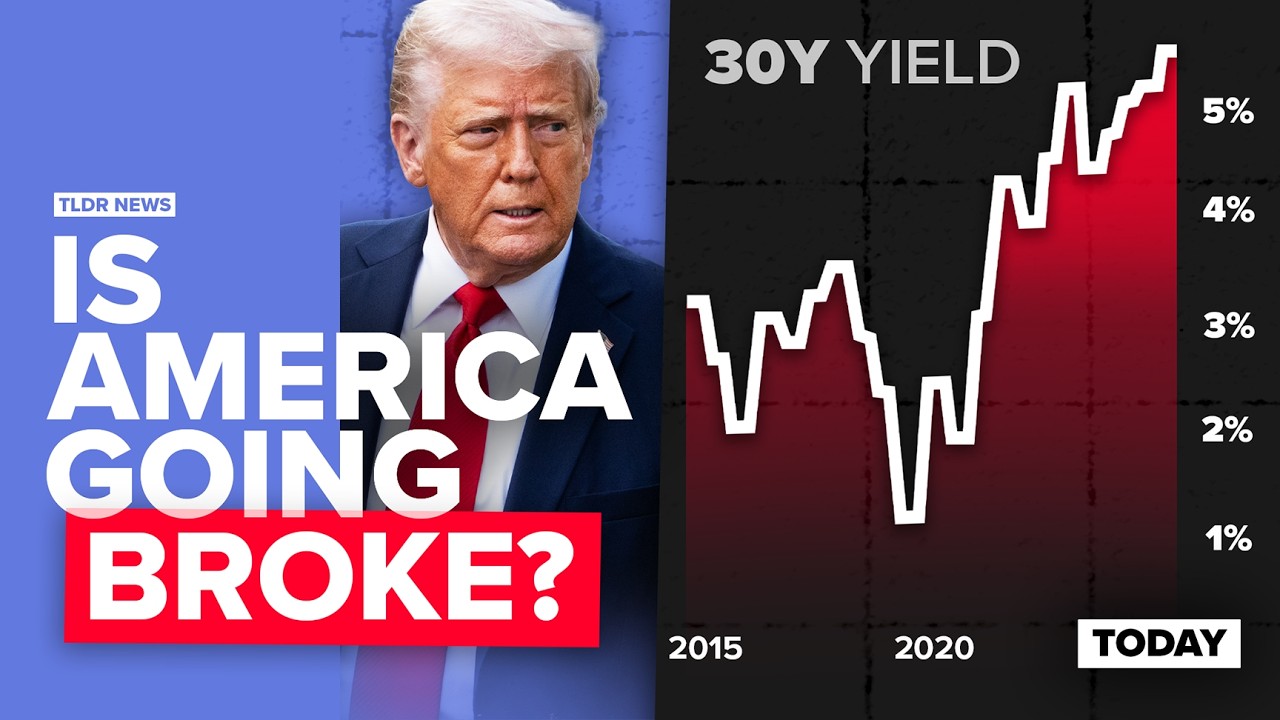
However, the more worrying dynamic is unfolding at the long end of the curve. The yield on the 30-year Treasury has surged to levels not seen in years, a move that cannot be explained by Fed policy alone. This is where fiscal reality enters the picture. The US government is running a massive budget deficit, requiring a relentless supply of new debt to fund its operations. With the Treasury issuing a torrent of bonds, the market is demanding a premium to absorb the glut.
This is the crux of the matter: a supply-demand imbalance. The buyers who once soaked up US debt—foreign central banks, domestic pension funds, and banks—are either stepping back or demanding higher compensation. The "term premium," the extra yield investors require to hold long-term debt instead of rolling over short-term bills, is making a comeback. It is a stark reminder that the US cannot borrow indefinitely without consequences.
The knock-on effects are immediate and tangible. Rising yields push up borrowing costs for corporations and households, from mortgage rates to corporate credit lines. For equity markets, higher yields make bonds more competitive, siphoning capital away from stocks and compressing valuations, particularly for growth-oriented tech companies that rely on future cash flows.
Yet, this is not a signal of imminent collapse. It is a correction—a painful but necessary adjustment to a world where risk must be priced accurately. The bond market is not predicting a recession; it is predicting a period of fiscal strain and persistent inflation. For policymakers in Washington, the message is clear: the free lunch is over. The market is demanding discipline, and until fiscal policy aligns with monetary reality, the pressure on yields will remain a defining feature of the financial landscape.
Related Coverage
Dollar Rebounds, Bond Market Frozen as U.S.-Iran Truce Lapses and Gulf Oil Flows Miss Targets
Global markets are on edge as a temporary U.S.-Iran ceasefire expires without a new deal, pushing Treasury yields higher and halting a currency rally, while fresh data suggests Middle East oil exports are not recovering as fast as Washington claims.
Bond Market Bets Against the Fed as 10-Year Treasury Yield Nears 5%
The 10-year Treasury yield is closing in on 5% for the first time since October 2023, as investors bet the Federal Reserve will keep raising interest rates. The bond market's move signals higher borrowing costs ahead for governments, businesses, and households.
Oil at $100 Sparks 1-in-3 Odds of a Fed Rate Hike This Week
Bond traders now see a one-in-three chance the Federal Reserve will raise interest rates this week, as surging oil prices above $100 a barrel and new trade tariffs fuel inflation fears. The sell-off in U.S. government bonds is worsening, pushing borrowing costs to their highest level since January 2025.
Oil and Gas Shockwave: Bond Yields Explode, Stocks Slide as Middle East Conflict Rattles Markets
Global markets are buckling under a one-two punch of surging energy prices and escalating Middle East tensions, with government bond yields spiking and stock indices falling as investors brace for prolonged inflation pressure.
US, Iran Attacks Escalate, Oil Prices Set for Biggest Weekly Jump Since July
Global markets are on edge as the United States and Iran escalate attacks against each other, pushing oil prices toward their largest weekly gain since late July and deepening a worldwide government bond selloff [234466][234459].
Interest Rates Are Crushing Stocks and Bonds Worldwide: Nikkei Drops 2.2%, UK Costs Hit 2008 High
Global markets are reeling as central banks signal they will keep interest rates high for longer, sending stocks tumbling and government borrowing costs soaring to levels not seen in decades.
Related Editorials
# Is Inflation About to Get Much Worse? The Warning Signs You Can't Ignore
Introduction After months of declining inflation rates, a new threat is emerging that could reverse all the progress central banks have made. Recent economic data suggests that the forces driving prices higher are not only persistent but may be accelerating.
Title: The Bond Market’s New Class War: Why Austerity Is a Choice, Not a Law of Nature
Introduction A quiet but brutal battle is being waged in the corridors of global finance. As government debt levels climb and inflation persists, a familiar chorus has emerged from the world’s most influential financial institutions.
Title: The $3.5 Trillion Shadow: Why the Global Debt Time Bomb Is Still Ticking
Introduction A financial crisis is unfolding in plain sight, yet it remains largely absent from mainstream headlines. It is not a bank run, a stock market crash, or a sudden currency devaluation.
### The Coming Energy Market Meltdown: Why Experts Are Sounding the Alarm
Global energy markets are approaching a critical inflection point. While the transition to renewable sources dominates headlines, a less visible but equally dangerous crisis is brewing beneath the surface—one that could destabilize power grids, spike electricity prices, and trigger widespread econo
Inflation Is Rising. Will the Bank of England Finally Pull the Trigger?
The debate over the cost of living has shifted from academic circles to the kitchen table. As global supply chains strain and energy prices climb, the United Kingdom is facing a familiar yet uncomfortable specter: rising inflation.
October’s Ominous Echo: Why This Autumn Could Rattle Global Markets
As the leaves turn and the trading floors buzz with a familiar anxiety, the question on every investor’s mind is whether history is poised to repeat itself. October has long held a notorious reputation in financial lore, serving as the graveyard for bull markets.