Netanyahu’s Political Tightrope: Why the Wartime Coalition Is Fracturing
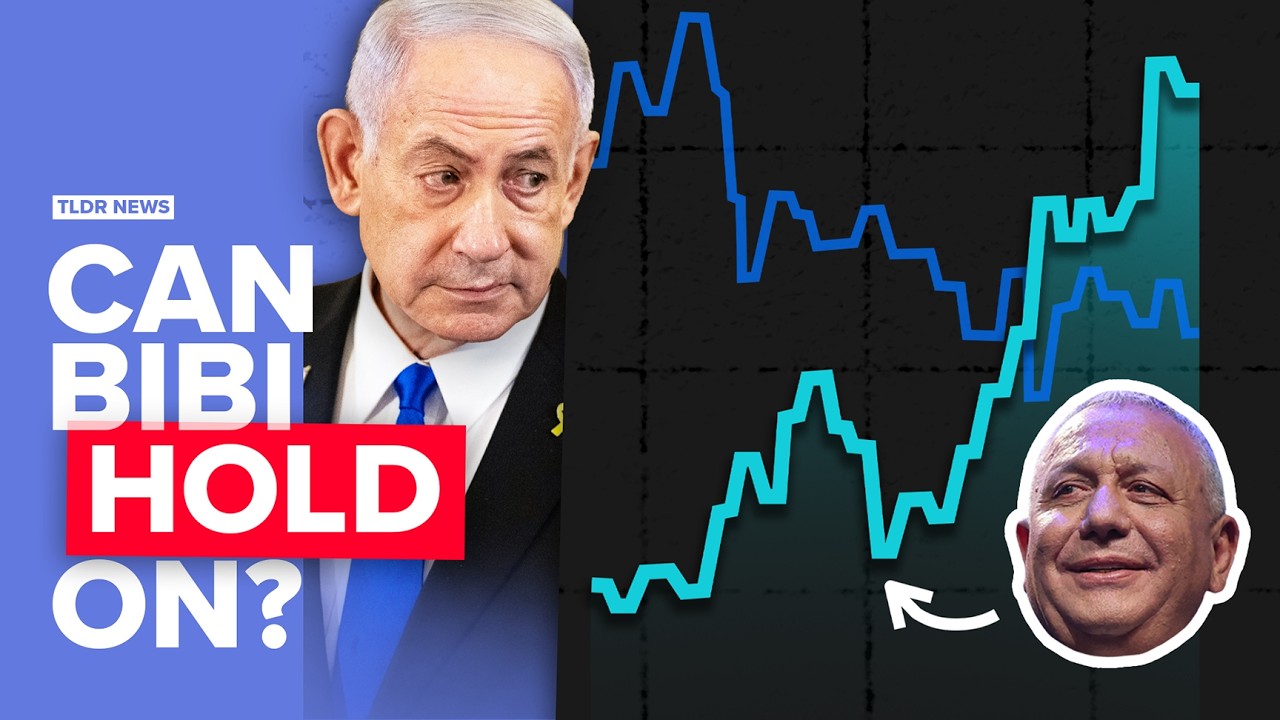
In the annals of modern Israeli politics, few leaders have demonstrated the political survival instincts of Benjamin Netanyahu. Yet, despite his reputation as the "magician" of Israeli statecraft, recent polling data suggests that his grip on power is loosening.
In the annals of modern Israeli politics, few leaders have demonstrated the political survival instincts of Benjamin Netanyahu. Yet, despite his reputation as the "magician" of Israeli statecraft, recent polling data suggests that his grip on power is loosening. The very conflict that thrust him into the global spotlight as a wartime leader is now eroding his domestic standing. As the guns fall silent in Gaza, the noise of political discontent is growing louder in Jerusalem. This analysis dissects the key factors driving the Prime Minister’s declining popularity, from the failures of October 7th to the fraying threads of his wartime coalition.
The Shadow of October 7th
The primary driver of Netanyahu’s political decline is the intelligence and security failure that allowed the Hamas attack on October 7th, 2023. For decades, Netanyahu marketed himself as "Mr. Security"—the only man capable of protecting Israel against its enemies. The breach of the Gaza border fence, the subsequent massacre of civilians, and the taking of hostages fundamentally shattered that image.
Public opinion has shifted from shock to accountability. While the nation initially rallied behind the government in a show of unity, that grace period has expired. Polls consistently indicate that a majority of Israelis now hold the Prime Minister personally responsible for the failures of that day, not just the military brass. The demand for a state commission of inquiry is growing louder, and Netanyahu’s resistance to establishing one is viewed by critics as an admission of guilt rather than a matter of wartime necessity.
The Hostage Dilemma
The issue of the remaining hostages in Gaza presents a profound moral and political dilemma for the government. While the military campaign has degraded Hamas’s capabilities, it has not yet secured the release of all captives. Netanyahu faces a stark choice between a "total victory" that might necessitate prolonged military action, and a ceasefire deal that could bring the hostages home but leave Hamas partially intact.
This is not merely a strategic debate; it is a visceral, emotional issue for the Israeli public. The families of the hostages have become a powerful political force, staging protests that draw tens of thousands. Their message is simple: the government has a duty to bring their loved ones home, and the Prime Minister’s perceived prioritization of political survival over human life is a moral failure. As negotiations stall, the public’s patience wears thin, and the blame is increasingly directed at the top.
The Ultra-Orthodox Draft Exemption
Domestic policy disputes, long dormant, have resurfaced with a vengeance. The most explosive issue is the conscription of ultra-Orthodox (Haredi) men. For decades, a political arrangement exempted yeshiva students from mandatory military service, a policy that has become a source of deep resentment among secular Israelis who bear the burden of reserve duty.
The war has exacerbated this tension. As reservists return from months of combat in Gaza, they face the prospect of being called up again while their Haredi counterparts remain exempt. The Supreme Court’s ruling that the exemption is illegal without a new law has forced Netanyahu to navigate a political minefield. His coalition partners on the far right refuse to budge, threatening to collapse the government if the draft law is passed. This leaves Netanyahu trapped between the demands of the judiciary and the general public on one side, and the survival of his coalition on the other.
The "Submarine Affair" and Corruption Trials
Beyond the immediate crisis, Netanyahu’s legal troubles continue to loom. His ongoing corruption trial—involving charges of bribery, fraud, and breach of trust—remains a distraction and a liability. While the war has paused the proceedings, the public has not forgotten the allegations.
Furthermore, a new scandal, dubbed the "Submarine Affair," has surfaced. It involves allegations of improper dealings in the purchase of naval vessels from a German shipyard. While Netanyahu is not the primary suspect in this case, the affair has reignited public discourse about the cozy relationships between the Prime Minister, his associates, and business interests. For a public already questioning his integrity, these scandals reinforce the narrative that Netanyahu’s primary loyalty is to his own survival, not the state.
The Fading of the "Unity Government"
The formation of a national unity government with centrist opposition leaders Benny Gantz and Gadi Eisenkot was a crucial move for Netanyahu in the early days of the war. It provided a veneer of broad consensus and allowed him to deflect criticism by sharing responsibility.
However, that unity is cracking. Gantz, who leads the National Unity party, is under pressure from his own constituents to leave the coalition. He has issued ultimatums, demanding a clear post-war plan for Gaza and a formal inquiry into the October 7th failures. Netanyahu, constrained by his far-right partners—Finance Minister Bezalel Smotrich and National Security Minister Itamar Ben-Gvir—cannot deliver these demands. Ben-Gvir’s rhetoric about "encouraging emigration" from Gaza and re-establishing settlements is an embarrassment to Gantz and a direct contradiction of the military’s stated goals.
If Gantz leaves the government, Netanyahu will be left with a narrow, right-wing coalition that is deeply unpopular with the broader public. This would trigger a political crisis that could force early elections—a prospect Netanyahu desperately wants to avoid while his approval ratings are in the gutter.
Conclusion
Benjamin Netanyahu is a master of political maneuvering, but he is running out of road. The trust deficit created by October 7th is too deep to be bridged by rhetoric. The hostage families represent a moral indictment of his policies. The coalition is a powder keg of conflicting interests, and the legal sword of Damocles hangs over his head.
While his immediate political demise is not certain, the trajectory is clear. The man who once seemed politically immortal is now fighting for his survival, not against external enemies, but against the very public he promised to protect. The question is no longer if Netanyahu will fall, but whether he will take the country down with him in the process.
Related Coverage
Netanyahu’s ‘Forever War’ Strategy Splits US and Israel as Gaza Death Toll Mounts
The United States and Israel are increasingly at odds over how to end the war with Iran, as Israeli Prime Minister Benjamin Netanyahu pursues a strategy that analysts say is driven by his own political survival rather than shared US priorities. Washington wants an exit from a conflict that is disrupting oil markets and growing unpopular at home, but Netanyahu, facing elections by the end of October and a criminal investigation, is betting on a new “hexagon of alliances” that risks deepening global rifts [170083][169001].
Netanyahu Fights for Survival as Israel Heads to October 27 Election After Security Disaster
Israel will hold national elections on October 27, the first full-term vote in decades, with Prime Minister Benjamin Netanyahu facing a rare underdog battle as the country heads to the polls just 20 days after the third anniversary of the Hamas attack on October 7, 2023.
Israel’s ‘Decisive Days’: Netanyahu Pushes ‘Hexagon of Alliances’ as Military Escalation Stirs Fear and Moral Decline
As Israel enters what media and opposition leaders call “decisive days” following a major military escalation, Prime Minister Benjamin Netanyahu has unveiled a new foreign policy plan called a “hexagon of alliances”—a six-nation bloc aimed at countering “radical axes”—that experts warn risks deepening global rifts and isolating Israel further [169001][168235].
EU Unity Cracks as Israel Feud Splits Brussels, NATO Summit Looms
A power struggle inside the European Union over Israel policy has erupted into open conflict, just weeks before a critical NATO summit in Ankara that will test the alliance's cohesion amid US threats to pull back from Europe.
US-Iran Deal Signed, But Oil Tankers Won’t Move Until They See Proof — and Netanyahu Says No to Pullout
A fragile US-Iran peace deal has been signed, but it faces immediate collapse as Israeli Prime Minister Benjamin Netanyahu refuses to withdraw from occupied zones and major shipping companies refuse to risk the Strait of Hormuz without concrete evidence the agreement is real.
Trump and Netanyahu at War Over Iran: Ceasefire Collapses as Allies Split
A fragile US-brokered ceasefire between Iran and Israel has collapsed, exposing a deepening rift between President Donald Trump and Israeli Prime Minister Benjamin Netanyahu over how to end the conflict [168642][168888][170083].
Related Editorials
The Unraveling Alliance: Why a US-Israel Divorce Looks Increasingly Inevitable
For decades, the bond between the United States and Israel was considered unbreakable—a cornerstone of Middle Eastern geopolitics. Yet, beneath the surface of official statements and military aid packages, tectonic plates are shifting.
The Tech Elite vs. The Populist Base: The Real War Splitting MAGA
The political coalition known as MAGA is no longer a monolith. Beneath the surface of public rallies and unified social media messaging, a structural fracture is widening.
Takaichi’s Poll Slide: The High Cost of Hardline Politics in Japan’s Leadership Race
When Sanae Takaichi entered the race to lead Japan’s ruling Liberal Democratic Party (LDP), she appeared to be a formidable contender. As a close ally of the late Prime Minister Shinzo Abe, she commanded a loyal faction and a clear ideological platform.
Could Turkey and Israel Go to War? The Rising Risk of a New Middle Eastern Conflict
For decades, the relationship between Turkey and Israel has oscillated between strategic partnership and bitter rivalry. Today, that rivalry has reached its most dangerous point in modern history.
The Unraveling Alliance: Why the Right Turned Against Israel
In a striking reversal of political allegiance, a significant segment of the American and European right has shifted its stance on Israel. For decades, the state was a cornerstone of conservative foreign policy—a "bulwark against terrorism" in the Middle East.