Takaichi’s Poll Slide: The High Cost of Hardline Politics in Japan’s Leadership Race
When Sanae Takaichi entered the race to lead Japan’s ruling Liberal Democratic Party (LDP), she appeared to be a formidable contender. As a close ally of the late Prime Minister Shinzo Abe, she commanded a loyal faction and a clear ideological platform.
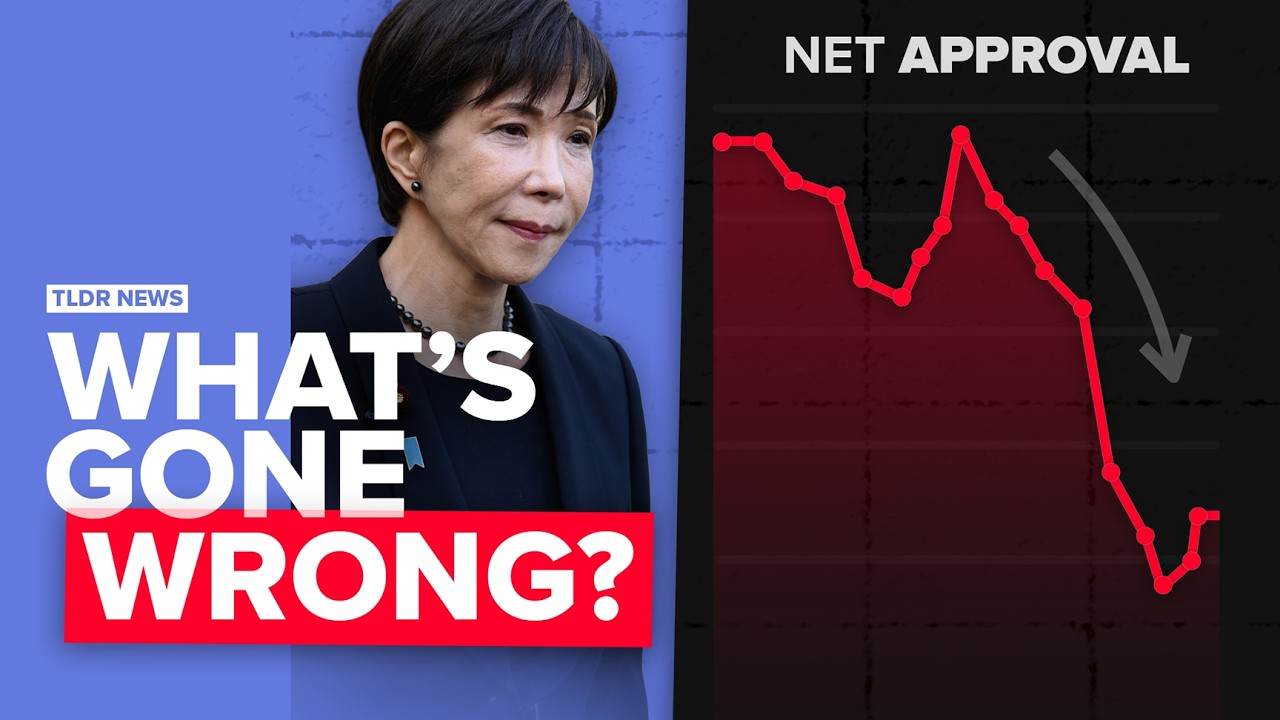
When Sanae Takaichi entered the race to lead Japan’s ruling Liberal Democratic Party (LDP), she appeared to be a formidable contender. As a close ally of the late Prime Minister Shinzo Abe, she commanded a loyal faction and a clear ideological platform. Yet, recent polling data reveals a dramatic reversal of fortune. Her approval ratings are not just stagnating; they are actively sinking. The reasons for this decline offer a masterclass in how political capital is won and lost in Tokyo’s corridors of power.
The primary driver of Takaichi’s slide is a fundamental mismatch between her campaign strategy and the current public mood. While she has doubled down on a nationalist, socially conservative agenda—championing revisions to the constitution and contentious visits to Yasukuni Shrine—the Japanese electorate is increasingly preoccupied with pocketbook issues. Voters are looking for solutions to inflation, wage stagnation, and a declining birthrate. By focusing on ideological battles rather than economic security, Takaichi appears out of touch with the daily realities of ordinary citizens.
Furthermore, her reputation for political rigidity has become a liability. In a political culture that prizes consensus and coalition-building, Takaichi’s uncompromising stance on fiscal policy has raised concerns. Her advocacy for increased defense spending, while popular in certain security circles, has not been matched by a credible plan to fund these initiatives without exacerbating Japan’s already significant national debt. This perceived lack of fiscal prudence has alienated moderate voters and economic pragmatists within her own party.
The optics of her campaign have also suffered from a perception of entitlement. Having inherited the Abe faction’s machinery, her team has projected an air of inevitability. This has backfired. Instead of projecting strength, it has fueled a narrative that she is a divisive figure who would govern for a narrow base rather than the nation. In contrast, her primary rivals have successfully positioned themselves as more moderate, collaborative figures capable of healing the party’s fractures.
Finally, the "Takaichi problem" is exacerbated by gender dynamics that remain unresolved in Japanese politics. While her candidacy is historic, her aggressive, hawkish persona—often described as "iron-willed"—is viewed through a harsher lens than similar male counterparts. She is frequently framed as "scary" or "intimidating" rather than "strong" or "decisive." This double standard, while unfair, is a political reality that her team has failed to mitigate, instead leaning into the abrasive image.
The arithmetic is simple: a candidate who fails to expand her coalition is a candidate in retreat. Takaichi’s sinking approval ratings are not a random fluctuation but a direct consequence of a campaign that misread the electorate’s priorities. Unless she pivots from ideological purity to pragmatic governance, her bid for the premiership will likely end not with a bang, but with a whimper—a cautionary tale for any politician who mistakes party loyalty for public trust.
Related Coverage
Turkey’s Ruling Alliance Cracks Down on Dissent as Opposition Struggles to Respond
Turkey’s ruling AKP-MHP alliance is tightening its grip on the country by turning its ideology into law, leaving opposition groups fragmented and unable to mount a unified response.
Sweden’s Election Battle Turns into a Cash Bidding War as Social Democrats Plummet to 25.8%
With just days before the vote, Sweden’s election campaign has narrowed into a fierce contest over who can promise voters the most money, overshadowing larger policy debates and sparking frustration among first-time voters.
Related Editorials
Netanyahu’s Political Tightrope: Why the Wartime Coalition Is Fracturing
In the annals of modern Israeli politics, few leaders have demonstrated the political survival instincts of Benjamin Netanyahu. Yet, despite his reputation as the "magician" of Israeli statecraft, recent polling data suggests that his grip on power is loosening.
The Yen’s Plunge: Why Tokyo’s Intervention Is Losing the Battle
In the high-stakes arena of global currency markets, the Japanese yen’s recent collapse has triggered alarm bells in Tokyo. Faced with a currency trading at multi-decade lows, Japanese authorities stepped in to support it.