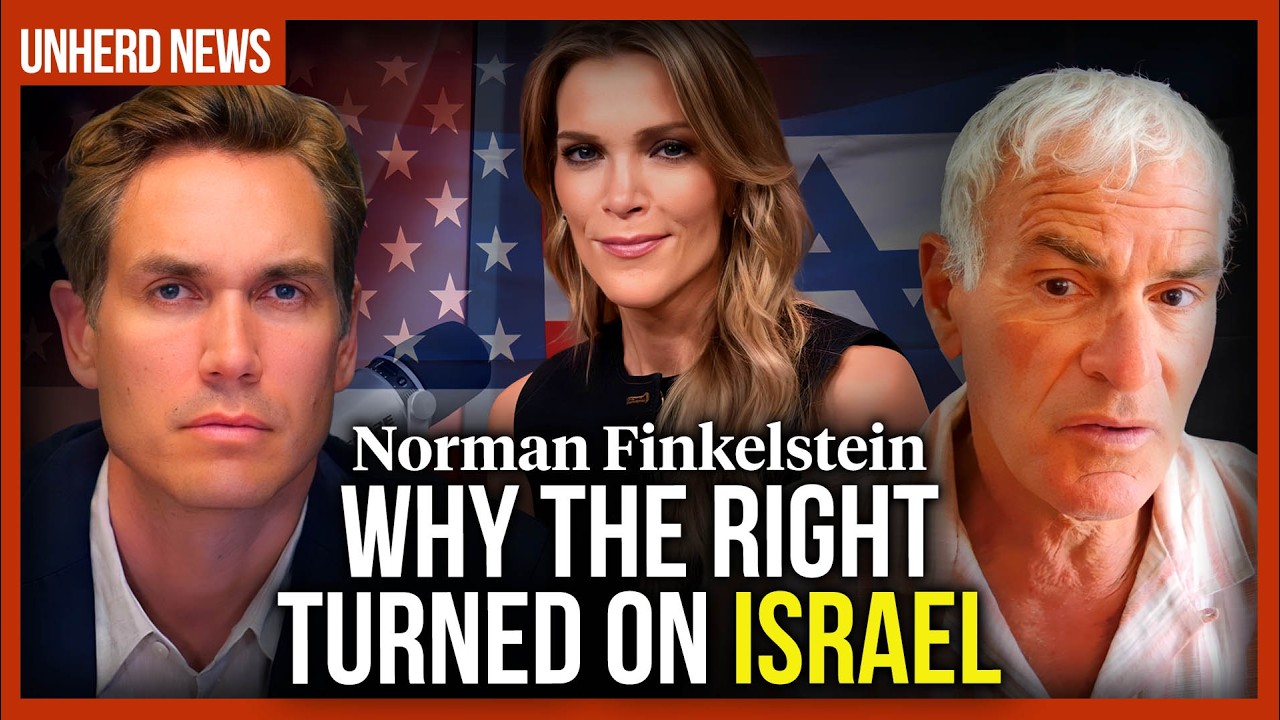
The Unraveling Alliance: Why the Right Turned Against Israel
In a striking reversal of political allegiance, a significant segment of the American and European right has shifted its stance on Israel. For decades, the state was a cornerstone of conservative foreign policy—a "bulwark against terrorism" in the Middle East.
In a striking reversal of political allegiance, a significant segment of the American and European right has shifted its stance on Israel. For decades, the state was a cornerstone of conservative foreign policy—a "bulwark against terrorism" in the Middle East. Today, however, that consensus is fracturing. The question is not whether this shift is happening, but why.
The core of the argument rests on a fundamental change in how the right-wing perceives the Israeli state. Previously, Israel was seen as a necessary partner in the "War on Terror," a reliable ally against radical Islam. This view aligned with the neoconservative doctrine that promoted democracy and American influence abroad. But a new generation of right-wing populists, often labeled "national conservatives," has emerged with a different worldview. They prioritize national sovereignty, cultural homogeneity, and the protection of "Western civilization" against what they see as a tide of globalism and immigration.
From this perspective, Israel becomes a liability. The right-wing critique now centers on the argument that Israel’s actions—specifically its occupation of Palestinian territories and the ongoing conflict—actively destabilize the West. The logic is blunt: by creating a constant source of regional conflict, Israel generates a refugee crisis that spills into Europe and the United States. These refugees, the argument goes, bring with them cultural and religious values that clash with Western traditions, fueling internal social tensions and undermining national identity.
This is a direct inversion of the old neoconservative logic. Where the old right saw Israel as a solution to terrorism, the new right sees it as a cause of the very instability that produces terrorists and migrants. The conflict is no longer viewed as a noble struggle against extremism, but as a self-perpetuating cycle of violence that ultimately harms the West.
Furthermore, this new right-wing bloc often harbors deep suspicion of the "Deep State" or the "establishment"—the intelligence agencies, diplomatic corps, and media institutions that have historically supported Israel. Because these institutions are the primary defenders of the alliance, the populist right views the relationship with Israel as a project of the elites they seek to overthrow. To oppose Israel, in this context, is to oppose the establishment.
This ideological pivot is not uniform. Many on the right, particularly evangelical Christians and neoconservatives, remain staunchly pro-Israel. But the rise of figures like Tucker Carlson in the United States and politicians in Europe who openly question the value of the alliance signals a profound and lasting change. The old bond, forged in the Cold War and cemented after 9/11, is fraying. The right is no longer a monolith on Israel, and its internal conflict is reshaping the landscape of Middle East politics.
Related Coverage
Netanyahu’s ‘Forever War’ Strategy Splits US and Israel as Gaza Death Toll Mounts
The United States and Israel are increasingly at odds over how to end the war with Iran, as Israeli Prime Minister Benjamin Netanyahu pursues a strategy that analysts say is driven by his own political survival rather than shared US priorities. Washington wants an exit from a conflict that is disrupting oil markets and growing unpopular at home, but Netanyahu, facing elections by the end of October and a criminal investigation, is betting on a new “hexagon of alliances” that risks deepening global rifts [170083][169001].
Trump and Netanyahu at War Over Iran: Ceasefire Collapses as Allies Split
A fragile US-brokered ceasefire between Iran and Israel has collapsed, exposing a deepening rift between President Donald Trump and Israeli Prime Minister Benjamin Netanyahu over how to end the conflict [168642][168888][170083].
Europe Dumps US: 8 EU Nations Now Prefer China as Allies
A new survey reveals a dramatic shift in European alliances, with eight European Union nations now favoring closer ties with China over the United States, exposing deep fractures across the continent.
Democrats in Chaos as $3.3 Billion Israel Military Aid Splits Party Leadership
Top Democrats are publicly feuding over a Republican proposal to block $3.3 billion in U.S. military aid to Israel, exposing a deep rift in the party as lawmakers clash over support for Israel's occupation of Palestinian territories.
Israel’s ‘Decisive Days’: Netanyahu Pushes ‘Hexagon of Alliances’ as Military Escalation Stirs Fear and Moral Decline
As Israel enters what media and opposition leaders call “decisive days” following a major military escalation, Prime Minister Benjamin Netanyahu has unveiled a new foreign policy plan called a “hexagon of alliances”—a six-nation bloc aimed at countering “radical axes”—that experts warn risks deepening global rifts and isolating Israel further [169001][168235].
EU Unity Cracks as Israel Feud Splits Brussels, NATO Summit Looms
A power struggle inside the European Union over Israel policy has erupted into open conflict, just weeks before a critical NATO summit in Ankara that will test the alliance's cohesion amid US threats to pull back from Europe.
Related Editorials
The Unraveling Alliance: Why a US-Israel Divorce Looks Increasingly Inevitable
For decades, the bond between the United States and Israel was considered unbreakable—a cornerstone of Middle Eastern geopolitics. Yet, beneath the surface of official statements and military aid packages, tectonic plates are shifting.
Netanyahu’s Political Tightrope: Why the Wartime Coalition Is Fracturing
In the annals of modern Israeli politics, few leaders have demonstrated the political survival instincts of Benjamin Netanyahu. Yet, despite his reputation as the "magician" of Israeli statecraft, recent polling data suggests that his grip on power is loosening.
Why Burkina Faso Severed Ties with Its Former Colonial Master
In a dramatic shift that has reshaped West African geopolitics, Burkina Faso has turned its back on France, its former colonial ruler. The move, driven by a wave of anti-French sentiment and a desire for national sovereignty, marks a decisive break from decades of political and military dependency.