China Pledges Fair Mining Deal in Liberia as US Cuts Aid and Rubio Pushes G20 to Break Beijing’s Grip on Critical Minerals
A new push by China to secure critical minerals in Liberia comes as the US cuts aid to Africa and Secretary of State Marco Rubio urges G20 allies to loosen Beijing’s dominance over the resources needed for power grids and artificial intelligence.
China’s ambassador to Liberia presented Beijing as a partner for developing the country’s newly found critical minerals on Wednesday, speaking at an international mining conference in Monrovia and saying China opposes using critical mineral resources as leverage in geopolitical games [1]. The pledge comes as Washington has cut aid to African nations while keeping control of a key copper railway, even as China has continued to expand its presence across the continent [2]. New polling data reveals which country is gaining the upper hand in the competition for critical minerals — resources essential for building power grids and advancing artificial intelligence technology — and the findings suggest China is making stronger gains in the race for resources that will shape the global economy [2].
The US is also pressing its allies. Secretary of State Marco Rubio urged G20 foreign ministers to strengthen supply chains and secure strategic trade routes as Washington seeks to loosen China’s dominance over critical minerals; the meeting closed in Atlanta on Saturday without consensus on key issues [3]. Rubio said there was “universal recognition” among G20 members of the importance of critical minerals, supply chain security and freedom of navigation [3].
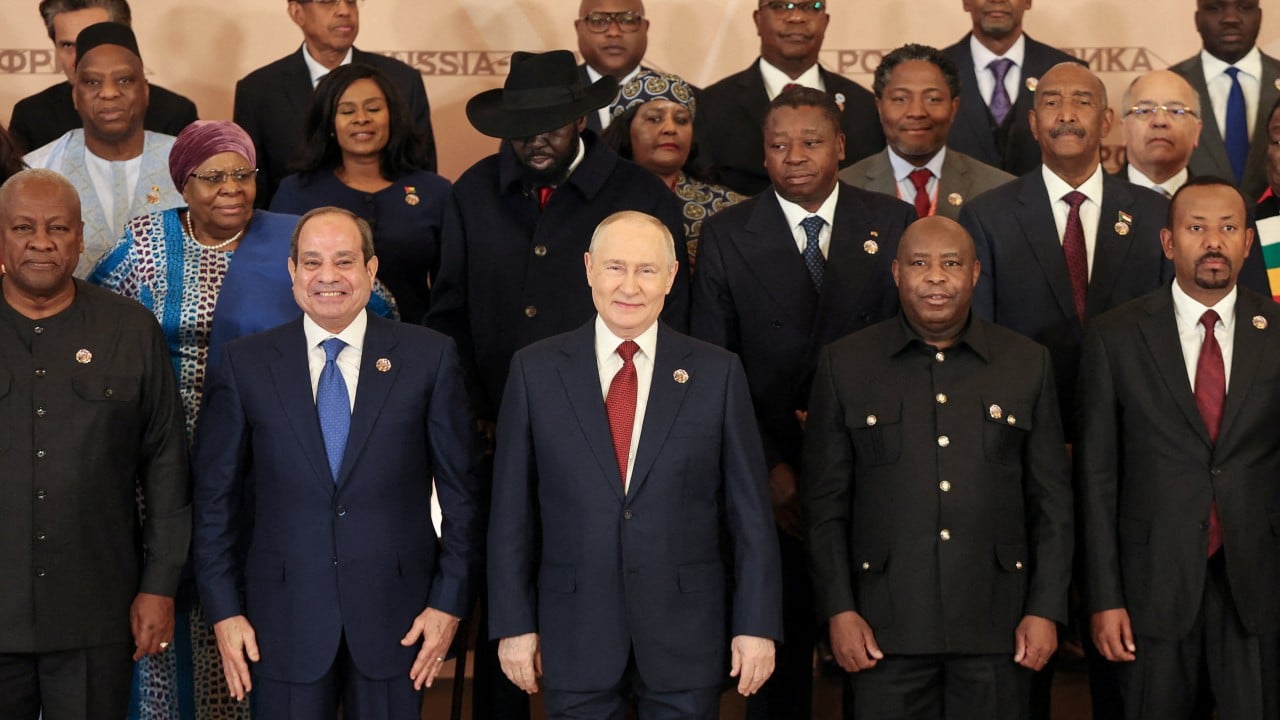
China’s influence push extends beyond minerals. A new quarterly index now measures whether the US defense industry can keep pace with China’s military buildup, offering a regular, data-based way to compare the two sides [4]. Russia’s influence among young Africans has also grown sharply, surpassing former colonial power France, according to a new survey — though China remains ahead of both [5]. The African Youth Survey, commissioned by the South Africa-based Ichikowitz Family Foundation, found that 54 per cent of young Africans now view Russia as an ally [5].
In Central Asia, China’s commercial presence is visible on the streets of Astana, where brands like BYD and Changan are making aggressive inroads into a market once dominated by South Korea’s Hyundai and Kia [6]. A leading economist said Thursday that the United States and China remain locked in a “conflicted co-dependency” that this year’s two bilateral summits failed to resolve [7].