EU Rushes Arctic Defenses as Russia's Hybrid War Hits Starlink—30 Military Bases Already in the Region
The European Union unveils a new Arctic security strategy while Russian sabotage attempts target Starlink infrastructure across Europe, exposing the bloc's vulnerability to hybrid warfare.
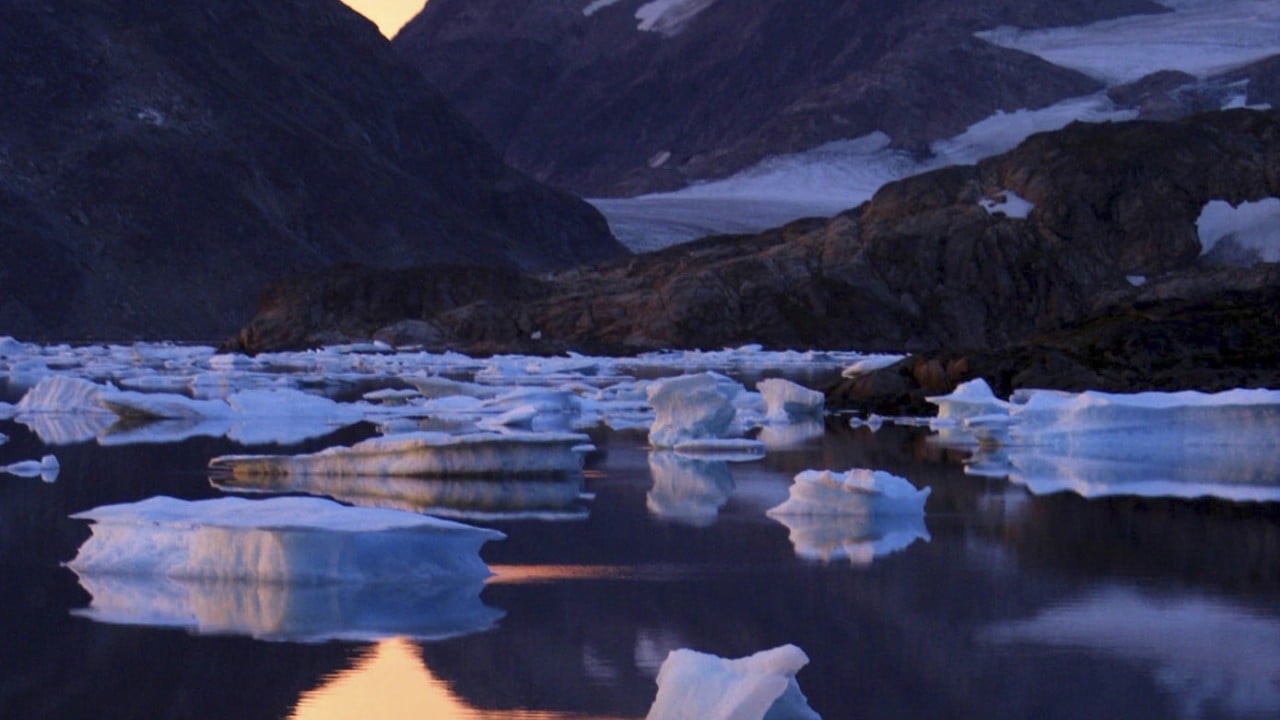
The European Union has launched a sweeping new Arctic strategy placing security at the center of its priorities as competition with Russia, China, and the United States intensifies in the resource-rich region [266751][267276]. The plan, presented Tuesday by European Commission President Ursula von der Leyen and EU foreign policy chief Kaja Kallas, includes expanding satellite monitoring, establishing a Maritime Security Hub to coordinate coast guard and naval operations, and creating an Arctic Cable Hub to protect undersea infrastructure [267276][266751].
"The Arctic has become a frontline in the global competition for power," Kallas said, citing drone incursions, GPS jamming, and cable sabotage as threats undermining Arctic security [267302][266751]. The strategy comes as melting ice opens new shipping routes and access to critical minerals, drawing increased military and economic activity from both Washington and Moscow [267080][267276].
Russia controls half of the Arctic's land and sea territory north of the Arctic Circle, and two-thirds of the region's inhabitants live on Russian soil [266751]. Moscow has the world's largest fleet of icebreakers, including nuclear-powered vessels, and has increased its use of the polar route to ship oil and gas to China since its 2022 invasion of Ukraine [266751]. In 2024, China and Russia began joint patrols in the Arctic [266751].
The Arctic is already heavily militarized, with up to 60 military bases in the region—about 30 belonging to Russia and 36 in NATO countries, mostly in Norway, followed by Canada, the United States, Greenland, and Iceland [266751].
Meanwhile, Russia is expanding its hybrid war against the West by targeting Elon Musk's Starlink satellite internet service, which is used by NATO and Ukraine for battlefield communications [267620]. Lithuania's foreign minister, Kęstutis Budrys, said a sabotage attempt targeting Starlink infrastructure near Vilnius was stopped [267620]. Polish Prime Minister Donald Tusk called a September fire at a Starlink satellite station near Warsaw "another act of hybrid warfare" after two Turkish citizens were arrested [267620].
British authorities determined that Russian intelligence was behind a March 2024 arson attack on a London warehouse storing Starlink equipment bound for Ukraine [267620]. Ukraine's military intelligence warned that Russia could target Starlink infrastructure across Europe [267620].
"Neither space nor our societies are sanctuaries," said US Army Col. Martin O'Donnell, a spokesperson for NATO's Supreme Headquarters Allied Powers Europe [267620]. "Fortunately, NATO has strategies for countering threats to both, and for defending the alliance."
Starlink accounted for over 60% of SpaceX's revenue last year, and government and enterprise revenues rose 91% year over year in the company's third-quarter earnings [267620]. The incidents have led European officials to call for the EU to accelerate development of IRIS2, a European rival to Starlink set to begin satellite deployments in 2029 [267620].
Ukrainian President Volodymyr Zelenskyy said the limits on Starlink had made clear that Europe needs its own alternatives quickly. "All of Europe has seen that it can be controlled from the United States, regardless of agreements or contracts, that Starlink speeds can be restricted," he said [267620].
"As the threat level climbs, so must Europe's preparedness," said Christian Wigand, the EU's lead spokesperson for foreign affairs and security policy. "Moscow is trying to scare Europe into winding down its support for Ukraine. This will not happen" [267620].
The EU strategy also emphasizes that "oil, coal and gas will remain underground, including in Arctic regions," putting Brussels at odds with US President Donald Trump's push for increased fossil fuel exploration in Greenland [266751]. The Arctic is warming nearly four times faster than the global average, and EU officials warn that changes there directly affect Europe, which is heating at twice the global rate [266751].
More than half a million EU citizens live in the Arctic region, with Denmark, Finland, and Sweden being EU member states with Arctic territories [266751]. "Events in the Arctic directly affect Europe's security, climate and prosperity," the European Commission said [266751].