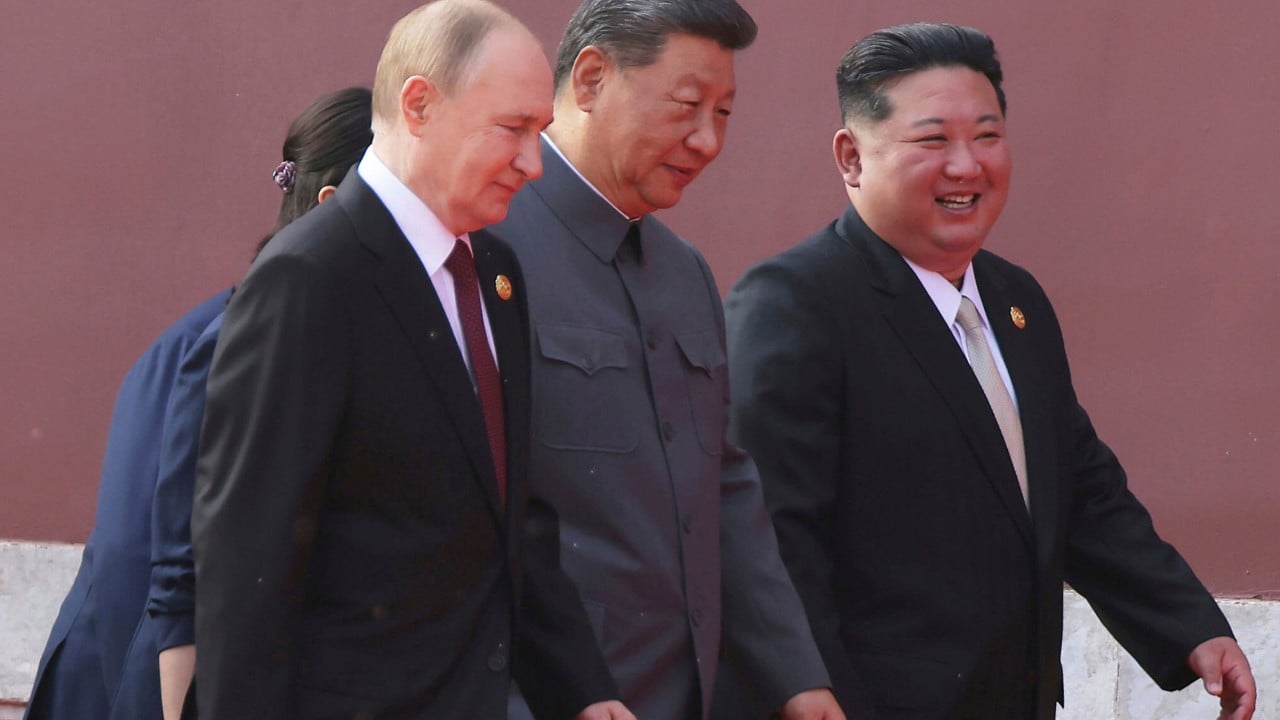
China Tightens Grip on North Korea as Xi Wins Nuclear Recognition and New Pledge of Loyalty
Amid growing competition with Russia for influence, Chinese President Xi Jinping secured a public pledge of deeper military and strategic ties with North Korea, while also granting de facto recognition of Pyongyang as a nuclear-armed state.
Chinese President Xi Jinping’s first visit to North Korea in five years has resulted in a major shift in Beijing’s stance, as he publicly recognized North Korea as a nuclear state and agreed to strengthen military cooperation between the two allies [169727][170476]. The visit, which took place in Pyongyang, saw Xi and North Korean leader Kim Jong-un pledge to “enhance exchanges in diplomacy, law enforcement and military affairs,” a rare public call for closer military ties [170476].
Analysts say Xi’s trip handed Kim a “big strategic win” by boosting his international standing and reinforcing China’s role as Pyongyang’s primary ally, even as North Korea has deepened its partnership with Russia [172040][172096]. Xi praised North Korea’s recent achievements, effectively accepting its nuclear status, and the two leaders agreed to strengthen their “strategic relationship” based on socialist principles [169727][168051].
The visit comes as China seeks to counterbalance Russia’s growing military ties with North Korea, including reported arms deals and North Korean support for Moscow’s war in Ukraine [168902][168049]. Beijing, which accounts for 95% of North Korea’s legitimate trade, is wary of being sidelined as Moscow seeks new partnerships [168287][168902]. Xi’s message to Kim was clear: Beijing expects continued loyalty [168902].
During the trip, Xi also visited a war monument with Kim, highlighting the “unwavering” friendship and shared sacrifices between the two nations [168951][168051]. The summit left regional powers uncertain about Pyongyang’s intentions, as Kim offered no major concessions while securing diplomatic attention and economic support [172096][168002].