Japan’s Rare Earth Stockpile Plan Risks New Asia Trade War — But ASEAN Turns to Russia for Energy
Southeast Asian nations are deepening energy ties with Russia at a summit in Kazan, even as Japan pushes G7 allies to stockpile rare earth minerals in a move that threatens to escalate tensions with China.
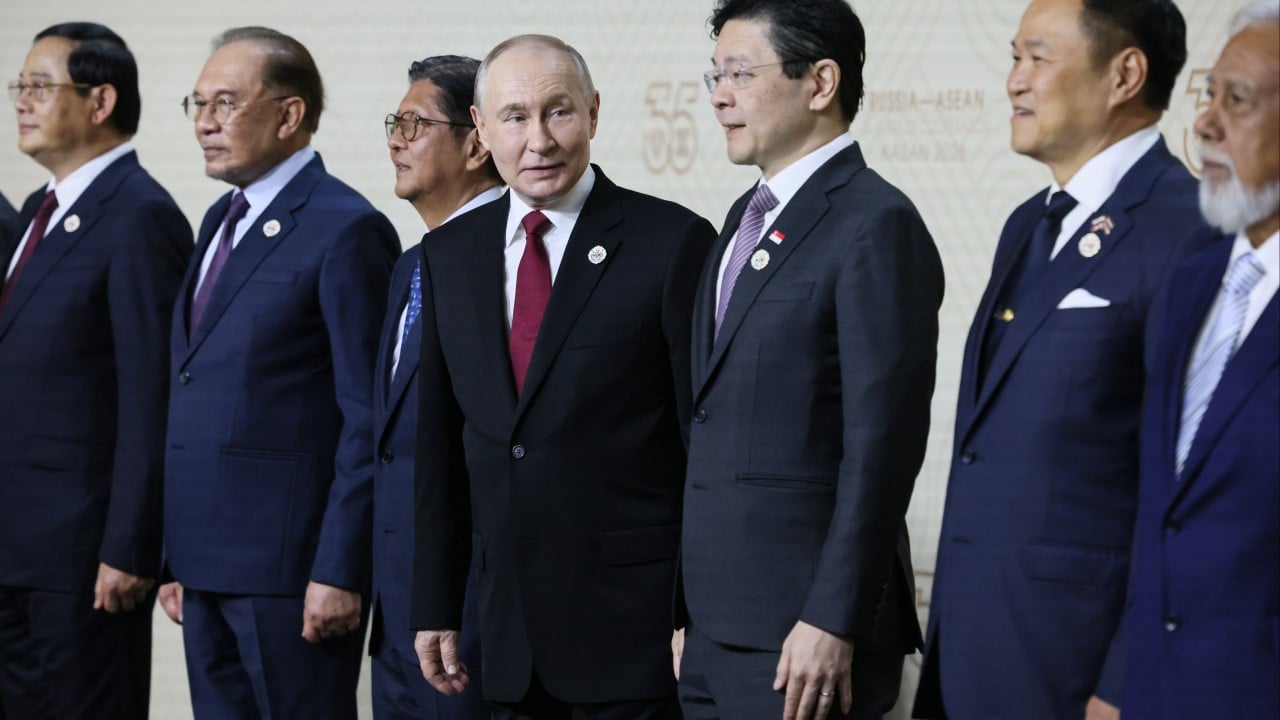
The ASEAN–Russia Commemorative Summit, held this week in the Russian city of Kazan, has brought together leaders from the 10-member Association of Southeast Asian Nations (ASEAN) with President Vladimir Putin. The meeting focuses on securing stable energy supplies, including oil, gas, and nuclear power, as global prices remain high and the region seeks alternatives to dominant suppliers [177992][176589][176721]. Russian President Vladimir Putin urged Southeast Asian leaders to expand cooperation in energy, food security, and nuclear technology, offering civilian nuclear expertise to ASEAN members seeking clean energy [174767]. Indonesian Foreign Minister Sugiono has specifically called for closer cooperation with Russia on nuclear energy development, aligning with Jakarta’s goal of reducing reliance on fossil fuels [176055].
The summit overlaps with a Group of Seven (G7) meeting in France, where Japanese Prime Minister Sanae Takaichi proposed that allied nations coordinate the stockpiling of rare earth elements—materials essential for smartphones, electric vehicle batteries, and military equipment [177984]. Currently, China dominates over 60% of global mining and nearly 90% of processing of these critical minerals [176599]. Analysts warn that Japan’s plan could be seen as a direct challenge to Beijing, escalating existing trade and security disputes [177984].
The contrast in diplomatic approaches is sharp. While the G7 is pushing to isolate Russia, ASEAN is deepening ties. The Kazan summit is not just a photo opportunity—it marks a strategic choice by Southeast Asian nations to maintain open channels with Moscow, despite Western pressure [176721]. No new sanctions or military deals have been announced, but both sides agreed to continue talks on joint energy projects [174767][176083].
Indonesia is also pursuing separate energy security agreements. The country has forged an energy pact with Kuwait to stabilize fuel supplies and reduce vulnerability to price swings amid global economic turbulence [177486]. Additionally, Indonesia’s Ministry of Higher Education has begun talks with the United Nations Economic and Social Commission for Asia and the Pacific (UNESCAP) to strengthen research support for the country’s energy transition from fossil fuels to cleaner sources [177482].
Kazakhstan, meanwhile, is entering the global race for rare earth minerals, positioning itself as a potential alternative to China by offering access to untapped reserves of lithium, cobalt, and other critical materials [176599]. The country’s central location with direct rail links to Europe and China offers logistical advantages, though analysts warn that building a full supply chain could take a decade or more [176599].
The developments highlight a growing divide: as Japan pushes for a confrontational approach to mineral security, Southeast Asia is actively diversifying its energy partnerships with Russia and other players to reduce risks in the global energy market [176589][176083].