Governments Ditch Old Playbook, Bet Billions on AI and Security in Economic Overhaul
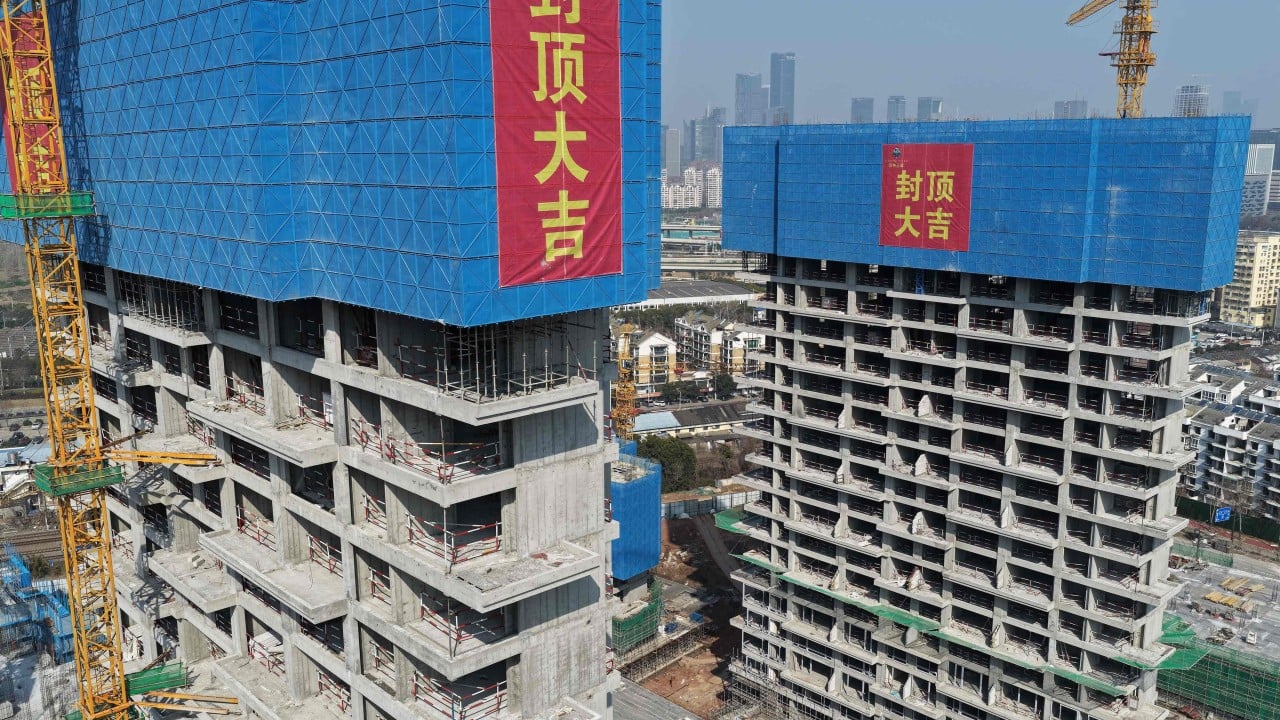
Governments Ditch Old Playbook, Bet Billions on AI and Security in Economic Overhaul A fundamental shift is underway in how nations manage their economies, driven by the twin forces of artificial intelligence and geopolitical rivalry. Governments are abandoning long-held principles of free trade and global rebalancing, pouring massive public funds into domestic technology and manufacturing while rewiring supply chains for national security. This new pattern marks a stark departure from the framework that led to the 2008 financial crisis. That era was defined by simple imbalances: high-saving nations like China funded high consumption in countries like the United States [123918]. The textbook solution called for surplus countries to spend more and deficit countries to save more. Today, that old logic is being broken. Artificial intelligence (AI) is now viewed as a "general-purpose technology" critical to both future economic dominance and military power [123918]. This perception is triggering a global race, with nations like the United States investing heavily to secure leadership in semiconductors and AI development [123918]. Simultaneously, intense strategic competition is forcing a rethink of globalization. Countries are increasingly prioritizing "friend-shoring"—moving production and supply chains to politically allied nations—over pure cost efficiency [123918]. Economic decisions are now inseparable from technology strategy and national security concerns. The combined effect is a world where government intervention and strategic investment are becoming the norm. This realignment is causing widespread economic uncertainty, with markets struggling to price in potential new tariffs and the disruptive impact of AI on productivity [33350]. The transition is also contributing to a persistent "vibecession," where strong economic data clashes with deep public pessimism [33350]. This strategic pivot is not limited to Western nations. China is executing its own radical economic redesign, deliberately moving away from a decades-long dependence on debt-fueled property construction [118216]. Instead of a bailout for its troubled real estate sector, Chinese policymakers are accepting short-term pain to build a smaller, more manageable housing market and redirect investment toward manufacturing and technological innovation [118216][9336]. The goal is to foster long-term public "psychological security" by reducing financial risks and promoting job stability in new industries [9336]. The global result is an economic map being redrawn by government strategy, where the old rules of engagement no longer apply [123918]. AI and Rivalry Redraw the World's Economic Map Economics in 2024: A Strange Brew of Tariffs, AI, and "Vibecession" China's Real Estate Revolution: No Bailout, Just a Rebuild China Shifts Focus from Property to "Peace of Mind"
Articles in this Cluster
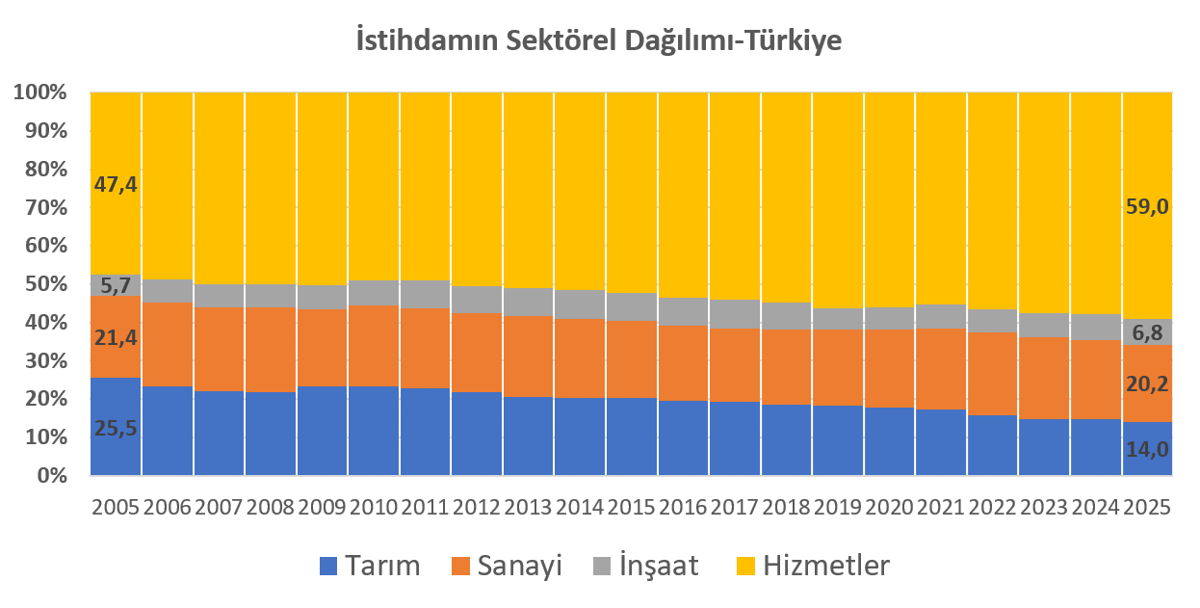
Farm Jobs Vanish, Widening Inequality in Turkey's East

France's €7 Billion Black Market: The Hunt for Undeclared Labor
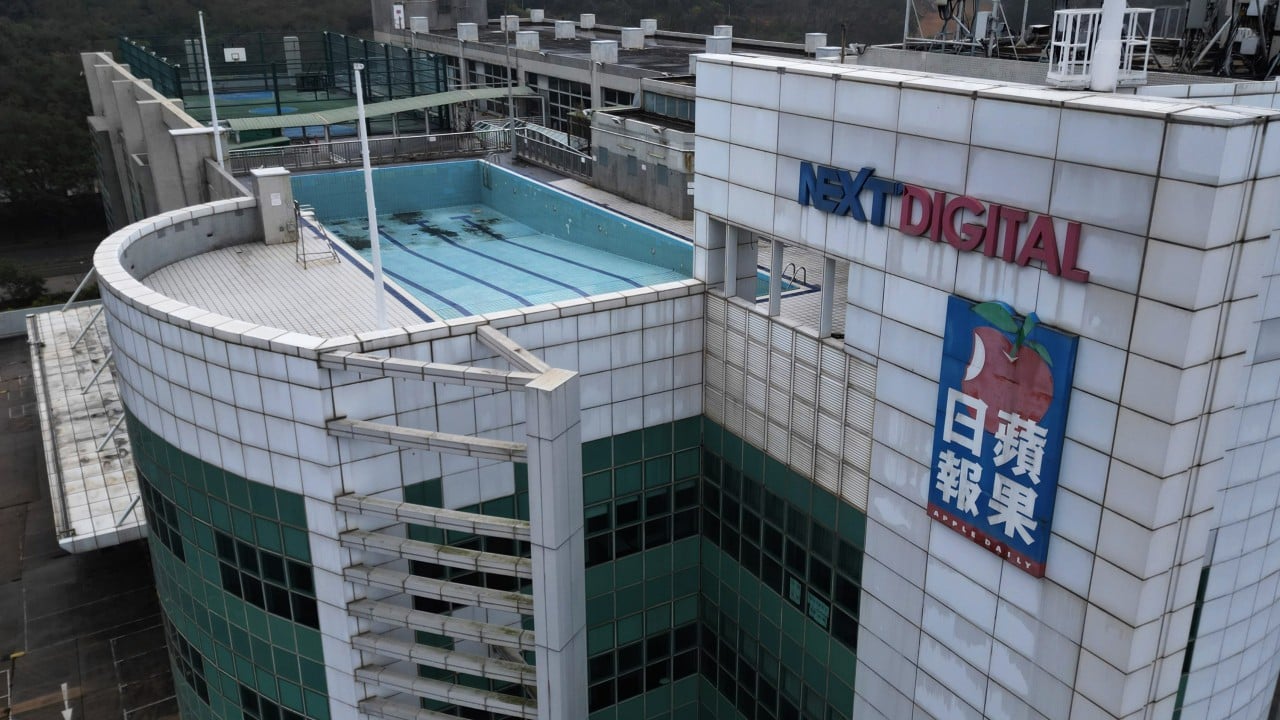
Hong Kong Moves to Seize Jimmy Lai's Properties
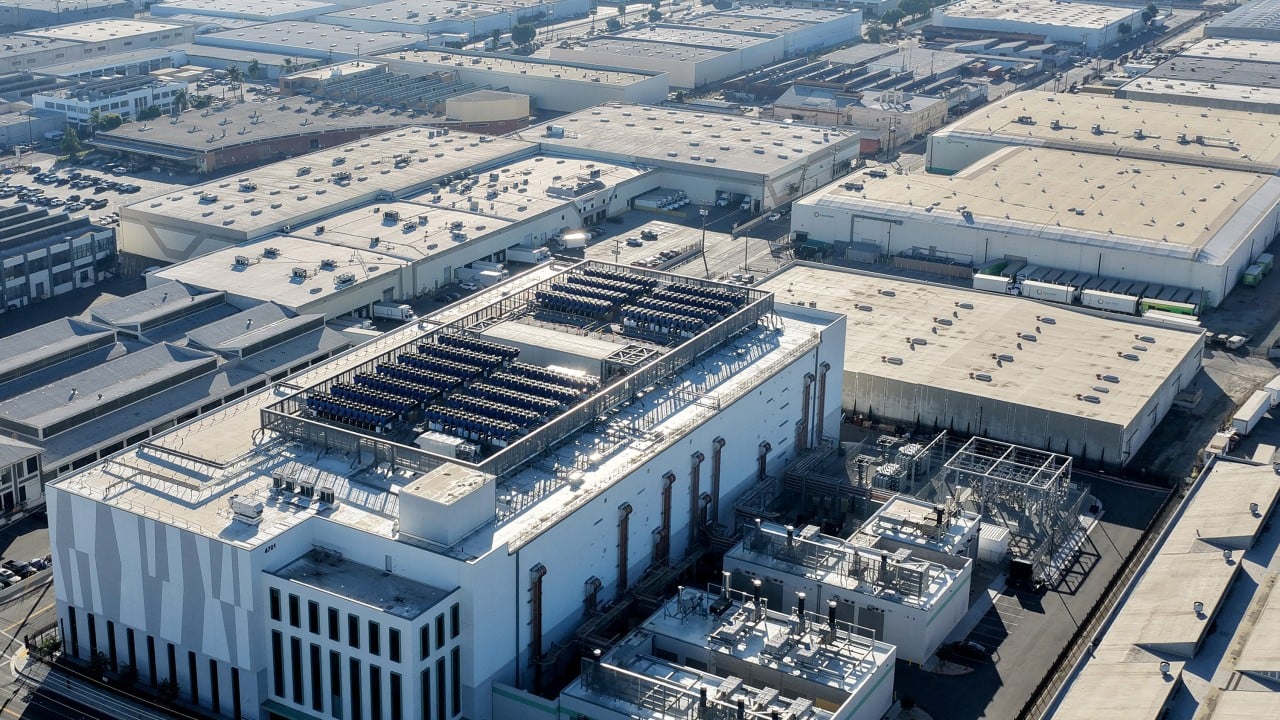
AI and Rivalry Redraw the World's Economic Map

Satellites vs. Sprawl: Rwanda's High-Tech Fight for Farmland
Turkey Sells State Assets: 15 Properties in 8 Cities for as Low as $150

Kenya's Economy Contracts as Middle East War Hits Home
Germany Considers Decriminalizing Fare Evasion as Transport Firms Feel Economic Strain

2026 Economy: Five Critical Questions

Hormuz Blockage Threatens Gulf's Economic Lifelines
Botswana Shakes Up Land Rules: From Counting Plots to Creating Jobs
Trump's Venezuela "Loot" Plan Risks U.S. Economic Power
Economics in 2024: A Strange Brew of Tariffs, AI, and "Vibecession"