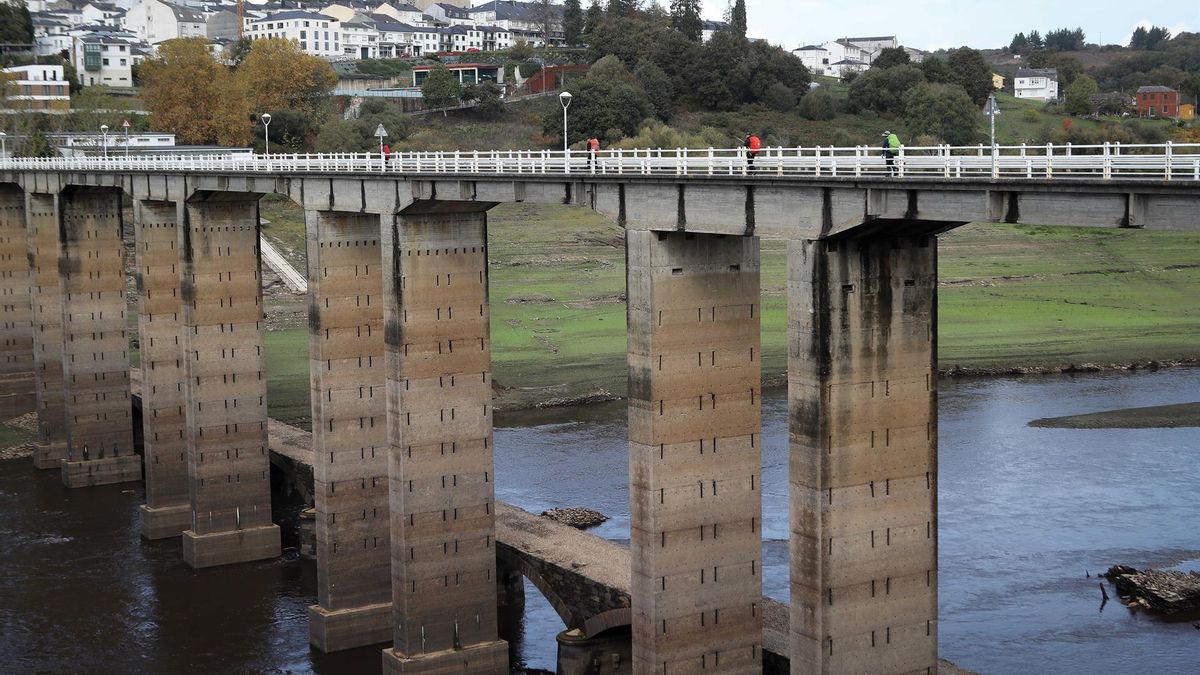
Galicia is drying up again: drought alert after a rainy winter
Three out of every four municipalities in the northwestern Spanish region of Galicia are now under a drought alert or pre-alert. The declaration comes after a winter that brought record rainfall, followed by a spring and summer with almost no precipitation and repeated heat waves.
The regional government has officially declared a drought alert in 32 municipalities in the provinces of A Coruña and Pontevedra. Another 200 municipalities are on pre-alert. The practical effects include bans on watering gardens, filling swimming pools, and street cleaning.
This is the third time in less than a decade that Galicia has faced such a situation, after similar crises in 2017 and 2022. Experts say the pattern is clear: climate change is making rainfall more concentrated in short periods, while higher temperatures increase evaporation.
Dominic Royé, a researcher at the Spanish National Research Council (CSIC) in Galicia, describes what is happening as a “flash drought.” He explains that heavy rains fell in autumn, winter, and early spring, but stopped in May. Since then, several extreme heat waves have quickly dried out the soil, rivers, and reservoirs.
“The heat waves, combined with the lack of rain, made the water disappear very fast,” Royé says. He notes that warmer air can hold more moisture, which increases evaporation. “The atmosphere is hungrier,” he adds.
The regional water authority, Augas de Galicia, agrees. It says rainfall patterns are changing, with wet periods becoming shorter and dry periods longer. The agency points out that reservoirs were full after the winter rains, but river flows and dam levels have dropped sharply since then.
The latest data shows the situation is worse than in previous drought years. On August 10, reservoirs that supply drinking water in the Galicia Costa area were at 69.88% of capacity. At the same time last year, they were at 80.52%. Even in August 2022, another dry year, they held 79.10%.
The Miño-Sil river basin authority, which manages the southern part of the region, declared a pre-alert earlier this month. It reported that rainfall over the past five months was 49% below expectations, and river flows in July were 45% below normal.
Experts stress that drought and water scarcity are not the same thing. Drought refers to a lack of rain, while scarcity means there is not enough water to meet demand. A drought does not always lead to scarcity, but in Galicia, the combination of high summer population and limited water storage is creating pressure.
Royé points out that Galicia relies mostly on rivers and reservoirs, which lose water to evaporation. The region does not have large underground aquifers like other parts of Spain. He also notes that the thunderstorms forecast for the coming days will not help much. What is needed, he says, is sustained rain that can soak into the dry ground.
The regional government often calls for fixing leaks in the water supply network. It also highlights that the summer population surge in coastal and tourist areas increases demand.
But Royé says the real problem is timing. “Measures have to be taken before the drought arrives. When it is already here, it is too late, and we can only go into emergency mode to reduce consumption,” he explains.
That is exactly what is happening now across most of Galicia, as authorities restrict non-essential water use while waiting for rain that forecasters do not see coming.