Ibiza’s Luxury Boom Leaves Its Workers Sleeping in Ruins and Tents
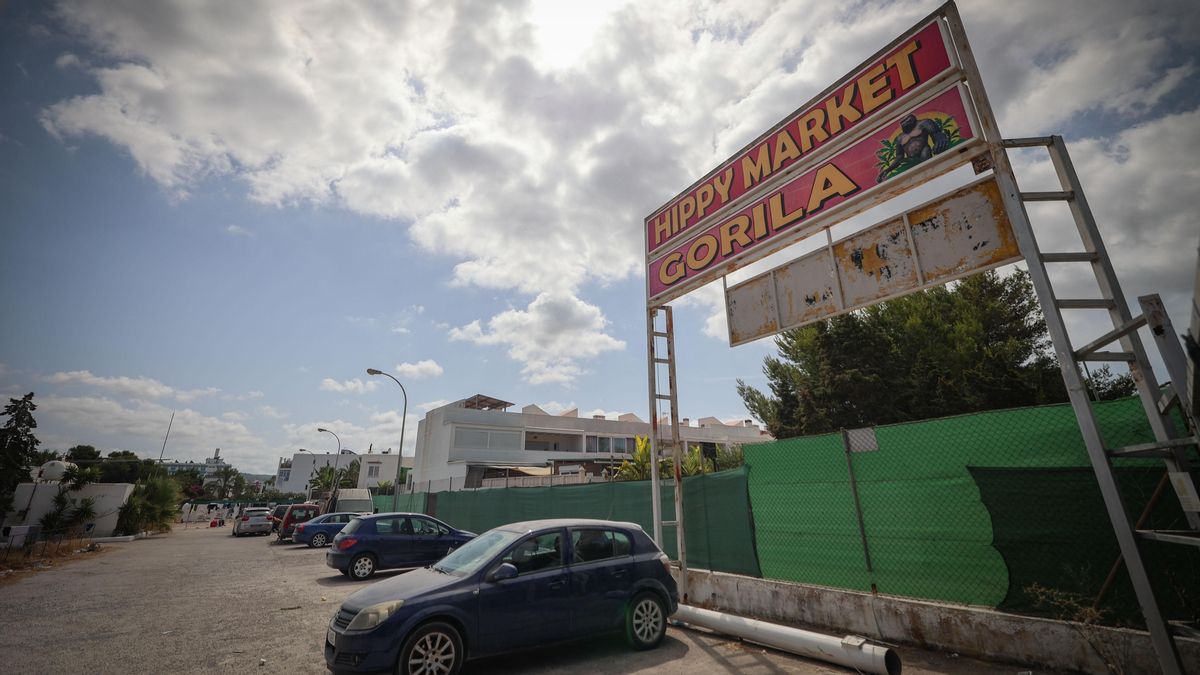
The heart of Ibiza’s tourist zone in Cala de Bou now has a ghostly feel. Bars and shops have closed as the island shifts toward a more exclusive model of tourism. The old site of the Gorila Hippy Market, abandoned since 2016, symbolizes this decline. Just three weeks ago, authorities evicted a group of workers who were living in a ruined, graffiti-covered hotel structure nearby, known as Punta Xinxó.
That hotel, which once housed more than 100 tourism workers, is now for sale for €35 million. The company that owns it, Cala Xinxó S.L., is in a legal dispute with the local council over a building permit. The company declined to comment. Meanwhile, about ten of those evicted workers, mostly Senegalese men, have moved into the old hippy market site, a 10,000-square-meter plot. Locals say about twenty people now live there.
On a sticky August morning, a few of the men prayed on mats in the dirt. Most were at work by midday. They refused to speak to reporters, saying it is private property. They appeared nervous and upset to be in the media spotlight again. Each time one camp is cleared, another appears, because the root problem—a severe housing shortage—remains unsolved.
A local resident, who asked not to be named, said the first people arrived at the old market about four months ago. She said there are no problems with the new residents, but the site has been used as an illegal dump for years. A worker at a nearby souvenir shop confirmed the men are Senegalese and cause no trouble.
The site operated as a hippy market for a few years starting in 2013, but it has been largely abandoned for a decade. Abandoned cars and heavy waste have piled up, and worried neighbors have filed complaints with the local council.
Chris Langley, a resident of Cala de Bou for over 40 years, suggests the council should buy both the hotel and the market site using European and state funds. He says this would solve the problem at its root and allow for public spaces and green areas. He also believes the housing crisis for seasonal workers could be eased if the council provided public land for shared living spaces, renting rooms for around €300 per month. He proposes installing prefabricated units with private rooms, a shared kitchen, bathrooms, and a common lounge.
The mayor of Sant Josep, Vicent Roig, disagrees that this is a new shantytown. He calls it an “illegal hostel.” He says the council has offered financial help to some workers to leave the island in the past. He claims all the current residents have jobs and income. He adds that the occupants have told him they are paying rent to the property owner. “If that is not the case, we would like the owner to evict them,” he said. The mayor says the council is investigating through urban planning and activity licensing routes. He also criticized property owners for a lack of cooperation, which he says allows these settlements to persist.
Just over a kilometer away, in a wooded coastal area between Cala de Bou and Port des Torrent, a small shantytown has formed. A shop worker says Sahrawi workers live there, and this predates the hotel eviction.
Ahmed, a 20-year-old, arrived in Ibiza three days ago to start another season in hospitality. He will serve guests at the buffet of the Ibiza Gran Hotel, a luxury establishment in Marina Botafoch. At night, he sleeps in a tent alongside about fifteen other Sahrawi workers in the forest. He comes from Elche and will return home in October. He says he could rent a room offered by his employer for about €400 per month, but that is “too much money” when he needs to save to support his family back home.
These workers are part of a growing trend in Ibiza. Since the pandemic, the island has seen a rise in shantytowns. Authorities have cleared previous camps near Sant Jordi and Vila, pushing people into more hidden areas. The core contradiction remains: as Ibiza transforms itself for wealthy investors and visitors, the people who power its tourism economy cannot afford a decent place to live.