Ceuta crisis: Is Spain’s next government ready for Morocco?
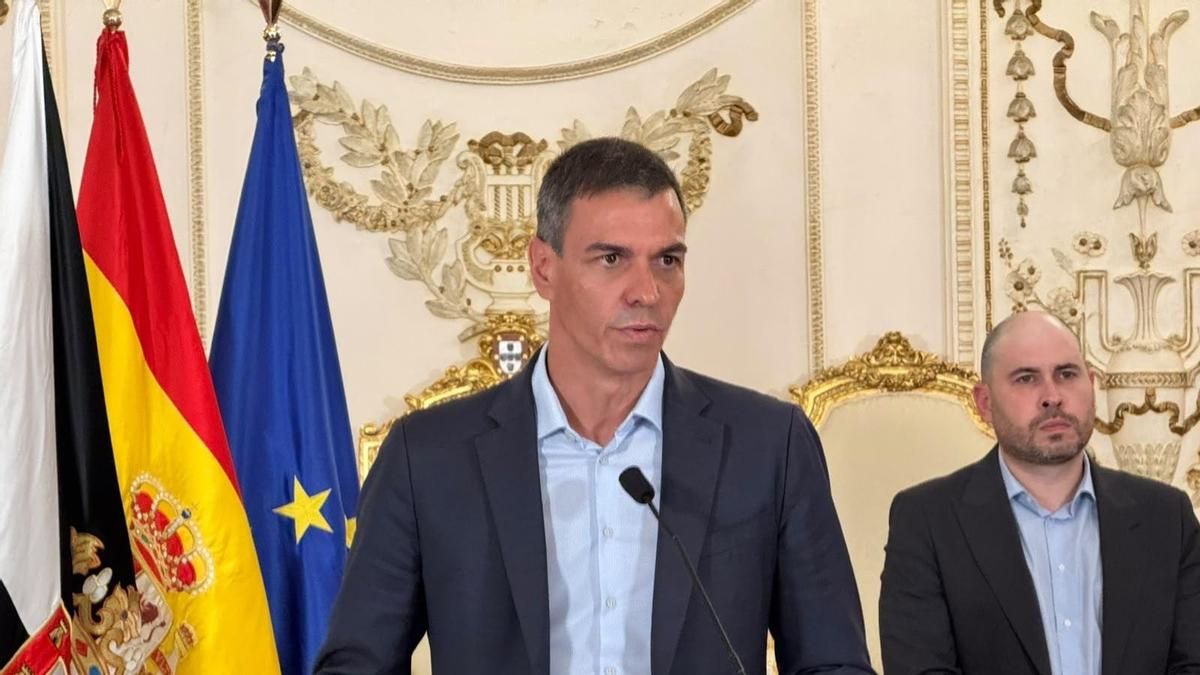
The recent migrant surge in Ceuta has become a political headache for Spanish Prime Minister Pedro Sánchez, echoing a similar standoff from 2002. Back then, it was José María Aznar’s government facing Moroccan forces on the tiny island of Perejil, following tensions over Algeria and a pro-Saharawi referendum. Now, Sánchez faces the same familiar trigger: pressure from Rabat.
This Sunday, residents of Ceuta held a large protest, feeling abandoned by the central government. Many criticized Sánchez for his delayed response and for sharing music playlists on social media during the crisis. The Interior Minister, Fernando García-Marlaska, claimed intelligence services were not warned about the mass border crossing, a statement that has raised questions about coordination within his own cabinet.
The situation brings back memories of Aznar’s handling of the Perejil incident, which required a call to US Secretary of State Colin Powell to locate the islet on a map. While that dispute ended peacefully, the current crisis has already seen 142 deaths near the border, a grim reminder of the human cost.
Ceuta’s residents argue they have been neglected for decades, regardless of which party rules in Madrid. They benefit from special tax status and receive significant budget attention, but they still feel vulnerable. Some suggest King Felipe VI should visit both Ceuta and Melilla as a show of support, though any such visit would likely provoke immediate retaliation from Morocco against Spanish interests.
Looking ahead, if the conservative People’s Party (PP) returns to power with the support of the far-right Vox party, would Ceuta feel safer? Alberto Núñez Feijóo, the PP leader, would face the difficult task of convincing Washington to extend NATO’s defensive umbrella to the two cities. This is something no previous Spanish leader, from either major party, has achieved.
Morocco’s long-term goals remain clear: it continues to press claims on Ceuta, Melilla, the Canary Islands, and even the Sahara. Meanwhile, Spain’s political options appear limited. The protestors chant that Ceuta will not surrender, but neither will Rabat. For now, the city remains a flashpoint in a diplomatic game with no easy exit.