The Silent War: Inside the Resource Conflict Reshaping Central Africa
The Democratic Republic of the Congo (DRC) is home to one of the world’s most protracted and deadly conflicts. While often overshadowed by crises in other regions, the situation in Central Africa is rapidly deteriorating.
The Democratic Republic of the Congo (DRC) is home to one of the world’s most protracted and deadly conflicts. While often overshadowed by crises in other regions, the situation in Central Africa is rapidly deteriorating. This resurgence of violence is not merely a local tribal dispute; it is a complex geopolitical struggle fueled by global demand for technology, the failure of state institutions, and the exploitation of vast natural wealth.
To understand why the Congo is heating up, one must look at the intersection of mineral riches, regional instability, and the human cost of the modern world’s green energy transition.
A Nation Defined by Its Resources
The DRC is often described as a "geological scandal" due to its immense and unusual concentration of mineral wealth. It possesses vast reserves of copper, cobalt, gold, and diamonds. Crucially, the Congo is the world’s leading producer of cobalt, a vital component in the lithium-ion batteries that power smartphones, electric vehicles, and renewable energy storage systems.
However, this wealth is a curse rather than a blessing. The Congolese state lacks the capacity to control its territory or monopolize the extraction of these resources. Consequently, armed groups have filled the void, creating a war economy where control of mines and trade routes serves as the primary source of funding for ongoing hostilities.
The Rise of M23 and Regional Interference
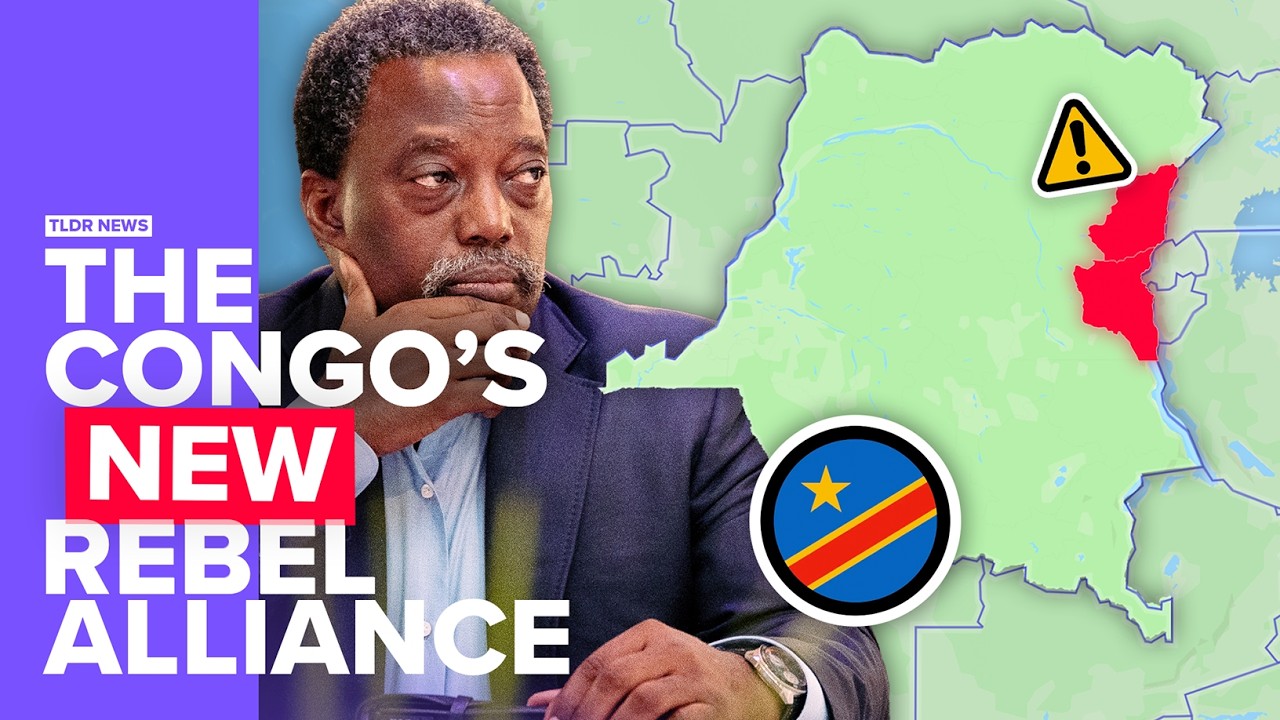
The current escalation is largely driven by the resurgence of the M23 rebel group. In 2012, M23 briefly captured Goma, a major city in the eastern DRC, before being pushed back by the Congolese army and United Nations forces. For a decade, the group remained dormant. However, in late 2021, M23 re-emerged with renewed vigor and advanced weaponry, launching a fresh offensive that has displaced hundreds of thousands of civilians.
The resurgence of M23 is inextricably linked to the involvement of neighboring Rwanda. The United Nations and Western governments, including the United States, have concluded that Rwanda provides direct military support to M23. This includes troop deployments, sophisticated weaponry, and logistical backing. Kigali denies these allegations, but the evidence suggests that Rwanda is utilizing the group as a proxy force to secure influence and access to resources in the eastern DRC.
This dynamic has created a dangerous stalemate. The Congolese army (FARDC), often poorly paid and under-equipped, has struggled to mount an effective defense. To bolster its ranks, the government has increasingly relied on local militias, known as Wazalendo, who are often accused of human rights abuses. This reliance on irregular forces further fragments the state’s monopoly on violence and complicates any path to peace.
The Humanitarian Catastrophe
The human cost of this conflict is staggering. The DRC currently hosts one of the largest displacement crises in the world, with millions of people internally displaced. The violence has triggered a severe humanitarian emergency, particularly in the North Kivu region.
The fighting has disrupted agriculture and trade, leading to widespread food insecurity. Furthermore, the conflict has exacerbated the vulnerability of women and children to sexual violence, which is used systematically as a weapon of war. International aid agencies face immense challenges in reaching those in need, as roads are often impassable and security risks are high. The situation is compounded by the collapse of basic infrastructure, including healthcare and education, leaving a generation of Congolese at risk.
The Geopolitical Stakes
The conflict in the Congo is not occurring in a vacuum. It is situated within a broader geopolitical context. The DRC is seeking to leverage its mineral wealth to attract investment from global powers, including the United States, China, and the European Union. However, the instability in the east deters foreign direct investment outside of the mining sector.
Moreover, the crisis highlights the limitations of international peacekeeping. The United Nations Organization Stabilization Mission in the DRC (MONUSCO) has been a massive operation, but it has struggled to protect civilians and neutralize armed groups. The Congolese government, frustrated with the mission’s perceived ineffectiveness, has requested its withdrawal, raising concerns about the security vacuum that may follow.
The Path Forward
Resolving the crisis in the Congo requires more than just military intervention. It demands a comprehensive approach that addresses the root causes of the conflict: the illicit exploitation of natural resources, the lack of state authority, and the interference of neighboring states.
The international community faces a critical test. As the world transitions toward green energy, the demand for Congolese cobalt will only increase. Consumers and corporations must demand supply chain transparency to ensure that the minerals powering the global economy do not finance the destruction of the Congo.
Without a concerted effort to stabilize the region, enforce accountability for human rights abuses, and build sustainable governance structures, the cycle of violence in the heart of Africa is likely to continue, with profound implications for global stability and human dignity.
Related Coverage
Green Energy’s Dirty Secret: How DRC’s Cobalt Mines Are Killing Its Own People
A new report reveals that the Democratic Republic of Congo’s (DRC) push to become a global leader in green energy is poisoning its citizens. Intensive mining for copper and cobalt—minerals essential for electric vehicle batteries—is contaminating local water and soil, leading to severe illness and death in the southern province of Lualaba.
War, Climate, and Profit: How a Broken Global System is Deepening the Health Divide
As conflicts rage, climate shocks intensify, and public money flows into militarization and corporate gain, access to healthcare and basic survival resources is becoming increasingly divided by wealth and geography, leaving the world’s most vulnerable populations to bear the heaviest costs.
From Ceasefire to Catastrophe: How a Militarized Global Economy Fuels War, Displacement, and Climate Crisis
A fragile global order is fracturing under the weight of collapsing peace deals, escalating wars, and a worsening climate emergency, while a financial system that prioritizes military spending and corporate profit leaves millions of ordinary people to bear the heaviest costs, from the Middle East to Ukraine and across Africa.
War, Oil, and a Burning Planet: How Conflict and Climate Collapse Are Crushing the World’s Most Vulnerable
A fragile global order is fracturing under the weight of collapsing ceasefires, escalating wars, and a deepening climate emergency, while an economic system that prioritizes military spending and corporate profit leaves millions of ordinary people—especially the world’s poorest—to bear the heaviest costs.
The Price of Power: How a Global System Built for War and Profit is Fueling Collapse
As fragile peace deals shatter and wars escalate across the Middle East, Eastern Europe, and Africa, a global system that prioritizes military spending and corporate profit over human welfare is driving the world toward unprecedented instability. While public resources are funneled into endless conflict, record-breaking climate disasters, mass displacement, and deepening inequality are crushing the most vulnerable populations.
# Power, Profit, and a Planet in Peril: How Financial Warfare, Climate Collapse, and the AI Boom Are Reshaping Global Politics
The global order is buckling under the weight of converging crises, where the pursuit of geopolitical power and corporate profit is colliding with fundamental human needs. From the closed oil routes of the Strait of Hormuz and the escalating aerial war in Ukraine to drought-parched rivers across Europe and famine-stricken regions of Africa, a cascade of emergencies is diverting public resources away from social welfare and toward conflict, leaving the world's most vulnerable populations to bear the heaviest burden of inflation, displacement, and violence [1][2].
Related Editorials
The Hidden War: What Rwanda Really Wants in Congo
The conflict in the Democratic Republic of the Congo (DRC) is often framed as a local struggle, but the roots of the violence run deep into the politics and economy of neighboring Rwanda. To understand why fighting persists in eastern Congo, one must look beyond the battlefield and examine the stra
Sudan’s Silent Scourge: The Red Patches on Satellite Images No One Speaks Of
By [Author Name], International Affairs Editor High-resolution satellite imagery of Sudan has revealed a disturbing pattern: red patches spreading across the country’s landscape. These are not geological formations or agricultural phenomena.
The Gathering Storm: How a Continental Shift Is Threatening South Africa’s Regional Dominance
A quiet but seismic shift is underway in African geopolitics. For decades, South Africa has operated as the continent’s economic and diplomatic anchor, wielding influence from Cape Town to Cairo.
The Coming Insurance Crisis: Why Climate Change Is Quietly Making Homes Uninsurable
Article: Across the globe, a silent crisis is brewing in the real estate market. It is not driven by interest rates or housing shortages, but by the physical reality of a warming planet.
The Coming Energy Market Meltdown: Why Experts Are Sounding the Alarm
Global energy markets are approaching a critical inflection point. While the transition to renewable sources dominates headlines, a less visible but equally dangerous crisis is brewing beneath the surface—one that could destabilize power grids, spike electricity prices, and trigger widespread econo
The Hidden Leverage: How a Global Pause in African Exports Would Trigger a Worldwide Crisis
The global economy runs on a fragile web of supply chains, and no continent is more central to its survival than Africa. Yet, the world often overlooks this dependency.